 (+035) 527-1710-70
 NEWSLETTER

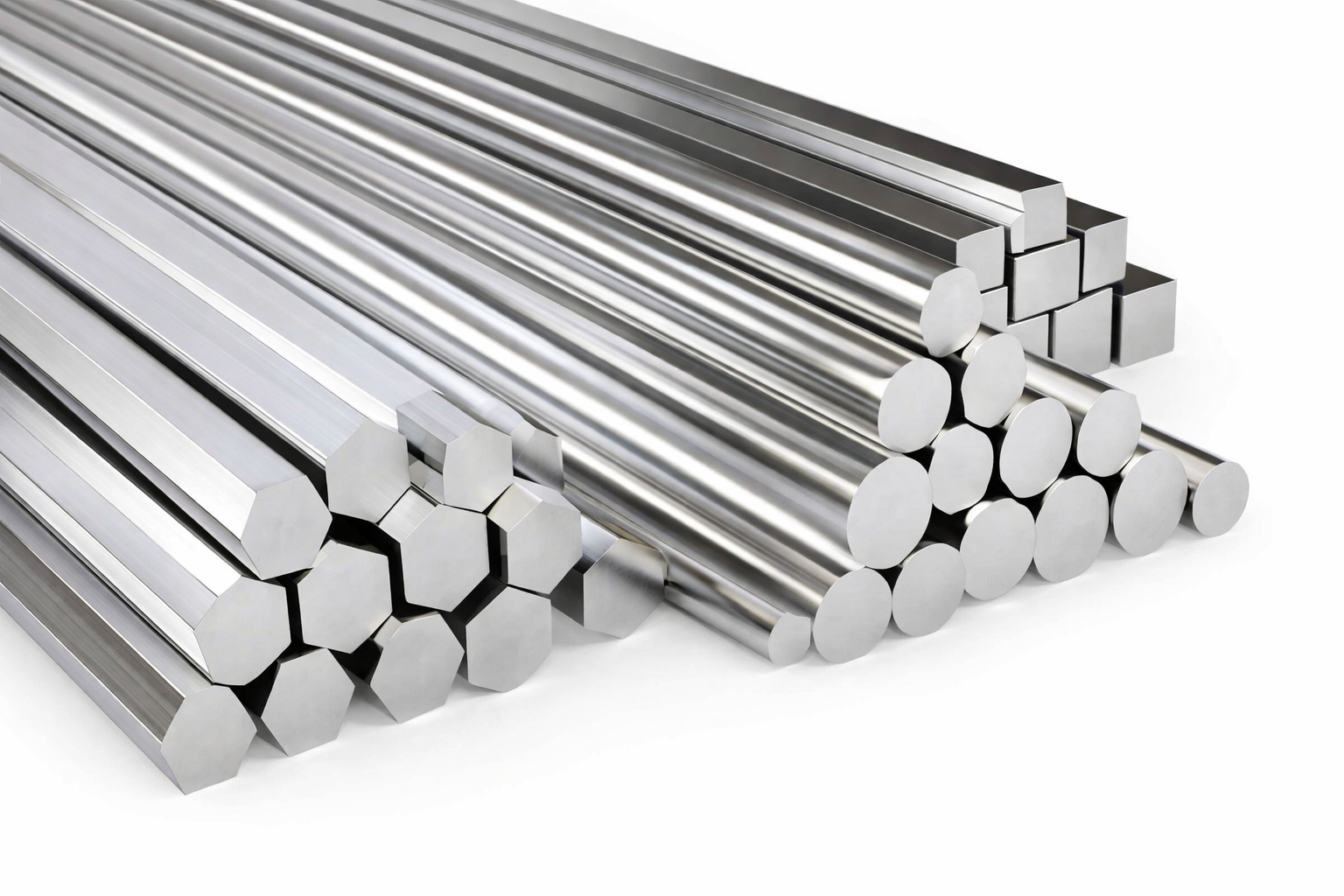
When selecting the right material for industrial applications, choosing the wrong one can lead to serious problems such as component failure or machine downtime. For applications requiring high strength, toughness, and durability, 4140 steel plates are often the material of choice. Known for its versatility and exceptional mechanical properties, 4140 steel offers the right balance of performance and cost-effectiveness. In this guide, we’ll dive deep into the properties, production methods, applications, quality testing, and top suppliers of 4140 steel plate to help you make the best decision for your project.
1. What is 4140 Steel Plate?
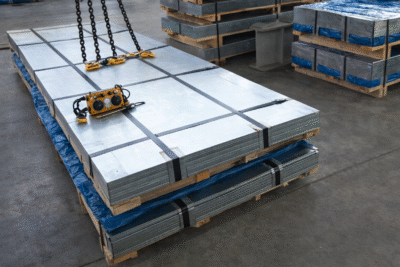
4140 steel plate is a low-alloy steel that is renowned for its impressive strength, toughness, and versatility. This alloy steel is made primarily from carbon, chromium, and molybdenum, which gives it exceptional mechanical properties. It is particularly useful in situations where high-performance metals are critical, offering excellent resistance to wear, fatigue, and stress under heavy loads. It’s widely used across industries such as automotive, aerospace, construction, defense, and power generation.
2. Chemical Composition of 4140 Steel Plate
The chemical composition of 4140 steel is crucial in determining its mechanical properties and performance in different applications. Here is the breakdown:
Carbon (C): 0.38 – 0.43%
Chromium (Cr): 0.80 – 1.10%
Molybdenum (Mo): 0.15 – 0.25%
Manganese (Mn): 0.75 – 1.00%
Silicon (Si): 0.15 – 0.35%
Phosphorus (P): 0.035 max
Sulfur (S): 0.040 max
Iron (Fe): Balance
This combination of elements provides the steel with high hardness, superior strength, and good corrosion resistance, making it suitable for demanding environments.
3. Mechanical Properties of 4140 Steel Plate
4140 steel plate is known for its exceptional mechanical properties, which include:
Tensile Strength: 95,000 – 115,000 psi
Yield Strength: 60,000 – 70,000 psi
Elongation: 10 – 18%
Hardness: 275 – 320 Brinell
These properties make 4140 steel ideal for applications that require high stress resistance, fatigue strength, and durability. The steel’s ability to maintain its strength under load makes it perfect for high-performance components.
4. How 4140 Steel Plate Is Produced
The production of 4140 steel plate involves several key steps, ensuring that the final product has the desired mechanical properties and structure:
Melting and Refining:
The raw materials, including iron ore and various alloying elements, are melted in a basic oxygen furnace. During this process, impurities are removed, and the steel is refined to meet specific standards.
Casting:
The molten steel is cast into slab form, which is then processed into plates.
Hot Rolling:
The steel is hot-rolled into plates of varying thicknesses. This process involves shaping the steel at high temperatures, ensuring that it maintains its strength and toughness.
Heat Treatment:
Heat treatment is a critical step. The plates are normalized at 870°C to refine the grain structure. They are then oil quenched and tempered between 400 and 650°C to enhance durability and strength.
5. Features of 4140 Steel Plate
5.1 Machines Easily
4140 steel plate is relatively easy to machine, particularly when annealed. It has a machinability rating of 65%, which is significantly higher than many other alloy steels. To achieve the best machining results, high-speed steel or carbide tools with positive rake angles are recommended. The ideal cutting speeds are 70-110 surface feet per minute (SFM) for high-speed steel tools and 150-250 SFM for carbide tools.
5.2 High Strength
4140 steel is known for its impressive tensile and yield strength, reaching up to 1000 MPa when quenched and tempered. This high strength, combined with its excellent strength-to-weight ratio, makes it ideal for applications involving heavy loads and high stress.
5.3 Cost-Effective
When comparing performance to price, 4140 steel plate is highly cost-effective. With a price range of $1.20 to $1.80 per pound, it offers excellent value in high-stress applications. Its durability also leads to lower maintenance costs over time, making it a smart choice for industries seeking long-lasting materials.
5.4 High Toughness
4140 steel is known for its high toughness. Its microstructure, enhanced through heat treatment, provides superior resistance to cracking and fracture under impact. It has an impressive Charpy V-notch impact strength of 54-61 J at room temperature and is highly resistant to fatigue, with a fatigue strength of 310 MPa at 10^7 cycles.
5.5 Corrosion Resistant
The presence of chromium (0.80-1.10%) and molybdenum (0.15-0.25%) in 4140 steel provides it with a level of corrosion resistance, making it suitable for moderate corrosive environments. Additionally, surface treatments like plasma nitriding can enhance its resistance to corrosion, especially in marine or seawater applications.
6. Top 8 Applications of 4140 Alloy Steel Plate
Due to its superior mechanical properties, 4140 steel plate is used in a wide range of industries and applications:
Automotive:
Crankshafts, transmission gears, and CV joints benefit from 4140’s high fatigue strength and ability to surface harden, making it ideal for automotive parts that face high torque and stress.
Aerospace:
In aerospace, 4140 is used in landing gears, wing attachments, and some engine components where high tensile strength and fatigue resistance are required.
Construction and Mining:
4140 steel is used in drill collars and heavy construction equipment, such as excavator teeth and bulldozer blades, due to its high yield strength and wear resistance.
Heavy-Duty Equipment Production:
4140 is essential in manufacturing gears, shafts, and hydraulic cylinders for heavy-duty applications that require high torsional strength and resistance to wear.
Oil and Gas:
It’s used in drill collars, offshore platforms, and pipelines, where its toughness and corrosion resistance under extreme conditions are vital.
Machine Tool:
In machine tool manufacturing, 4140 steel is used in components like milling spindles and machine beds, where strength and precision are critical.
Defense Uses:
4140 steel is utilized in armor plates, firearm parts, and military vehicle suspensions, where high strength, toughness, and corrosion resistance are essential.
Power Generation Uses:
In the power generation industry, 4140 steel is used in turbine rotors, steam turbine blades, and reactor vessel internals, where its strength, fatigue resistance, and high-temperature stability are crucial.
7. How to Check the Quality of a 4140 Alloy Steel Plate
Quality testing is essential to ensure that 4140 steel meets the necessary specifications. The following tests are commonly used:
Tensile Testing:
Measures strength, elongation, and yield points. Key parameters include yield strength (665-795 MPa) and ultimate tensile strength (850-1000 MPa).
Hardness Testing:
Rockwell and Brinell tests are commonly used to assess the hardness of 4140 steel, typically between 22 and 30 HRC, depending on the heat treatment.
Fatigue Testing:
Assesses the material’s ability to withstand repeated stress. It’s especially important for parts subjected to cyclic loading, such as in the automotive and aerospace industries.
Impact Testing:
Measures the material’s toughness and resistance to brittle fracture under impact. A Charpy V-notch test is often used, with 4140 showing excellent impact resistance at room temperature.
8. Top 5 4140 Steel Plate Suppliers
Tops Precision:
Specializes in precision 4140 steel plates with custom fabrication services. ISO 9001 certified and offering advanced equipment for tight tolerances.
Universal Steel America:
A leader in sourcing and processing 4140 plates, offering global supply chain solutions and custom processing services.
TuoLian Metal:
Known for its high-quality 4140 steel plates and efficient shipping, TuoLian offers competitive prices and great after-sales support.
Michlin Metals:
An experienced supplier with over 30 years in the industry, Michlin Metals offers premier 4140 steel plates for critical applications.
Castle Metals:
A global distributor with over 130 years of experience, Castle Metals supplies high-quality 4140 plates tailored to your specific needs.
9. To Conclude
4140 steel plate is one of the most versatile and reliable materials available, offering outstanding strength, toughness, and resistance to wear and fatigue. Its applications span across critical industries such as automotive, aerospace, and oil & gas, making it an essential material for high-performance projects. Whether you’re in need of 4140 steel for a construction, defense, or power generation project, its impressive properties make it the ideal choice for demanding applications. Contact us for more information.
FAQs
- Does4140 Steel Plate Rust?
Yes, 4140 steel plate can rust because it has only moderate corrosion protection. To prevent rusting, particularly in harsh environments, it’s important to apply protective coatings or undergo additional surface treatments like plasma nitriding. - Can You Weld 4140 Steel Plate?
Yes, 4140 steel can be welded, but special care is required. Pre-heating before welding and post-weld heat treatment are essential to avoid cracking and ensure the welded joints are strong and durable.3 - Is 4140 Steel Plate Good for High Temp Use?
4140 steel plate is suitable for moderate high-temperature applications, typically up to around 600°F (316°C). For higher temperatures, alternative materials with superior heat resistance might be required to maintain mechanical properties. - Should You Choose 4140 or 1045 Steel Plate?
4140 steel is ideal for applications requiring higher toughness, strength, and wear resistance, especially for critical structural parts. 1045 steel, on the other hand, is easier to machine and better suited for general-purpose applications where extraordinary mechanical properties are not necessary. - What is the Cost of 4140 Steel Plate?
The price of 4140 steel plate ranges from $1.20 to $1.80 per pound, depending on the thickness, condition (annealed, pre-hardened, etc.), and supplier. Despite its higher initial cost, its long-term durability makes it a cost-effective choice for high-performance applications. - How Long Does 4140 Steel Plate Last?
Due to its excellent mechanical properties and resistance to wear and fatigue, 4140 steel plate can last for many years, even in challenging environments. Regular maintenance, proper heat treatment, and protective coatings can extend its lifespan significantly. - Can 4140 Steel Plate Be Heat Treated?
Yes, 4140 steel plate can be heat treated to enhance its mechanical properties. Heat treatment processes like quenching and tempering can increase its strength and hardness, making it more suitable for high-stress applications.