 (+035) 527-1710-70
 NEWSLETTER

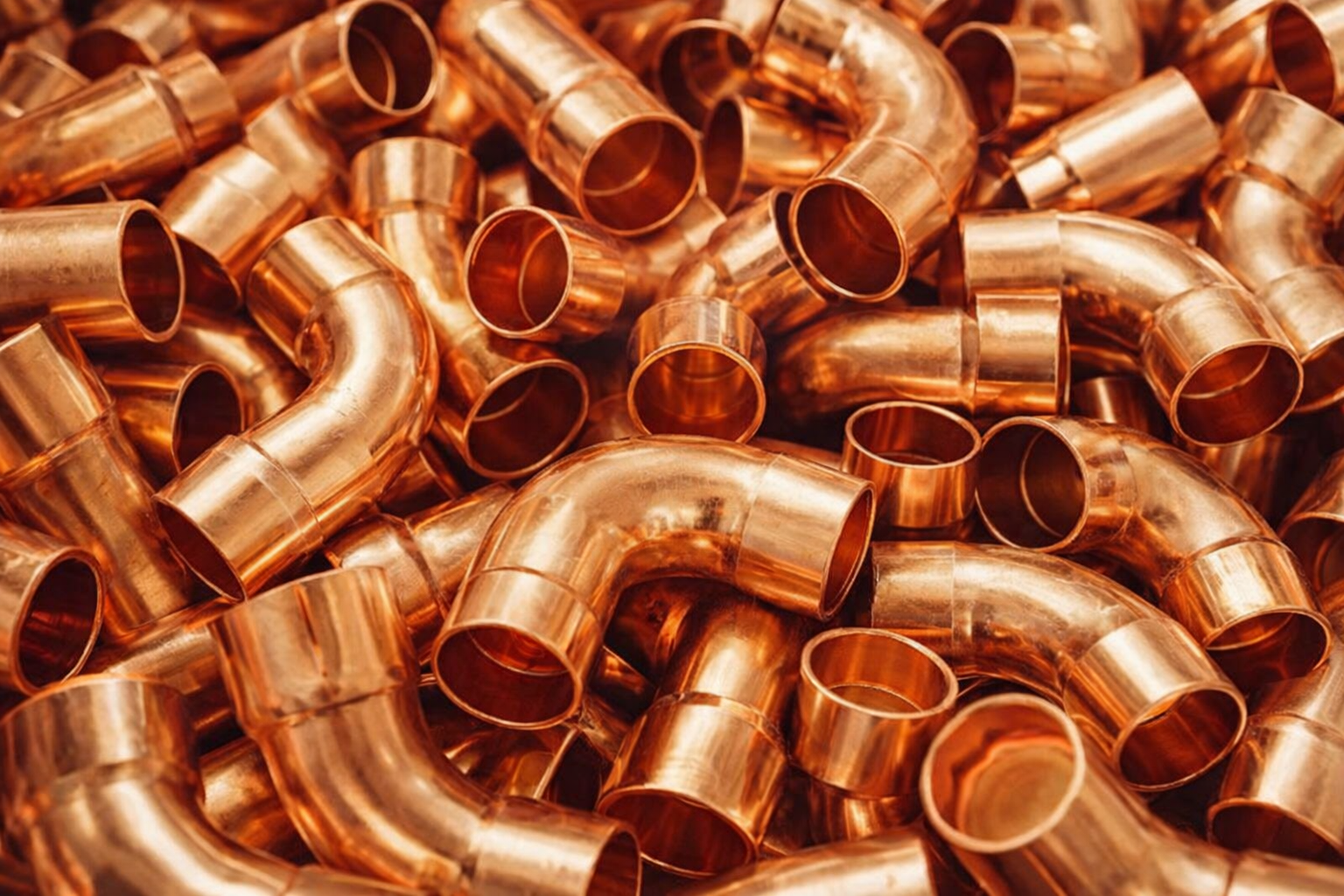
1. Introduction to Bronze
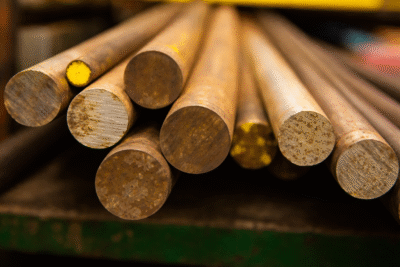
Bronze is one of the earliest engineered metals in human history and remains a critical material in modern manufacturing. While commonly associated with statues, medals, and decorative hardware, bronze plays a far more significant role in industrial applications such as bearings, gears, marine components, electrical connectors, and precision mechanical parts.
Its enduring value lies in a unique balance of mechanical strength, corrosion resistance, low friction, and excellent castability. These characteristics make bronze a preferred material in applications where reliability, wear resistance, and long service life are required.
2. What Is Bronze?
Bronze is a copper-based alloy primarily composed of copper and tin. Traditional bronze typically contains approximately 88% copper and 12% tin, though the exact ratio varies depending on the intended application.
Bronze belongs to the broader family of “red metals”, a group that includes copper and its alloys. Compared to pure copper, bronze is harder, stronger, and more wear-resistant, while still retaining good ductility and thermal conductivity. Unlike steel, bronze is non-magnetic and non-sparking, making it suitable for hazardous environments.
3. History of Bronze
Bronze has a history spanning more than 6,000 years. Archaeological evidence indicates bronze artifacts as early as 4500 BCE, with widespread adoption beginning during the Bronze Age (approximately 3000–1200 BCE).
Ancient civilizations such as:
Sumer and Babylonia
Ancient Greece and Rome
The Shang and Zhou Dynasties in China
used bronze extensively for tools, weapons, agricultural implements, vessels, and ceremonial objects. Bronze’s superior hardness over stone and pure copper revolutionized productivity and warfare.
By around 1300 BCE, iron became more accessible and economical, marking the transition to the Iron Age. However, bronze never disappeared. Its corrosion resistance, acoustic properties, and aesthetic appeal ensured its continued use in statues, bells, musical instruments, and later, industrial machinery.
4. Composition and Alloying Elements
At its core, bronze is an alloy of copper and tin, but modern bronzes often include additional alloying elements to enhance specific properties:
Aluminum – Improves strength and corrosion resistance
Phosphorus – Enhances wear resistance and fatigue strength
Silicon – Improves castability and weldability
Manganese – Increases hardness and shock resistance
Zinc – Improves machinability in some bronze grades
By adjusting these elements, manufacturers can tailor bronze alloys for applications ranging from marine hardware to precision electrical components.
5. Manufacturing and Production Methods
Bronze Casting
Bronze is most commonly produced through casting, a process in which copper and tin are melted, alloyed, and poured into molds. Common casting methods include:
Sand casting for large or complex shapes
Lost wax (investment) casting for high-detail components
Ceramic shell casting for dimensional accuracy
Modern Manufacturing
Beyond casting, bronze components are also produced using:
CNC machining
Extrusion and forging (for select alloys)
Additive manufacturing, such as binder jetting with bronze infiltration, enabling complex geometries
6. Physical Characteristics of Bronze
Key physical characteristics of bronze include:
Reddish-brown metallic appearance
Density ranging from 5.6 to 9.3 g/cm³
Melting point between 315°C and 1180°C, depending on alloy
Good thermal and electrical conductivity
Smooth surface finish suitable for decorative and functional uses
7. Chemical Properties of Bronze
Bronze exhibits favorable chemical behavior:
Excellent corrosion resistance, especially in marine and industrial environments
Formation of a natural patina (copper oxide and copper carbonate), which protects against further corrosion
Non-magnetic and non-sparking properties
Strong resistance to oxidation compared to iron-based materials
8. Types of Bronze Alloys
Common industrial bronze alloys include:
Aluminum Bronze – High strength and corrosion resistance
Nickel Aluminum Bronze – Used in marine and aerospace applications
Silicon Bronze – Excellent for fasteners and architectural uses
Phosphor Bronze – High fatigue resistance for springs and electrical contacts
Manganese Bronze – Used for heavy-duty bearings and gears
Each alloy is selected based on mechanical load, environmental exposure, and wear requirements.
9. Key Mechanical Properties of Bronze
Bronze offers a combination of:
High hardness compared to copper
Good ductility under normal loads
Excellent fatigue resistance
Low metal-to-metal friction
Superior wear resistance
These properties make bronze particularly valuable in moving assemblies and load-bearing components.
10. Applications of Bronze
Bronze is widely used across industries:
Tools and Machinery
Gears, bearings, bushings, and springs
Hand tools such as hammers and chisels
Architecture and Design
Door hardware, window frames, trim, and decorative panels
Outdoor sculptures and facades
Coins and Medals
Historical and commemorative coinage
Third-place medals in international competitions
Musical Instruments and Bells
Cymbals, gongs, bells, and strings
“Bell metal” bronze for acoustic clarity
Industrial Bearings
Automotive transmissions
Electric motors
Food processing and injection molding equipment
11. Advantages of Bronze
Key advantages include:
Higher strength than pure copper
Excellent corrosion and wear resistance
Ease of casting complex shapes
Low friction properties
Long service life
Attractive surface appearance
12. Disadvantages and Limitations
Despite its strengths, bronze has limitations:
Higher material cost than steel or brass
Greater machining difficulty due to hardness
Susceptibility to chemical attack from chlorides, ammonia, and sulfur compounds
Risk of bronze disease in humid, chloride-rich environments
13. Bronze vs. Brass
While both are copper alloys:
Bronze is copper–tin based, stronger, and forms a protective patina
Brass is copper–zinc based, more malleable, and tarnishes over time
Bronze is preferred for structural, wear, and marine applications, while brass is often chosen for decorative and low-stress components.
14. FAQ
- Does bronze rust?
No. Bronze does not rust because it contains no iron. Instead, it forms a protective patina. - Does bronze turn green?
Yes. Over time, bronze may develop a green patina due to oxidation. - Is bronze an alloy?
Yes. Bronze is a copper-based alloy, typically containing tin and other elements. - Is bronze stronger than copper?
Yes. Bronze is significantly harder and more wear-resistant than pure copper. - Is bronze suitable for marine environments?
Yes. Many bronze alloys are specifically designed for saltwater corrosion resistance. - Can bronze be machined easily?
Machinability varies by alloy. Leaded and silicon bronzes are easier to machine. - Is bronze recyclable?
Yes. Bronze is fully recyclable without loss of material properties. - Why is bronze used for bearings?
Its low friction, wear resistance, and ability to embed debris make it ideal for bearings.