 (+035) 527-1710-70
 NEWSLETTER

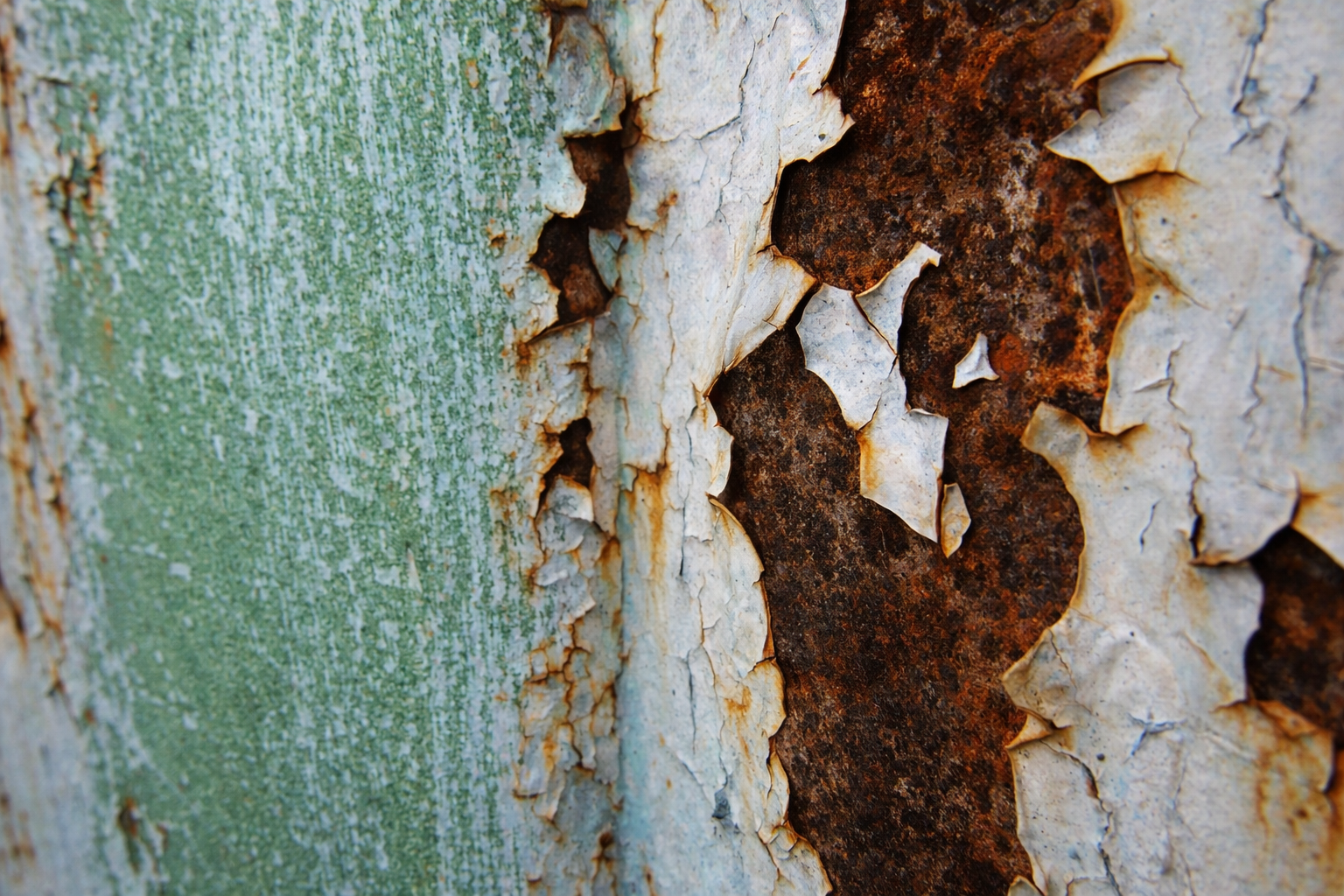
Oxygen is essential for life on Earth, yet it is also one of the most aggressive and destructive elements when it comes to metals. Left unprotected, many metals will slowly but relentlessly degrade through corrosion, eventually leading to structural failure, performance loss, and costly replacements. As the saying goes, rust never sleeps.
In industrial, commercial, and engineering applications, corrosion is not a cosmetic issue—it is a design, safety, and lifecycle cost problem. From CNC-machined components and sheet metal enclosures to aerospace parts and medical devices, selecting the right corrosion-resistant metal is critical to ensuring durability, reliability, and long-term value.
The good news is that modern manufacturing offers a wide range of corrosion-resistant metals that can be CNC machined, die casted, or 3D printed into precision components. This guide explains how corrosion resistance works, which metals perform best, and how to choose the right material for your application.
Why Corrosion Happens—and Why It Matters
Corrosion is an electrochemical reaction between a metal and its environment. Moisture, oxygen, salts, chemicals, and temperature fluctuations all accelerate this process. In the case of carbon steel and iron, corrosion produces rust—iron oxide—which flakes away and exposes fresh metal underneath, allowing the process to continue indefinitely.
This matters because corrosion:
Reduces mechanical strength
Shortens part lifespan
Increases maintenance and replacement costs
Causes safety risks in load-bearing structures
Leads to premature product failure
In harsh environments—such as marine, chemical, outdoor, medical, or high-temperature applications—corrosion resistance is not optional. It is a fundamental material requirement.
How Corrosion-Resistant Metals Work: Passivation Explained
Not all oxidation is destructive. Many corrosion-resistant metals form a passivation layer, a thin, stable oxide film that bonds tightly to the metal surface and prevents further corrosion.
Key characteristics of passivation layers:
They are self-healing when scratched
They block oxygen and moisture from penetrating deeper
They do not flake or peel like rust
This is the fundamental difference between carbon steel and corrosion-resistant metals such as aluminum, stainless steel, and titanium.
Key Factors When Choosing a Corrosion-Resistant Metal
No single metal is ideal for every application. Engineers and buyers should evaluate materials based on:
Corrosion environment (humidity, saltwater, chemicals, heat)
Mechanical strength requirements
Weight constraints
Machinability and fabrication method
Cost and availability
Electrical or thermal conductivity needs
Below is a detailed breakdown of the most commonly used corrosion-resistant metals in modern manufacturing.
Aluminum: Lightweight, Versatile, and Naturally Corrosion Resistant
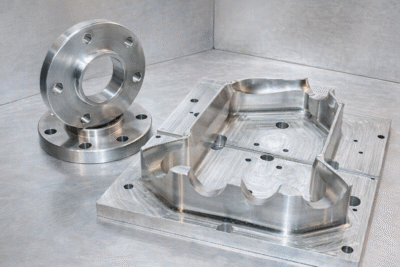
Aluminum is one of the most widely used corrosion-resistant metals across industries. When exposed to air, aluminum forms a thin but extremely hard layer of aluminum oxide, which protects the base metal from further oxidation.
Key Advantages of Aluminum
Excellent corrosion resistance
Lightweight with good strength
Non-magnetic
High electrical and thermal conductivity
Easy to machine, form, and fabricate
Common Aluminum Grades
6061-T651: General-purpose CNC machining and fabrication alloy
7075-T651: High-strength aerospace aluminum
5052-H32: Superior formability for sheet metal parts
AlSi10Mg: Popular aluminum alloy for metal 3D printing
Surface Treatments
While aluminum resists corrosion naturally, anodizing is often applied to improve durability, wear resistance, and appearance.
Typical Applications
Electronics housings
Machinery components
Aerospace structures
Enclosures and brackets
Scientific instruments
Titanium: Exceptional Corrosion Resistance with High Strength
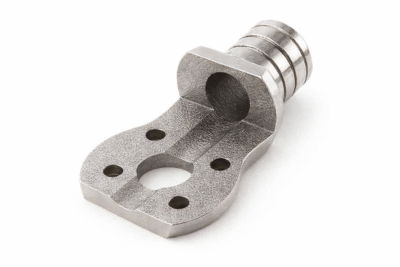
Titanium is known for its outstanding strength-to-weight ratio and near-unmatched corrosion resistance. It forms a stable titanium oxide layer that protects it in extreme environments, including saltwater and many chemical exposures.
Why Choose Titanium?
Strong as steel but nearly half the weight
Superior corrosion resistance
Resistant to acids, saltwater, and chemicals
Biocompatible
Common Alloy
Ti-6Al-4V: The most widely used titanium alloy in machining and 3D printing
Typical Applications
Medical implants
Aerospace engines and structures
Power generation components
High-performance industrial parts
Titanium is more expensive than aluminum or stainless steel, but its performance often justifies the cost in critical applications.
Stainless Steel: A Balanced Solution for Strength and Corrosion Resistance
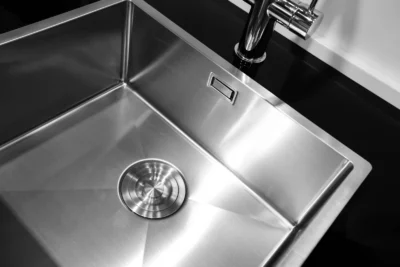
Stainless steel earns its name from chromium, which reacts with oxygen to form a protective chromium oxide layer. This makes stainless steel one of the most versatile corrosion-resistant materials available.
Common Stainless Steel Grades
303: Excellent machinability, moderate corrosion resistance
304 / 304L: General-purpose stainless steel
316 / 316L: Enhanced corrosion resistance due to molybdenum
17-4 PH: High strength, heat-treatable stainless steel
Typical Applications
Food and medical equipment
Chemical processing components
Aerospace and petrochemical parts
Structural and mechanical assemblies
Stainless steel offers an excellent balance of cost, strength, and corrosion performance.
Cobalt Chrome: Wear-Resistant and Biocompatible
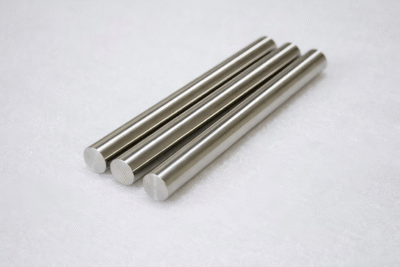
Cobalt chrome alloys provide superior wear resistance and corrosion performance, particularly in demanding environments.
Key Properties
Higher strength and wear resistance than stainless steel
Excellent corrosion resistance
Biocompatible
Common Alloy
Co28Cr6Mo, typically produced via metal 3D printing
Typical Applications
Medical implants and prosthetics
Engine and furnace components
High-wear industrial parts
Inconel: Extreme Corrosion Resistance at High Temperatures
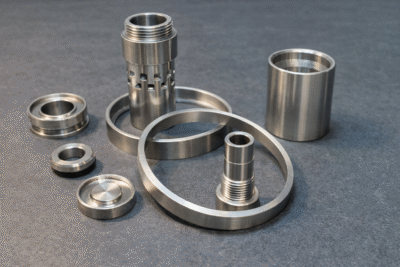
Inconel is a nickel-based superalloy designed for environments involving extreme heat, pressure, and corrosion.
Why Inconel Stands Out
Retains strength up to 1,300°F (700°C)
Excellent oxidation and corrosion resistance
Precipitation-hardenable
Common Alloy
Inconel 718
Typical Applications
Aerospace engines
Gas turbines
Energy and chemical processing equipment
Due to machining difficulty, Inconel is often produced using metal 3D printing (DMLS).
Brass: Easy Machining with Reliable Corrosion Resistance
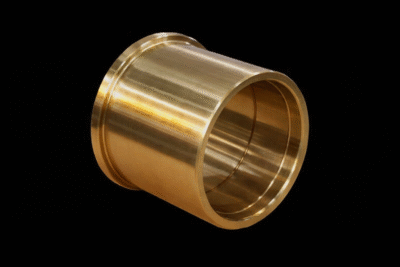
Brass, an alloy of copper and zinc, offers good corrosion resistance combined with excellent machinability.
Common Brass Grades
C360: Free-cutting brass for high-volume machining
C260: Cartridge brass with excellent formability
Typical Applications
Plumbing fittings
Electrical connectors
Bearings and fasteners
Decorative and functional components
Copper: Conductivity with Natural Protection
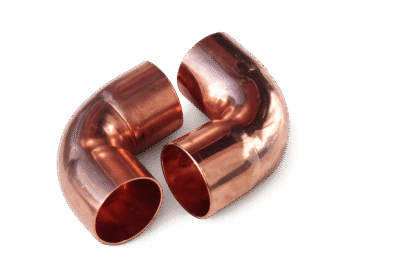
Copper does not rust like steel. Instead, it forms a patina—a blue-green copper carbonate layer that protects the metal underneath.
Key Advantages
Exceptional electrical conductivity
Excellent thermal conductivity
Natural antimicrobial properties
Common Grades
C101
C110
Typical Applications
Heat exchangers
Electrical and electronic components
EMI shielding
Medical and hospital equipment
Manufacturing Methods for Corrosion-Resistant Metals
Corrosion-resistant metals can be produced using:
CNC turning and milling
Sheet metal fabrication
Metal 3D printing (DMLS)
Each material has different machinability and processing considerations that affect lead time and cost.
When Surface Treatments Are Still Necessary
Even corrosion-resistant metals often benefit from additional treatments:
Anodizing for aluminum
Passivation for stainless steel
Coatings for enhanced chemical or wear resistance
These processes extend service life and improve performance.
Alternatives: Polymers and Treated Steels
In some cases:
Engineering plastics may replace metal entirely
Carbon steel can be coated or plated for corrosion resistance
These options may reduce cost when environmental exposure is limited.
How to Choose the Right Corrosion-Resistant Metal
To select the optimal material:
Define the operating environment
Identify mechanical and thermal requirements
Balance performance with budget
Consult material data sheets and manufacturing experts
Conclusion: Design for Durability from the Start
Corrosion is unavoidable—but failure is not. By selecting the right corrosion-resistant metal and manufacturing process, engineers and buyers can dramatically extend part life, reduce maintenance costs, and improve product reliability.
Whether you need CNC-machined aluminum parts, stainless steel components, or metal 3D printed superalloys, choosing the right material early in the design phase is the key to long-term success.
If you are evaluating materials for your next project, working with an experienced manufacturing partner can help you optimize both performance and cost.
FAQs
1. What is the most corrosion-resistant metal?
Titanium is widely considered the most corrosion-resistant metal for industrial applications. It forms a stable titanium oxide layer that protects it from saltwater, acids, and many harsh chemicals. For extreme temperatures, nickel-based alloys such as Inconel also offer exceptional corrosion resistance.
2. Which metal is best for corrosion resistance and CNC machining?
Aluminum (especially 6061) and stainless steel (303 or 304) provide the best balance between corrosion resistance and machinability. They are easy to CNC machine, widely available, cost-effective, and suitable for most industrial and commercial environments.
3. Does stainless steel rust over time?
Stainless steel does not rust in the same way as carbon steel, but it can corrode under certain conditions. Chlorides, saltwater, and poor surface treatment can compromise its protective chromium oxide layer. Passivation and proper material selection (such as 316 stainless steel) significantly improve corrosion resistance.
4. Is aluminum corrosion resistant for outdoor use?
Yes, aluminum is naturally corrosion resistant due to its aluminum oxide passivation layer. For outdoor or marine environments, anodizing is recommended to enhance durability, improve wear resistance, and extend service life.
5. What is the difference between corrosion resistance and rust resistance?
Rust resistance specifically refers to iron-based metals resisting iron oxide formation. Corrosion resistance is broader and applies to all metals, including aluminum, titanium, copper, and stainless steel, which corrode differently but often form protective surface layers instead of flaking rust.
6. Do corrosion-resistant metals still need surface treatments?
In many applications, yes. While metals like aluminum and stainless steel resist corrosion naturally, surface treatments such as anodizing, passivation, or coating are often applied to improve longevity, appearance, and performance in aggressive environments.
7. What metal is best for marine or saltwater environments?
Titanium and 316 stainless steel are excellent choices for marine and saltwater applications. Both materials resist chloride-induced corrosion, making them suitable for offshore, coastal, and marine equipment.
8. How do I choose the right corrosion-resistant metal for my project?
The right metal depends on the operating environment, mechanical requirements, manufacturing method, and budget. Factors such as humidity, chemicals, temperature, weight, and machining complexity should all be considered. Consulting material data sheets and experienced manufacturing engineers helps ensure the optimal choice.