 (+035) 527-1710-70
 NEWSLETTER

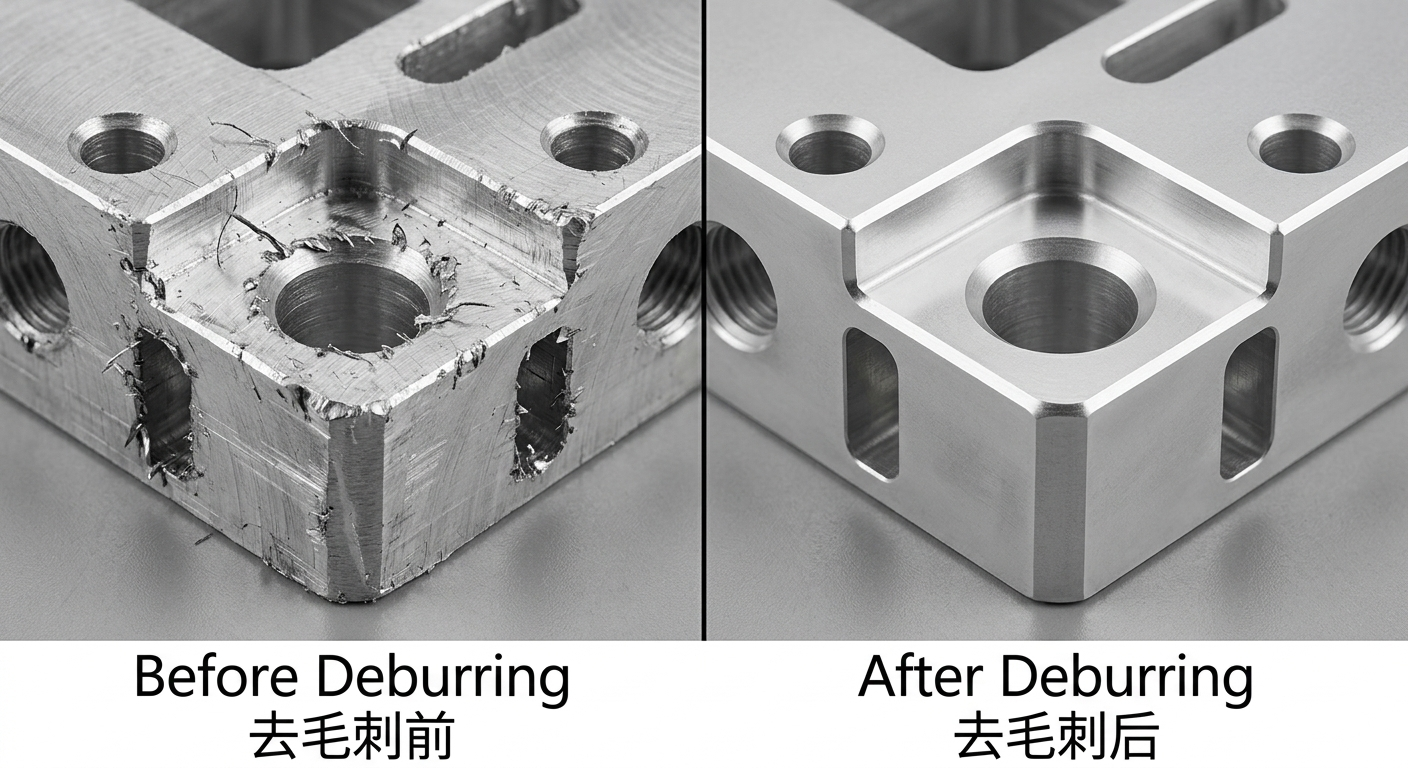
Achieving clean edges and precise dimensions is essential for both product performance and safety. However, during machining and cutting operations, an unwanted by-product called a burr often appears along the edges of metal parts.
Burrs may look small and insignificant, but they can create serious problems in manufacturing, assembly, and product reliability. For this reason, manufacturers rely on various deburring methods to remove these rough edges and produce smooth, high-quality components.
In this guide, we will explain what a burr is, why it forms during manufacturing, and the most effective deburring techniques used in industrial production.
1. What Is a Burr?
A burr is a small piece of unwanted material that remains attached to a metal surface after machining, cutting, drilling, or punching operations.
In simple terms, a burr is the rough edge, ridge, or raised material left behind when metal is cut or deformed during manufacturing.
Burrs are particularly common in:
Drilling operations
Laser cutting processes
They typically appear along cut edges, hole openings, and machined surfaces.
Although burrs are usually thin and small, they can significantly affect the functionality, safety, and appearance of a finished part.
2. How Burrs Are Formed in Metal Manufacturing
Burrs are created when material is plastically deformed instead of being completely removed during a cutting or machining process.
When a cutting tool interacts with metal, the material undergoes stress and deformation. Ideally, the material separates cleanly. However, in many cases, part of the material is pushed outward or bent rather than cut, forming a burr.
Several factors influence burr formation:
Tool Geometry
The shape, sharpness, and condition of the cutting tool affect how cleanly the material separates.
Material Properties
Some metals are more prone to burr formation than others. For example:
Soft materials such as aluminum tend to create larger burrs.
Harder materials like stainless steel may produce smaller but sharper burrs.
Cutting Parameters
Factors such as:
Cutting speed
Feed rate
Tool wear
Cutting temperature
all influence whether burrs will form.
Material Thickness
Thin sheet metal often produces burrs on the exit side of the cut.
3. Why Burrs Are a Problem for Metal Parts
Although burrs may appear minor, they can create multiple issues in industrial production.
Safety Risks
Sharp edges can cause injuries during handling, assembly, or installation. Removing burrs reduces workplace hazards for operators and technicians.
Reduced Mechanical Performance
Burrs create stress concentration points that can lead to:
Cracks
Fatigue failure
Reduced durability
Assembly Problems
Burrs can interfere with component assembly by:
Preventing proper fitting
Damaging mating surfaces
Blocking holes or threads
Increased Corrosion Risk
Because burrs often create thin and uneven metal areas, they are more susceptible to corrosion.
Surface Finishing Issues
Burrs can disrupt processes such as:
Powder coating
Electroplating
Anodizing
Painting
For these reasons, deburring is a critical step in many manufacturing processes.
4. Manufacturing Processes That Produce Burrs
Burr formation occurs in many machining and fabrication operations.
Machining Processes
Several common machining processes produce burrs:
Milling
Rotating cutting tools remove material but may leave raised edges on the exit side of cuts.
Drilling
Drilled holes frequently produce burrs at the hole exit.
Turning
During CNC turning operations, burrs may form along edges where tools exit the workpiece.
Engraving
Fine engraving operations can leave small metal fragments on edges.
Sheet Metal Cutting Processes
Burrs are especially common in sheet metal fabrication.
Laser Cutting
Laser cutting produces high precision cuts, but burrs can form depending on:
Cutting speed
Gas pressure
Material thickness
Plasma Cutting
Because of the intense heat involved, plasma cutting often leaves noticeable burrs.
Punching
Punching tools create burrs on the die side of the sheet metal.
Shearing
Shearing can leave rough edges depending on blade condition and clearance.
Blanking
In blanking operations, burrs often appear along the edge of the blanked part.
5. Major Deburring Methods and Technologies
There are dozens of deburring techniques used in industrial manufacturing. The following are some of the most widely used methods.
Manual Deburring
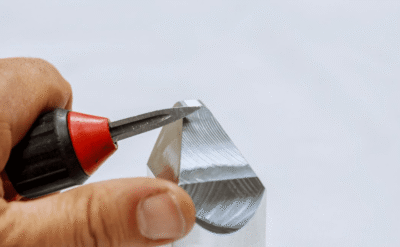
Manual deburring is the oldest and simplest technique used to remove burrs.
Operators use tools such as:
Deburring knives
Files
Sandpaper
Abrasive stones
Advantages
Highly flexible
Low equipment cost
Suitable for prototypes
Limitations
Labor intensive
Slow for large production volumes
Requires skilled operators
Punch Deburring
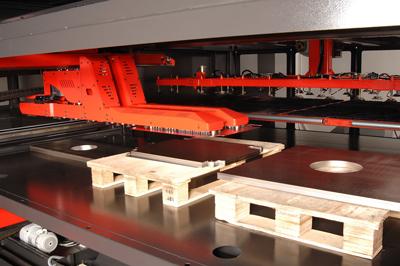
Punch deburring removes burrs using secondary punching operations.
Specialized dies are used to trim excess material.
Advantages
Higher productivity than manual deburring
Consistent results
Limitations
Requires custom tooling
Not ideal for complex shapes
Hole Deburring
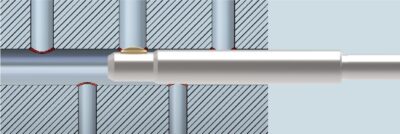
Hole deburring tools are designed to remove burrs inside drilled holes.
These tools typically use spring-loaded cutting edges that automatically adjust to the hole diameter.
Advantages
Fast and efficient
High-quality chamfering
Limitations
Only applicable to hole edges
Brushing Deburring

Brushing uses abrasive brushes mounted on machines to remove burrs.
These brushes may contain:
Steel filaments
Nylon abrasive filaments
Ceramic abrasives
Advantages
Suitable for complex parts
Can be automated
Cost-effective
Limitations
Multiple brushes may be required
Tool changing may be needed
Electrochemical Deburring
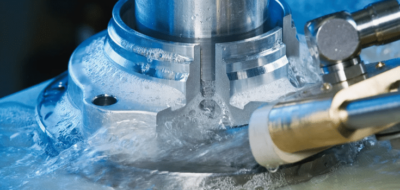
Electrochemical deburring removes burrs using electrical current and electrolyte solutions.
The process dissolves the burr without affecting surrounding material.
Advantages
Extremely precise
Works in hard-to-reach areas
No mechanical wear
Limitations
Higher equipment cost
Requires specialized tooling
Tumbling (Vibratory Deburring)
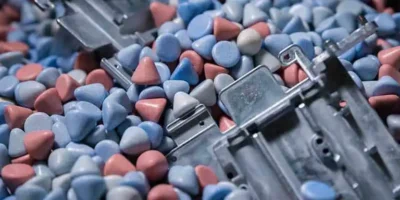
In this process, parts are placed inside a vibrating container filled with abrasive media.
As the container vibrates, the media rub against the parts and remove burrs.
Advantages
Excellent surface finishing
Suitable for large batches
Removes multiple imperfections
Limitations
Requires specialized equipment
Media selection is important
Grinding and Rolling
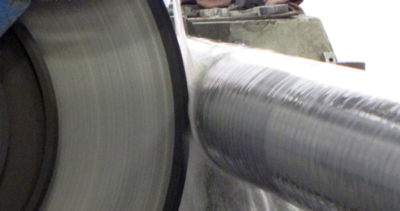
Grinding and rolling remove burrs using mechanical force from abrasive wheels or rollers.
Advantages
Fast processing speed
Suitable for high production volumes
Limitations
May require additional finishing steps
Thermal Deburring
Thermal deburring, also called the Thermal Energy Method (TEM), removes burrs through controlled combustion.
A mixture of oxygen and fuel gas creates a short, intense burst of heat that burns away burrs.
Advantages
Removes burrs from multiple surfaces simultaneously
Ideal for complex parts
High productivity
Limitations
Oxide residues may need cleaning
Some parts require protective measures
6. How to Choose the Right Deburring Method
Selecting the best deburring method depends on several factors:
Part Geometry
Complex shapes may require automated or electrochemical deburring.
Material Type
Different metals respond differently to mechanical and chemical processes.
Burr Size
Large burrs may require mechanical removal before finishing.
Production Volume
Small batches: manual deburring
Large batches: automated processes
Surface Finish Requirements
High-end applications may require precise finishing methods.
7. Best Practices to Reduce Burr Formation
The most cost-effective strategy is preventing burr formation during manufacturing.
Manufacturers can minimize burrs by:
Using sharp cutting tools
Optimizing machining parameters
Selecting proper cutting methods
Designing parts for manufacturability
Maintaining machine accuracy
Working with an experienced manufacturer can significantly reduce the need for extensive deburring.
8. Conclusion
Burr formation is a common challenge in metal manufacturing. While it cannot always be completely avoided, proper deburring techniques ensure that parts meet quality, safety, and performance standards.
Different deburring technologies—ranging from manual finishing to advanced thermal and electrochemical methods—allow manufacturers to remove burrs efficiently based on production needs.
When selecting a manufacturing partner, it is important to choose a company with strong machining capabilities and professional deburring processes to ensure high-quality, ready-to-use components.
If you are sourcing precision metal parts, CNC machining, or sheet metal fabrication, working with a supplier experienced in burr control and deburring can help guarantee smooth edges, reliable performance, and consistent quality.