 (+035) 527-1710-70
 NEWSLETTER

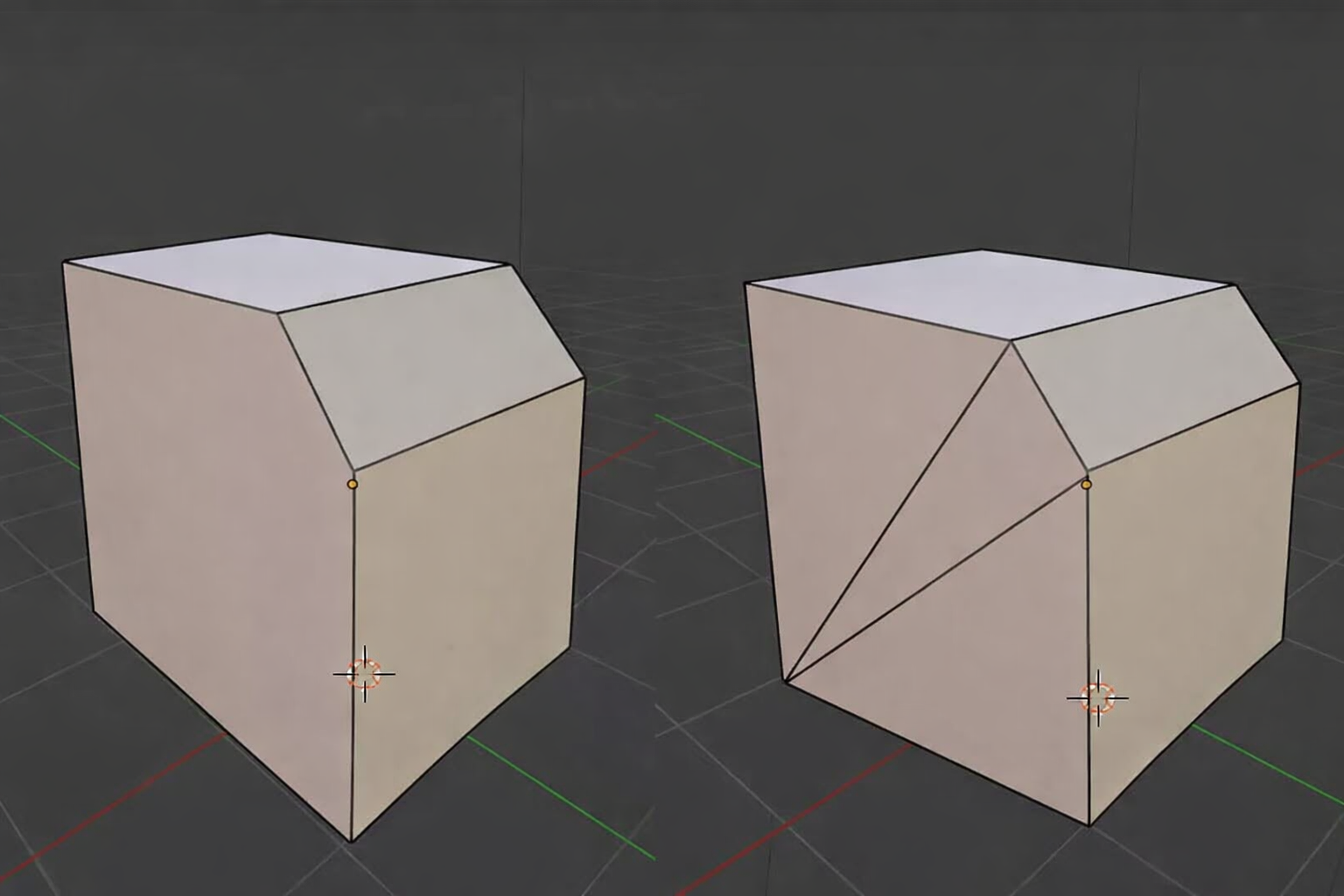
1. What Is Beveling? (Quick Answer)
Beveling is a machining or finishing process that removes material from an edge to create an angled surface (typically not 90°) between two faces. This angled edge—called a bevel—improves assembly, enhances safety, and increases structural performance in many engineering applications.
In simple terms:
👉 A bevel turns a sharp corner into a controlled angled surface for better fit, strength, and appearance.
2. How Beveling Works
Beveling is achieved by cutting, grinding, or machining material at a specified angle. The angle and depth depend on functional requirements such as weld penetration, part alignment, or stress reduction.
Common Beveling Processes
CNC Machining – High precision, ideal for metal components
Grinding – Used for finishing and fine edge control
Laser Cutting / Plasma Cutting – Common in sheet metal beveling
Manual or Automated Chamfering Tools
Materials Suitable for Beveling
Metals: stainless steel, aluminum, carbon steel
Plastics: ABS, nylon, polycarbonate
Ceramics and composites
Wood (in furniture and construction)
3. Why Beveling Is Important in Manufacturing
Beveling is not just cosmetic—it plays a critical functional role in modern manufacturing:
1. Improves Assembly Efficiency
Guides parts into position
Reduces misalignment during installation
2. Enhances Weld Quality
Creates space for filler material
Improves weld penetration and bonding strength
3. Reduces Stress Concentration
Eliminates sharp corners
Distributes load more evenly
4. Improves Safety
Removes sharp edges
Reduces injury risk during handling
5. Enhances Product Appearance
Gives a refined, engineered look
Improves perceived quality
4. Applications of Beveling in Engineering
Beveling is widely used across industries:
Automotive
Gears, shafts, brackets
Improves fatigue resistance
New Energy
Battery components
Structural connectors
Machinery & Equipment
Precision mechanical parts
Tooling systems
Piping & Welding Systems
Pipe ends for welding
Pressure vessels
Electronics & Connectors
Terminal edges for safer assembly
Improved insertion and alignment
5. Types of Bevels
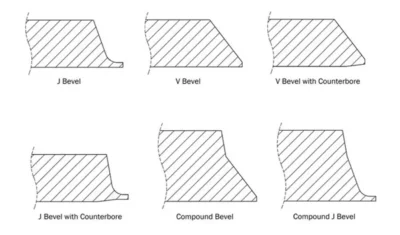
Understanding bevel types helps engineers select the right design.
5.1 Plain Bevel
Single-angle edge
Most common and cost-effective
Used for general machining and assembly
5.2 J-Prep Bevel
J-shaped groove for welding
Provides deeper weld penetration
Used in high-strength applications
5.3 J-Prep with Back Bevel
Adds a secondary bevel
Improves weld access and inspection
Increases joint strength
5.4 Compound Bevel
Multiple angles on one edge
Used for complex geometries
Common in precision machining
5.5 Compound J-Prep with Back Bevel
Advanced welding preparation
Maximum strength and durability
Used in critical industries (pressure vessels, infrastructure)
6. Bevel vs Chamfer vs Fillet
Understanding the difference is essential for design optimization:
| Feature | Bevel | Chamfer | Fillet |
| Shape | Angled surface | Typically 45° cut | Rounded edge |
| Purpose | Strength + function | Ease assembly | Stress reduction |
| Usage | Welding, machining | Fasteners, edges | Structural parts |
👉 Key Insight:
Use bevels for welding and strength
Use chamfers for quick assembly
Use fillets for stress distribution
7. Benefits of Beveling
Mechanical Benefits
Reduces stress concentration
Improves fatigue resistance
Manufacturing Benefits
Easier assembly
Better weld quality
Safety Benefits
Eliminates sharp edges
Reduces handling risks
Aesthetic Benefits
Clean, professional finish
Higher perceived product value
8. Disadvantages of Beveling
Despite its benefits, beveling has trade-offs:
Additional manufacturing cost
Requires extra processing steps
May lead to material loss
Not suitable where sharp edges are required
👉 However, in most industrial applications, the performance benefits outweigh the cost.
9. Beveling in Welding Applications
Beveling is essential in welding for achieving strong, reliable joints.
Key Advantages
Increased weld penetration
Larger weld area
Improved fusion between materials
Better weld profile control
👉 Result: Stronger, more durable joints with fewer defects
10. Beveling in Pipe Ends
Pipe beveling is critical in industries like oil & gas, construction, and energy.
Benefits
Easier pipe alignment
Stronger weld joints
Reduced leakage risk
Less rework after welding
11. Beveling in Gear Systems
Beveling improves gear performance significantly:
Enhances gear engagement
Reduces friction and wear
Improves load distribution
Minimizes noise and vibration
👉 Especially important in high-speed and heavy-load systems
12. FAQs
1. What is beveling in machining?
Beveling is the process of creating an angled edge on a workpiece to improve assembly, safety, or performance.
2. What angle is a bevel?
Bevel angles vary depending on application, commonly ranging from 30° to 60°.
3. Is bevel the same as chamfer?
No. A chamfer is usually a 45° cut, while a bevel can be any angle and often serves structural purposes.
4. Why is beveling important in welding?
It improves weld penetration, increases joint strength, and ensures better fusion between materials.
5. Can CNC machines perform beveling?
Yes. CNC machining is one of the most precise and widely used methods for beveling.
13. Conclusion: Why Beveling Matters for Your Manufacturing Projects
Beveling is a small design feature with a major impact. It improves:
Product performance
Assembly efficiency
Structural strength
Safety and appearance
For industries like automotive, new energy, and precision connectors, beveling is often a critical requirement—not an option.
🚀 Need High-Precision Beveled Parts?
If you are sourcing custom metal parts or connector terminals with precise bevel requirements, choosing the right manufacturer is key.
At Sochain Precision, we provide:
High-speed stamping & CNC machining
Precision beveling for terminals and metal components
In-house tooling for cost and lead-time control
Stable mass production for global clients
👉 Send us your drawings today for a fast quotation and engineering support.