 (+035) 527-1710-70
 NEWSLETTER
CNC Turning Service
Precision CNC Turning for Functional Prototypes and Production Parts
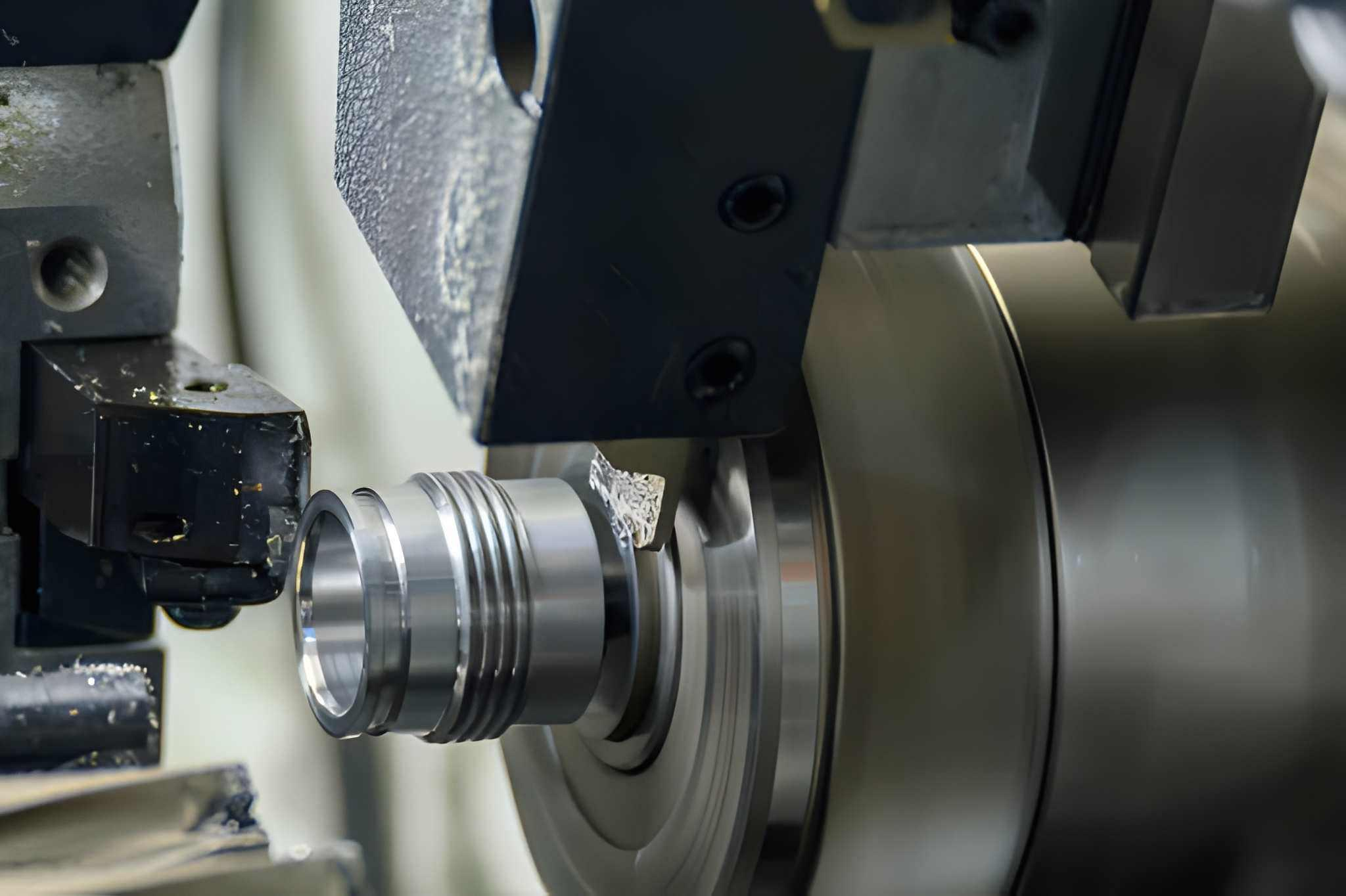
CNC turning is used when parts must rotate, fit, and perform optimally in real assemblies. These parts are not visual samples. They operate under torque, pressure, vibration, and repeated motion. Dimensional stability and concentricity matter more than appearance.
Most functional problems appear during shaft assembly, bearing installation, or press-fit operations. Typical issues include poor roundness, inconsistent diameters, incorrect thread engagement, and runout between features. CNC turning helps resolve these issues early, before tooling and production volumes lock them in.
At Sochain Precision, CNC turning starts with production intent. We carefully evaluate the datums, chucking strategy, and tool paths match before production commencement. This ensures that prototypes remain valid when production begins.
Rapid prototyping and full-scale production
ISO accredited & QC checks
All in-house processes
Used in over 50 countries
FREE Instant quotations
Our CNC Turning Service Capabilities at Sochain Precision
We understand that the workholding and datum control are of significant concern in turning accuracy. Besides, concentricity risk is increased every time a part is rechucked. Therefore, our turning process is designed to have limited setups and a fixed location of reference during machining.
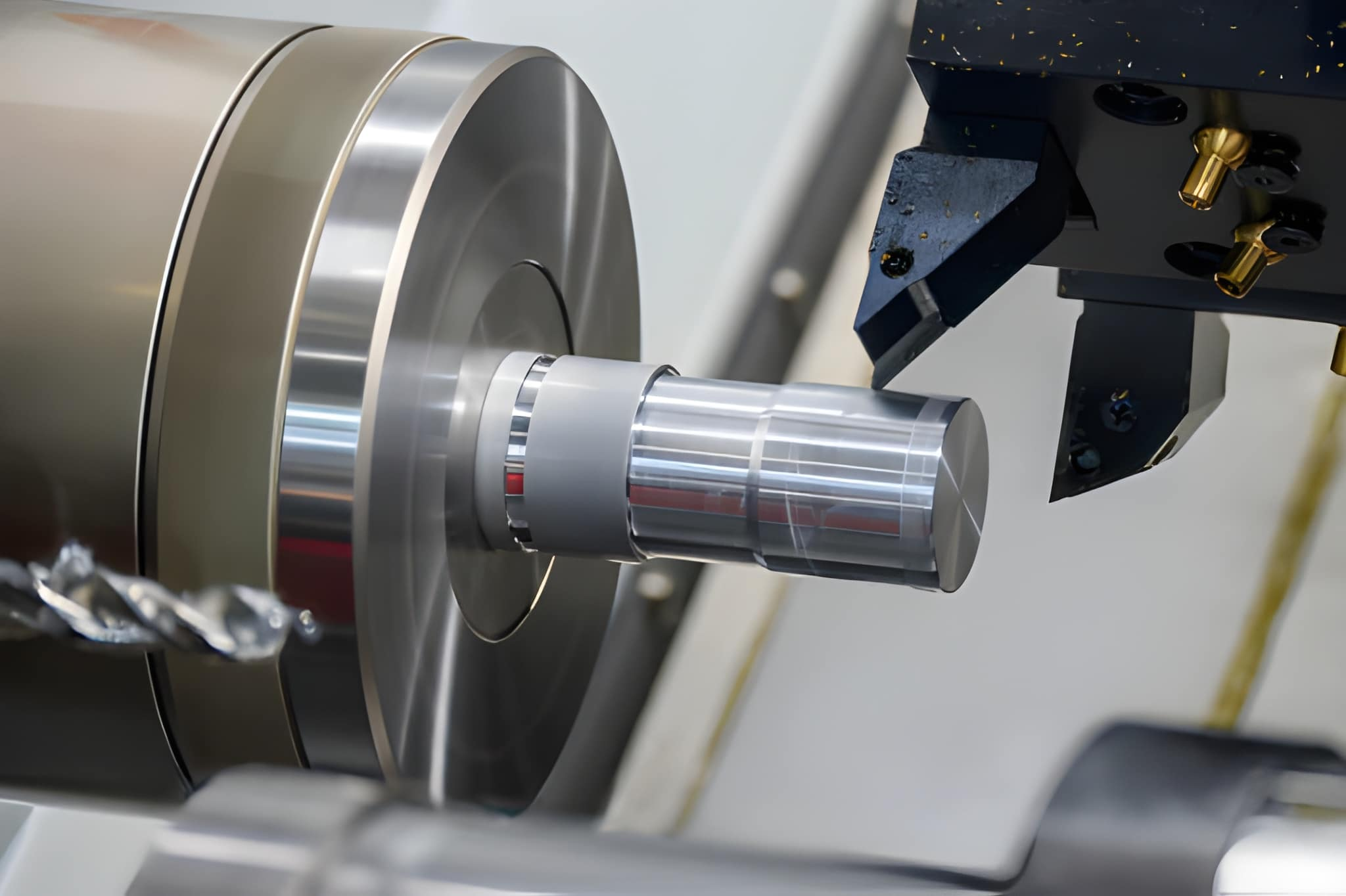
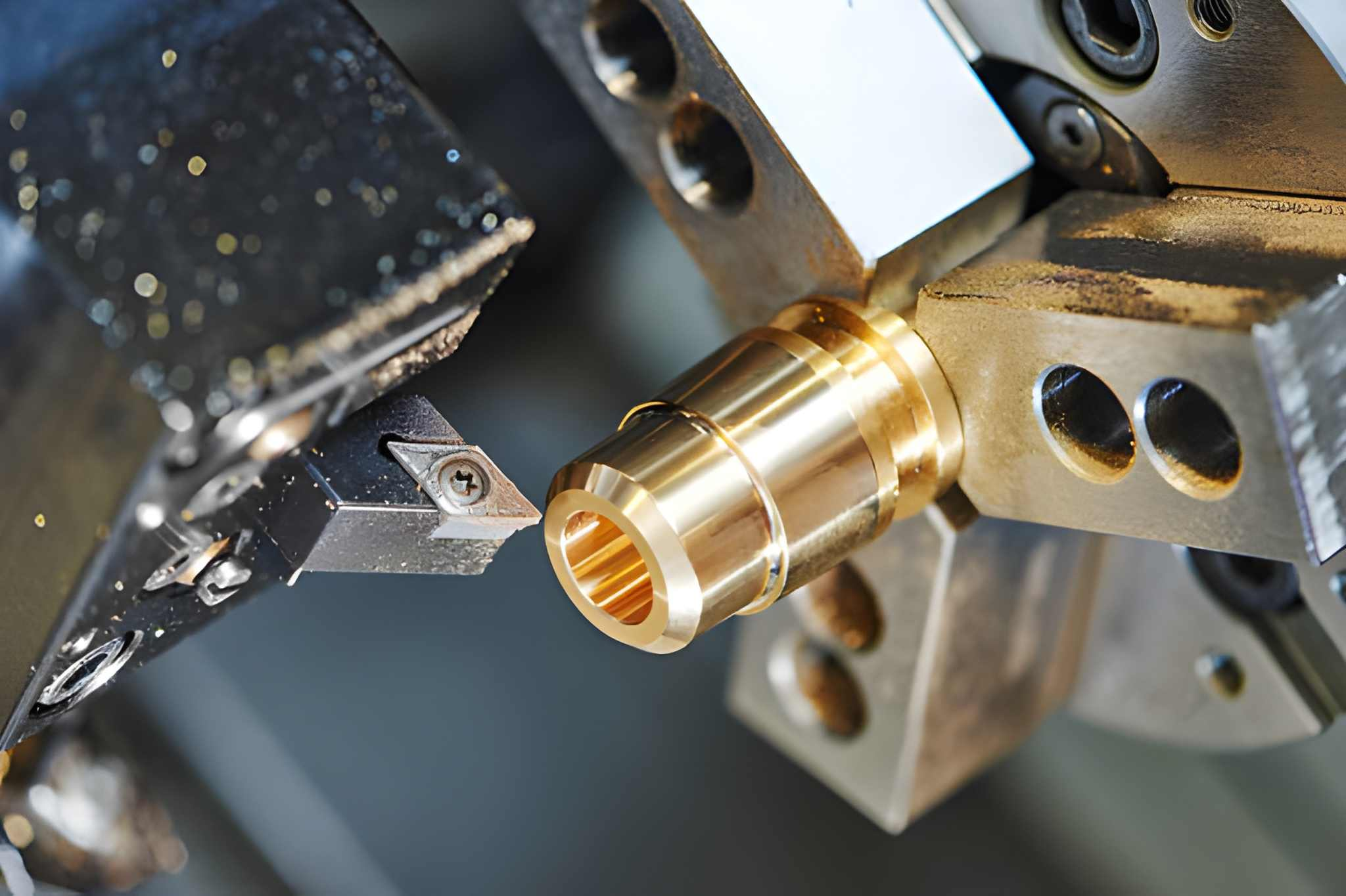
2-Axis CNC Turning Service
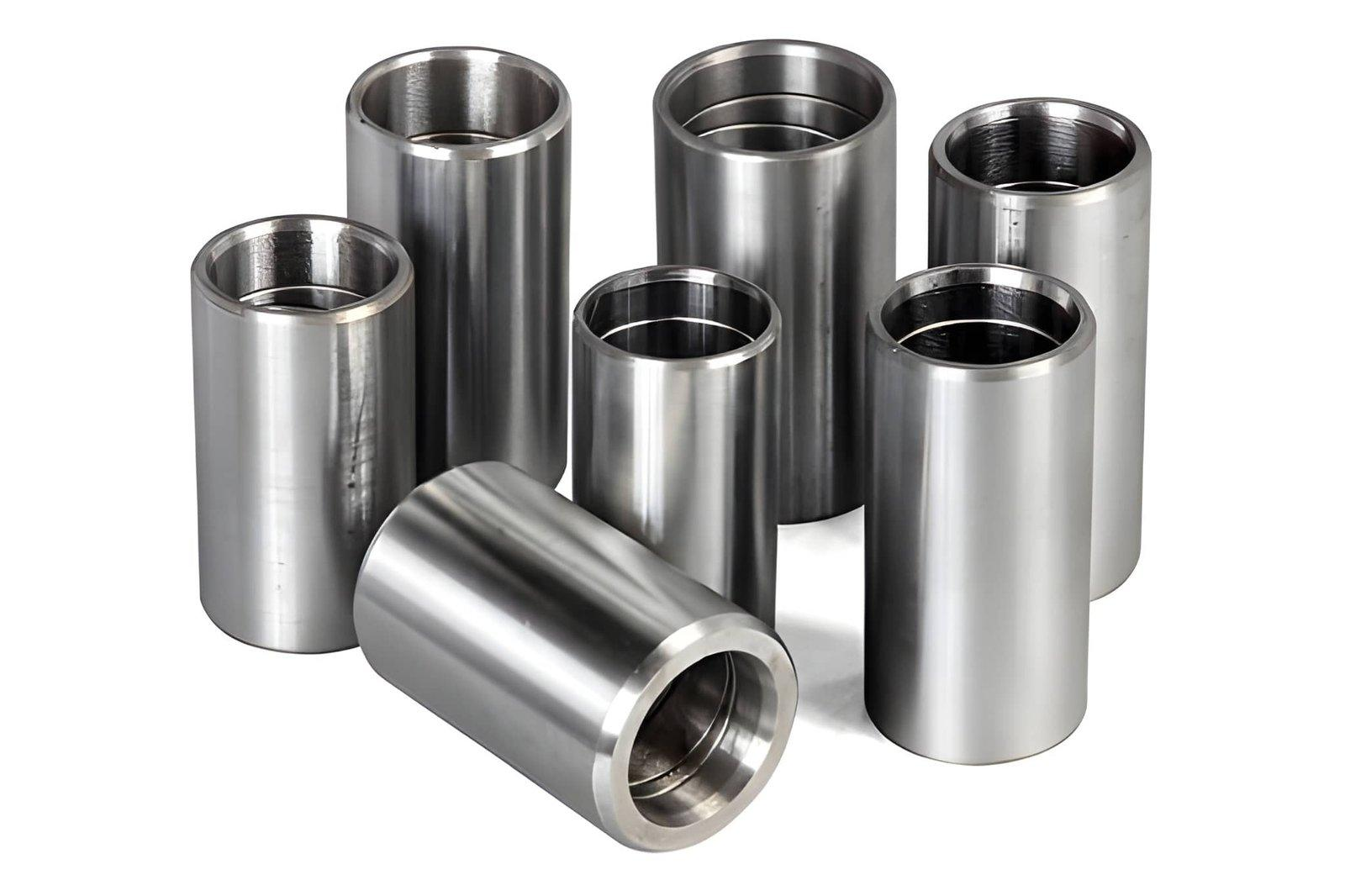
2-Axis CNC turning machines are employed for cutting circularly around the length and the diameter of a rotating part. It is an ideal procedure for straight shafts, bushings, pins, sleeves, and threaded items.
We generally apply 2-axis turning for:
Simple cylindrical partsComponents with the same diameterExtrinsic and intrinsic threadingGrooves and undercutsRoundness and diameter tolerances of +/-0.01 mm are always realized and inspected with proper chucking and tool control.
CNC Turn-Mill (Live Tooling) Service
CNC turn-mill machines are machines that comprise turning and milling with live tools. This enables the flats, cross holes, keyways, and slots to be cut and shaped without taking the part out of the chuck.
This process:
- Ensures concentricity between machined items and milled parts
- Reduces secondary setups
- Enhances localization
- Lowers total machining time
Turn-mill machining is the most appropriate technique of machining rotating and prismatic shafts, connectors, and housings.
Multi-Axis CNC Turning
Multi-axis turning permits machining in more than one orientation. This improves access to geometries with complexities and minimizes the distortion arising due to re-clamping.
This method is normally applied to:
- Aerospace shafts
- Medical components
- Accurate rotating machines.
Single-set machining maintains critical features and characteristics and enhances surface finish on lengthy or narrow components.
Common Materials Used in CNC Turning Service
Material choice directly affects performance testing. Substituting softer materials can hide deformation and wear issues. Inappropriate alloy selection often leads to misleading strength or fatigue results. That’s why we machine the same materials used in final production to ensure realistic testing outcomes.
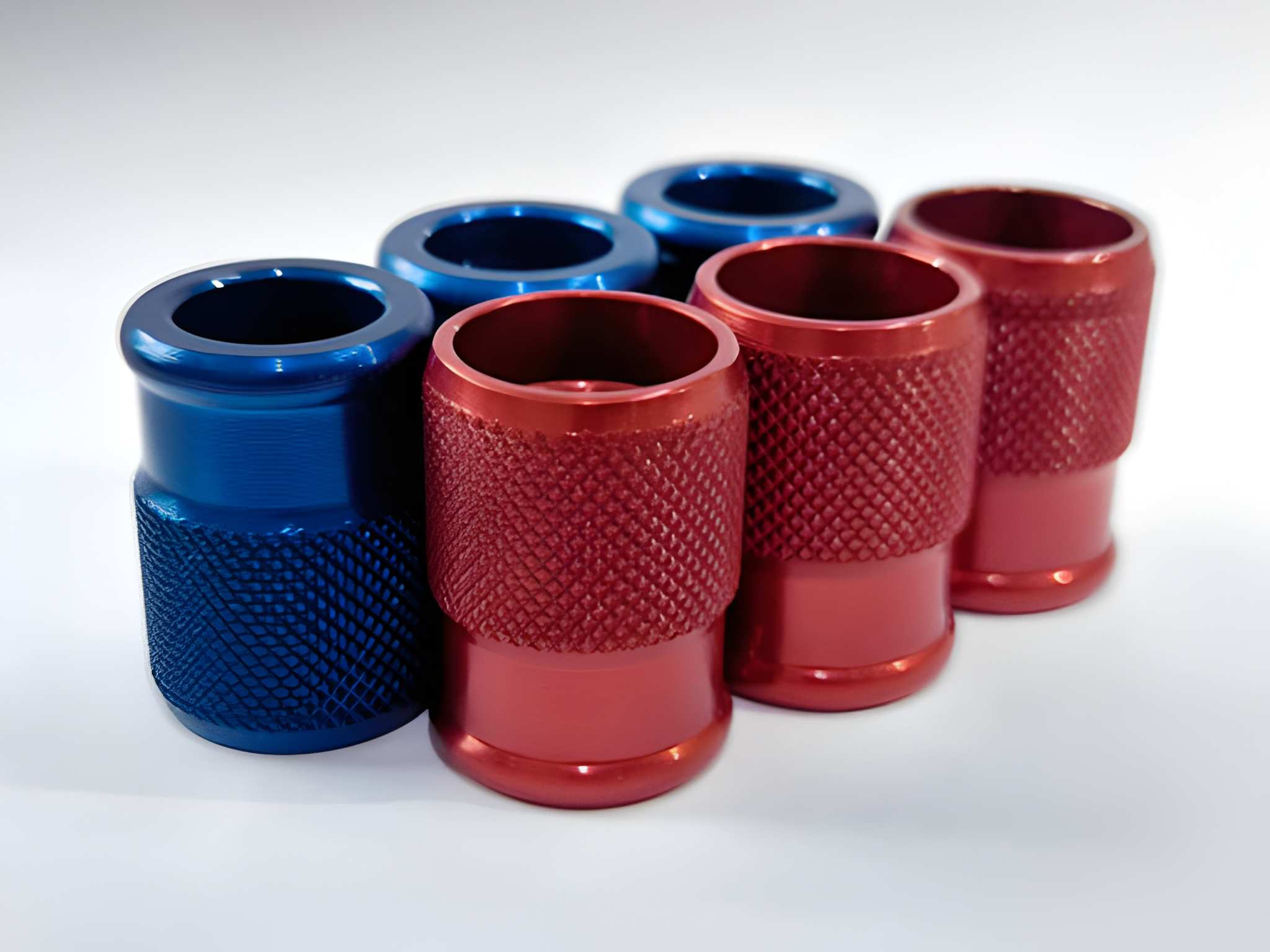
Metals
Aluminum
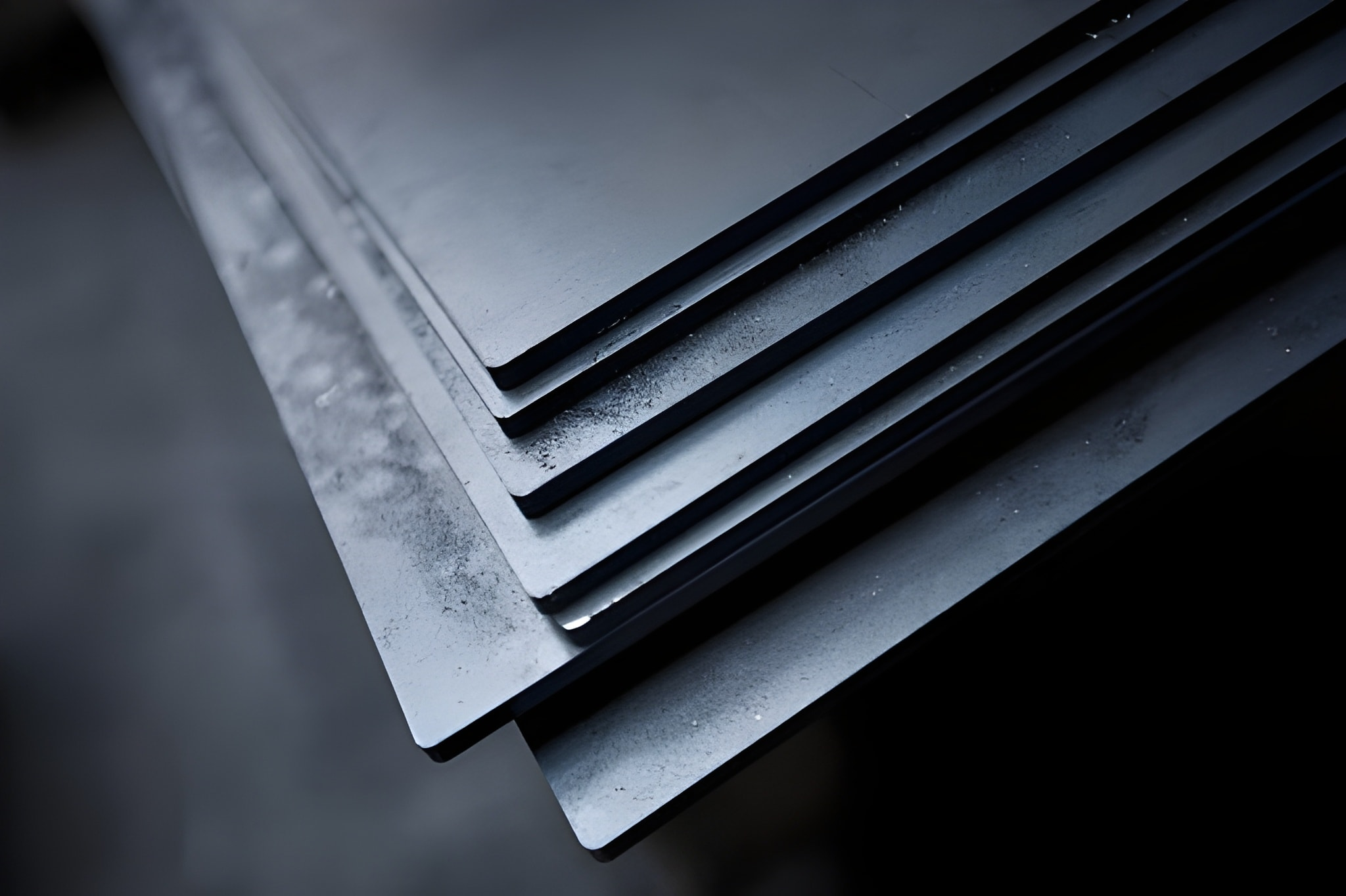
Steel
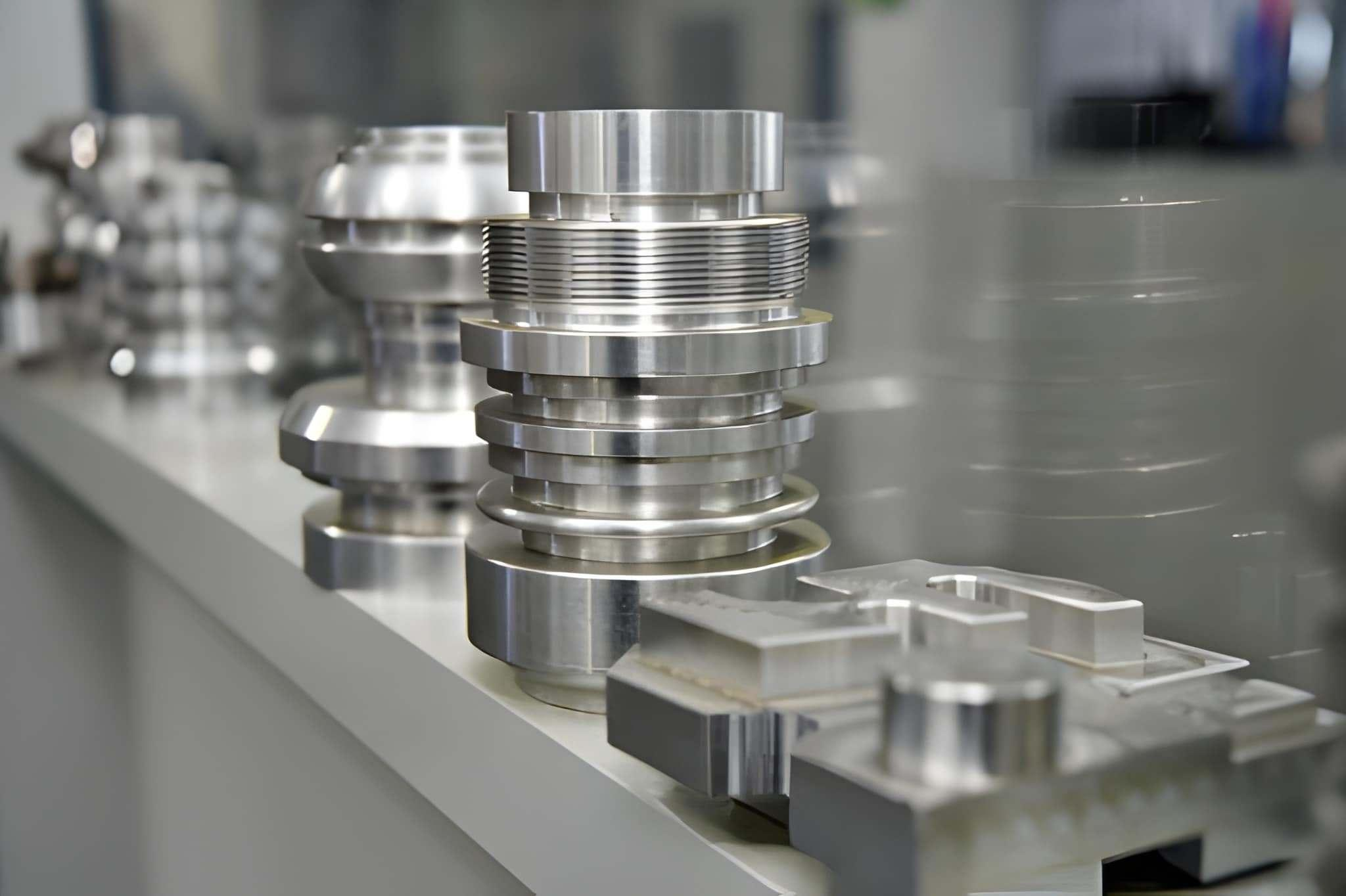
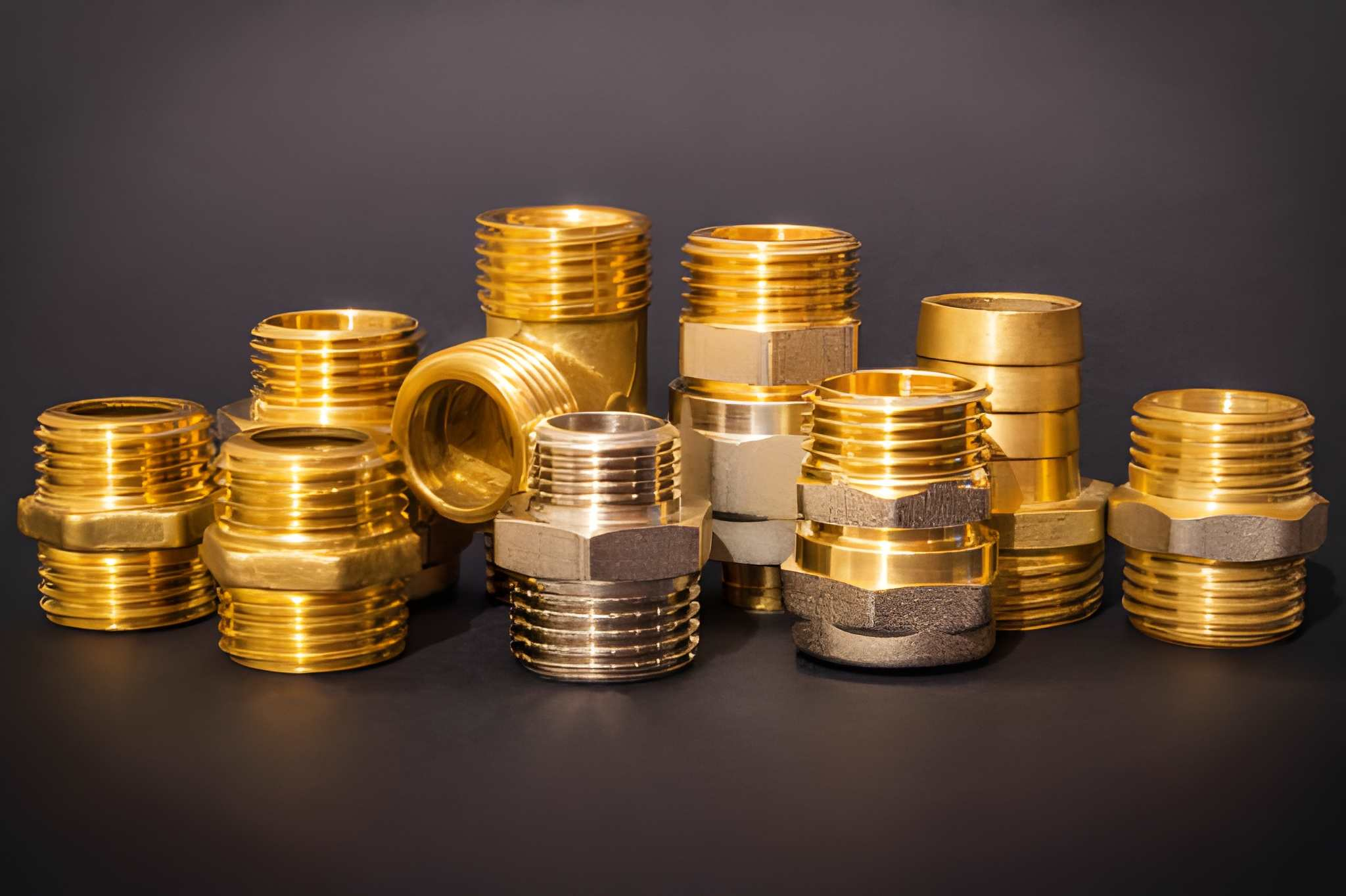
Brass (C360, C260)
Copper (C101, C110)
Electrical contacts, conductive sleeves, and thermal components are made of C101 and C110 copper. Copper CNC turning requires sharp tools and controlled feeds to avoid smearing and tearing the surface.
Titanium (Grade 2, Grade 5 / Ti-6Al-4V)
Grade 2 titanium is used in medical compliant parts like shafts and has good formability. On the other hand, titanium (Grade 5: Ti-6Al-4V) is used for high-strength medical and aerospace components. CNC turning consists of hard systems, low cutting rates, and heat management to ensure accuracy.
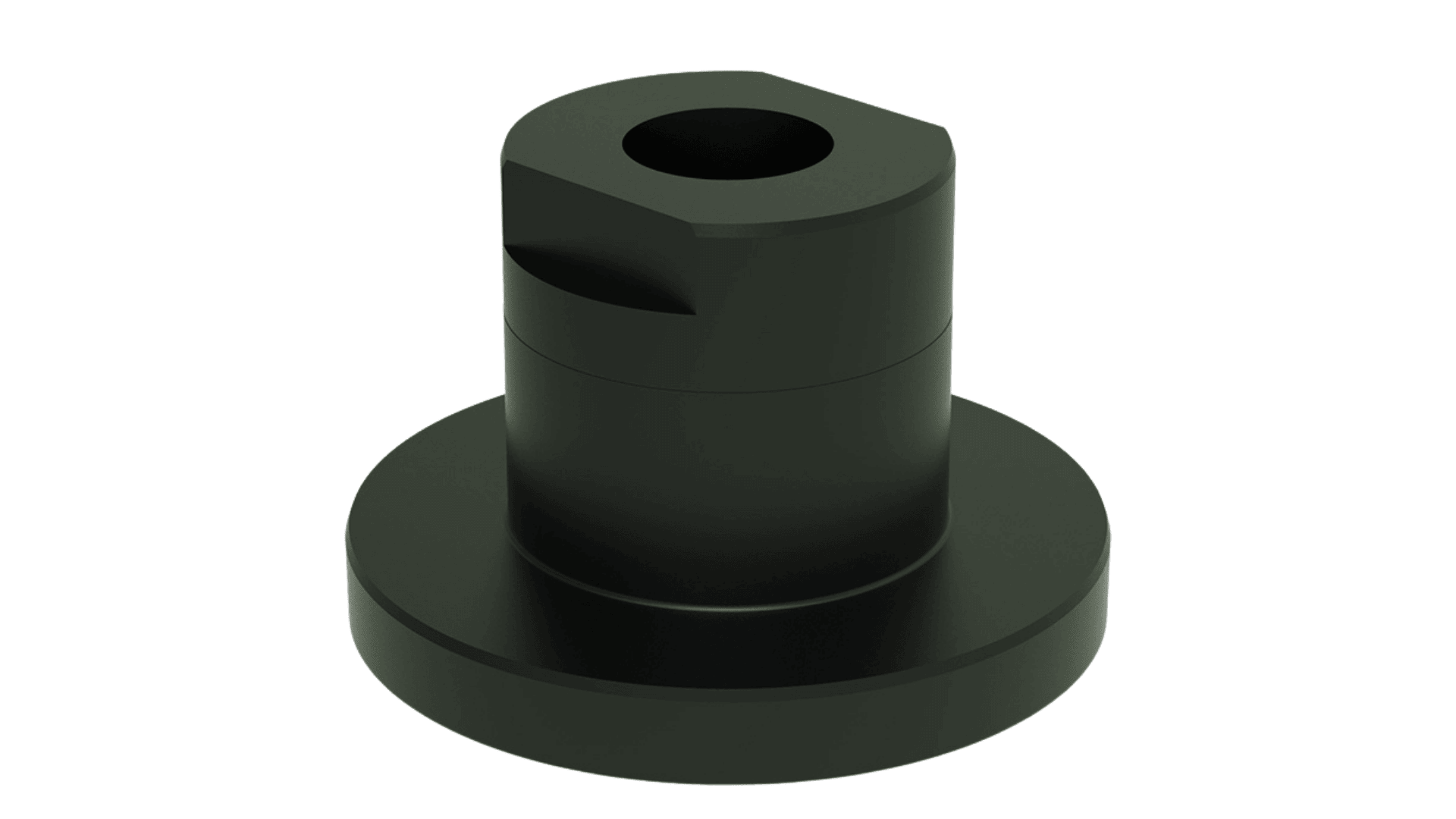
Plastics
Plastics require low cutting forces and controlled heat to prevent distortion.
POM:Bushings, rollers, precision spacersABS:Enclosures, knobs, control componentsNylon (PA6, PA66):Wear sleeves, guidesPEEK:High-temperature and chemical-resistant partsPTFE: Seals, low-friction ringsUHMW-PE: Wear components and impact sleevesCNC Turning Surface Finishes at Sochain Precision
Surface finish directly affects bearing life, friction, sealing, and wear. Finish selection must support function, not aesthetics.
Surface Finish Checklist
Surface Finish
Application
As-turned
Functional testing, cost-effective parts
Polishing
Reduced friction and improved sealing
Anodizing
Corrosion protection for aluminum
Hard anodizing
Wear-resistant sliding surfaces
Electroplating
Improved conductivity and wear resistance
Black oxide
Steel protection with minimal size change
Electropolish
Medical and fluid-contact components
CNC Turning Tolerances and Standards
Excessively tight tolerances increase cost without improving performance. We apply tolerance only where function demands it.
Feature Type
Practical Tolerance
General diameters
±0.02 mm
Bearing seats
±0.01 mm
Press-fit areas
±0.005 mm
Standards Applied
ISO 2768-m for general dimensionsGD&T applied only to functional features such as runout, concentricity, and positionCNC Turning Service From Prototype to Production
CNC turning is often used for prototyping, but treating it as a prototype-only process can create problems during production. Diameter drift, runout variation, and inconsistent fits appear during scale-up.
We prevent this by locking down:
Datum locationsChucking strategyTool selectionMachining sequenceThis ensures dimensions remain consistent from prototype to production.
Rapid CNC Turning for Design Validation
Design validation parts must match the final designs exactly. Thin walls, long overhangs, and fine threads often fail first and must be tested early.
We manufacture validation prototypes using:
Final production materialsProduction-level tolerancesKey checks include:Bearing and bushing fitThread engagementRunout between featuresDeflection under clampingHeat expansion effects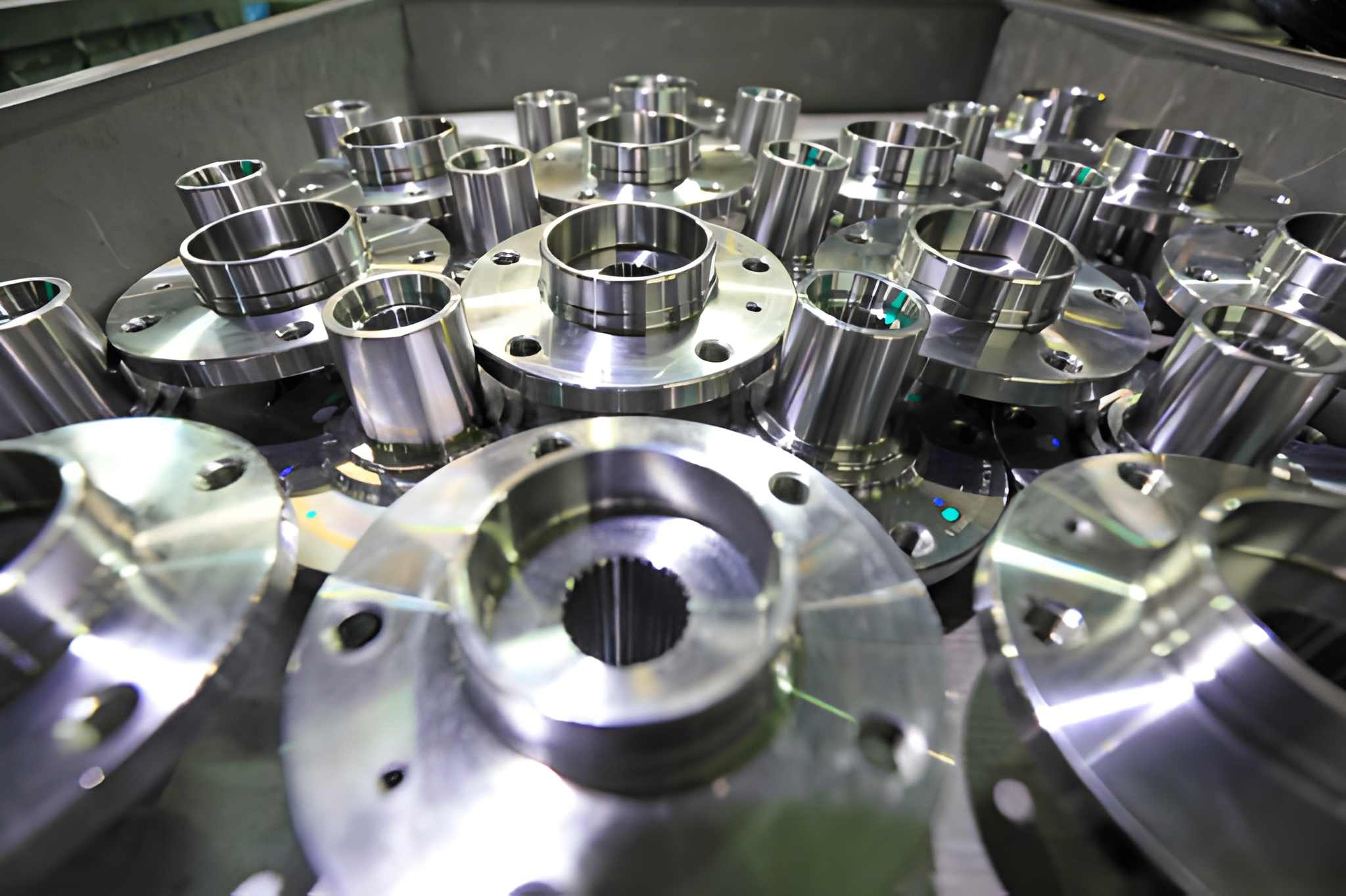
Low-Volume CNC Turning Service
Low-volume production bridges prototyping and full manufacturing. This phase reveals tolerance sensitivity, cycle time, and assembly behavior across multiple units. Typical batch sizes range from 20 to 500 parts, depending on design complexity and material.
Production CNC Turning Service
Once production begins, process stability becomes the priority. Fixtures are hardened, tools standardized, and machining sequences fixed.
Our production control includes:
Tool life monitoringIn-process inspection checkpointsOptional SPC on critical featuresDefined acceptance limitsValidated processes eliminate surprises during scale-up.CNC Prototype Service Tolerances and Standards at Sochain Precision
Automotive
Turned automotive parts are subjected to vibration, thermal cycling, and repeated assembly. The shafts, pins, and spacers should be in alignment, and they should not wear out. We also test our fit and performance with real operating conditions.
Aerospace
Aerospace parts must be highly rigid in concentricity and surface finish. Fatigue failure may occur due to minor flaws. Multi-axis turning is used to pay attention to runout, roundness, and surface integrity.
Medical
Medical components require smoothness and dimensional stability. Inspection records are written down for validity and to trace the products in and out.
Robotics and Automation
Robotics relies upon high-resolution rotational orientation. Minor runout defects decrease precision and decrease service. CNC turning ensures these associations are consistent.
Industrial and Consumer Products
Tight and loose tolerances are common in industrial parts. We only use accuracy where it is necessary in the function and maintain the costs.
Our CNC Turning Service Workflow
Upload CAD Files and Quotation
Engineers review geometry, tolerances, and materials. Unrealistic requirements are flagged early. Quotes reflect real machining effort.
Design for Manufacturability Review
We Assess:
Long slender featuresTight runout requirementsThin wallsOver-specified tolerancesCNC Turning and Process ControlMachining starts from fixed datums. Tool wear and thermal effects are controlled to prevent diameter drift.
Final Inspection and Delivery
Critical dimensions are inspected using calibrated gauges or CMMs when required. Parts are delivered on schedule without rework delays.
Start Your CNC Turning Service With Sochain Precision
Upload your files for review. Our engineers provide direct, practical feedback before machining begins. We focus on one goal: producing parts that work the first time and remain consistent in production.
FAQ’s
CNC turning is used in production-grade metals and plastics. Typical materials are aluminum, carbon steel, stainless steel, brass, copper, and titanium. Plastics like POM, Nylon, ABS, PTFE, PEEK, and UHMW-PE are also utilized in engineering.
General diameters are normally maintained by +/-0.02 mm. Mating or bearing features are maintained by +/-0.01 mm. When critical press-fit or alignment features are necessary, then they can be maintained to +/-0.005 mm.
Yes, shafts including cross holes, flats, keyways, or slots are machined with CNC turn-mill. The same setup of cutting these features cuts them to maintain alignment and concentricity.
Yes, low-volume, we support prototype development and small batches. Common ordering sizes would typically be between 20 and 500 parts.
Components may be supplied in an as-turned state or polished. Parts made of aluminum are anodized or hard-anodized. Depending on the functional requirements, steel parts could be black oxidized, electroplated, or electropolished.
Start Manufacturing Your Custom Parts Now!
Understanding Your Goals, Delivering Your Solutions – We’re Committed to Making CNC Machining Simple and Stress-Free!