 (+035) 527-1710-70
 NEWSLETTER

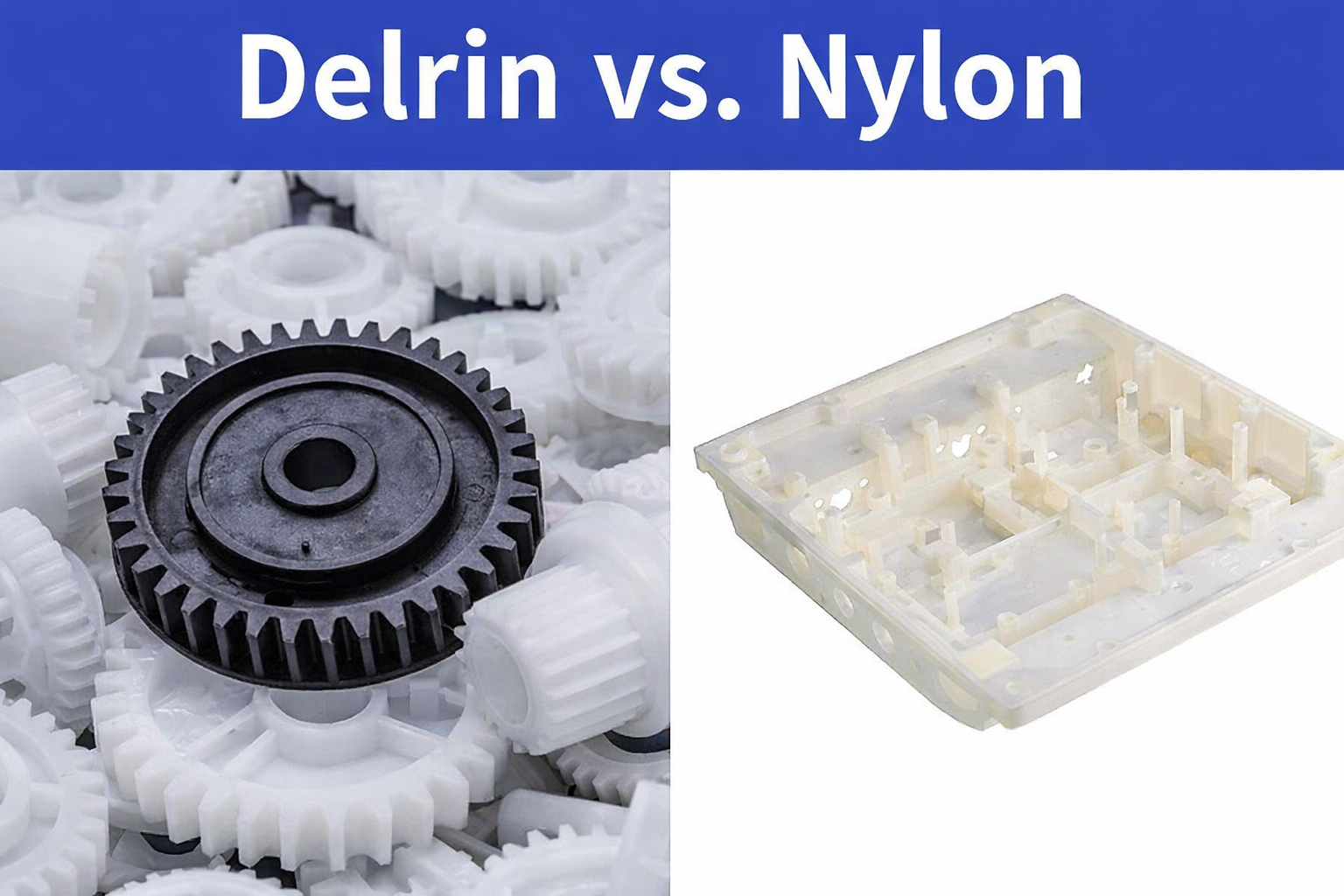
Quick Answer: Delrin vs Nylon (Material Selection Summary)
If you need a fast decision:
Choose Delrin (POM) → for precision machining, low moisture environments, tight tolerances
Choose Nylon (PA) → for higher temperature, better wear resistance, and load-bearing parts
Delrin → better dimensional stability and machinability
Nylon → higher tensile strength and temperature resistance
Nylon → better for 3D printing applications
👉 In most precision-machined components, Delrin is preferred, while Nylon is better for high-load and high-temperature environments.
Introduction: Why Delrin vs Nylon Matters
In modern manufacturing, selecting the right engineering plastic is critical to product performance, durability, and cost efficiency.
Two of the most widely used thermoplastics are:
Delrin (Polyoxymethylene / POM)
Nylon (Polyamide / PA)
Both materials offer:
High strength-to-weight ratio
Low friction properties
Excellent machinability
However, their performance diverges significantly in areas such as:
Moisture resistance
Temperature tolerance
Dimensional stability
Choosing the wrong material can lead to:
Warping or swelling
Premature wear
Mechanical failure
This guide provides a practical, engineering-level comparison to help you select the right material for your application.
Delrin vs Nylon: Key Differences Explained
Wear Resistance
Nylon: Excellent wear resistance, especially in dry environments
Delrin: Good wear resistance, but slightly lower
👉 Engineering insight:
Nylon is better for high-friction, high-contact applications like gears and bearings.
Friction Performance
Both materials:
Have low friction coefficients
Are self-lubricating
👉 Ideal for:
Sliding components
Moving assemblies
Tensile Strength
Nylon: ~12,000 psi
Delrin: ~10,000 psi
👉 Nylon handles higher mechanical loads, making it suitable for structural applications.
Machinability
Delrin: Excellent (industry benchmark for machinability)
Nylon: Good but less stable during machining
👉 Delrin allows:
Tight tolerances
Smooth surface finish
Reduced machining time
Temperature Resistance
Delrin: ~80–90°C continuous (~180–190°F)
Nylon: Higher temperature resistance (varies by grade, often >120°C)
👉 Nylon is better for:
Automotive
Industrial heat environments
Moisture Absorption
Nylon: Absorbs up to ~8% moisture
Delrin: ~0.2% moisture absorption
👉 This is one of the most critical differences.
Impact of moisture in Nylon:
Swelling
Reduced strength
Dimensional instability
👉 Delrin is the clear winner in humid environments.
Delrin vs Nylon Comparison Table
| Property | Delrin (POM) | Nylon (PA) |
| Wear Resistance | Good | Excellent |
| Strength | Moderate | High |
| Machinability | Excellent | Good |
| Temperature Resistance | Moderate | High |
| Moisture Resistance | Excellent | Poor |
| Friction | Low | Low |
What is Delrin (POM)?
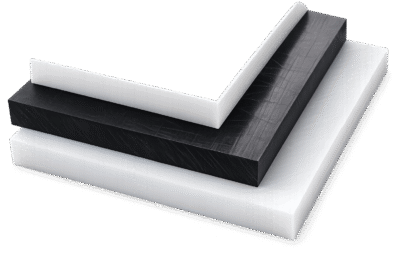
Delrin is a high-performance acetal homopolymer (polyoxymethylene) known for its:
High stiffness
Excellent dimensional stability
Low friction
Low moisture absorption
Key Properties
High fatigue resistance
Excellent creep resistance
Chemical resistance
Stable under load
Common Grades
Standard Delrin (general machining)
PTFE-filled Delrin (low friction)
Glass-filled Delrin (high strength)
Typical Applications
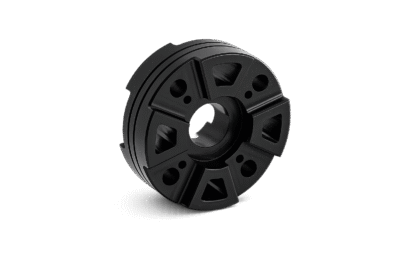
Precision gears
Bearings
Valve components
Electrical housings
Automotive parts
Advantages of Delrin
1. Exceptional Dimensional Stability
Maintains shape under stress
Ideal for tight tolerance parts
2. Superior Machinability
Easy to cut, drill, and shape
Reduced production cost
3. Low Moisture Absorption
Performs well in humid or wet environments
4. Low Friction
Suitable for maintenance-free components
5. High Fatigue Resistance
Long service life under cyclic loads
What is Nylon (Polyamide)?
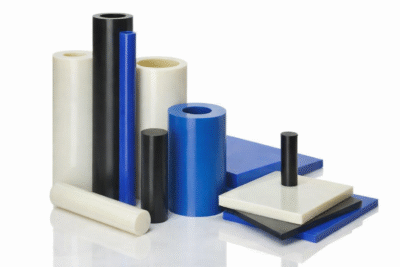
Nylon is a synthetic polyamide polymer widely used in engineering applications.
Key Properties
High strength
Excellent wear resistance
Good chemical resistance
Higher moisture absorption
Common Grades
Nylon 6
Nylon 6,6 (strongest, most common)
Nylon 12 (better moisture resistance)
Applications
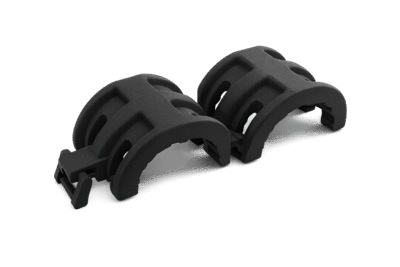
Gears and bearings
Automotive components
Industrial wear parts
Structural components
Advantages of Nylon
1. Higher Mechanical Strength
Better load-bearing capability
2. Superior Wear Resistance
Ideal for high-friction environments
3. Higher Temperature Resistance
Performs better in heat
4. 3D Printing Compatibility
Suitable for:
SLS
FDM
MJF
5. Lightweight
Reduces system weight
Delrin vs Nylon: Application-Based Selection Guide
👉 This is where real decisions are made.
Choose Delrin When:
Tight tolerances are required
Parts operate in humid environments
Precision machining is critical
Low friction is needed
Typical parts:
Connectors
Valve components
Precision housings
Choose Nylon When:
Higher load or stress is involved
Temperature is elevated
Wear resistance is critical
3D printing is required
Typical parts:
Gears
Bearings
Structural components
Common Failure Risks
Nylon Risks
Moisture absorption → swelling
Reduced dimensional stability
Mechanical property variation
Delrin Risks
Lower temperature limit
Potential creep under extreme load
👉 Understanding these risks helps prevent design failure.
Industry Applications Comparison
Automotive
Nylon → under-hood components
Delrin → precision moving parts
Industrial Equipment
Nylon → wear-resistant parts
Delrin → precision assemblies
Electronics
Delrin → connectors and housings
Nylon → structural components
Step-by-Step Material Selection Guide
- Define operating temperature
- Evaluate load requirements
- Assess environmental conditions (humidity, chemicals)
- Determine tolerance requirements
- Choose manufacturing method
- Select material accordingly
Why Work with a Professional Manufacturer
Material selection is only one part of the process.
A reliable manufacturer provides:
Engineering consultation
Material optimization
Precision machining capabilities
Rapid prototyping
Cost reduction strategies
👉 This ensures:
Better product performance
Lower long-term cost
Faster time to market
Conclusion
Both Delrin and Nylon are high-performance engineering plastics, but they serve different purposes:
Delrin → precision, stability, moisture resistance
Nylon → strength, wear resistance, high-temperature capability
👉 The right choice depends on your application requirements—not just material properties.
Get Expert Help for Your Project
Not sure whether Delrin or Nylon is right for your application?
Sochain Precision can help you:
Select the optimal material
Optimize your design for manufacturing
Provide precision machining solutions
Deliver from prototype to mass production
Send us your drawings or requirements today to receive:
Fast quotation
Engineering feedback
Cost-optimized solution
👉 Contact us now to start your project.
FAQs
- Is Delrin stronger than Nylon?
No, Nylon generally has higher tensile strength, but Delrin offers better dimensional stability. - Which material is better for machining?
Delrin is widely considered the best machinable plastic. - Can Nylon be used in wet environments?
Yes, but moisture absorption may affect performance. - Which is better for gears?
Nylon is better for high-load gears, while Delrin is better for precision gears.