 (+035) 527-1710-70
 NEWSLETTER

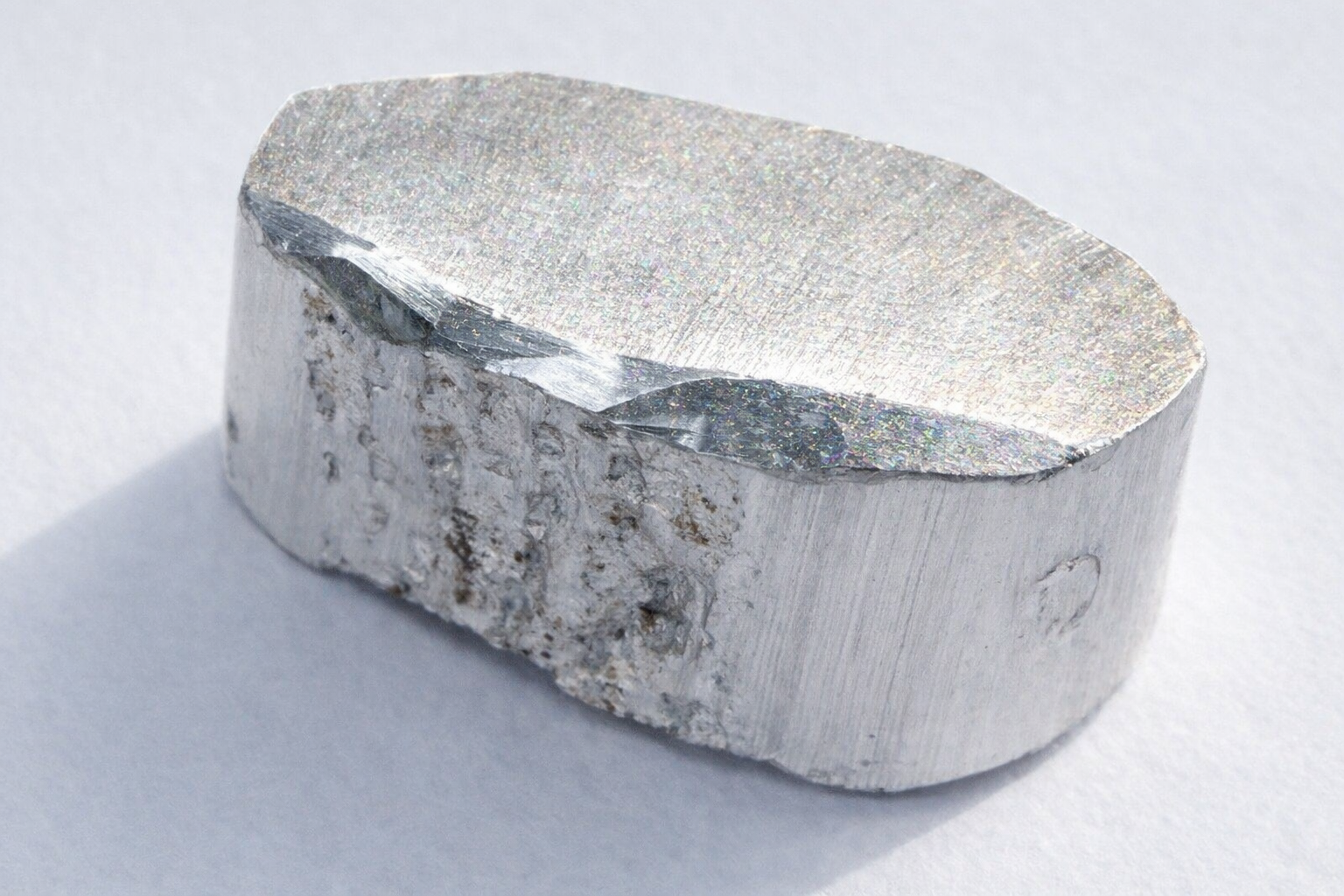
Aluminum is more than just a common metal; it is a cornerstone of global industry. Valued for its silver-white luster and exceptional chemical properties, it is the most abundant metal in the Earth’s crust (comprising approximately 8%). From the thin foil in your kitchen to the complex fuselages of commercial aircraft, aluminum’s versatility makes it one of the most frequently requested materials for CNC machining, sheet metal fabrication, and die casting.
I. Defining Aluminum: The Silver-White Powerhouse
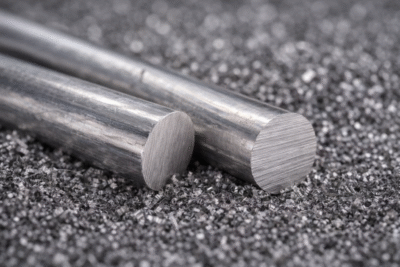
Aluminum is a non-ferrous, non-magnetic, and highly ductile metal found on the periodic table with the symbol Al and atomic number 13. Unlike iron, which is heavy and prone to rust, aluminum is celebrated for its low density—weighing in at approximately 2.71g/cm³ (about one-third the density of steel).
Its popularity stems from a unique combination of being lightweight yet capable of achieving high strength when properly alloyed. This “strength-to-weight ratio” is the fundamental reason aluminum dominates the 230 billion dollar non-ferrous metal market today.
II. A Journey Through History: From Rarity to Industrial Dominance
Aluminum was once more precious than gold. Because it is highly reactive, it does not occur as a pure metal in nature; instead, it is locked within ores like Bauxite.
Early Discovery: Although used in ancient Egypt in sulfate forms, it wasn’t isolated until 1825 by Hans Christian Ørsted.
The Hall-Héroult Breakthrough: In 1886, Charles Martin Hall and Paul Héroult independently discovered a way to smelt aluminum through electrolysis. This Hall-Héroult process remains the standard today, transforming aluminum from a luxury curiosity into a mass-produced industrial staple.
The Spelling Debate: You may see it written as Aluminum (standard in North America) or Aluminium (standard in the UK and elsewhere). Both refer to the same indispensable element.
III. Diverse Types of Aluminum
Depending on the manufacturing requirements, aluminum is categorized into several distinct types:
Pure Aluminum: Defined by the absence of alloying elements. It is soft and highly conductive, making it ideal for electrical wiring, chemical equipment, and foil.
Aluminum Alloys: By mixing pure aluminum with elements like copper, manganese, or silicon, engineers create high-strength materials. Aluminum 6061-T6 is the industry standard for CNC machining due to its balance of strength and weldability.
Cast Aluminum: Created by pouring molten metal into molds. While more cost-effective for complex, large-scale geometries, it typically has lower tensile strength than wrought options.
Anodized Aluminum: Through an electrochemical process, the natural oxide layer is thickened. This increases surface hardness, improves wear resistance, and allows for vibrant colorization—ideal for architectural and consumer electronics.
Clad Aluminum (Alclad): This involves bonding a layer of pure aluminum onto a high-strength alloy core. It combines the structural strength of the alloy with the superior corrosion resistance of pure aluminum, a vital feature for the aerospace industry.
IV. Physical and Chemical Properties
Aluminum’s success is driven by its predictable and highly beneficial properties:
Thermal and Electrical Conductivity: It is an excellent conductor of heat and electricity, which is why it is used in heat sinks for electronics and high-tension power lines.
Natural Corrosion Resistance: When exposed to air, aluminum instantly forms a microscopic oxide layer (Al2O3). This layer acts as a self-healing shield, preventing further oxidation and rust.
Ductility and Formability: It can be easily rolled into thin sheets or extruded into complex profiles without fracturing.
V. Strategic Industrial Applications
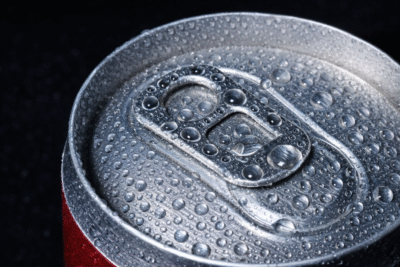
The applications of aluminum are nearly limitless:
Aerospace & Automotive: Used for structural components, engine blocks, and wheels to reduce vehicle weight and maximize fuel efficiency.
Construction: Modern high-rise buildings utilize aluminum for window frames and facades because it is light enough to reduce foundation loads while resisting weathering.
Medical Equipment: Its biocompatibility and resistance to harsh sterilization chemicals make it perfect for wheelchairs, surgical instruments, and orthopedic devices.
Consumer Goods: From the sleek cases of smartphones and laptops to heat-conductive cookware, aluminum balances aesthetics with functional heat management.
VI. Benefits vs. Limitations
The Benefits
Lightweight: Dramatically reduces the energy required for transportation.
Recyclability: Aluminum can be recycled infinitely without losing its properties, requiring only 5% of the energy needed for primary production.
Machinability: It can be cut at high speeds, reducing manufacturing time and costs.
The Limitations
Thermal Expansion: Aluminum expands and contracts more than steel when temperatures change, which can affect precision in tight-tolerance applications.
Wear Resistance: Without specialized coatings, aluminum is susceptible to abrasion and scratches.
Welding Complexity: Its high thermal conductivity means heat is rapidly drawn away from the weld site, requiring specialized techniques to ensure a strong bond.
Contact us for more information.
FAQs
1. Why is Aluminum 6061 so common in CNC machining?
6061 is considered a “general-purpose” alloy. It offers a perfect middle ground: it has good structural strength, is highly resistant to corrosion, and—most importantly—it is “free-machining,” meaning it produces clean chips and a high-quality surface finish without excessive tool wear.
2. Does aluminum rust?
Technically, no. Rust is the oxidation of iron. While aluminum does oxidize, its oxidation process forms a protective barrier that prevents deep structural decay, unlike the flaky, destructive rust found on steel.
3. Is aluminum non-sparking?
Yes. Unlike steel, aluminum does not produce sparks when struck. This makes it a critical material for fuel pumps, gas canisters, and tools used in explosive or flammable environments.
4. How does anodizing change the dimensions of an aluminum part?
Anodizing is a “conversion” coating. It grows into the material and builds up on the surface. A standard Type II anodize usually adds about 0.0002” to 0.001” per side. Engineers must account for this “growth” when designing parts with extremely tight tolerances.
5. Can aluminum be used for high-temperature applications?
Generally, aluminum begins to lose its strength at temperatures above 200℃ (392℉). For environments involving extreme heat (like inside an engine’s combustion chamber), specialized aerospace-grade alloys or titanium are often preferred.