 (+035) 527-1710-70
 NEWSLETTER

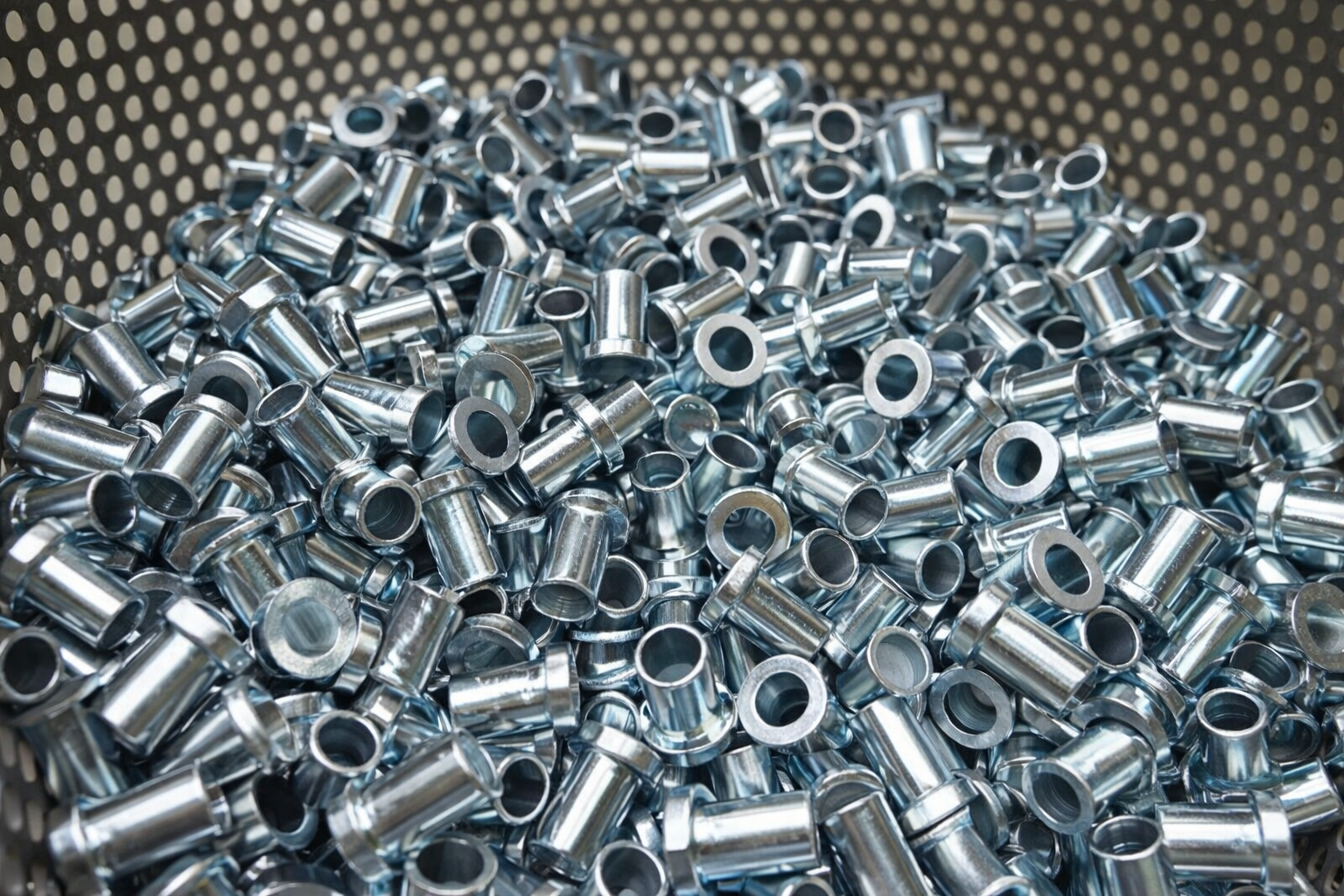
Zinc nickel plating has become one of the most important corrosion-resistant surface treatments in modern manufacturing. Originally developed as a safer alternative to cadmium, zinc nickel coatings now play a critical role in automotive, aerospace, defense, and industrial applications where long service life, regulatory compliance, and mechanical reliability are essential.
This guide provides a comprehensive, engineering-level explanation of zinc nickel plating—from its underlying technology and step-by-step process to performance comparisons, common problems, and future trends—helping engineers and sourcing professionals make informed finishing decisions.
1. Introduction to Zinc Nickel Plating
Corrosion is one of the leading causes of component failure, downtime, and warranty cost across industries. Traditional zinc coatings offer basic protection, but they often fail in harsh environments involving salt spray, heat, vibration, or chemical exposure.
Zinc nickel plating addresses these challenges by combining zinc’s sacrificial corrosion behavior with nickel’s mechanical and thermal stability. The result is a high-performance alloy coating capable of delivering five to ten times the corrosion resistance of conventional zinc, while meeting increasingly strict environmental regulations.
Today, zinc nickel plating is widely used for:
Automotive brake and safety components
Aerospace and defense fasteners
High-strength steel parts
Outdoor electrical and industrial hardware
2. Understanding Zinc Nickel Plating Technology
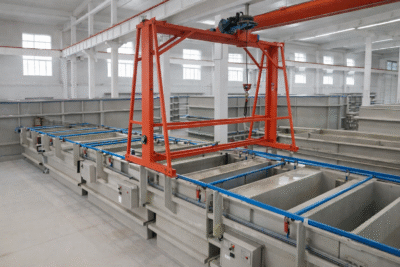
2.1 What Is Zinc Nickel Plating?
Zinc nickel plating is an electroplated alloy coating, typically containing 12–15% nickel and 85–88% zinc. It is classified as a sacrificial coating, meaning the zinc corrodes preferentially to protect the underlying steel or iron substrate.
The controlled addition of nickel significantly improves corrosion resistance, hardness, and temperature stability compared to pure zinc coatings, while still maintaining galvanic protection.
2.2 How Zinc Nickel Electroplating Works
The process is based on electrochemical deposition. Components to be plated act as the cathode and are immersed in a zinc-nickel electrolyte bath. Nickel anodes or soluble metal sources provide the required ions.
When a direct current is applied:
Zinc and nickel ions are reduced at the cathode surface
A tightly controlled alloy layer forms on the substrate
Additives regulate brightness, leveling, and nickel distribution
Nickel content control is critical. Too little nickel reduces corrosion resistance; too much can reduce sacrificial behavior and increase brittleness.
2.3 Historical Development and Industry Adoption
Zinc nickel plating was introduced in the 1980s, driven by the need to replace cadmium coatings due to toxicity and regulatory pressure. Early systems suffered from poor nickel distribution and inconsistent performance.
Advancements in bath chemistry, additive control, and analytical monitoring during the 1990s and 2000s solved these issues. Automotive OEMs were among the first to adopt zinc nickel for safety-critical components.
Today, zinc nickel is a global standard across industries facing:
RoHS, ELV, and REACH compliance requirements
High corrosion exposure
Increased durability expectations
3. The Zinc Nickel Plating Process Explained
3.1 Surface Preparation and Pretreatment
Surface preparation determines coating adhesion and performance. Typical steps include:
Alkaline cleaning to remove oils and greases
Acid pickling or activation to remove oxides
Thorough rinsing to prevent contamination
Improper preparation is one of the most common causes of adhesion failure.
3.2 Step-by-Step Zinc Nickel Electroplating Procedure
Immersion in plating bath
Parts are submerged in a controlled zinc-nickel electrolyte.
Electroplating phase
Current density: typically 1–5 A/dm²
Temperature: 20–35°C
Agitation ensures uniform deposition
Rinsing
Excess solution is removed to prevent staining or contamination.
Hydrogen embrittlement relief baking
High-strength steels are baked at 180–220°C for 2–24 hours.
Final inspection
Thickness, nickel content, appearance, and adhesion are verified.
3.3 Post-Plating Treatments
Post-treatments enhance corrosion resistance and functional performance:
Passivation (trivalent chromate or non-chromate systems)
Sealers to reduce white corrosion
Topcoats for friction control or added barrier protection
4. Acid vs. Alkaline Zinc Nickel Plating Systems
4.1 Acid Zinc Nickel Plating
Faster deposition rates
Lower throwing power
Best for simple geometries and high-volume production
4.2 Alkaline Zinc Nickel Plating
Superior throwing power
More uniform nickel distribution
Ideal for complex or recessed parts
4.3 Choosing the Right Chemistry
Selection depends on:
Part geometry
Required nickel consistency
Corrosion performance targets
Production throughput
5. Post-Treatment Options for Enhanced Performance
5.1 Passivation Treatments
Modern trivalent chromate passivations provide:
Yellow to olive drab finishes
480–1000+ hours salt spray resistance
Full RoHS and ELV compliance
5.2 Non-Chromate Solutions
Silicate and zirconium-based systems eliminate chromium entirely while maintaining corrosion performance.
5.3 Topcoats and Sealers
Topcoats improve:
Friction consistency for fasteners
Wear resistance
Cosmetic appearance
6. Zinc Nickel vs Alternative Surface Treatments
6.1 Zinc Nickel vs Cadmium Plating
Zinc nickel:
Matches or exceeds cadmium corrosion performance
Eliminates toxic heavy metals
Meets modern environmental regulations
Cadmium remains limited to legacy aerospace applications.
6.2 Zinc Nickel vs Traditional Zinc and Zinc Alloys
| Coating Type | Corrosion Resistance (hrs) | Hardness (HV) |
| Zinc Nickel | 720–1000+ | 350–450 |
| Zinc-Cobalt | 360–480 | 200–300 |
| Zinc-Iron | 240–360 | 150–200 |
| Zinc | 96–240 | 50–100 |
Zinc nickel offers the best balance of durability and compliance.
6.3 When Zinc Nickel Is the Best Choice
Choose zinc nickel when:
Long-term corrosion protection is critical
Parts are safety-related
High-strength steel is used
Regulatory compliance is mandatory
7. Applications of Zinc Nickel Plating
Automotive Components: Built for Heat, Salt, and Safety
Cars and trucks face constant exposure to moisture, road salt, heat, and vibration. Many parts also play a direct role in vehicle safety, so failure is not an option.
Zinc nickel plating is widely used on:
Brake system parts
Suspension and chassis fasteners
Steering components
Fuel and hydraulic fittings
Aerospace and Defense: Reliability in Extreme Conditions
Aerospace and defense parts must perform in extreme environments, including temperature swings, high stress, and corrosive atmospheres.
Zinc nickel plating is commonly applied to:
Structural fasteners
Mounting hardware
Hydraulic and fluid system components
Industrial Machinery: Longer Life, Less Maintenance
Industrial equipment operates in factories, outdoors, or harsh processing environments. Rust can lead to downtime, costly repairs, or early part replacement.
Zinc nickel plating is used on:
Machine fasteners
Shafts, brackets, and housings
Hydraulic connectors
Electrical and Electronic Hardware: Protection Without Interference
Electrical components often need corrosion protection without losing conductivity or causing interference.
Zinc nickel plating is suitable for:
Electrical connectors
Grounding hardware
Outdoor electrical enclosures
Renewable Energy Systems: Designed for Outdoor Exposure
Solar and wind energy systems are exposed to rain, salt air, UV radiation, and temperature changes year-round.
Zinc nickel plating is commonly used for:
Solar mounting structures
Wind turbine fasteners
Outdoor power distribution hardware
Medical and Specialized Equipment: Clean, Durable, and Reliable
In non-implantable medical devices and specialized equipment, durability and cleanliness are essential.
Zinc nickel plating can be found on:
External medical device components
Laboratory equipment hardware
Precision instrument fasteners
8. Troubleshooting Common Zinc Nickel Plating Issues
8.1 Visual Defects
Dullness: low current or organic contamination
Blistering: trapped hydrogen or poor cleaning
Uneven color: nickel imbalance
8.2 Performance Failures
Premature corrosion: insufficient thickness or passivation
Poor adhesion: inadequate surface preparation
8.3 Process Control Best Practices
Daily bath chemistry testing
Continuous filtration
Scheduled carbon treatment
Detailed process documentation
9. FAQs
What standards govern zinc nickel plating?
ASTM B841, AMS 2417, ISO 19598, and OEM automotive specifications.
Is zinc nickel suitable for high-strength steel?
Yes, with proper hydrogen embrittlement relief baking.
How thick is a typical zinc nickel coating?
Usually 8–15 μm, depending on specification.
How long does zinc nickel plating last?
In many environments, 5–10× longer than traditional zinc.
Can zinc nickel replace cadmium?
In most applications, yes.
10. Conclusion
Zinc nickel plating is one of the most advanced and reliable corrosion-resistant coatings available today. By combining sacrificial protection with superior durability and regulatory compliance, it has become the preferred solution for demanding industrial environments.
For engineers and manufacturers, selecting the right zinc nickel process—and the right supplier—can significantly improve product life, safety, and total cost of ownership. Contact us for more information.