 (+035) 527-1710-70
 NEWSLETTER

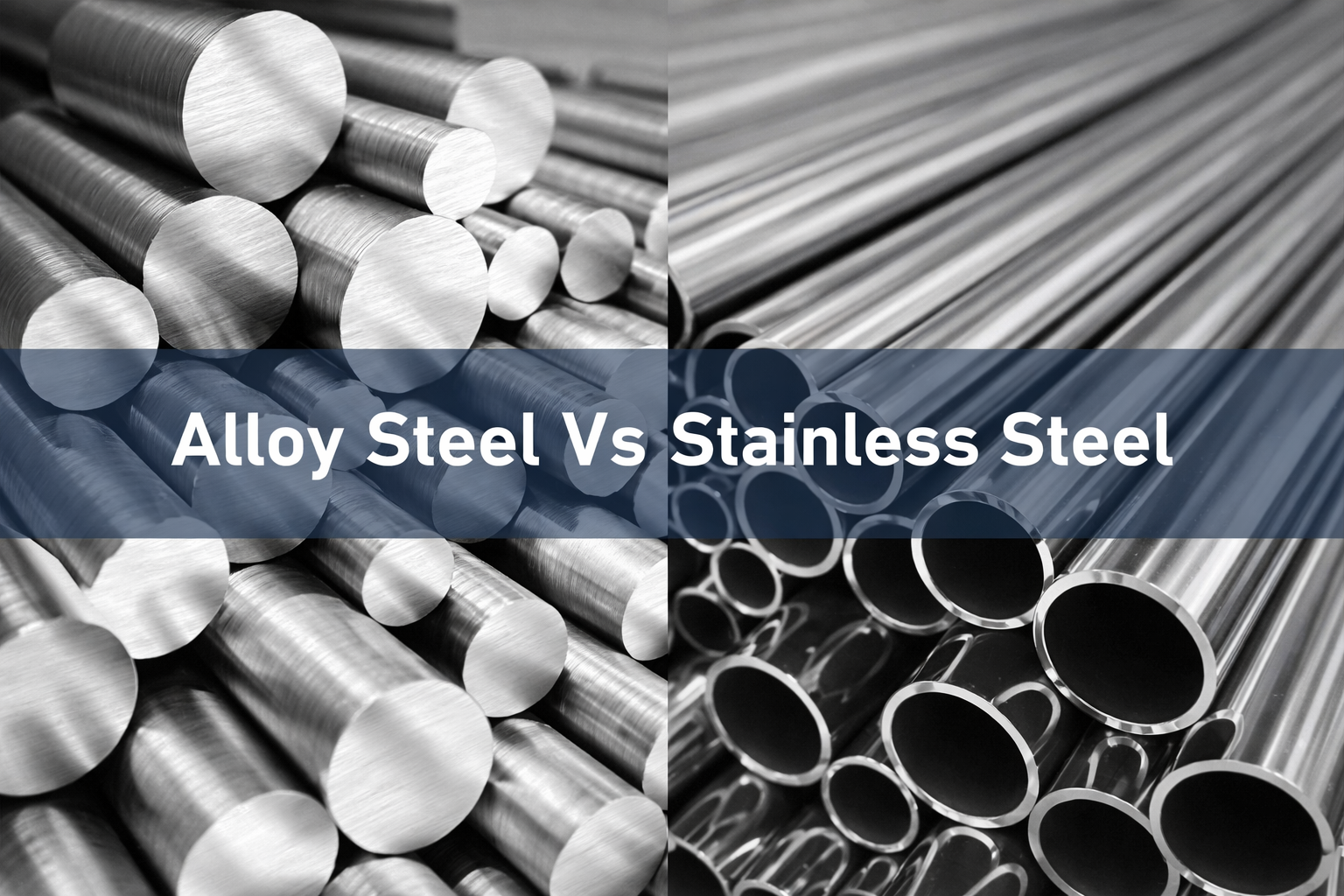
Choosing between alloy steel and stainless steel is very important decisions engineers, OEM buyers, product designers, and manufacturers face when selecting materials for industrial applications.
Both materials offer outstanding mechanical performance, durability, and versatility. However, their differences in corrosion resistance, strength, cost, fabrication, and appearance can significantly impact product quality, service life, and production budgets.
So which material is better?
The answer depends entirely on your application requirements.
If your project demands maximum strength and cost efficiency, alloy steel may be the better solution. If corrosion resistance, hygiene, and premium appearance matter most, stainless steel often delivers greater long-term value.
This in-depth guide compares alloy steel vs stainless steel across composition, strength, corrosion resistance, machinability, applications, costs, and buying considerations to help you make the best material choice for your manufacturing project.
1. Introduction: Why Material Selection Matters
Material choice directly affects:
Product durability
Structural safety
Corrosion performance
Manufacturing cost
Maintenance requirements
Aesthetic quality
Long-term ROI
Selecting the wrong metal can lead to:
Premature failure
Rust damage
Increased maintenance
Higher lifecycle costs
Production inefficiencies
That is why understanding the real differences between alloy steel and stainless steel is critical.
2. Overview of Alloy Steel and Stainless Steel
2.1 What Is Alloy Steel?
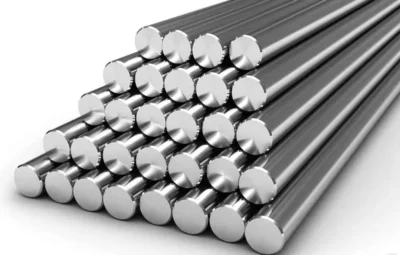
Alloy steel is steel that contains iron and carbon combined with additional alloying elements to improve performance.
Common alloying elements include:
Chromium
Nickel
Molybdenum
Vanadium
Manganese
Silicon
Why these elements are added:
Increase strength
Improve hardness
Enhance wear resistance
Boost fatigue performance
Improve toughness
Support heat treatment
Key characteristics of alloy steel:
Very strong
Durable
Cost-effective
Excellent for structural loads
Widely used in heavy industries
2.2 What Is Stainless Steel?

Stainless steel is a specialized type of alloy steel.
Its defining feature is:
At least 10.5% chromium content
This chromium reacts with oxygen to form a protective chromium oxide layer on the surface.
Benefits of this layer:
Prevents rust
Protects against corrosion
Maintains appearance
Supports hygiene
Improves lifespan
Key characteristics of stainless steel:
Excellent corrosion resistance
Attractive polished finish
Hygienic surface
Durable in harsh environments
Premium appearance
2.3 Key Relationship Between the Two
Important clarification:
Stainless steel is actually a subtype of alloy steel.
The major difference lies in chromium content.
Higher chromium = better corrosion resistance.
3. Key Differences Between Alloy Steel and Stainless Steel
3.1 Composition Comparison
Both materials contain iron and carbon, but alloy ratios differ significantly.
Chemical Composition Comparison
| Element | Alloy Steel (%) | Stainless Steel (%) |
| Iron (Fe) | 90–98% | 65–80% |
| Carbon (C) | 0.1–2% | 0.03–1.2% |
| Chromium (Cr) | 0.3–12% | 10.5–30% |
| Nickel (Ni) | 1–5% | 8–20% |
| Manganese (Mn) | 0.5–2% | 1–2% |
| Molybdenum (Mo) | 0.2–1% | 0.2–3% |
| Silicon (Si) | 0.2–1% | 0.5–2% |
Main takeaway:
Stainless steel contains much more chromium.
This is the foundation of its corrosion resistance.
3.2 Corrosion Resistance
Corrosion performance is often the biggest deciding factor.
Stainless Steel Advantage
Because of its chromium oxide protective layer, stainless steel offers:
Superior rust prevention
Better chemical resistance
Moisture protection
Outdoor durability
Marine suitability
Ideal for:
Food processing
Medical devices
Marine hardware
Kitchens
Outdoor structures
Alloy Steel Limitation
Alloy steel has lower chromium levels.
This means:
Less natural rust resistance
Often needs paint/coating
More maintenance in wet environments
Aesthetic Impact
Stainless steel:
Shiny
Polished
Decorative
Alloy steel:
Matte
Industrial appearance
Less decorative
3.3 Tensile Strength Comparison
Strength matters in structural applications.
Alloy Steel
Typical tensile strength:
800 to 1800 MPa
Benefits:
Handles heavy loads
Excellent for stress-bearing parts
Ideal for machinery
Stainless Steel
Typical tensile strength:
512 to 800 MPa
Benefits:
Good durability
Balanced mechanical performance
Winner for pure strength:
Alloy Steel
3.4 Types and Versatility
Alloy Steel Types
Low Alloy Steel
Less than 5% alloying elements
Strong and lightweight
High Alloy Steel
More than 5% alloy additions
Enhanced performance
Stainless Steel Types
| Type | Composition |
| Austenitic | Cr: 16–30%, Ni: 6–20% |
| Ferritic | Cr: 11–27% |
| Martensitic | Cr: 14–18%, higher carbon |
| Duplex | Cr: 18–28%, Ni: 3.5–5.5% |
Performance highlights:
Austenitic:
Best corrosion resistance
Excellent ductility
Duplex:
Very strong
Less brittle than many grades
Martensitic:
Hard
Wear resistant
3.5 Fatigue Strength and Impact Resistance
Fatigue Strength
Ability to withstand repeated loading.
Better choice:
Alloy Steel
Especially for:
Shafts
Springs
Rotating machinery
Impact Resistance
Ability to survive sudden force.
Good performers:
Alloy steel
Austenitic stainless steel
Depends heavily on ductility.
3.6 Heat Treatment and Fabrication
Both materials support fabrication, but workability varies.
Common processes:
Welding
Machining
Forming
Heat treatment
Alloy Steel
Advantages:
Heat treatable
Excellent hardness control
Challenge:
Some grades require specialized welding procedures
Stainless Steel
Advantages:
Austenitic grades machine well
Excellent weldability
Challenge:
Duplex grades harder to machine
3.7 Lifespan and Aesthetics
Stainless Steel Wins for Longevity
Why?
Better corrosion resistance
Lower maintenance
Longer outdoor life
Stainless Steel Wins for Appearance
Ideal for:
Appliances
Architecture
Medical equipment
Consumer products
3.8 Cost Comparison
Budget always matters.
Alloy Steel
Advantages:
Lower material cost
Better for budget projects
Great structural value
Stainless Steel
Advantages:
Higher upfront price
Lower maintenance cost
Premium durability
Best value depends on environment.
4. Applications of Alloy Steel vs Stainless Steel
4.1 Automotive Industry
Alloy Steel:
Gears
Shafts
Springs
Crankshafts
Stainless Steel:
Exhaust systems
Fuel tanks
Body panels
4.2 Aerospace Industry
Alloy Steel:
Turbine blades
Structural parts
Stainless Steel:
Fuel tanks
Corrosion-resistant components
4.3 Construction
Alloy Steel:
Beams
Reinforcement bars
Stainless Steel:
Railings
Fixtures
4.4 Marine Applications
Alloy Steel:
Propellers
Stainless Steel:
Boat fittings
Underwater structures
4.5 Energy Sector
Alloy Steel:
Turbines
Reactors
Stainless Steel:
Oil rigs
Nuclear systems
4.6 Consumer and Medical Uses
Stainless Steel:
Cookware
Surgical tools
Medical instruments
5. How to Choose Between Alloy Steel and Stainless Steel
Choose Alloy Steel When:
Strength is top priority
Budget is limited
Structural loads are heavy
Corrosion exposure is moderate
Choose Stainless Steel When:
Rust resistance matters
Appearance matters
Hygiene matters
Outdoor durability matters
6. FAQs
1. Which is better: alloy steel or stainless steel?
Neither is universally better.
The right choice depends on application requirements.
2. Is alloy steel rustproof?
Not naturally.
Protective coatings are often needed.
3. Which is better for knives?
Stainless steel is often preferred for corrosion resistance and easy maintenance.
7. Final Thoughts: Which Material Should You Choose?
There is no universal winner in the alloy steel vs stainless steel comparison.
The best material depends on balancing:
Strength
Corrosion resistance
Cost
Appearance
Maintenance
Service environment
For structural power and affordability:
Choose alloy steel.
Choose stainless steel.
Smart material selection always begins with understanding your application goals.
Need Custom Metal Parts for Your OEM Project?
At Qianwei Precision, we support OEM customers with custom metal manufacturing solutions tailored to industrial applications.
Our capabilities include:
Precision machining
Custom metal components
CNC manufacturing
OEM production support
Engineering consultation
Whether your project requires alloy steel strength or stainless steel corrosion resistance, our team can help you choose the right material for performance, cost efficiency, and long-term durability.
Contact Sochain Precision today for expert support on your next custom manufacturing project.