 (+035) 527-1710-70
 NEWSLETTER
Delrin (POM) CNC Machining
At Sochain Precision, we machine Delrin (POM) parts for gears, bushings, rollers, and sliding components. Delrin allows clean cutting, but heat during machining can affect edge sharpness and final size. We control cutting speed, feed, and engagement to keep features within limits.
For parts with thin sections and press-fit areas, material is removed in controlled passes rather than with heavy cuts. This keeps the wall shape intact and avoids edge deformation. Chip evacuation is also managed to prevent material from re-contacting the cutting zone.
Rapid prototyping and full-scale production
ISO accredited & QC checks
All in-house processes
Used in over 50 countries
FREE Instant quotations
Why Work With Sochain Precision for Delrin Machining
- Prototype to production support
- No minimum order requirement
- Controlled cutting for thin sections
- Clean edges with low burr formation
- Multi-axis machining for complex parts
- Stable dimensions for mating features
- Consistent surface finish for sliding parts
- Toolpath planning based on feature depth
- DFM review before machining
- ISO 9001 compliant process
Delrin (POM) Materials We Machine
Our team machines different Delrin (POM) grades based on part function, load condition, and dimensional need. It’s a critical stage as the grade selection affects wear rate, moisture absorption, and fit between mating parts.
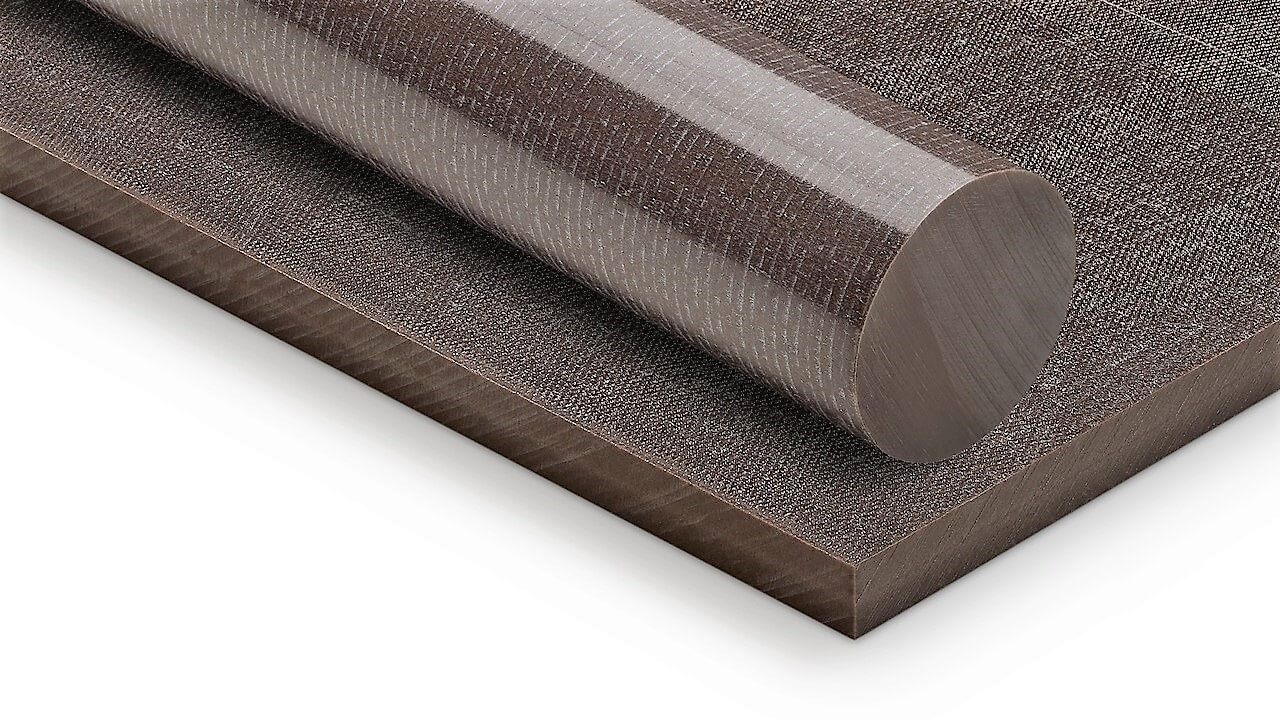
Delrin 100 (Homopolymer POM)
Delrin 100 is primarily used when strength and stiffness are necessary. In addition to providing a combined strength and stiffness, it also retains its shape well in parts such as gear parts, bushings, and other structural plastic parts. After being machined, it gives a consistent surface finish.
Examples of typical parts made from this material include:
GearsBushingsRollersStructural components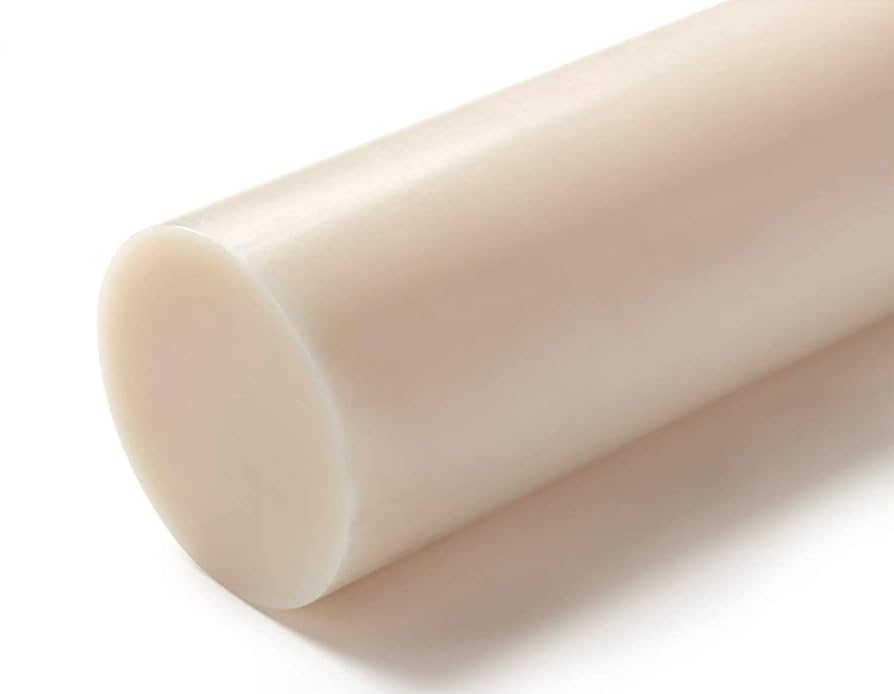
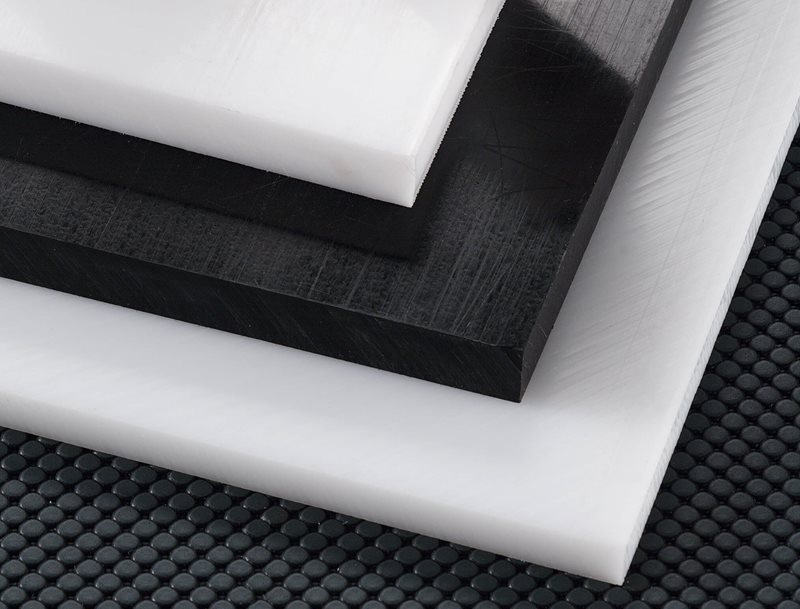
Delrin 150 (General Use)
The primary application for Delrin 150 is for mechanical parts with moderate loads. It can be machined easily, and thus is considered one of the most common materials used for making general-purpose components.
Examples of typical parts made from this material include:
CoversBasic Mechanical ComponentsHousingsGlass-Filled POM
Glass-filled POM increases stiffness and dimensional control. It is used where parts must hold shape under load. However, its cutting requires controlled feed to avoid edge chipping.
Typical Parts Made: Structural parts, load-bearing components
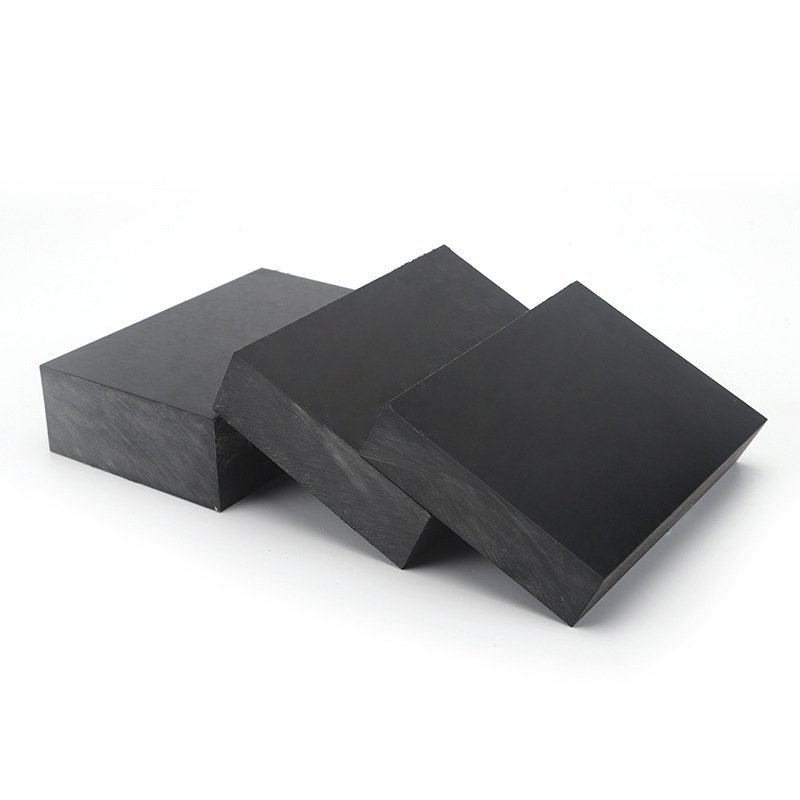
Delrin Material Comparison
Material | Density (g/cm³) | Tensile Strength (MPa) | Friction Coefficient | Moisture Absorption (%) | Machining Note | Typical Use |
Delrin 100 (Homopolymer) | ~1.41 | 65–75 | ~0.20 | ~0.2 | Holds sharp edges, consistent finish | Gears, bushings, rollers |
Delrin 150 | ~1.41 | 60–70 | ~0.20 | ~0.2 | General machining, stable cutting | Housings, covers |
Delrin AF (PTFE Filled) | ~1.45 | 50–60 | ~0.10–0.15 | ~0.2 | Softer surface, control final passes | Sliding parts, wear components |
Glass-Filled POM | ~1.50 | 80–100 | ~0.25 | ~0.15 | Abrasive to tools, lower feed required | Structural, load-bearing parts |
Cost-Saving Design Tips for Delrin CNC Machining
Delrin cost is directly related to the tool size, pass count, and setups. Here are the considerations for designing Delrin parts affordably.
Keep Radii ≥ Standard Tool Sizes
Use 2mm, 3mm & 5mm tool diameters wherever you can. A 1mm tool cutter will produce a 1mm wall. The tool will create very shallow step-downs (typically 0.5–1 mm/passage) when working in deep pockets. As such, your pass counts will rise.
Use Near-Final Stock
Start from a plate or rod close to the final size. Removing a large excess of plastic still adds time and chip handling without benefit.
Avoid Very Thin Unsupported Sections
Walls below ~1–1.5 mm over tall heights need light passes and extra checks. Add temporary support ribs if possible, then remove in a final pass.
Limit Depth-to-Diameter on Small Tools
When using smaller tools, keep your pocket depths within 3 times the tool diameter. At that point, you begin to lose step, and your cycle time begins to go up. If you are restricted in terms of pocket depth, then you should expand the pocket width so as to allow a larger tool.
Widen Narrow Slots Slightly
Narrow slots with dimensions equal to the tool diameter typically run at full engagement. You must keep the feed rate at a minimal rate. By increasing the slot size by roughly ten to twenty percent, you can enable partial engagement, which will give you increased speeds.
Keep Walls Consistent
Large differences in wall thickness force additional finishing operations. Maintain consistent wall thicknesses so you can use the same cutting parameters throughout the entire feature.
Finishes And Post-Processing Options For Delrin Parts
Delrin parts can be put into application directly from machining; additional operations may be completed depending upon how the part will interact with its surroundings (i.e., fit, motion) or appear within the final assembly.
The purpose of these operations is to enhance the interaction/operation characteristics of the part and not to change the basic part geometry.
Deburring And Edge Conditioning
Machining creates sharp edges, which are deburred and cleaned off. This process removes sharp points and debris at edge locations, and allows better handling by eliminating potential small interference issues during part assembly.
Deburring is typically performed on all Delrin components that require manual handling or fitting of parts together, as well as parts requiring assembly.
Surface Smoothing For Contact Areas
Contact surfaces are polished/smoothed to reduce friction characteristics. Smooth contact surfaces provide uniform operation in guide ways, slot ways, and mating surfaces.
In addition, surface smoothing is focused on contact surfaces only. Therefore, an attempt is made to keep machining marks to a minimum on surfaces that do not affect performance.
Polishing For Visible And Functional Surfaces
Polishing is used when surface finish affects both aesthetic quality and low-friction conditions. It improves surface feel and reduces minor machining marks in viewable areas.
Polishing is used on all exterior faces and visible component surfaces.
Laser Marking For Identification
Part numbers, batch numbers, etc., are laser-engraved onto Delrin parts. It produces clear, readable markings without altering dimensions or fit of parts.
Typically, laser engraving is performed during the last stage, after all machining and finishing operations have been completed. It is primarily used for identification purposes during the manufacturing of production parts.
Assembly Feature Preparation
Threads, holes, press-fit locations, etc., are inspected/cleaned before assembling. Cleaning removes any debris (e.g., machining residue) and burrs, which could cause mating parts to engage improperly.
Besides this, cleaning is necessary to avoid excessive force and improper alignment between mating parts during assembly.
Need CNC-Machined Delrin (POM) Parts?
If you have a Delrin part, Sochain Precision supports machining from prototype to production. We work on gears, bushings, housings, and sliding components with controlled cutting conditions.
Before machining starts, we review your CAD file to check tool entry, feature depth, and setup direction. This helps define how the part will be machined and avoids changes during production.
We run 3-axis, 4-axis, and 5-axis CNC machines to handle multi-face parts and complex geometry. For thin sections and press-fit areas, we apply staged cutting instead of heavy passes to maintain shape.
We also manage edge finishing, surface condition, and dimensional checks before delivery. This keeps parts ready for assembly without additional work.
Share your CAD file to get a quote. Our team reviews the design and provides feedback on the machining approach, cost, and lead time.
FAQs
Most flat and short features stay near ±0.01 mm. Long parts and thin sections may shift slightly after cutting, so a wider range is used in such areas.
Depth follows tool size. A 10 mm tool can usually handle around 30 mm depth. Beyond that, cutting is done in layers, which adds time.
Yes, however, a low level of interference is necessary as well. Pressing the material too tightly can cause the hole to open or become distorted, particularly in the edge areas.
Generally speaking, it is possible to machine Delrin using air alone to remove chips. However, light cooling may also help push chips out of deep pockets and keep cuts clean.
The stress release is usually seen more in thin-walled sections and long profiles. Machining shops normally employ methods to minimize these size changes by staging their cuts and making the final passes on the part.
An increase in the radius of corners and width of slots will allow for the usage of larger tool sizes that can make fewer passes through the workpiece.
Start Manufacturing Your Custom Parts Now!
Understanding Your Goals, Delivering Your Solutions – We’re Committed to Making CNC Machining Simple and Stress-Free!