 (+035) 527-1710-70
 NEWSLETTER
Invar Machining Service
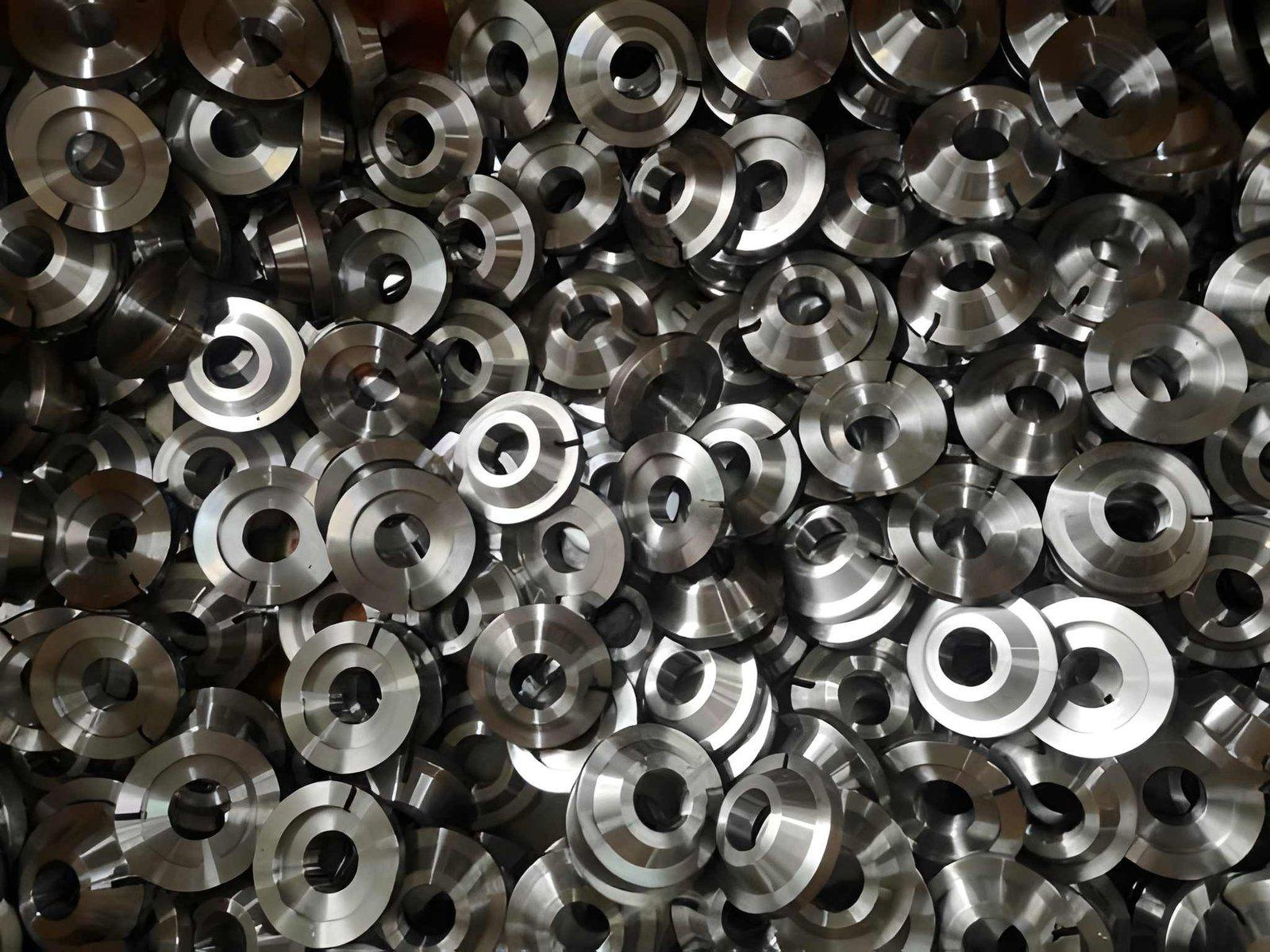
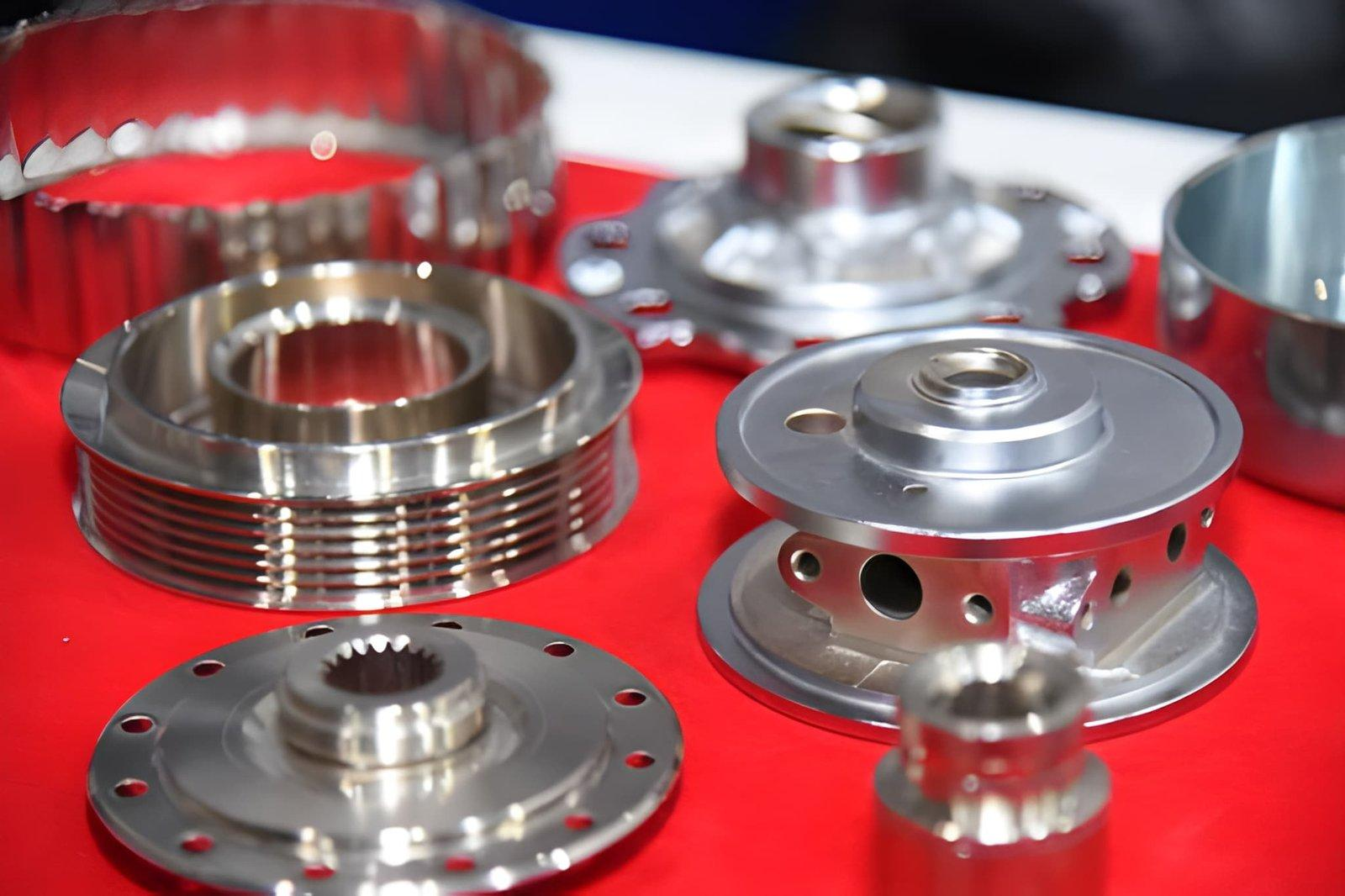
At Sochain Precision, we manufacture custom Invar components for applications where dimensional stability is critical. Our CNC machining services support prototype development, low-volume production, and large manufacturing orders while meeting customer drawings and engineering specifications.
Invar is commonly selected for precision components because it expands and contracts very little when temperatures change. This property makes it suitable for tooling, aerospace assemblies, measuring equipment, optical systems, semiconductor equipment, and other applications where dimensional accuracy must be maintained.
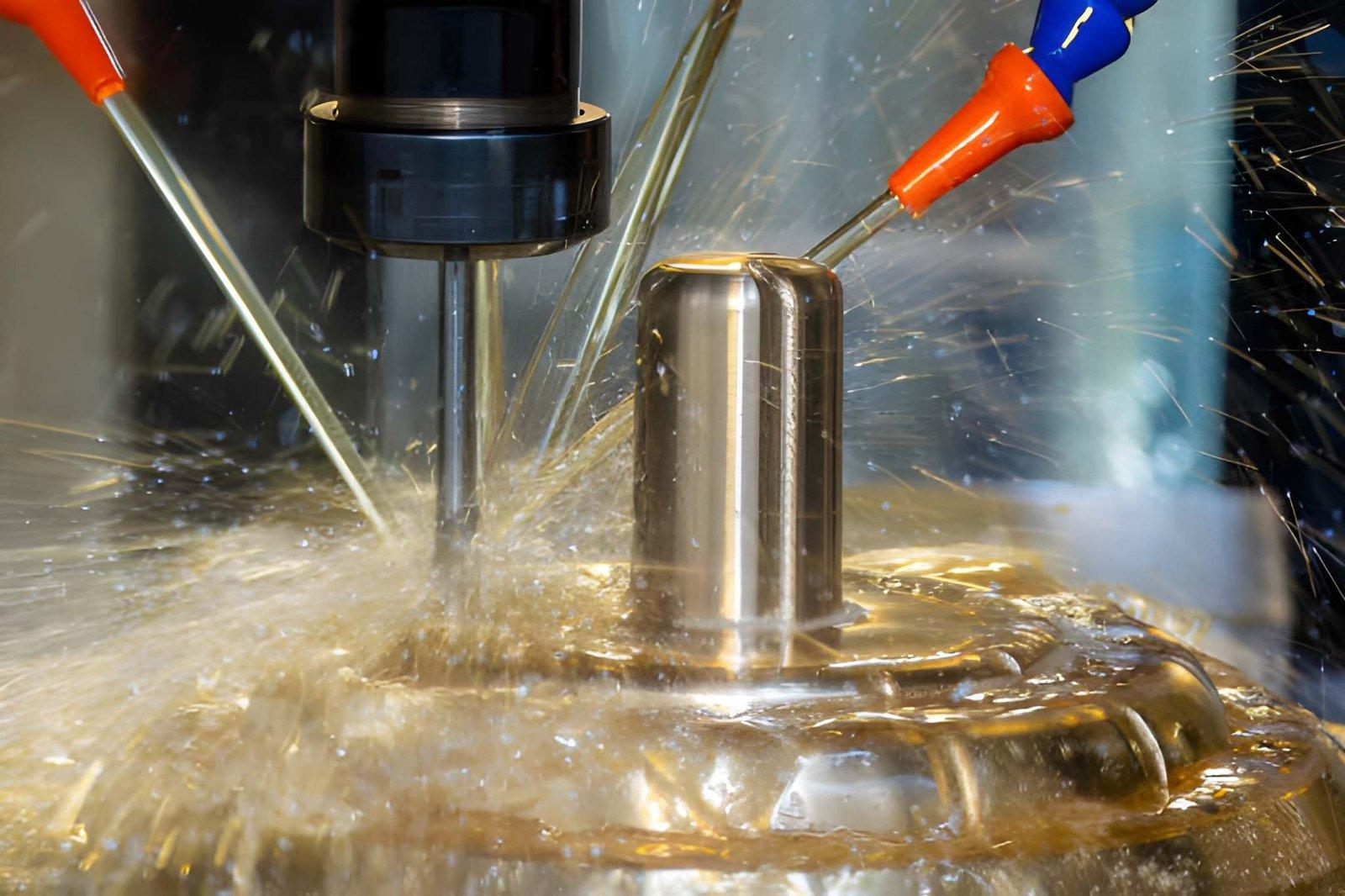
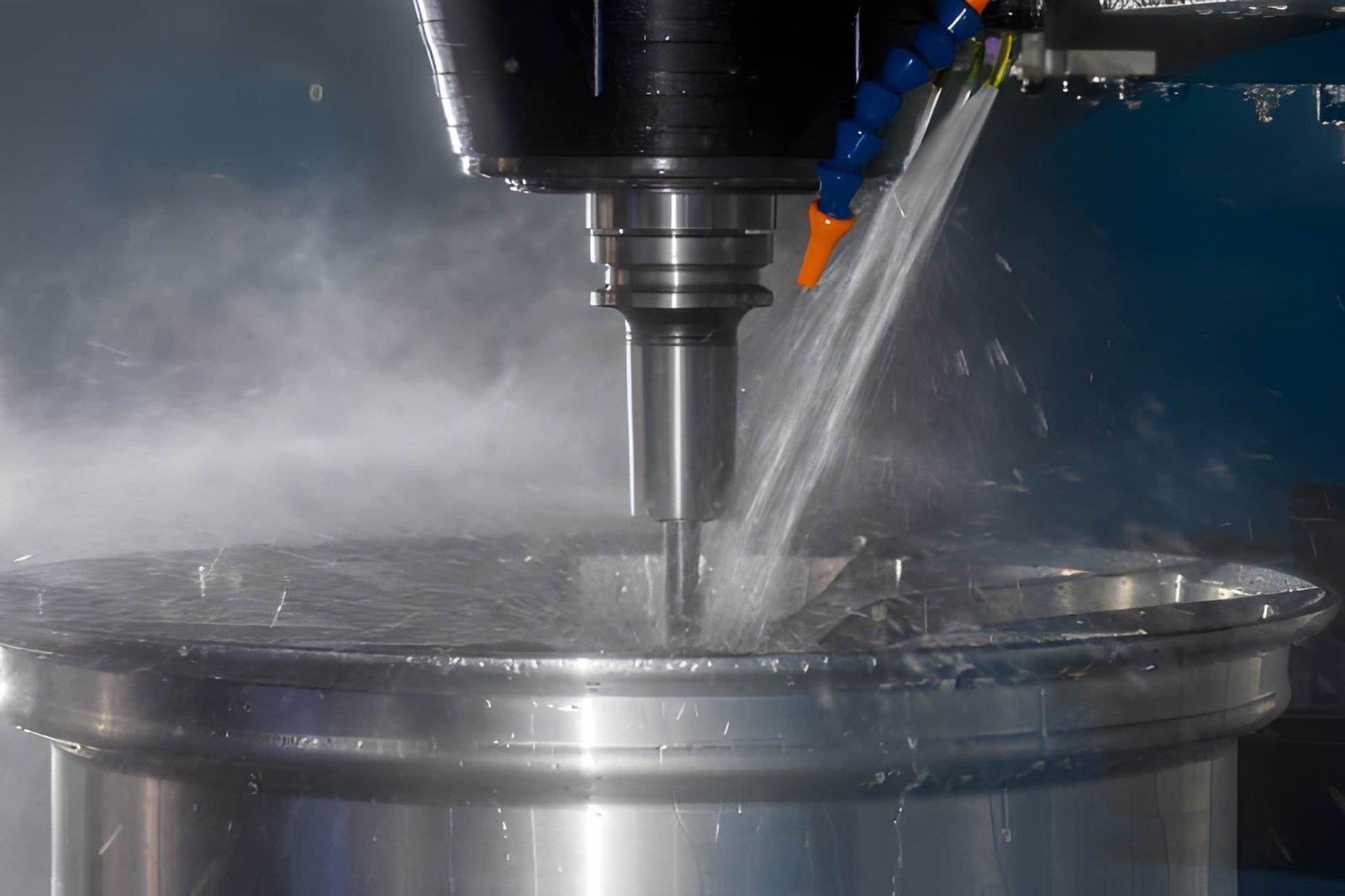
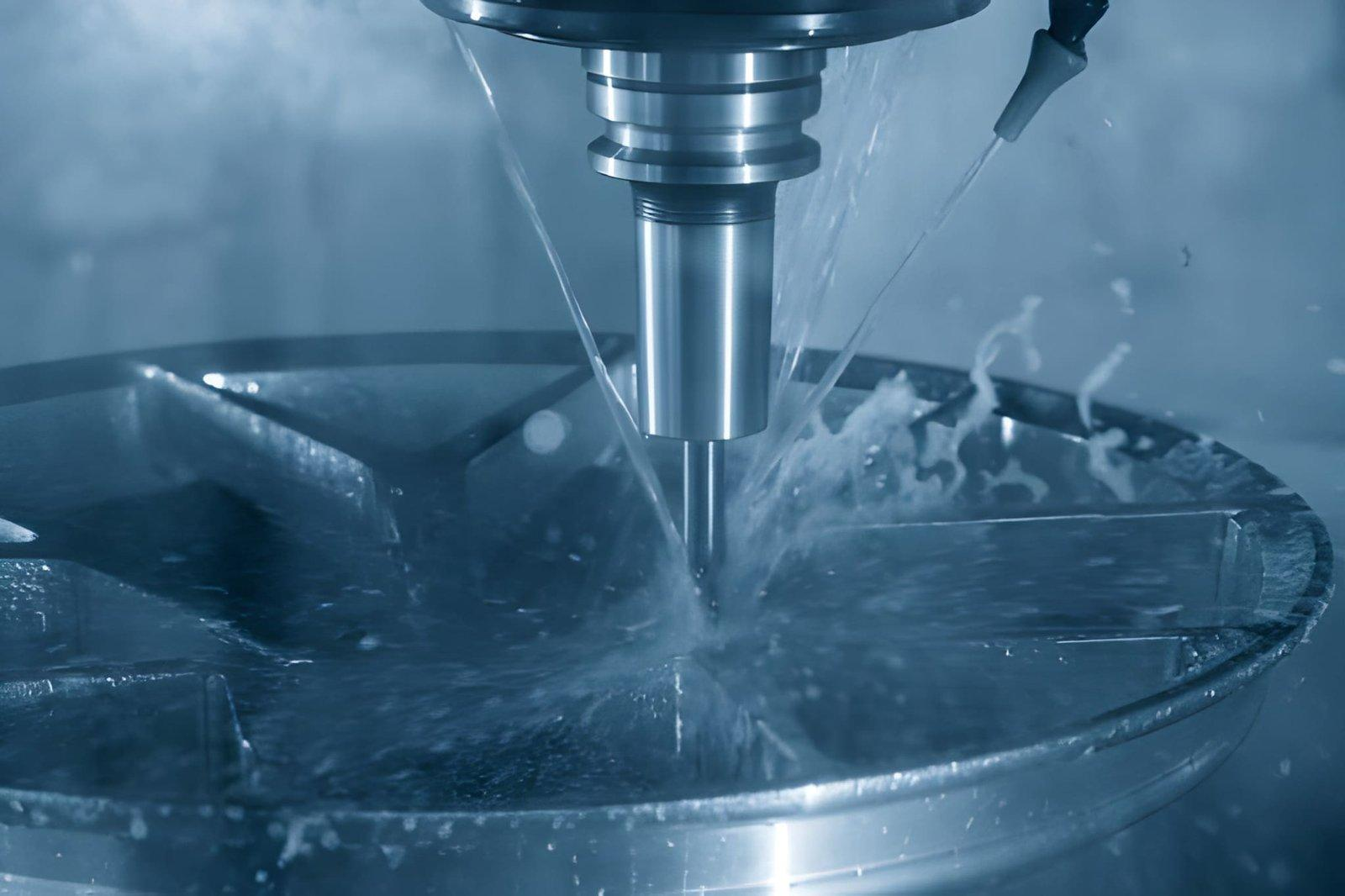
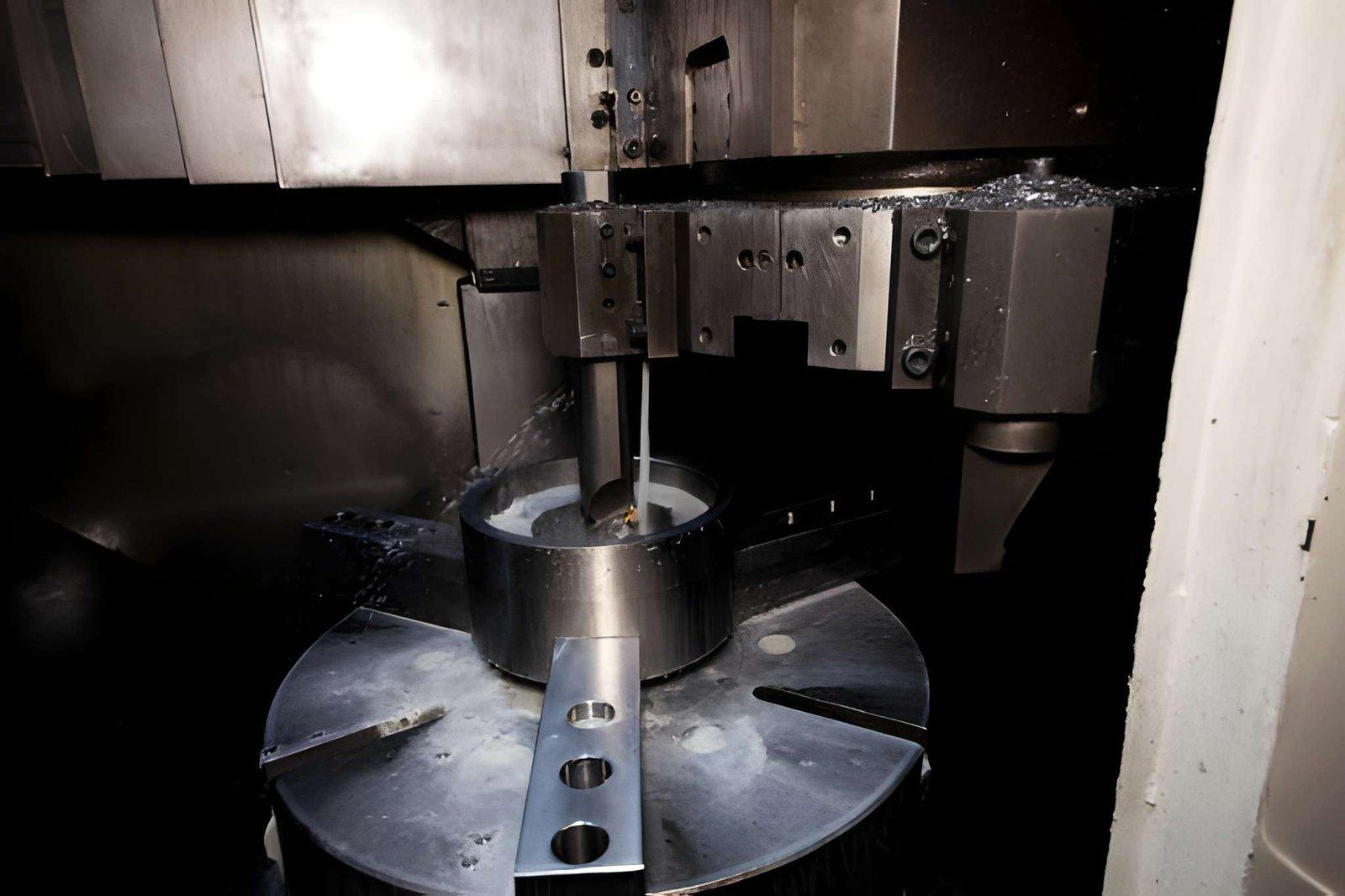
Our machining capabilities include CNC milling, CNC turning, drilling, tapping, reaming, and other secondary operations. Every project is reviewed before production to verify material selection, machining requirements, tolerances, and finishing specifications.
Rapid prototyping and full-scale production
ISO accredited & QC checks
All in-house processes
Used in over 50 countries
FREE Instant quotations
Invar Part Size & Manufacturing Capacity
The following table outlines our standard manufacturing capabilities for custom Invar components.
Feature | Capability |
Minimum Part Size | 1 × 2 in (25.4 × 50.8 mm) |
Standard Maximum Part Size | 44 × 44 in (1118 × 1118 mm) |
Maximum Custom Part Size | Up to 46 × 46 in (1168 × 1168 mm), subject to project review |
Production Volume | Prototype, low-volume, and production orders |
Minimum Order Quantity | 1 Part (Prototype) |
Available Invar Material Grades & Specifications
We machine commonly used Invar alloys for precision engineering applications. Additional grades may be available upon request.
| Specification | Available Options |
| Material Family | Nickel-Iron Alloy (Invar) |
| Standard Grade | Invar 36 (UNS K93600) |
| Optional Grade | Free-Cut Invar 36* |
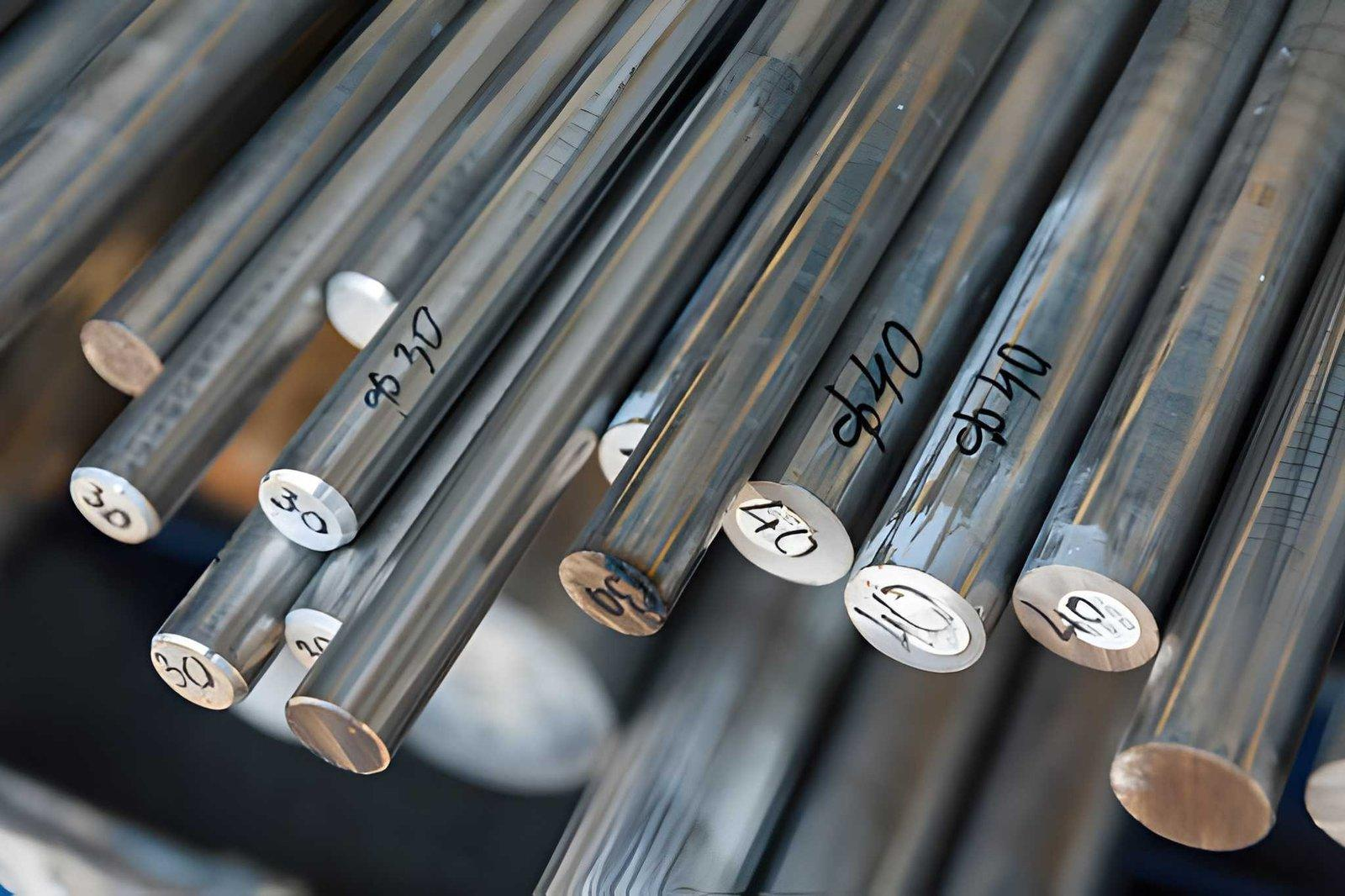
| Material Form | Plate, Block, Bar, and Custom Stock |
| Prototype Orders | Supported |
| Production Orders | Supported |
Availability depends on material supply.
Precision & Machining Tolerances
The following tolerances apply to standard Invar machining projects. Tighter tolerances can be evaluated according to your drawing requirements.
Specification | Capability |
Standard Machining Tolerance | Up to ±0.005 in (±0.127 mm) |
Critical Dimensions | Reviewed according to engineering drawings |
Surface Finish | Produced according to customer specifications where applicable |
Secondary Machining Operations
In addition to CNC milling and turning, we provide secondary machining operations to deliver finished parts ready for assembly.
Service | Description |
Thread Tapping | Internal threads produced according to specified thread sizes. |
Countersinking | Recessed holes for flush-mounted screws and fasteners. |
Reaming | Improves hole accuracy and surface finish for precision fits. |
Deburring | Removes sharp edges after machining. |
Surface Finishing Preparation | Parts prepared for customer-specified finishing processes. |
Standard Production Lead Time
Production schedules depend on material availability, machining complexity, and order quantity.
| Order Type | Typical Lead Time |
| Prototype Orders | Approximately 3 to 7 Business Days* |
| Standard Production | Approximately 2 Weeks* |
| Expedited Orders | Available upon project review |
Lead times are estimates and may vary depending on project requirements and material availability.
Invar Material & Machining Specifications
The table below compares the standard Invar machining options available through Sochain Precision.
| Specification | Invar 36 (UNS K93600) | Free-Cut Invar 36* |
| Material Type | Nickel-Iron Alloy | Nickel-Iron Alloy |
| Thermal Expansion | Very Low | Very Low |
| CNC Milling | Supported | Supported |
| CNC Turning | Supported | Supported |
| Thread Tapping | Available | Available |
| Countersinking | Available | Available |
| Prototype Orders | Supported | Supported |
| Production Orders | Supported | Supported |
| Typical Applications | Precision tooling, gauges, optical fixtures | Higher-volume machined components |
| Machinability | Moderate | Improved compared with standard Invar 36 |
Free-Cut Invar availability depends on material sourcing.
Supported CNC Machining Operations
The following machining processes are available for custom Invar components.
Service | Description |
CNC Milling | Produces complex profiles, pockets, slots, and precision surfaces. |
CNC Turning | Machines cylindrical components and rotational features. |
Drilling | Produces precision holes according to engineering drawings. |
Thread Tapping | Creates internal threads for fasteners and assemblies. |
Reaming | Improves hole size accuracy and finish. |
Countersinking | Produces recessed holes for flush hardware installation. |
Invar Material Overview
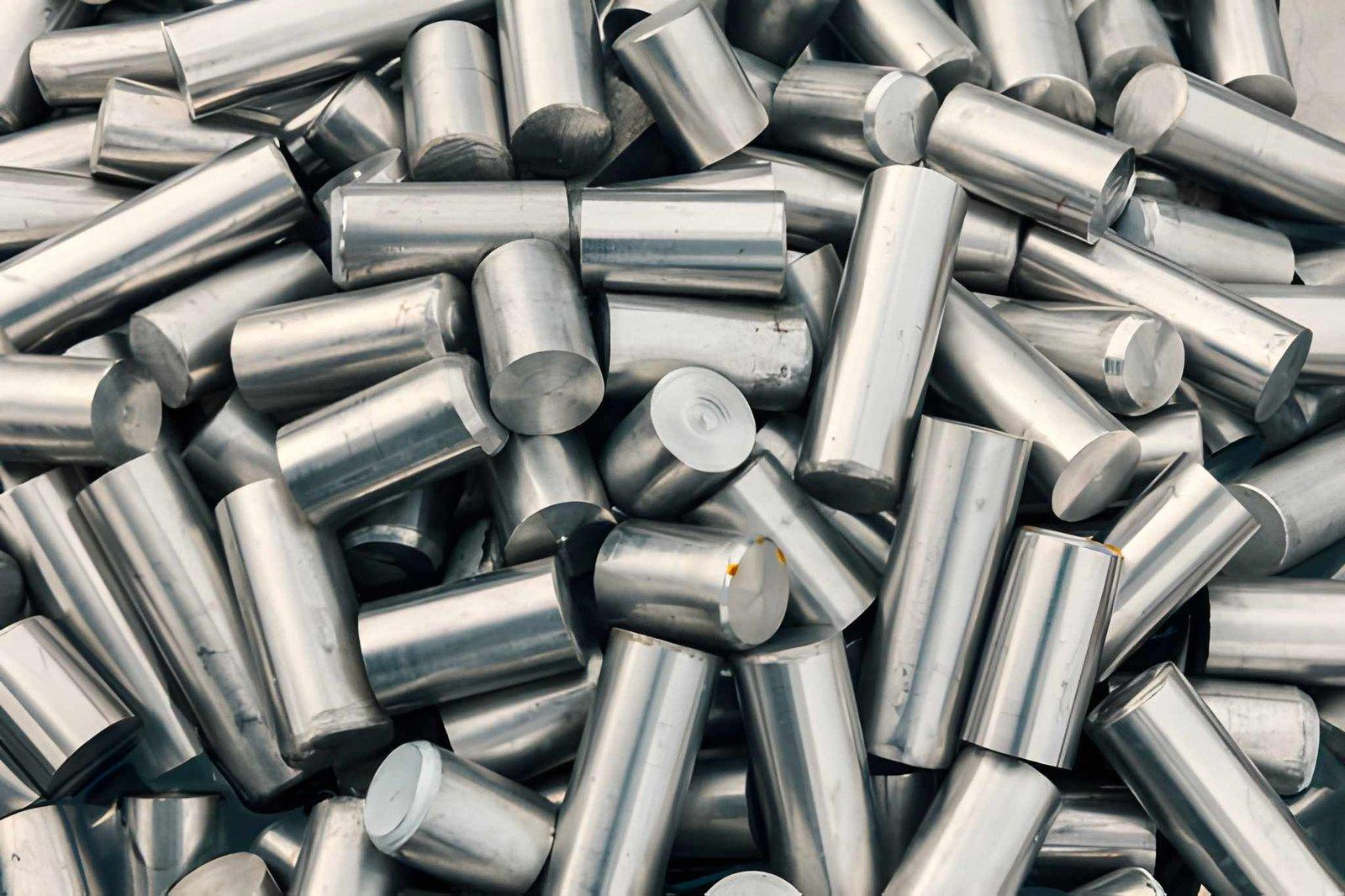
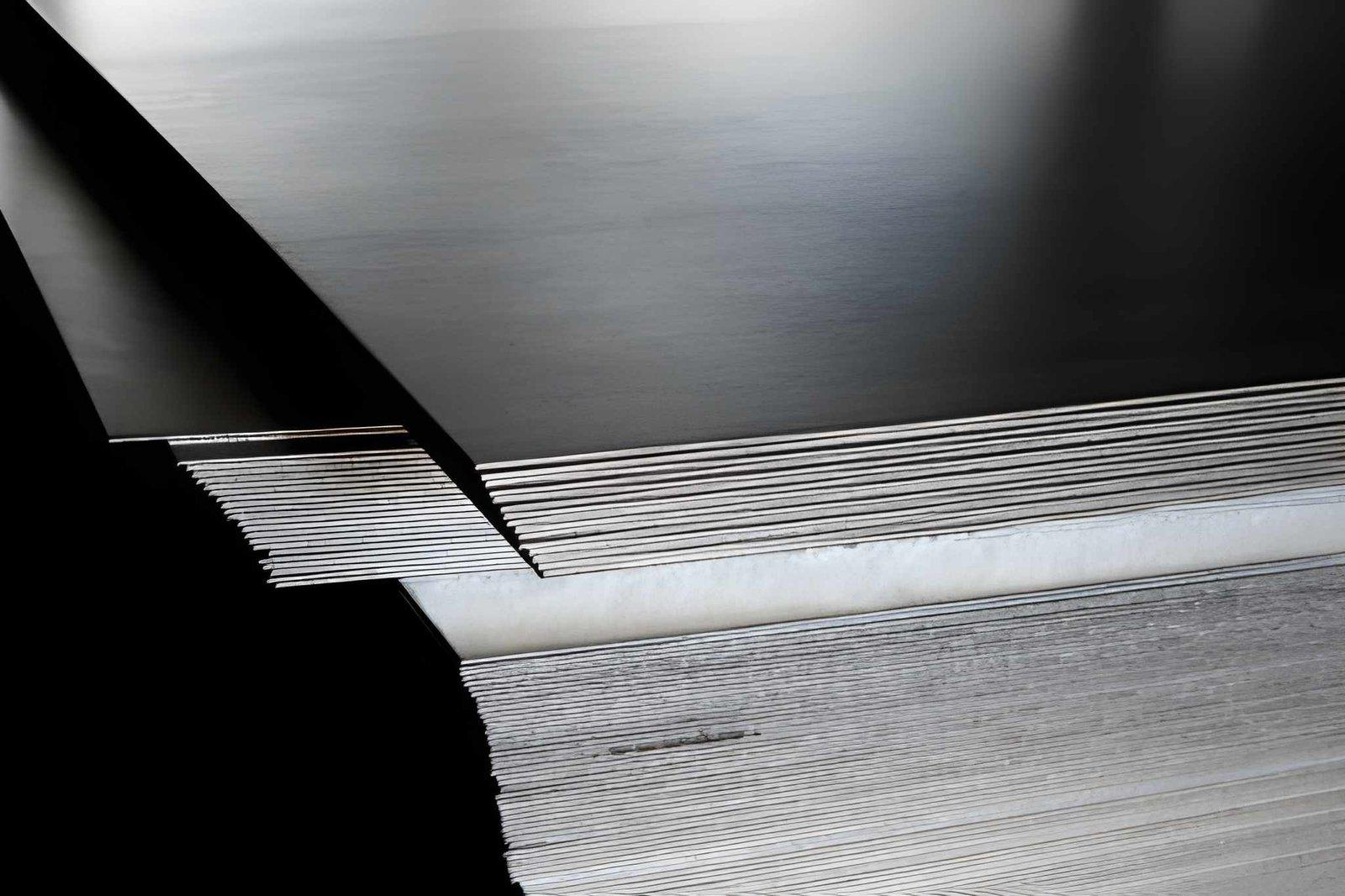
Invar is a nickel-iron alloy developed for applications where dimensional stability is critical. Compared with conventional engineering metals, it experiences very little expansion or contraction when exposed to temperature changes. This property makes it a preferred material for components that must maintain precise dimensions throughout their service life.
The most common grade, Invar 36 (UNS K93600), contains approximately 36% nickel and is widely used in aerospace, optics, semiconductor manufacturing, precision tooling, and scientific instruments.
Invar Material Properties
The following characteristics make Invar suitable for precision CNC machining and temperature-sensitive applications.
Property | Description |
Thermal Expansion | Extremely low coefficient of thermal expansion. |
Dimensional Stability | Maintains consistent dimensions during temperature changes. |
Density | Approximately 8.05 g/cm³ (0.291 lb/in³). |
Tensile Strength | Approximately 65,000 psi (448 MPa). |
Hardness | Approximately Rockwell B70. |
Corrosion Resistance | Suitable for many industrial environments. |
Magnetic Property | Ferromagnetic nickel-iron alloy. |
Weldability | Can be welded using suitable procedures. |
Heat Treatment | Not hardened by heat treatment; strength is increased through cold working. |
Design & Machining Considerations For Invar Custom Parts
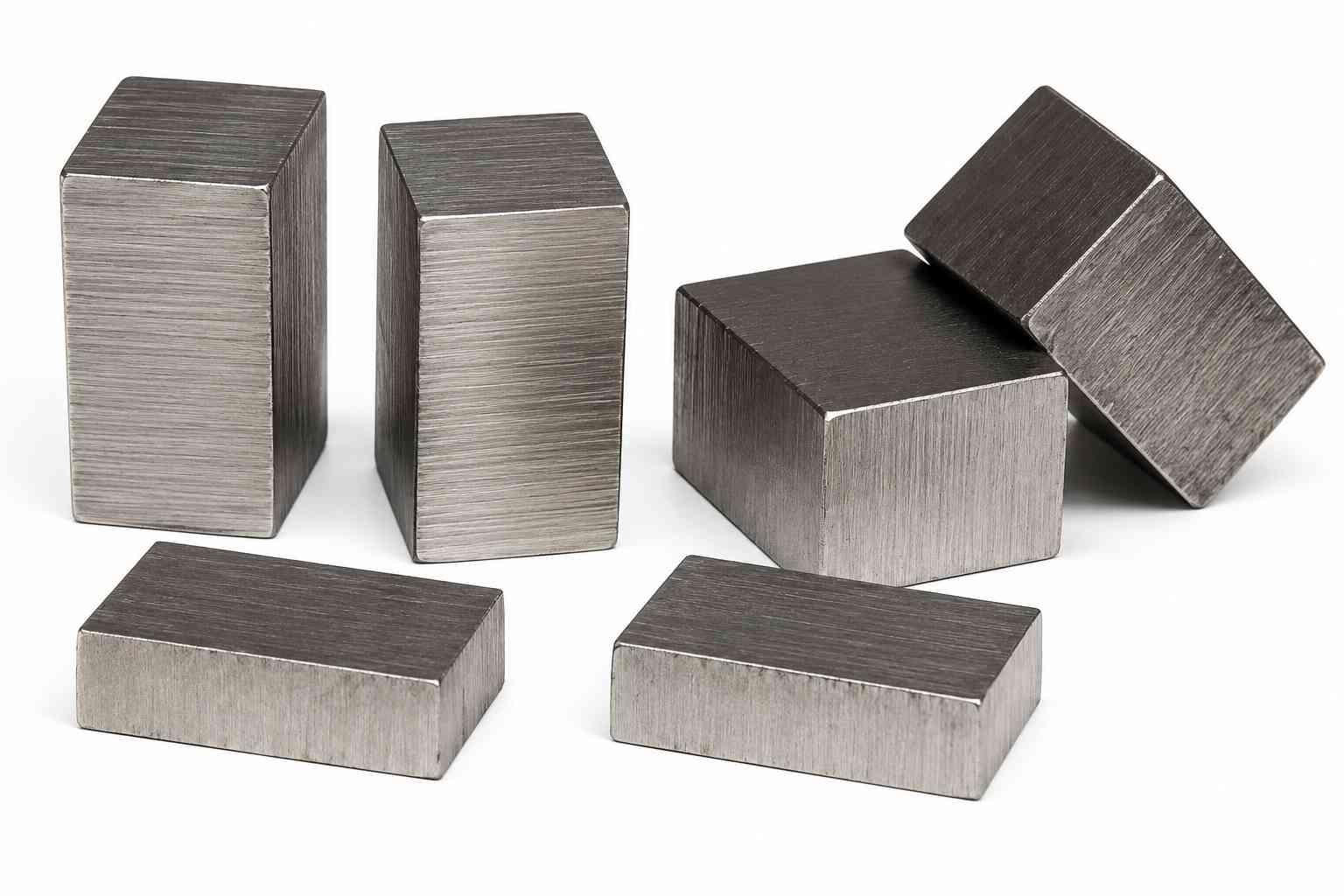
Invar is a tough and ductile nickel-iron alloy that requires careful machining. It tends to work harden during cutting, so stable machining parameters are important to maintain dimensional accuracy and reduce tool wear.
Sharp carbide cutting tools are commonly used to improve cutting performance and surface finish. Proper feed rates, cutting speeds, and coolant application also help control heat, improve chip removal, and extend tool life throughout the machining process.
Machining Factor | Recommendation |
Cutting Tools | Sharp carbide tooling is recommended for improved tool life and surface finish. |
Feed Rate | Maintain a consistent positive feed to reduce work hardening. |
Cutting Speed | Moderate cutting speeds generally provide better machining stability. |
Coolant | Adequate coolant helps control cutting temperature and extend tool life. |
Chip Control | Continuous chips may occur during machining; suitable chip control methods should be used. |
Stress Relief | Precision components may require stress-relieving after machining, depending on the application. |
Available Surface Finish Options
Surface finishing can improve appearance, corrosion resistance, wear performance, or assembly requirements.
Surface Finish | Typical Purpose |
Bead Blasting | Creates a uniform matte surface. |
Polishing | Produces a smoother surface finish. |
Black Oxide | Reduces glare and provides light corrosion protection. |
Electroless Nickel | Improves corrosion and wear resistance. |
Gold Plating | Used where electrical conductivity is required. |
Silver Plating | Applied for selected electrical applications. |
Powder Coating | Provides a durable protective finish where applicable. |
Typical Applications
Because of its dimensional stability, Invar is widely used in equipment that must maintain accuracy over a range of operating temperatures.
Industry | Typical Components |
Aerospace | Precision tooling, structural fixtures, positioning components |
Optical Systems | Lens mounts, instrument frames, alignment fixtures |
Semiconductor | Inspection tooling, precision fixtures, support components |
Measuring Equipment | Gauges, calibration fixtures, measuring frames |
Industrial Equipment | Machine fixtures, tooling plates, precision assemblies |
Scientific Instruments | Stability-critical structural components |
FAQs
Invar is primarily used for components that must maintain accurate dimensions when temperatures change. It is commonly found in aerospace tooling, optical assemblies, semiconductor equipment, precision measuring instruments, calibration fixtures, and other applications where thermal expansion must be kept to a minimum.
Invar is a ductile nickel-iron alloy that tends to work harden during machining. Long, continuous chips and increased cutting forces can also affect machining performance. Using the correct cutting tools, machining parameters, and coolant helps improve surface finish, dimensional accuracy, and tool life.
Unlike many alloy steels, Invar does not gain hardness through conventional heat treatment. When increased strength is required, cold working is commonly used to improve the material's hardness and mechanical properties.
Our standard machining service supports Invar 36 (UNS K93600), the most widely used grade for precision applications requiring low thermal expansion. If your project requires another Invar alloy, our team can review your specifications and material requirements during the quotation process.
We manufacture custom Invar components for prototype development, low-volume production, and high-volume manufacturing. Every order is produced according to your engineering drawings, material specifications, and machining requirements to ensure the finished parts meet your project needs.
We accept most standard CAD and engineering drawing formats, including STEP, IGES, DXF, DWG, and PDF. Providing both a 3D model and a detailed drawing helps us review your design more efficiently and prepare an accurate quotation.
Standard Invar components can typically be machined to ±0.005 in (±0.127 mm), depending on the part geometry, feature size, and machining requirements. If tighter tolerances are specified on your drawing, our engineering team will review the design and determine the most appropriate manufacturing approach.
At Sochain Precision, every Invar project is reviewed before production to verify the material grade, machining strategy, tolerances, and finishing requirements. Our team manufactures custom components according to your drawings, whether you require a single prototype or ongoing production quantities.
If you're looking for a reliable manufacturing partner for precision Invar components, send us your CAD files or technical drawings. We'll review your design and provide a quotation based on your machining and delivery requirements.
Start Manufacturing Your Custom Parts Now!
Understanding Your Goals, Delivering Your Solutions – We’re Committed to Making CNC Machining Simple and Stress-Free!