 (+035) 527-1710-70
 NEWSLETTER
Machining Ultem
Get custom Ultem parts machined for high-temperature, electrical, and structural applications. At Sochain Precision, we machine Ultem materials into precise plastic components with stable dimensions and reliable machining quality for both prototypes and production orders.
Ultem is commonly used for aerospace parts, electrical insulation components, medical devices, semiconductor fixtures, and industrial assemblies where heat resistance and mechanical strength are important.
Rapid prototyping and full-scale production
ISO accredited & QC checks
All in-house processes
Used in over 50 countries
FREE Instant quotations
Our Ultem Machining Capabilities
- CNC milling
- CNC turning
- Hole drilling
- Slot machining
- Pocket machining
- Profile cutting
- Thin-wall machining
- Tight tolerances
- Smooth machined surfaces
- Heat-resistant plastics
- Structural plastic parts
- Electrical insulation parts
- Ultem 1000 machining
- Ultem 2300 machining
- Glass-filled Ultem
- Prototype machining
- Production batches
- Complex part geometry
- CAD file review
- DFM support
- Part inspection
- Fast lead times as short as 3 days
- Worldwide shipping
CNC Machining Techniques for Ultem Parts
Ultem is relatively difficult to machine due to its high rigidity, temperature resistance, and stability compared with many standard engineering plastics such as ABS, POM, and Acetal.
Our machinist determines the best suitable machining process based upon the component's geometric configuration, wall thickness, required tolerances, and intended functional use within an assembly.
CNC Milling
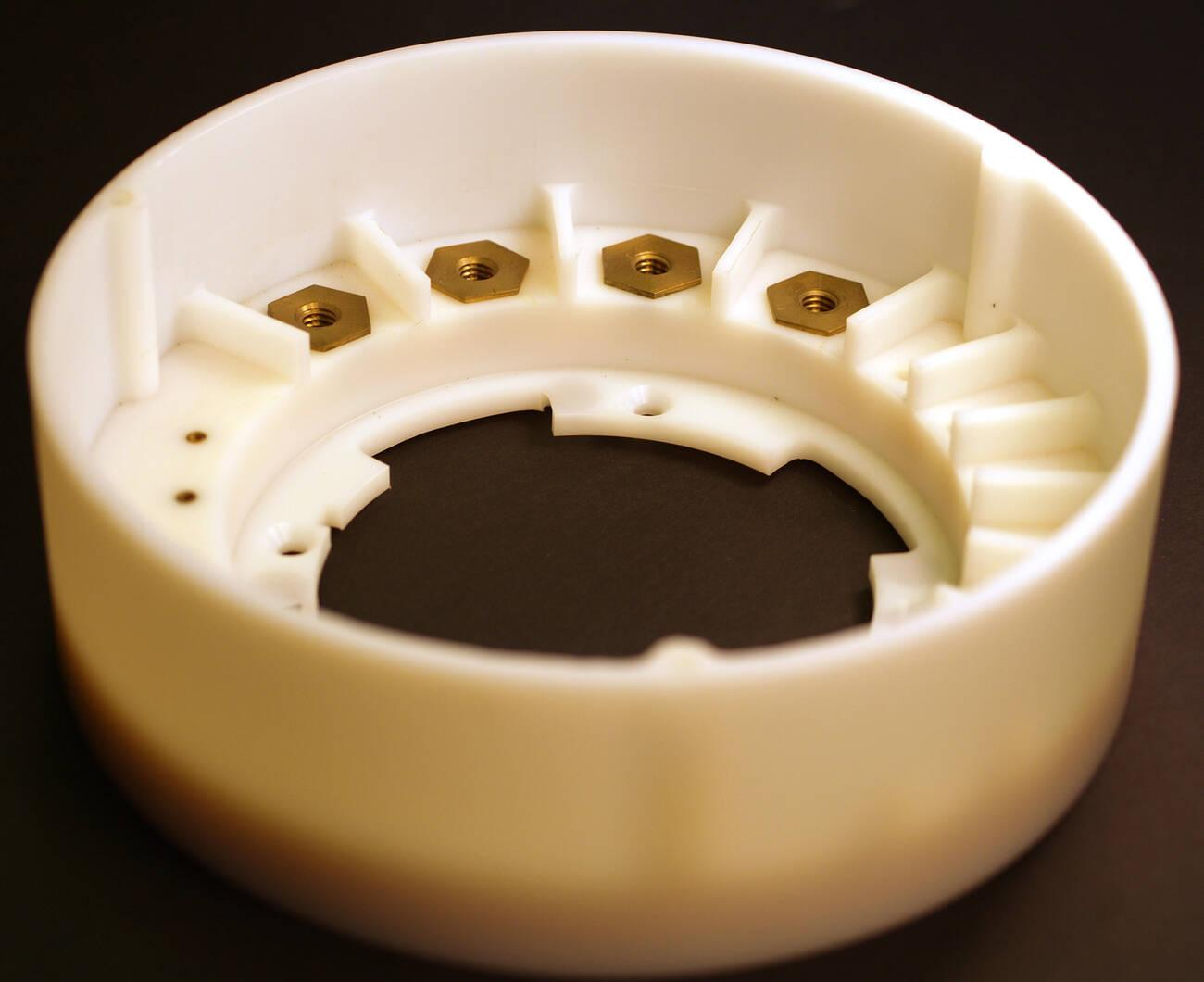
CNC milling is favoured for shaping flat surfaces, recessed areas (pockets), mounting features, and structural profiles.
Our engineers typically produce Ultem housings, electrical mounts, fixture plates, and lighter-weight structural parts where maintaining dimensional accuracy is critical.
CNC Turning
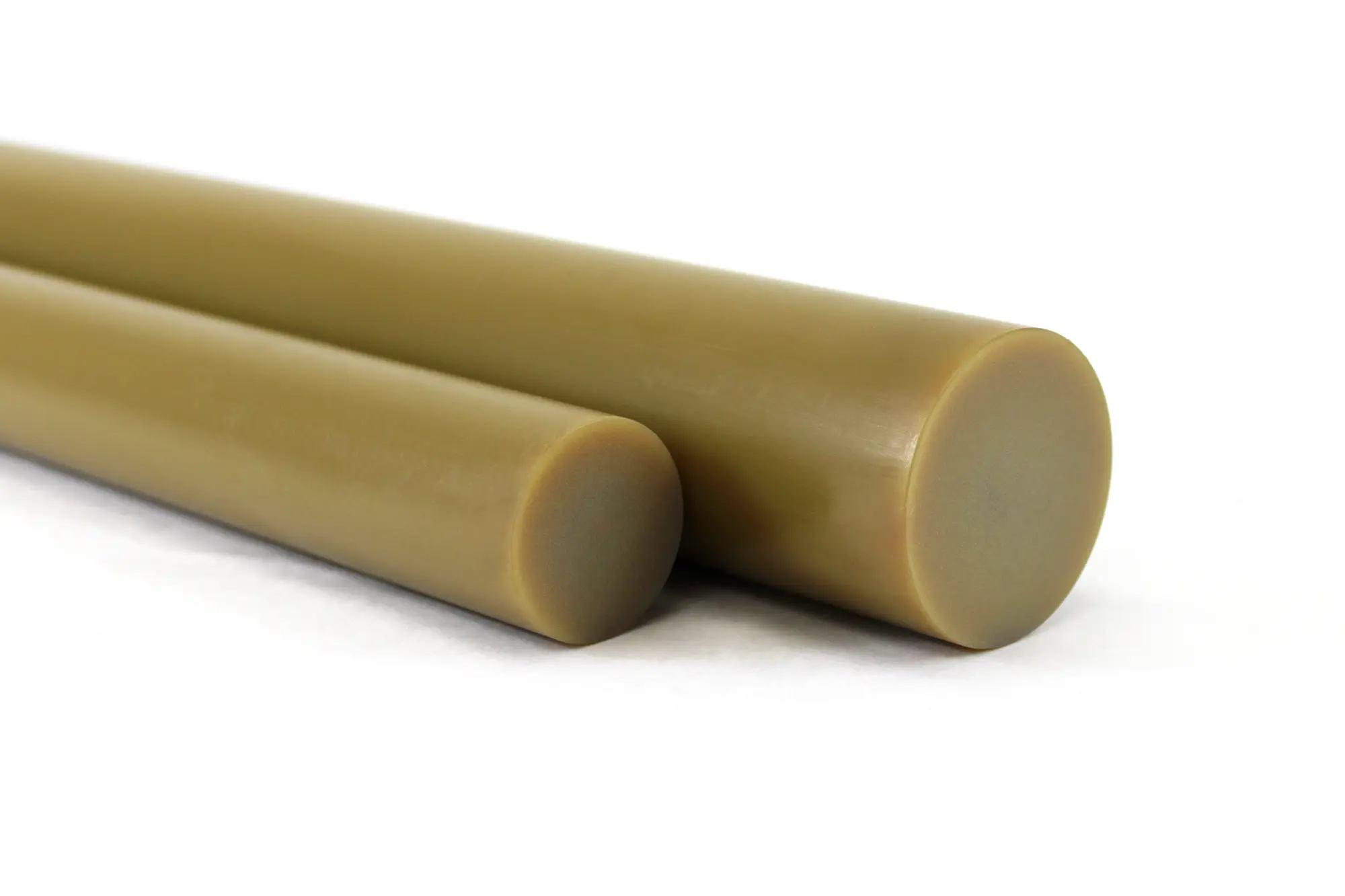
CNC turning is generally used for producing cylindrical Ultem components, including bushings, spacers, sleeves, and threaded rings.
During operation, it is crucial to maintain stable spindle speeds and control of tool engagement for achieving smooth surface finishes and minimizing stresses that develop near thinner wall sections.
Precision Drilling
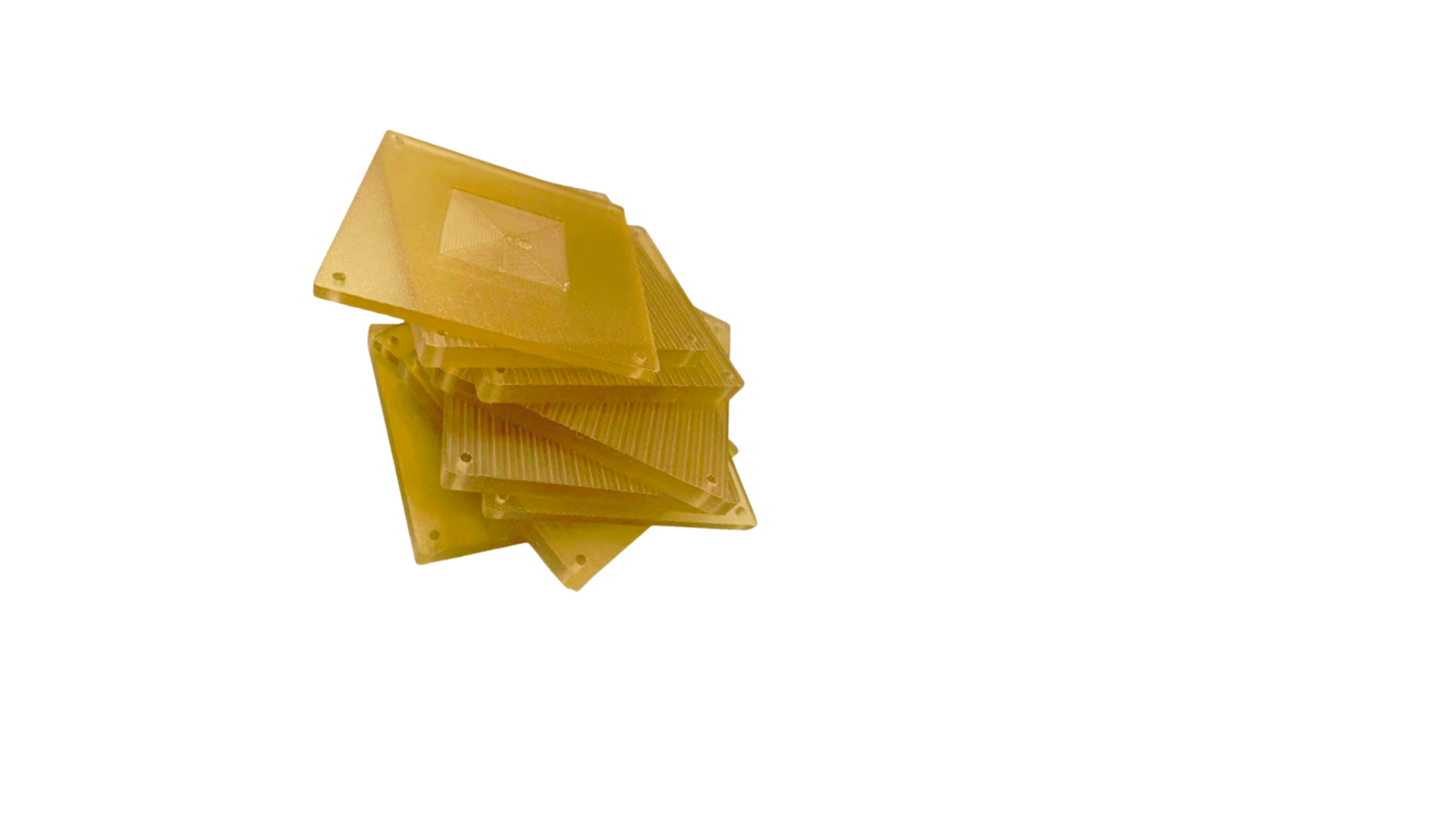
Our machinists use CNC drilling to produce holes for fasteners, alignment features, and assembly locations.
In drilling, we mainly emphasize using optimal drill geometry, along with controlling feed rates, which are both significant factors in avoiding excessive stress development at the edge of drilled hole locations.
Pocket and Slot Machining
Pocketing and slot machining are common techniques used for creating airflow channels, cable routing features, and mounting clearance spaces into lightweight structural parts.
By carefully monitoring the cut depth being achieved during pocketing and/or slot machining, the stability of walls being machined can be maintained.
Our Ultem Machining Process
Machining Ultem generates a significant amount of heat; if allowed to build up in certain spots, it will negatively impact the finish quality and precision in longer cuts.
Our team performs all machining operations in the most sanitary environment possible by setting up equipment, ensuring a clean work area, and inspecting finished products for cleanliness.
CAD File and Feature Review
Before starting an order, our engineering team reviews your CAD file. We determine acceptable tolerances, wall thicknesses, hole diameters, and interior details.
If your part contains deep-pocket areas, thin-walled sections, and unsupported wall sections, we carefully check and decide on the machining procedures.
Toolpath and Cutting Preparation
Once the CAD file review is complete, we develop the tool path on CAM software for machining.
Our engineers take into consideration the material type and the dimensions to develop optimal cutting parameters such as feed rate, spindle speed, and depth of cut to minimize excessive heat generation while producing a uniform surface finish.
Material Fixturing
The material is properly clamped before machining. Accurately designed fixtures dictate mechanical stability during machining processes and reduce vibrations and movements within the cutting zone. This is particularly important when machining longer and thinner pieces.
Rough Material Removal
The first few machining passes are used to remove large amounts of excess stock material and define the primary part's geometric characteristics.
We maintain consistent cutting depth throughout the machining process and retain the part size during the remainder of the operation.
Precision Feature Machining
After the rough material removal passes, small-diameter tools are then used to perform feature machining, including holes, slots, pockets, etc., with meticulous care and high precision.
Our engineers carefully adjust feed rates near thin sections and internal corners to prevent edge quality of the part.
Surface Cleanup and Edge Finishing
After completing machining passes, the part edges are cleaned, and any minor burrs created during the machining pass are also deburred.
This process provides improved handling qualities for the part and prepares it for either inspection or assembly.
Final Dimensional Inspection
Each completed part is inspected for conformance to ISO specifications regarding: tolerance and fit-up of holes, mating surfaces, and overall part dimensions.
Ultem Parts We Commonly Machine
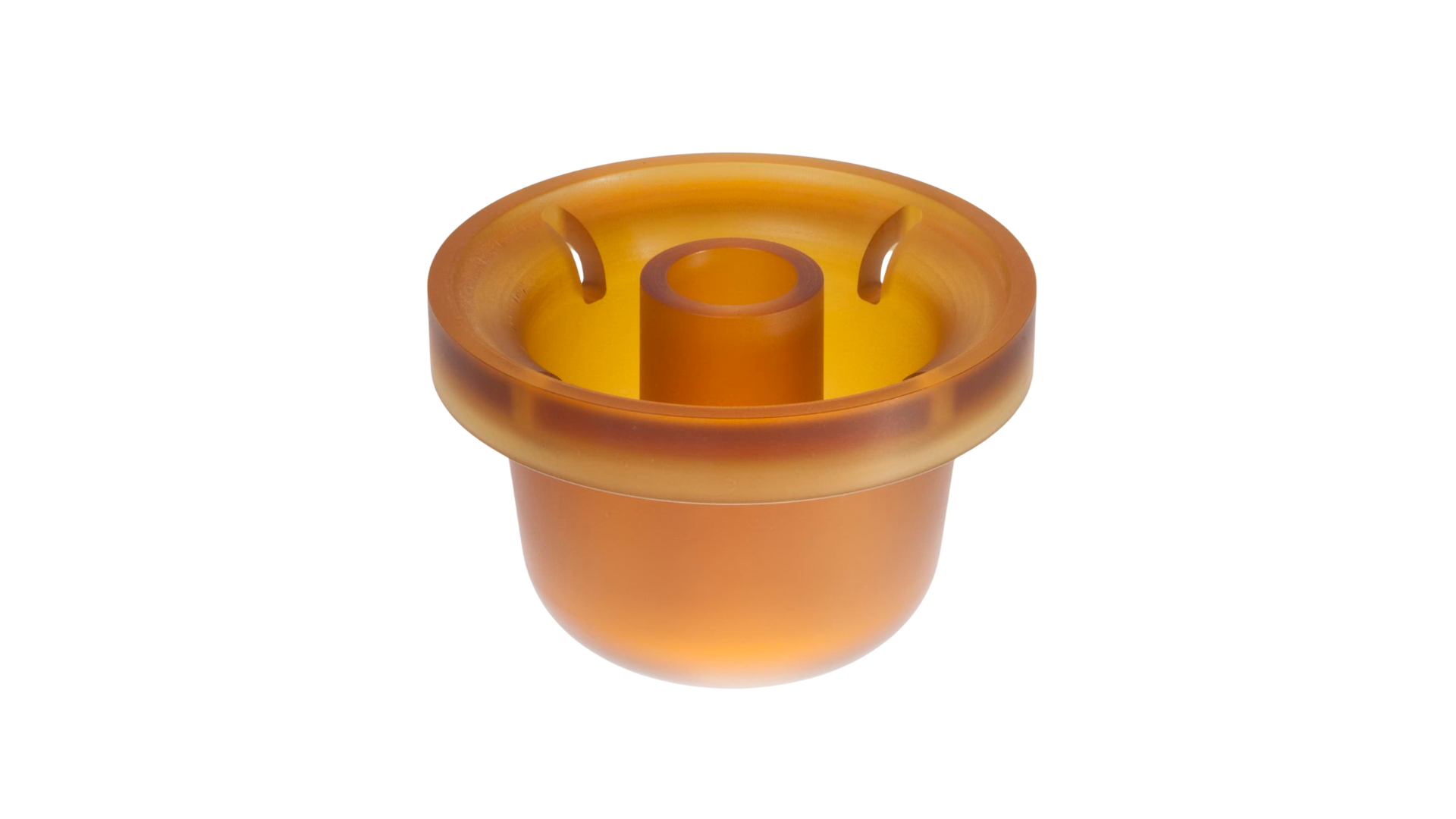
Our CNC Ultem machining service supports both prototype and production manufacturing for high-performance plastic components used in demanding operating environments.
These parts are commonly selected where heat resistance, electrical insulation, and mechanical stability are required together.
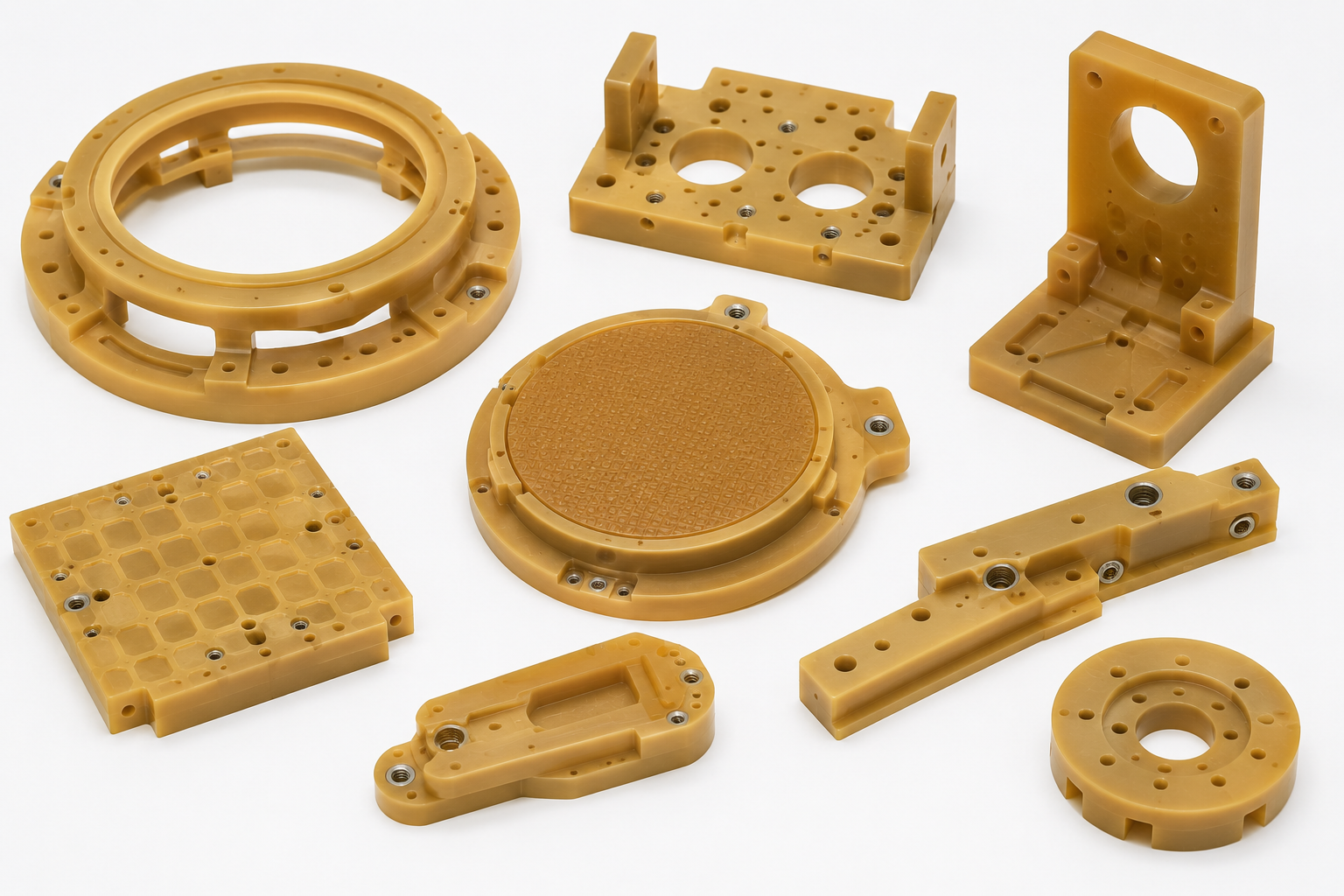
Common Ultem Components
Ultem Materials Available for CNC Machining
We machine various Ultem grades depending on the temperature resistance, strength, electrical properties, and structural requirements of the application.
Different grades are selected based on whether the part requires improved rigidity, dimensional stability, or higher mechanical performance.
Ultem 1000Ultem 2100Ultem 2200Ultem 2300Glass-Filled UltemUnfilled PEIReinforced PEIFDA-Compliant UltemFlame-Retardant PEIHigh-Temperature PEI Sheets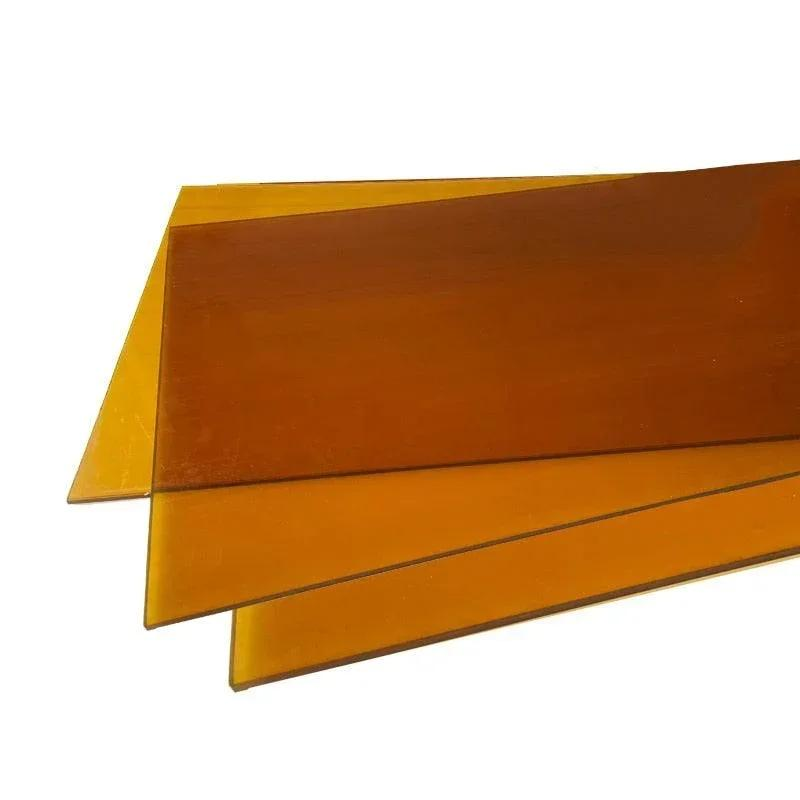
How to Work With Us: A Simple Process
We support both prototype and production machining for custom Ultem parts.
Our engineering team reviews the design, confirms machining feasibility, and manages the production process from material preparation to final inspection.
Upload Your CAD File
You can simply send your 2D drawings or 3D CAD files for review. Our engineers will check tolerances, wall thickness, internal features, and machining accessibility before production starts.
Receive a Quote
Next, our team reviews the material grade, geometry, and machining requirements before providing pricing and lead time details.
Confirm Production
After approval of the order, we commence your part production. Before that, we determine machine paths, cutting operations, and fixturing methods for each part before production begins.
Machining, Cleaning & Inspection
The Ultem parts are machined, cleaned, and inspected to confirm that they meet the required specifications regarding dimensional accuracy, surface quality, and feature orientation before shipping out.
Packaging & Shipping
Finally, finished components are packed to protect all surfaces and edges from damage throughout the delivery process.
Need Custom Ultem Machined Parts?
If your design is ready, our team can machine custom Ultem components with stable tolerances and reliable machining quality for aerospace, electrical, medical, and industrial applications.
Upload your CAD file or technical drawing for engineering review. We will evaluate the material grade, part geometry, and machining requirements before providing a clear quotation for your project.
Contact Sochain Precision today to discuss your Ultem machining requirements and request a free CNC machining quote.
FAQs
Ultem is generally stable during machining, but thin sections or long parts can move slightly if too much heat builds up during cutting. Proper cutting speeds and stable clamping help keep the part accurate.
Yes, glass-filled Ultem is stronger and stiffer, but it also wears cutting tools faster than standard Ultem grades. Machining parameters usually need closer control during production.
In some applications, yes. Ultem is often used for lightweight parts, electrical insulation components, and high-temperature fixtures where metal is not always necessary.
Thin walls, deep pockets, and small internal corners usually need more careful machining. These features can build heat during cutting and may affect edge quality if machining conditions are too aggressive.
Start Manufacturing Your Custom Parts Now!
Understanding Your Goals, Delivering Your Solutions – We’re Committed to Making CNC Machining Simple and Stress-Free!