 (+035) 527-1710-70
 NEWSLETTER
CNC Machining Polycarbonate
Get custom polycarbonate parts machined for custom covers, housings, guards, and industrial plastic components. At Sochain Precision, we produce polycarbonate parts with accurate dimensions, smooth machined surfaces, and reliable edge quality for both prototypes and production orders.
Our CNC machining service supports clear and colored polycarbonate materials for electronics, medical devices, lighting parts, automation equipment, and structural plastic assemblies where impact resistance and dimensional stability are required.
Rapid prototyping and full-scale production
ISO accredited & QC checks
All in-house processes
Used in over 50 countries
FREE Instant quotations
CNC Machining Capabilities for Polycarbonate Parts
- 3-axis CNC milling
- Precision CNC turning
- Drilled mounting holes
- Machined slots
- Internal pockets
- Contoured profiles
- Edge trimming
- Surface deburring
- Clear polycarbonate
- Tinted polycarbonate
- Optical-grade plastics
- Thin-wall machining
- Tight dimensional control
- Smooth machined edges
- Crack-resistant machining
- Prototype production
- Low-volume batches
- Production machining
- Transparent covers
- Protective guards
- Equipment housings
- Lighting components
- Fixture fabrication
- CAD file review
- DFM analysis
- Dimensional inspection
- Fast lead times
- Worldwide delivery
Machining Techniques We Use for Polycarbonate Parts
At Sochain Precision, we employ various CNC machining techniques based on your part geometry, desired optical clarity, wall thickness, and finish quality requirements.
We primarily focus on machining polycarbonate parts, which is centered on ensuring that all edges remain free from contamination; critical dimensions of the finished product must be maintained throughout the manufacturing process; and no machining marks will be created during processing.
CNC Milling
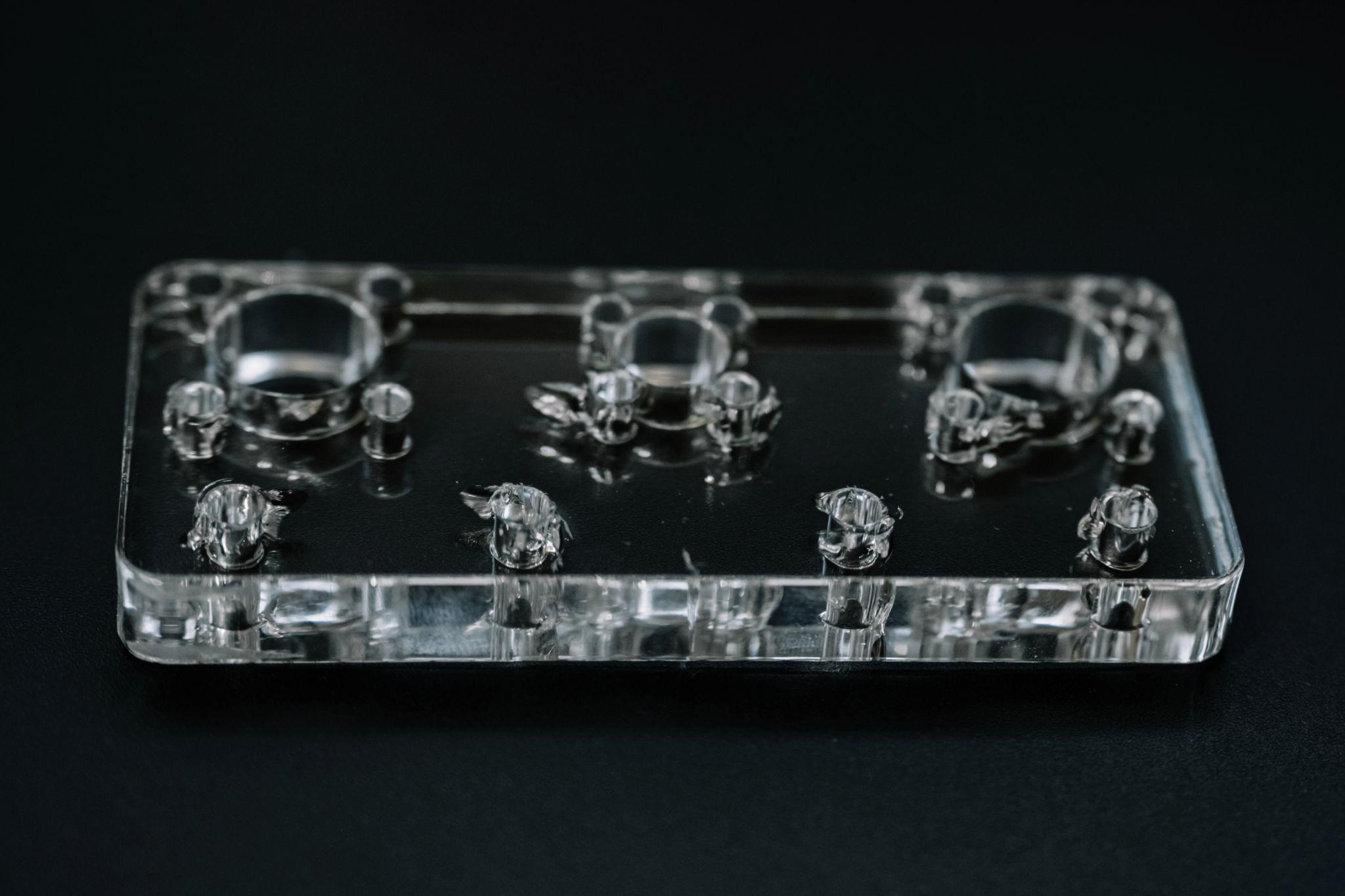
CNC milling is used to shape polycarbonate panels, covers, housing brackets, and structural components. Through this process, we create deep pockets, cut-outs, slots, contours, and mounting features into your products while maintaining precise dimensional control.
CNC Turning
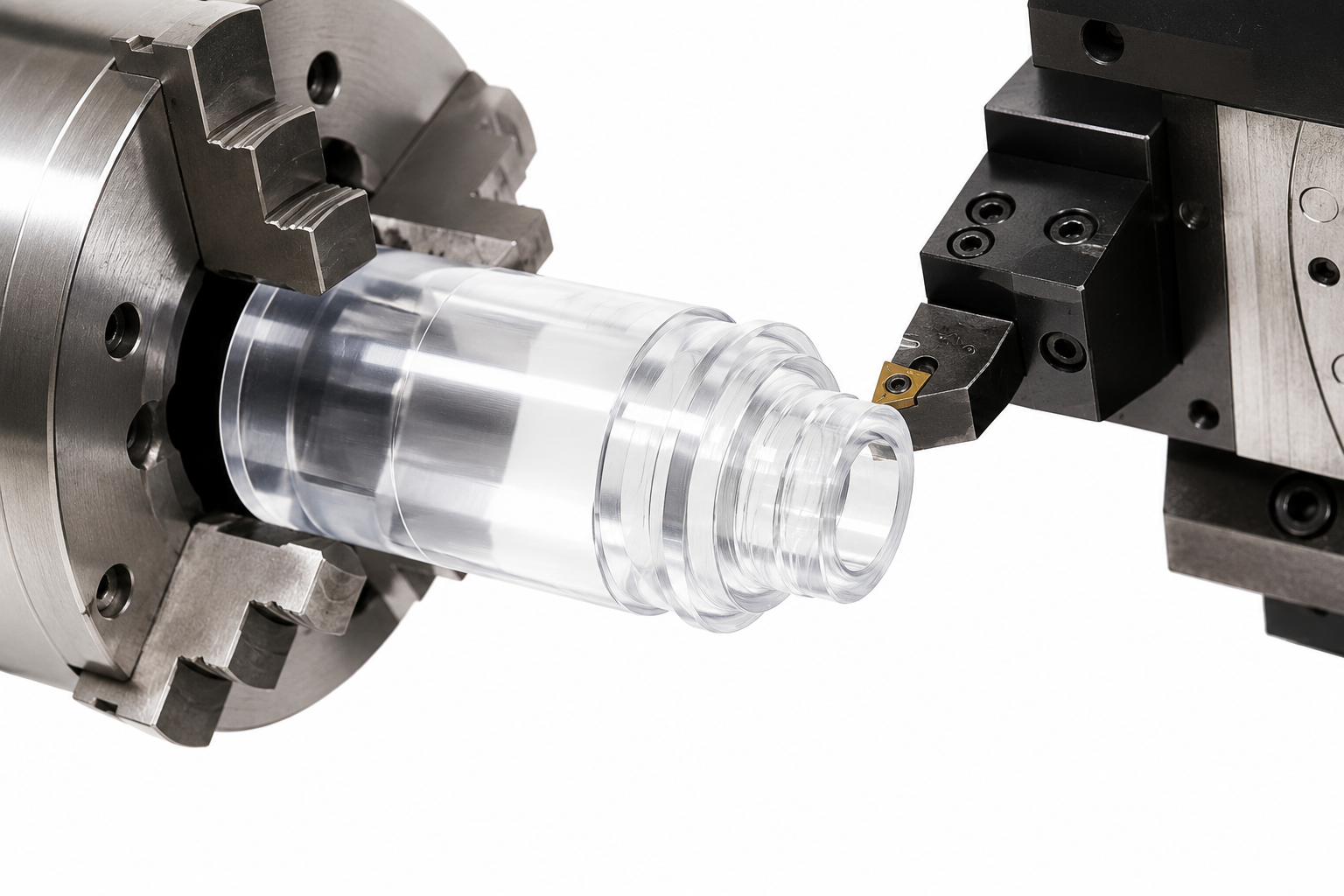
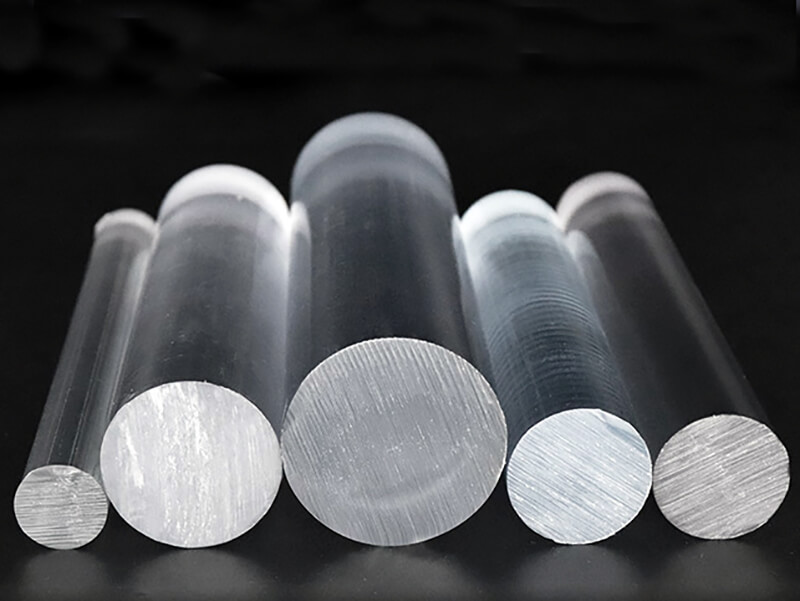
For round polycarbonate parts (such as bushings, rings, spacers & cylindrical covers), we employ CNC turning. It provides meticulous control over spindle speed, gives a better surface finish, and minimizes edge stress during machining.
Precision Drilling
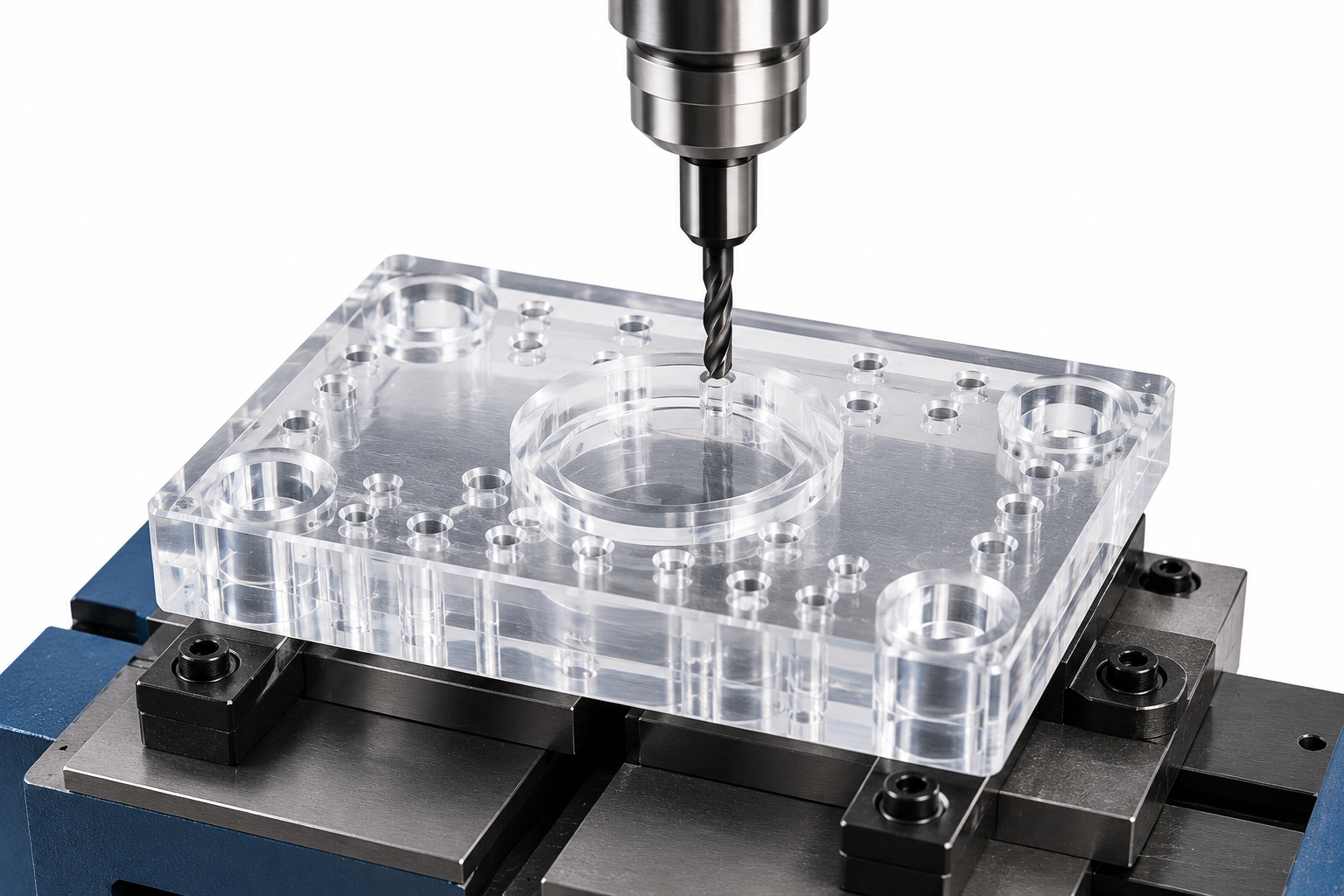
Mounting holes, assembly points, and fasteners are typically located through drilled holes. Maintaining proper drilling parameters helps us avoid cracking and stress marks produced by hole edges.
Edge Finishing
While many machined polycarbonate edges are acceptable as-is, additional finishing may be required to increase both transparency and surface smoothness. In these cases, deburring and polishing provide an effective means to remove machining marks and burrs.
Polycarbonate Materials Available for CNC Machining
We machine several polycarbonate grades based on the strength, transparency, thermal resistance, and electrical requirements of the final application. Different grades are selected depending on whether the part requires optical clarity, structural rigidity, flame resistance, or improved surface durability.
General Purpose Polycarbonate (PC)Optical-Grade PolycarbonateUV-Stabilized PolycarbonateFlame-Retardant Polycarbonate (FR-PC)Abrasion-Resistant PolycarbonateGlass-Filled PolycarbonateFDA-Compliant PolycarbonateBlack PolycarbonateClear PolycarbonateTinted PolycarbonateAnti-Static PolycarbonatePolycarbonate/ABS Blend (PC-ABS)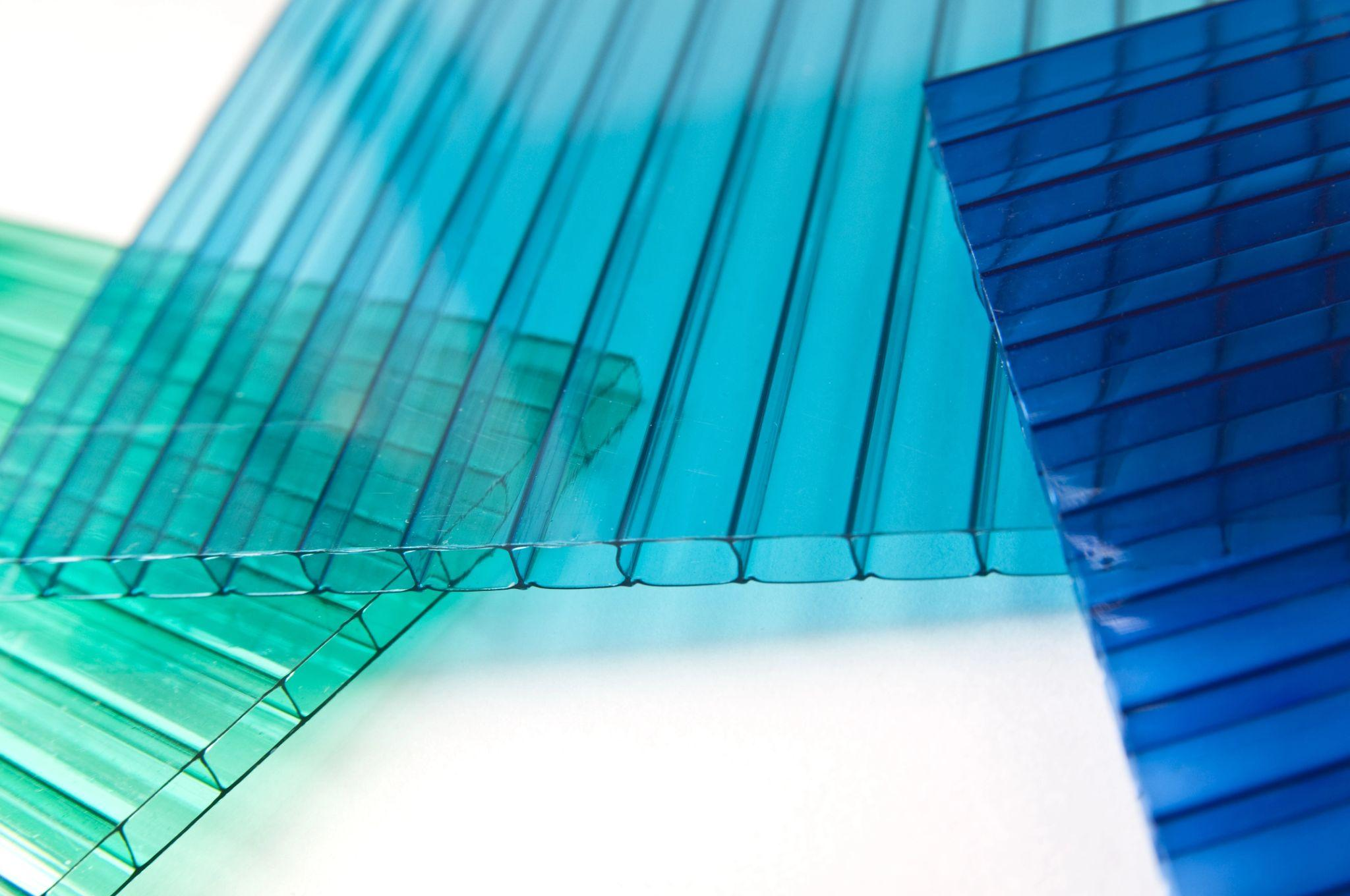
Our Polycarbonate Machining Workflow
Polycarbonate is highly sensitive to cutting forces. To avoid part distortion, overheating during machining, rough finishes, and excessive tool wear (i.e., an increase in costs), we have developed a rigidly controlled process. To achieve this, our engineers follow a series of steps:
CAD File Review
Before machining begins, our engineering staff will thoroughly review the CAD model of each part, including tolerances, wall thicknesses, and geometric layouts. This step is important as thin walls and sharp corners can influence the part stability being machined.
Material Setup
Once we are all set, a sheet/block of polycarbonate will be placed into a fixture, which is then clamped down tightly to the table of the CNC milling machine. By doing so, we ensure that there will be no motion and vibration when the part is being machined.
Rough Machining
This pass removes the excess material from the part, thus creating the basic shape of the finished product. The depth of these passes should always be controlled to minimize dimensional deviation throughout the entire part.
Detail Machining
This is typically the final machining stage. Here, smaller diameter cutters are used to make intricate features like slots, pockets, etc. In addition, some parts may require fine holes and deep cuts. These need to be made at slower feed rates than larger diameter cutters to keep edge stresses low and to limit the amount of surface damage caused by the cutting tool.
Edge Finishing
Sharp edges and minor burrs are removed after machining. Surface cleanup improves edge quality and part appearance.
Final Inspection
Finished parts are inspected for dimensions, hole positions, surface condition, and overall machining quality before shipment.
Polycarbonate Parts We Commonly Machine
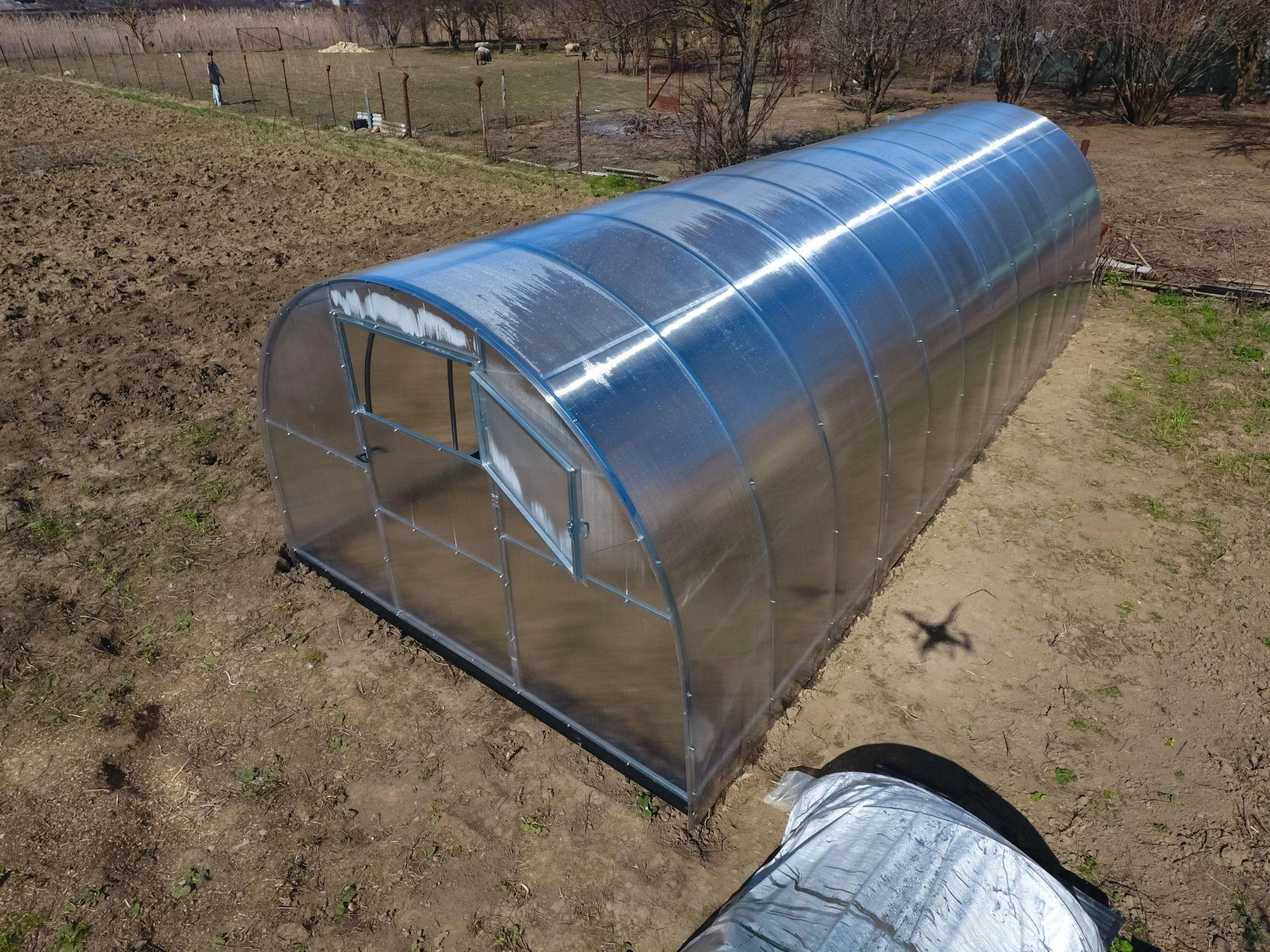
Our CNC polycarbonate machining service supports both prototype and production manufacturing for clear plastic components, structural parts, and industrial assemblies. These parts are commonly used where impact resistance, transparency, and stable dimensions are important.
Common Polycarbonate Parts
- Machine safety guards
- Transparent covers
- Equipment housings
- Lighting panels
- Display components
- Electrical covers
- Inspection windows
- Plastic brackets
- Fixture plates
- Control panels
- Protective shields
- Custom spacers
How to Work With Us: A Simple Process
We support both prototype and production machining for custom polycarbonate parts. Our team reviews the design, confirms machining feasibility, and manages production from material setup to final inspection.
Upload Your CAD File
Send your 2D drawings or 3D CAD files for engineering review. We check dimensions, wall thickness, feature spacing, and machining accessibility before production begins.
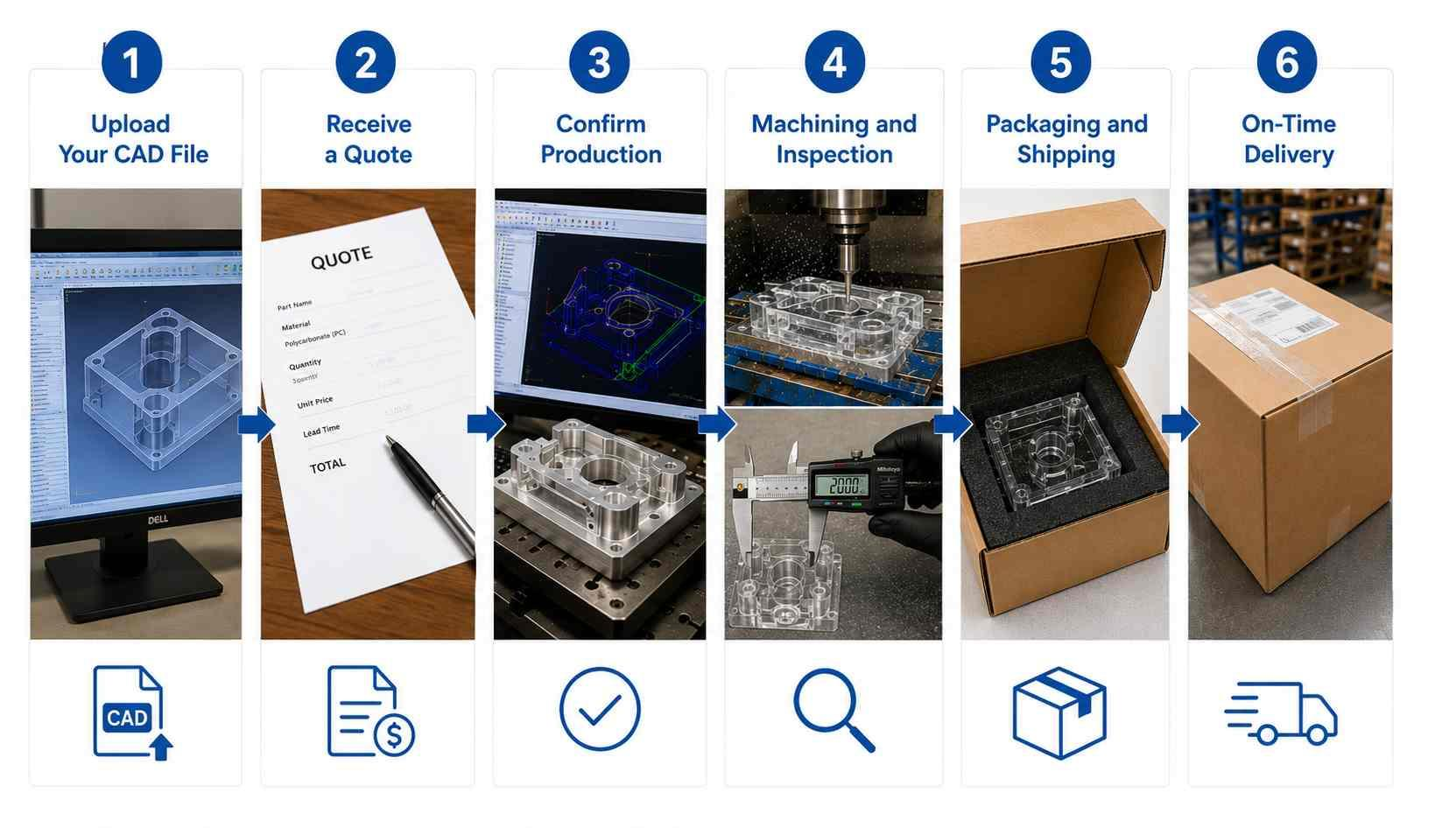
Receive a Quote
The team reviews all of the details of a given component (geometry, material grade, etc.) and machining requirements before sending out pricing and lead times for the project.
Confirm Production
Upon receiving approval on an order, the process of preparing a part for machining will begin. The tool paths for each operation, how they will be cut, as well as any necessary fixturing set-ups, will be completed in preparation for starting the actual machining of a part.
Machining and Inspection
Polycarbonate parts that have been machined are then cleaned and inspected to confirm that the dimensions were achieved correctly, the edges meet specifications, and overall machining has produced consistent results.
Packaging and Shipping
The finished components are packed carefully to ensure that there are no scratches or damage to surfaces and edges while being transported.
Need Custom Polycarbonate Machined Parts?
If your design is ready, our team can machine custom polycarbonate components with accurate dimensions and smooth machined surfaces for industrial, medical, electronic, and structural applications.
Upload your CAD file or technical drawing for review. Our engineers will evaluate the geometry, material selection, and machining requirements before providing a clear quotation for your project.
Contact Sochain Precision today to discuss your CNC polycarbonate machining requirements and request a free manufacturing quote.
FAQs
Most customers send STEP or IGES files for production, while DXF and PDF drawings are also helpful for dimensions and hole details. Clear CAD data helps us prepare cleaner toolpaths and reduce setup issues before machining starts.
Yes, especially when the cutting parameters are controlled properly. Polycarbonate machines quite cleanly, but rough tooling or excess heat can leave visible marks on clear surfaces. Edge finishing and polishing are often applied when appearance matters.
Polycarbonate is more impact-resistant than many transparent plastics, which makes it suitable for machined parts. However, stress can still develop around holes or sharp internal corners if aggressive cutting parameters are used. Proper tooling and stable fixturing help reduce this risk during machining.
We commonly machine guards, transparent covers, control panels, lighting components, housings, brackets, spacers, and custom industrial plastic parts. Some projects focus on appearance, while others require dimensional stability and impact resistance.
Yes, whether you need a one or single prototype part or require batch scale (medium to large volume, we have the right facility to meet your demands. So, you can confidently request a quote for your parts from our engineers, regardless of the quantity.
Start Manufacturing Your Custom Parts Now!
Understanding Your Goals, Delivering Your Solutions – We’re Committed to Making CNC Machining Simple and Stress-Free!