 (+035) 527-1710-70
 NEWSLETTER
PPS Machining Service
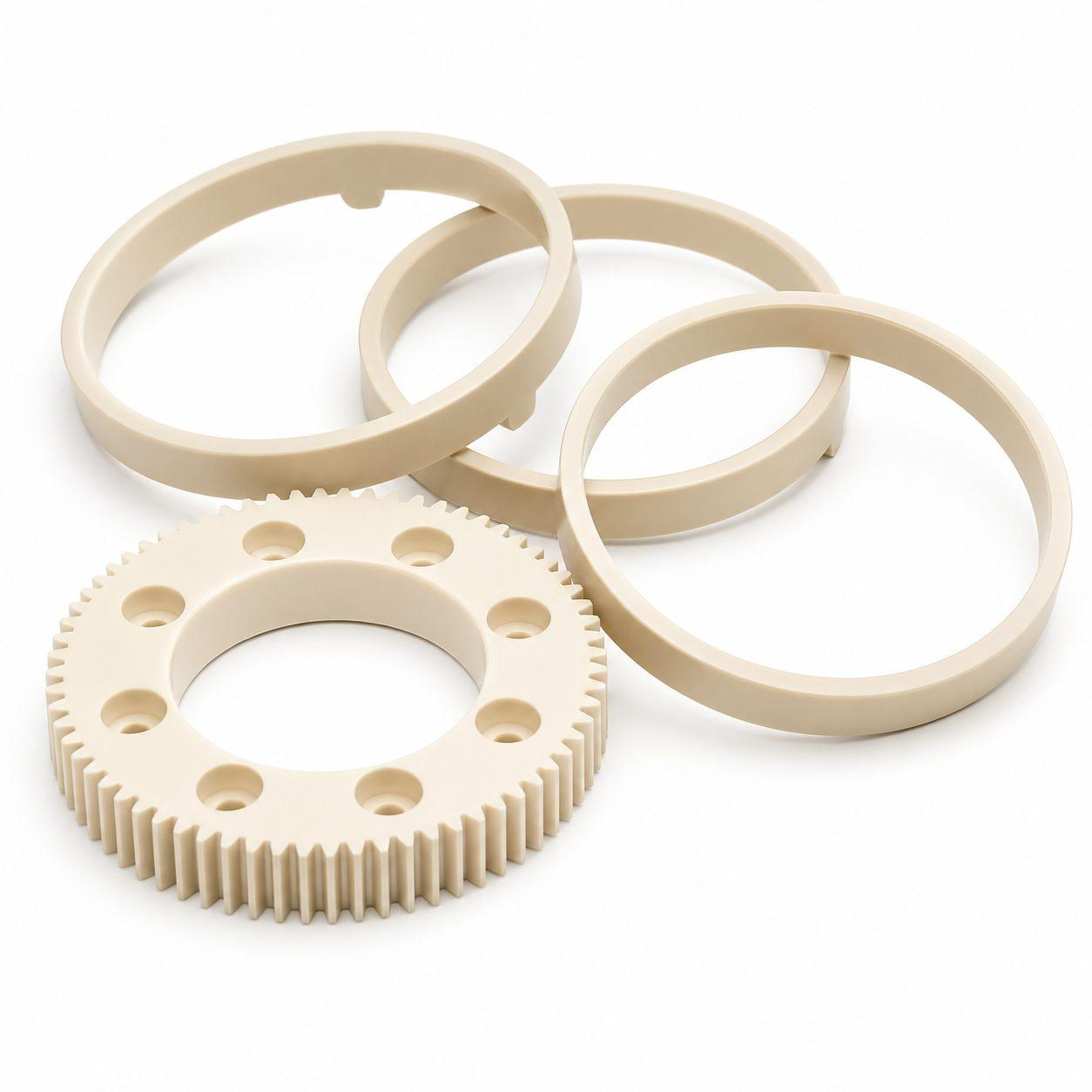
Manufacture custom PPS (Polyphenylene Sulfide) parts with precision CNC machining for applications that operate under high temperatures, aggressive chemicals, and demanding working conditions. Whether you need a prototype or production parts, we machine PPS components to your drawing and specification.
Rapid prototyping and full-scale production
ISO accredited & QC checks
All in-house processes
Used in over 50 countries
FREE Instant quotations
PPS Material Overview
PPS is an engineering thermoplastic valued for its ability to maintain strength and dimensional accuracy where many plastics begin to soften or deform. It performs reliably in environments exposed to heat, chemicals, and continuous mechanical loading, making it a common material for precision industrial components.
The material also offers excellent electrical insulation, very low moisture absorption, and good machinability. These characteristics allow complex parts to be produced while maintaining stable dimensions and consistent performance throughout their service life.
PPS Machining Specifications
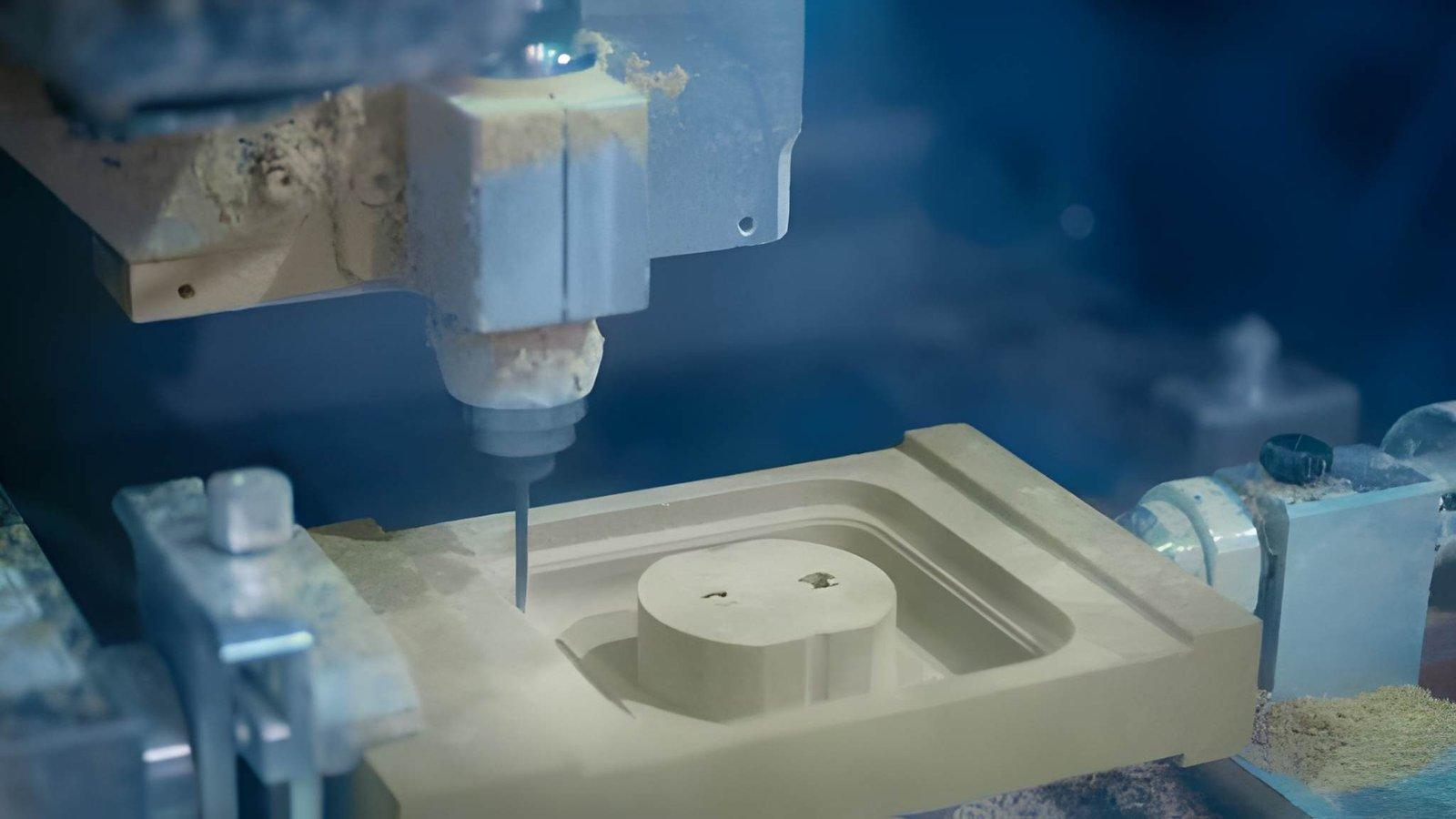
Specification | Details |
Available Processes | CNC Milling, CNC Turning |
Typical Lead Time | As fast as 7 days |
Available Color | Natural (Off-White) |
Machining Tolerance | With engineering drawing: up to ±0.005 mm Without drawing: ISO 2768 Medium |
Price Level | $$$ |
Common Applications | High-temperature components, automotive fluid systems, electrical appliances, industrial equipment, medical devices |
Why Choose PPS for CNC Machining?
PPS is often selected when the finished part must continue performing in conditions that are difficult for standard engineering plastics. Its combination of thermal stability, chemical resistance, and dimensional accuracy makes it suitable for precision components that are expected to operate for long periods without significant wear or deformation.
Some of the key advantages include:
Maintains its shape at elevated temperaturesResists many industrial chemicals and automotive fluidsProvides reliable electrical insulationMachines accurately with tight tolerancesAbsorbs very little moistureSuitable for demanding industrial environments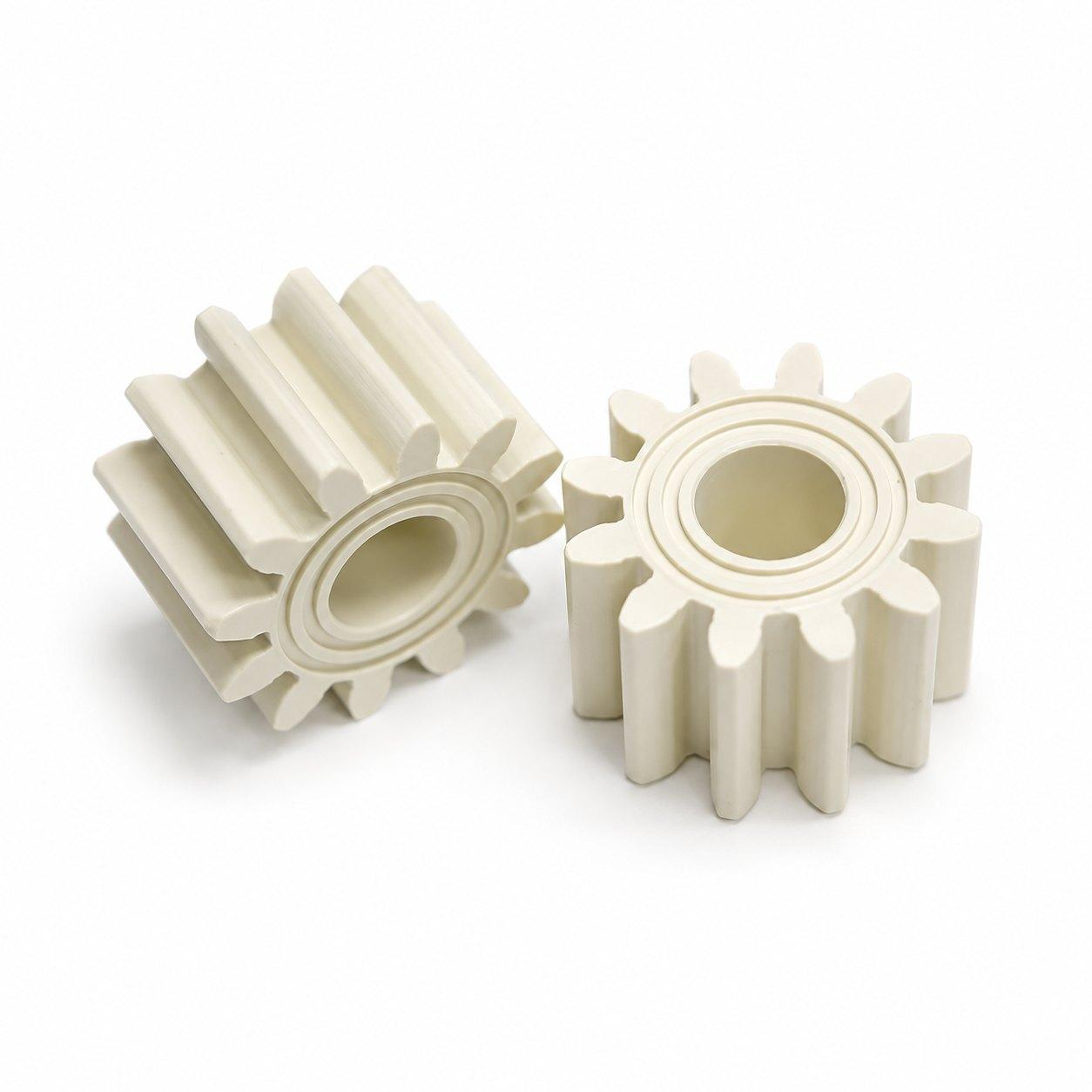
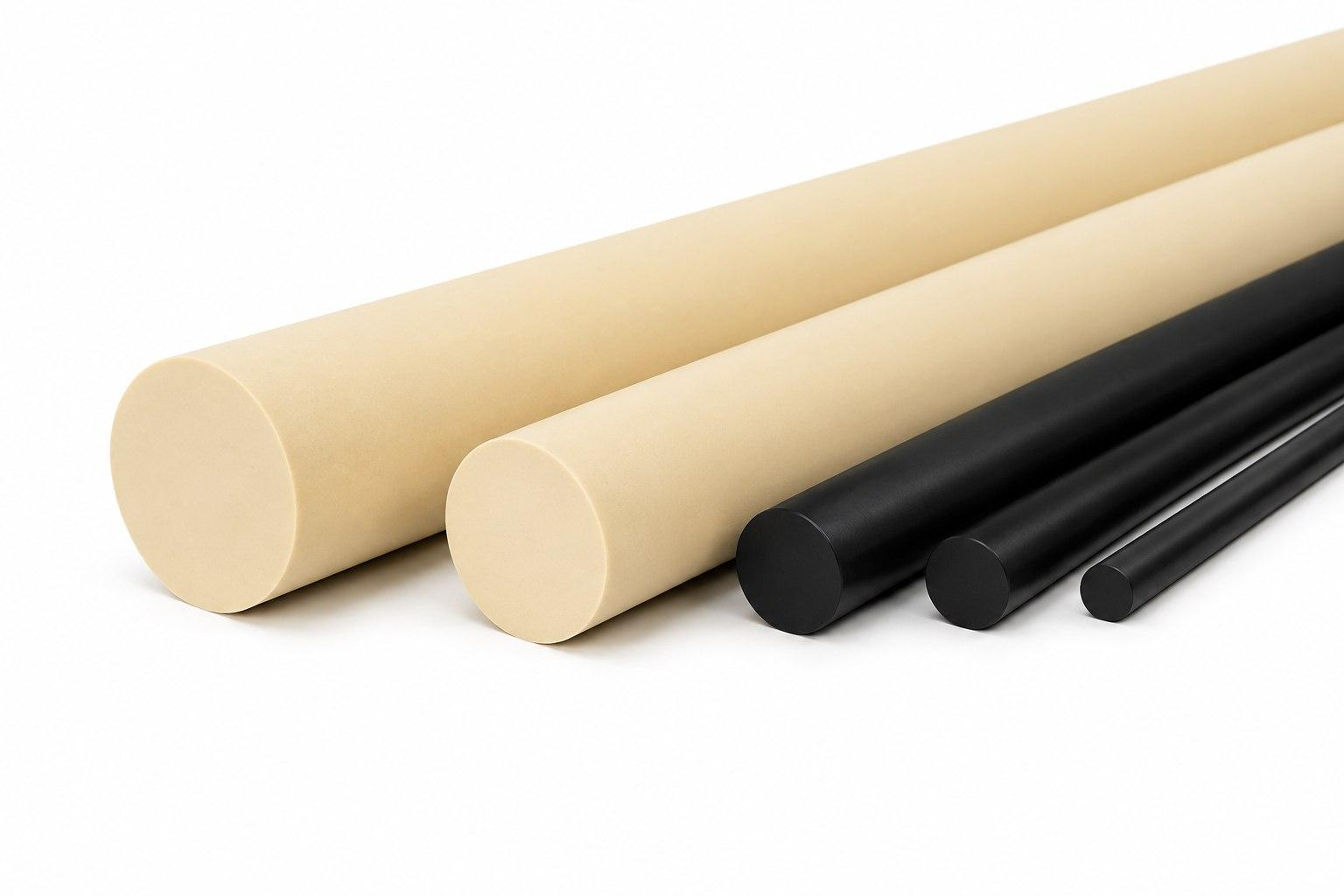
Machined PPS Material Properties
The values below represent the typical mechanical properties of machined PPS material.
Property | Typical Value |
Yield Strength | 13,000 PSI |
Elongation at Break | 4% |
Hardness | Rockwell R125 |
Density | 0.049 lbs/cu. in |
McMaster Reference | 1906T25 |
Design Guidelines for CNC Machined PPS Parts
A well-designed part is easier to machine, inspect, and produce consistently. Before production starts, Sochain Precision reviews every drawing to check for features that could affect machining or increase manufacturing time. If we spot a better approach, we'll discuss it with you before machining begins.
Minimum Wall Thickness
A minimum wall thickness of 1.0 mm is recommended for most PPS parts. Very thin sections are more difficult to machine and may not remain stable throughout the process. Where the design allows, slightly thicker walls usually produce better machining results.
Minimum End Mill Size
The smallest standard end mill we recommend is 0.8 mm (0.03 in). Smaller tools can machine fine details, but they also require slower cutting speeds and wear more quickly. Using larger internal features where possible keeps machining more efficient.
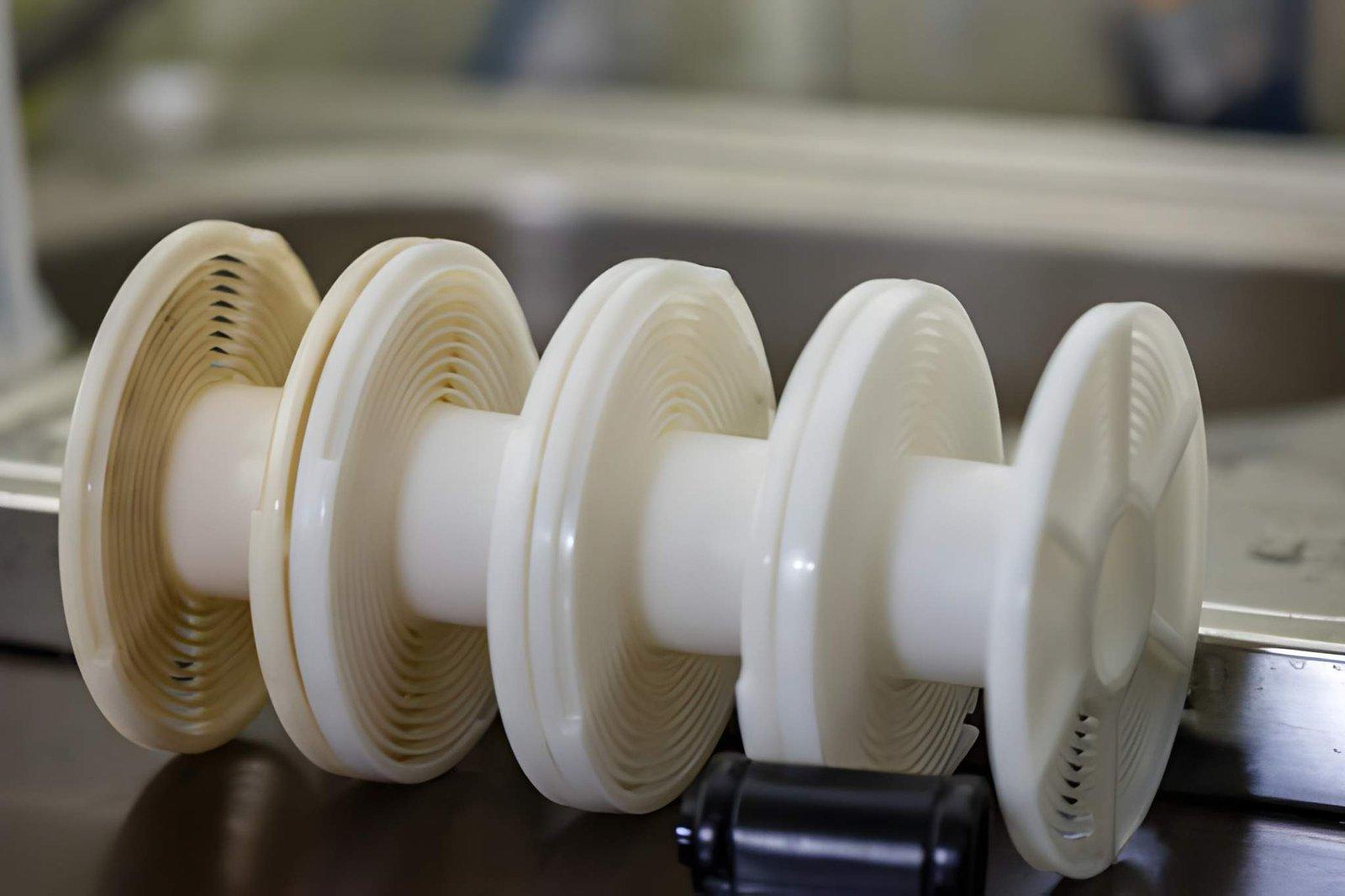
Minimum Drill Size
The recommended minimum drill size is 0.5 mm (0.02 in).
Smaller holes are possible for some applications, but feasibility depends on the hole depth, tolerance, and part design.
Maximum Part Size
Our CNC machines can accommodate PPS parts up to the following sizes.
| Process | Maximum Size |
| CNC Milling | 1200 × 500 × 152 mm (X × Y × Z) |
| CNC Turning | 152 × 394 mm (Diameter × Length) |
If your part exceeds these dimensions, send us the drawing, and we’ll review the project with you.
Undercut Features
We machine several common undercut profiles, including:
Square undercutsFull-radius undercutsDovetail undercutsIf your design includes a custom undercut, our engineers will review the geometry and recommend the most suitable machining method.
Hole and Pocket Depth
Deep features should remain within practical machining limits.
Drill depth should not exceed 12× the drill diameter.End mill depth should not exceed 10× the tool diameter.Following these guidelines helps maintain machining accuracy and improves tool life.
Tips to Reduce Machining Costs
Small design changes can often make a noticeable difference to machining time. During our DFM review, Sochain Precision looks for opportunities to simplify production without changing the function of your part.
Where practical, consider:
- Keep the number of machining setups to a minimum.
- Apply tight tolerances only where they are needed.
- Use larger internal corner radii when possible.
- Avoid deep, narrow pockets.
- Simplify non-critical features where practical.
Looking for a Reliable PPS CNC Machining Partner?
PPS is often selected for parts that need to withstand heat, chemicals, and demanding operating conditions. Producing those parts accurately requires the right material, suitable tooling, and careful machining throughout the process.
At Sochain Precision, we machine custom PPS components for prototypes, low-volume batches, and production runs. Every project is reviewed before manufacturing to confirm the material grade, machining method, tolerances, and critical features. Whether the part requires milled profiles, precision holes, threaded features, or turned components, our team works from your drawings to manufacture parts that meet your specifications.
Send us your CAD file or technical drawing, and we'll provide a quotation based on your material requirements, quantities, machining complexity, and delivery schedule.
FAQs
We machine a wide range of custom PPS components, including electrical insulators, valve parts, pump components, semiconductor fixtures, bushings, spacers, wear components, precision housings, and other industrial plastic parts. Both prototype and production quantities are supported.
PPS parts can be manufactured using CNC milling and CNC turning. The machining process is selected according to the part geometry, required tolerances, and feature complexity.
For parts supplied with engineering drawings, machining tolerances can be achieved as low as ±0.005 mm, depending on the feature size, part geometry, and overall dimensions. Standard tolerances can also be applied where appropriate.
Yes. PPS maintains its mechanical properties and dimensional stability at temperatures where many engineering plastics begin to soften. For that reason, it is commonly used in electrical, automotive, semiconductor, and industrial equipment.
Simply send the CAD model or technical drawing together with the required quantity, material grade, and any special machining or tolerance requirements. Our engineering team will review the design and provide a detailed quotation based on your project specifications.
Start Manufacturing Your Custom Parts Now!
Understanding Your Goals, Delivering Your Solutions – We’re Committed to Making CNC Machining Simple and Stress-Free!