 (+035) 527-1710-70
 NEWSLETTER
CNC Cutting Service
At Sochain Precision, every cutting job follows production intent, and our parts maintain size, flatness, and dimensional stability as volumes increase.
We provide CNC cutting using milling, routing, and laser cutting machines. We choose the process based on your material, thickness, and accuracy requirements.
Generally, many cutting issues start with the wrong method choice. Sheets warp. Holes shift. Edges burn. These issues delay assembly and add additional cost. We prevent them by reviewing your design before cutting.
All custom parts are produced using controlled tool paths and stable setups at our facility. This keeps dimensions consistent from the first sample to production batches.
We cut metals, plastics, composites, wood, and engineering sheets for intended applications. These include enclosures, brackets, frames, fixtures, and structural components.
Our custom CNC cutting service supports complex shapes and tight layouts. We focus on edge quality and surface condition so your parts are ready for the next process without costly rework.
Rapid prototyping and full-scale production
ISO accredited & QC checks
All in-house processes
Used in over 50 countries
FREE Instant quotations
What Is CNC Cutting?
CNC cutting is a controlled process that involves piercing sheet or plate stock by programmed tool movement and fixed reference points. The machine adheres to the G-code created on your CAD file. All the movements are defined in X, Y, and Z directions.
The sheet is laid flat and aligned to reference stops before it is cut. This determines the primary datum. This edge determines all the hole positions, slots, and outer profiles.
A cutting tool is then used to remove material in a carefully controlled way. Metal is melted and vaporized using advanced lasers. Thick steel is cut away using plasma arc. Waterjets cut into the material with abrasive pressure. Routers are used to cut soft materials using rotary cutters.
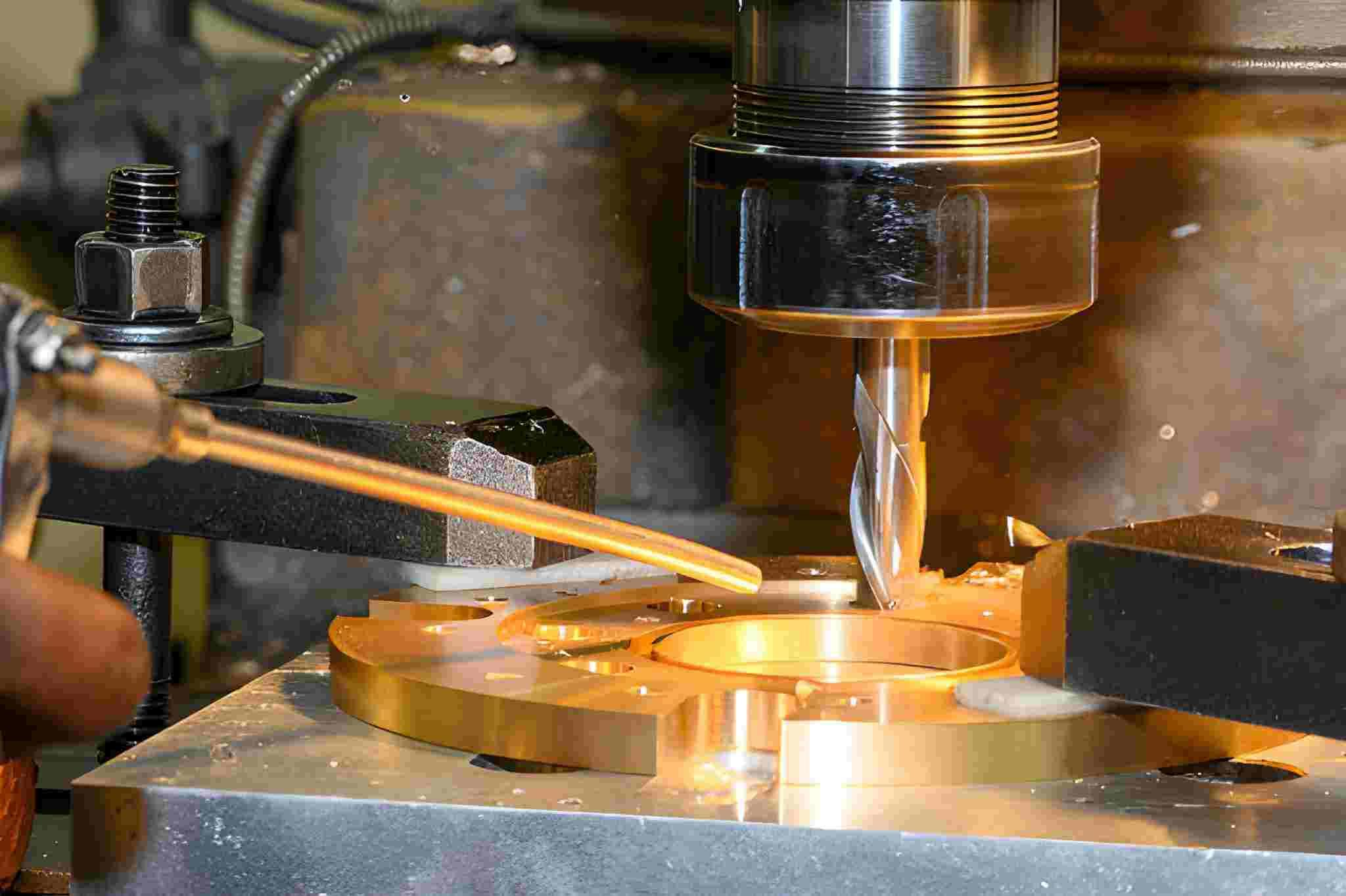
All aforementioned techniques yield varied kerf width, heat input, and edge conditions. These directly impact dimensional accuracy and downstream procedures.
When the kerf variation is not controlled, the hole diameters vary. In case the heat input is extensive, the metal sheets can warp. Moreover, drifting of profiles occurs when clamping is unstable.
Considering all such issues, our team optimizes cutting parameters based on:
- Material grade
- Sheet thickness
- Feature density
- Nesting layout
- Required tolerance
These cut edges are important in machining fixtures, bending tools, and welding jigs.
Types of CNC Cutting Machines We Employ
At Sochain Precision, we run several CNC cutting machines depending on the material, thickness, and part accuracy requirements. Each technique and cutting machine is chosen according to the way in which the part is going to be used during production and assembly.
The optimal cutting technology reduces part distortion, improves edge quality, and minimizes the finishing cost.
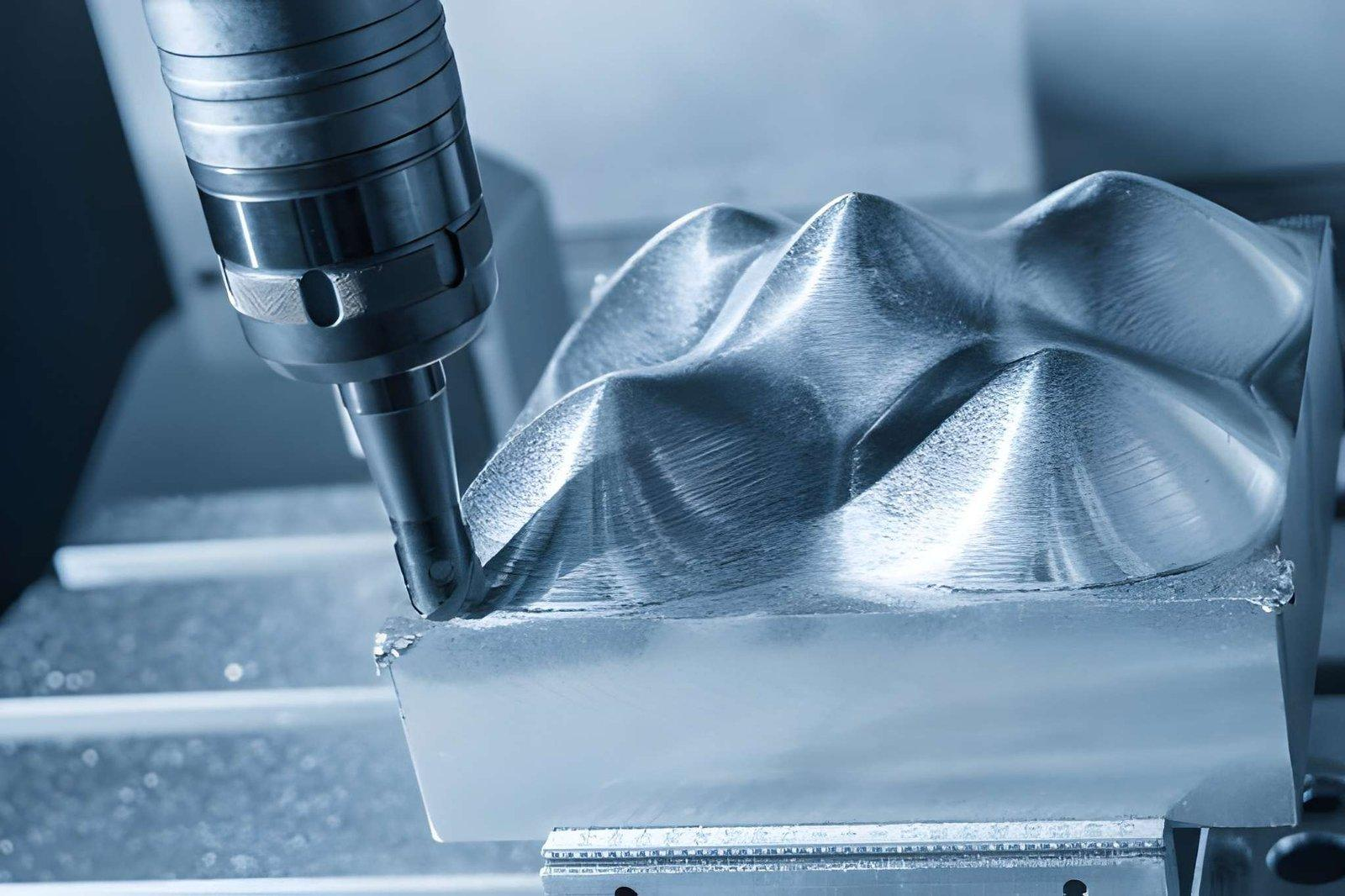
CNC Milling Machines
CNC milling machines are employed when parts must retain high dimensional accuracy and depth control. These machines cut the material with rotating cutting tools.
CNC Milling is applied to parts that require:
Precise slot widthsAccurate pocket depthsFlat reference surfacesMachining-ready edgesMilling offers high edge quality, strength, and dimensional control. It is commonly applied in cases where cutting is preceded by drilling, tapping, or contour machining.
CNC Routing Machines
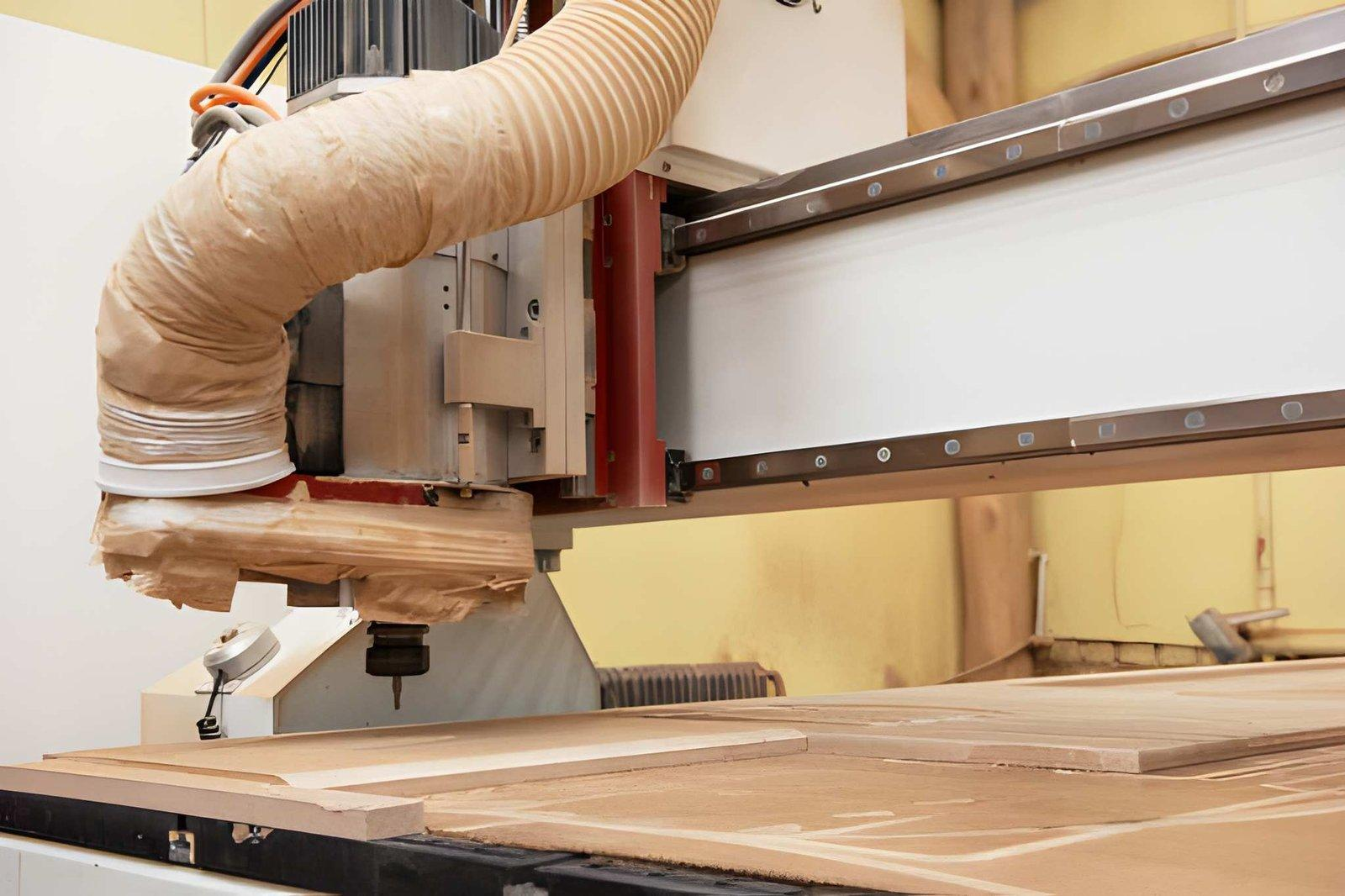
CNC routers are used in cutting plastics, aluminum sheets, wood panels, and composite materials at high speeds.
These machines are suited to:
Large-format sheetsLightweight materialsThin-wall componentsHigh-volume panel cuttingThe control of feed rates and spindle speeds must be taken into account to avoid melting, tearing, and burr development.
CNC CO2 Laser Cutters
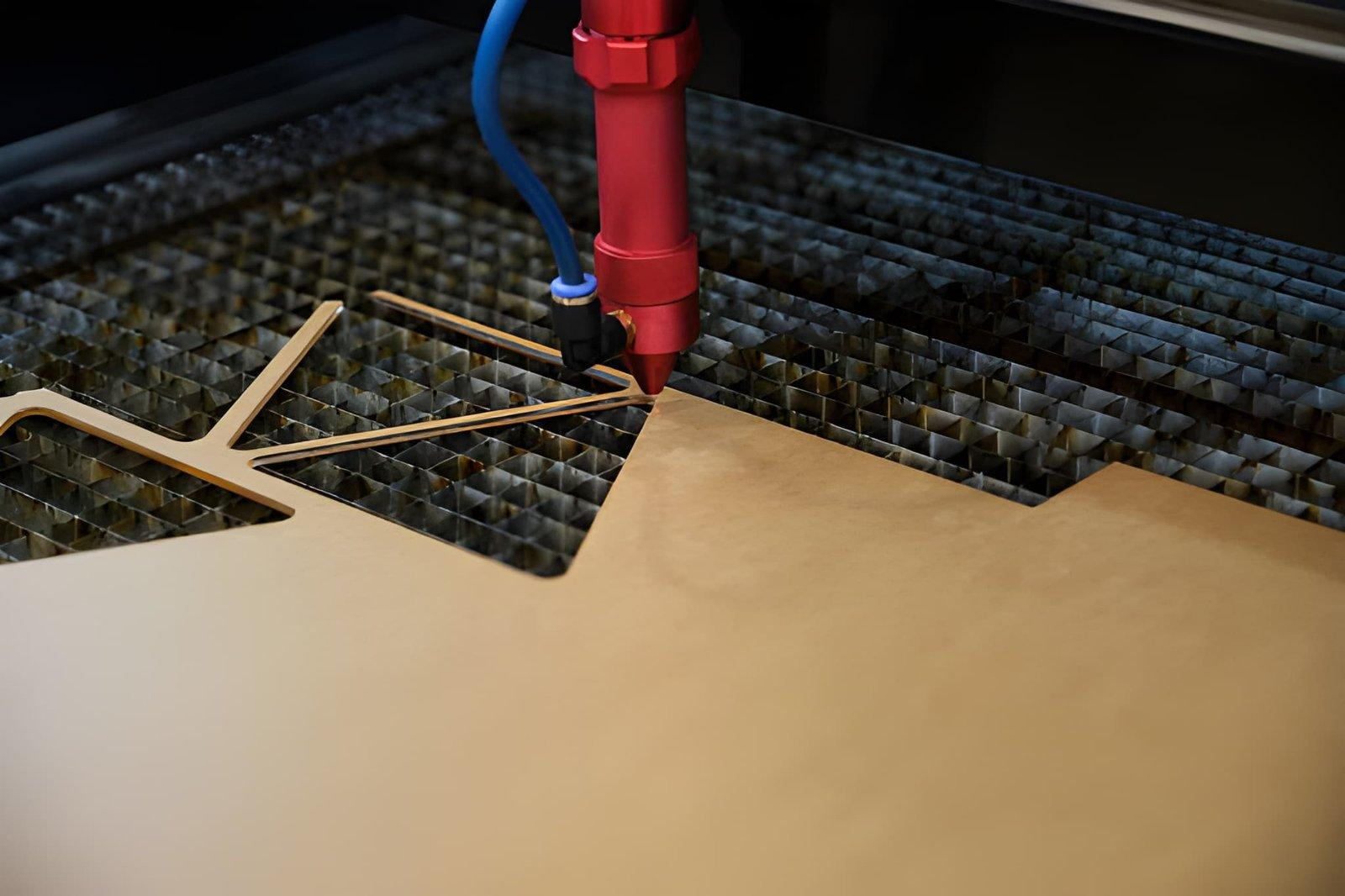
CO2 laser cutters are primarily used to cut thin metal sheets, plates, and rods. The laser beam cuts through, heating and vaporizing the material.
They are the right fit for:
Acrylic plastic partsWood panelsRubber sheetsThin stainless steelCO2 lasers create a smooth surface on engineered-grade plastics and decorative patterns.
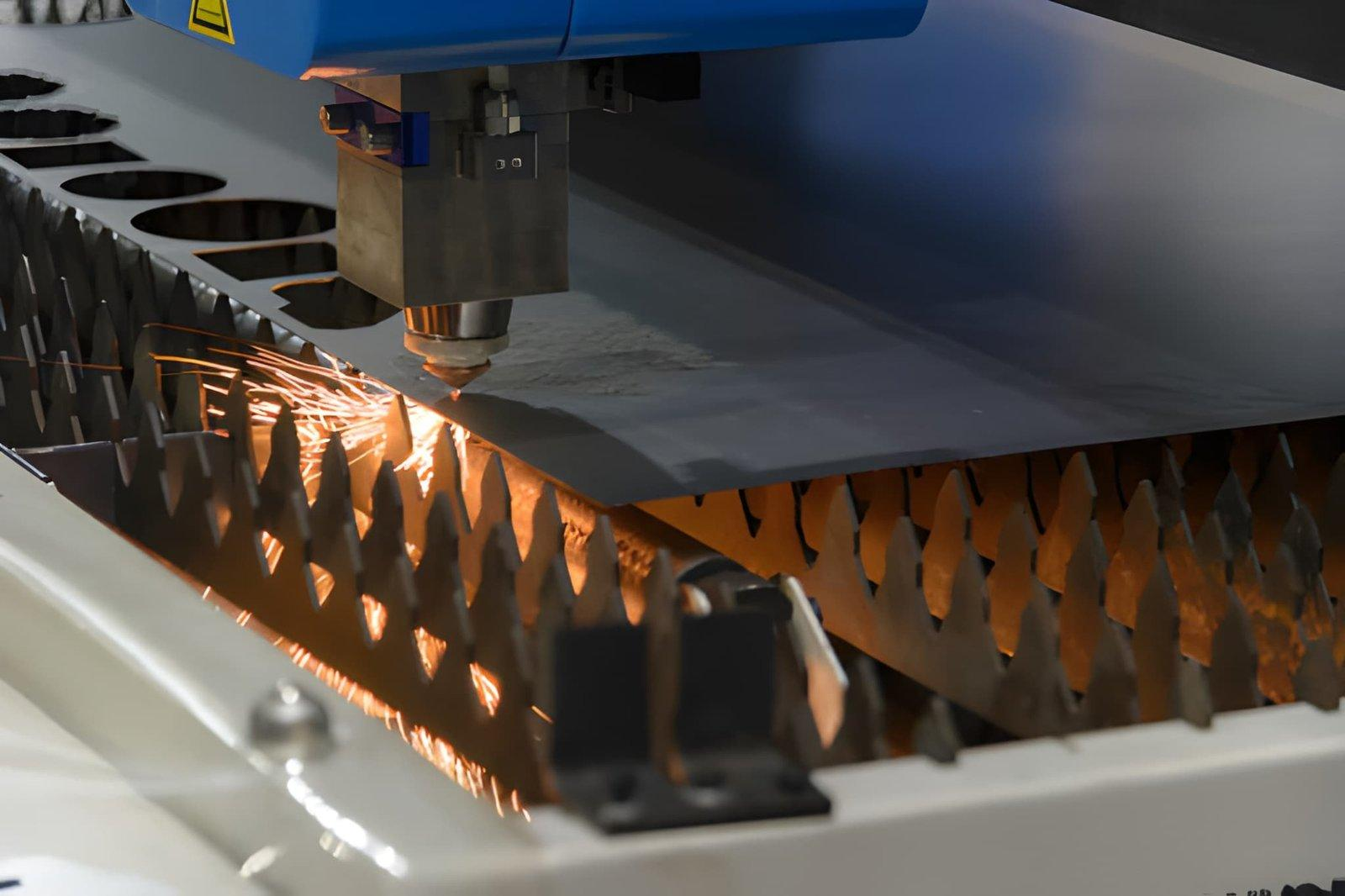
CNC Fiber Laser Cutters
Fiber laser cutters are used to cut metals precisely. These machines use high beam density and high cutting speeds.
We use fiber lasers for:
Stainless steel sheetsAluminum platesCarbon steel panelsBrass and copper partsFiber lasers have a low kerf width and low regions of heat influence. This eliminates warping and enhances part consistency.
CNC Crystal Laser Cutters
The crystal laser cutters have solid-state crystal sources to provide a stable beam output. Their usage is limited to fine features that need to be controlled.
They are used for:
Thin precision componentsMicro slots and holesElectronics enclosuresInstrument panelsUsing CNC crystal laser cutters, we can maintain a consistent cut in fragile components that cannot handle dimensional drift.
Advantages of Our CNC Cutting Service
Our CNC cutting service includes precision bending, welding, machining, and assembly. In case of inaccurate cutting, all the successive processes become challenges. Holes and edges shift. Sheets lose flatness. Therefore, at the cutting stage, our engineers pay attention to avoiding such problems.
Our technical department evaluates your drawings, materials, and tolerance requirements before production begins. We consider the part's intended function and put it together. We determine the cutting approach, nesting style, and cutting order. This approach to preparation mitigates risks in production.
Stable Dimensional Control
We determine definite reference edges before the commencement of cutting. These datums are used in measurements of all hole patterns, slots, and profiles.
This helps us avoid variation in sizes and alignment problems when assembling parts. Components remain consistent in all batches.
Controlled Heat and Material Stress
Different materials respond in different ways to heat and cutting force. For example, aluminum expands quickly. Steel sheets are easily distorted into thin sheets. Plastics become soft through friction.
Our operators adjust the cutting speed, power, and order depending on the material. This ensures that the accumulation of heat is controlled, and it avoids warping once the cut is made.
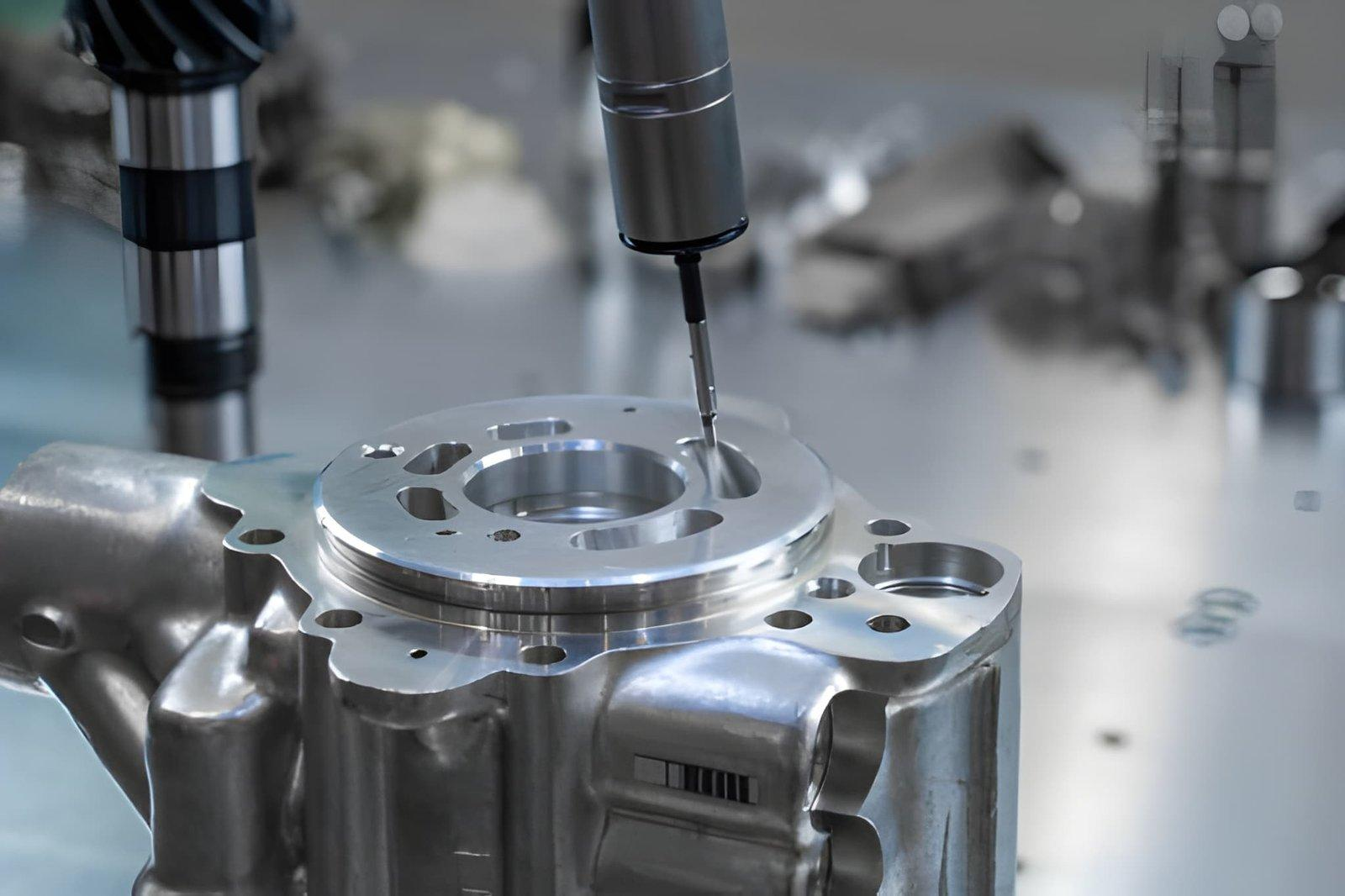
Reliable Assembly Fit
Assembly fitment issues begin with inaccurate cutting. Lack of alignment and irregular edges cause stress during the process of fitting and welding.
During the programming phase, our engineers examine all the mating areas and fastening zones. This guarantees that parts come together without coercing or hand fixing.
Reduced Rework and Material Waste
In cases where edges are irregular or dimensions are lost, the parts need to be re-cut or hand-repaired. This consumes significant time and material.
Our quality team checks critical features during production. In case of any deviation, it is rectified promptly. This ensures that scrap levels are minimal without affecting your budget.
Smooth Transition to Production
Some manufacturing suppliers vary their cutting techniques when volume increases. This results in shock effects and fitting issues.
We apply the same logic of cutting in prototype and production. When the process is verified, it is put under lock. This maintains your size, no matter the quantity or volume increase.
Functional Edge and Surface Quality
Edge condition has an influence on coating, sealing, and weld strength. Poor edges lead to peeling, leaking, and inappropriate joints.
During cutting, we determine the kerf width, burr height, and roughness of the surface. The majority are prepared to go through the next process without further finishing.
Predictable Lead Time
Delays are brought about by unstable cutting processes. Machines stop. Parts fail inspection. Schedules slip.
Our planning department organizes the supply of materials, loading of machines, and inspection. This maintains the flow of production and consistency of delivery dates.
Applications of CNC Cutting Services
CNC cutting is applied in cases where the parts are required to match the drawings, fit perfectly, and work well under the actual operational environments.
These are seldom applicable individually. They are either welded, bent, machined, or put together into enlarged systems. This is why the cutting precision has a direct impact on the quality of final products.
Before choosing the cutting method, our team analyzes the way parts will be used. The type of materials used, the load conditions, and assembly requirements are taken into consideration.
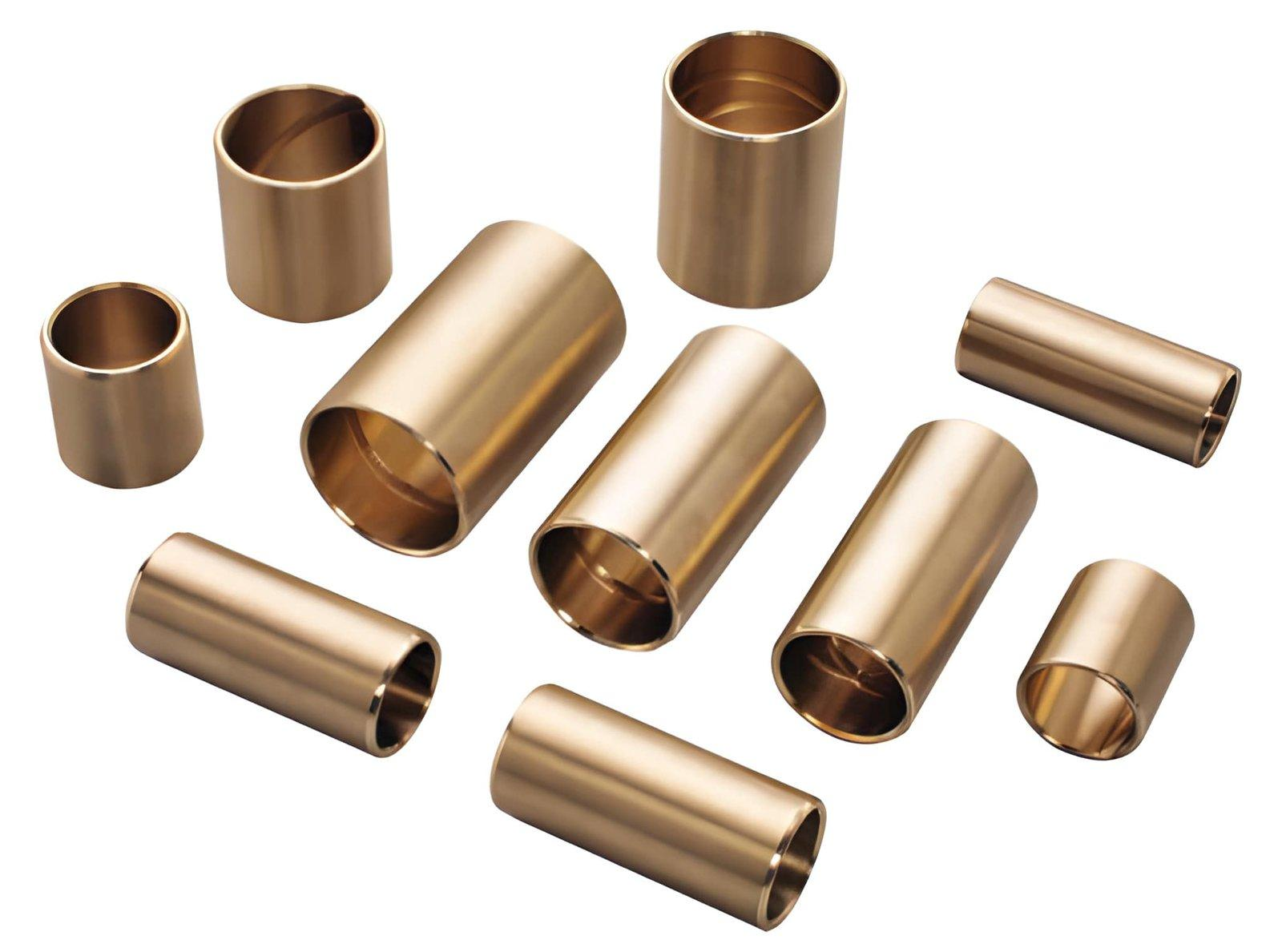
Automotive Components
The automotive parts are subjected to high vibration, heat, and repetitive loading. Any small cutting mistakes can result in noise, fatigue cracks, or loose assemblies.
We cut brackets, mounting plates, frames, and reinforcement panels. Hole positions are managed, and edge strength is managed so as to facilitate long-run performance.
Aerospace and Aviation Parts
Geometry and surface conditions must remain strict for aerospace components. Stress concentration points are caused by poor edges and dimensional drift.
We routed structural panels, enclosures, and support plates with tight tolerances. These sections are set aside to be machined and inspected.
Medical Equipment and Devices
Medical components often demand sharp edges and correct dimensions. Burrs and jagged corners can not be tolerated or compromised. We fabricate housings, support frames, and mounting plates for medical devices.
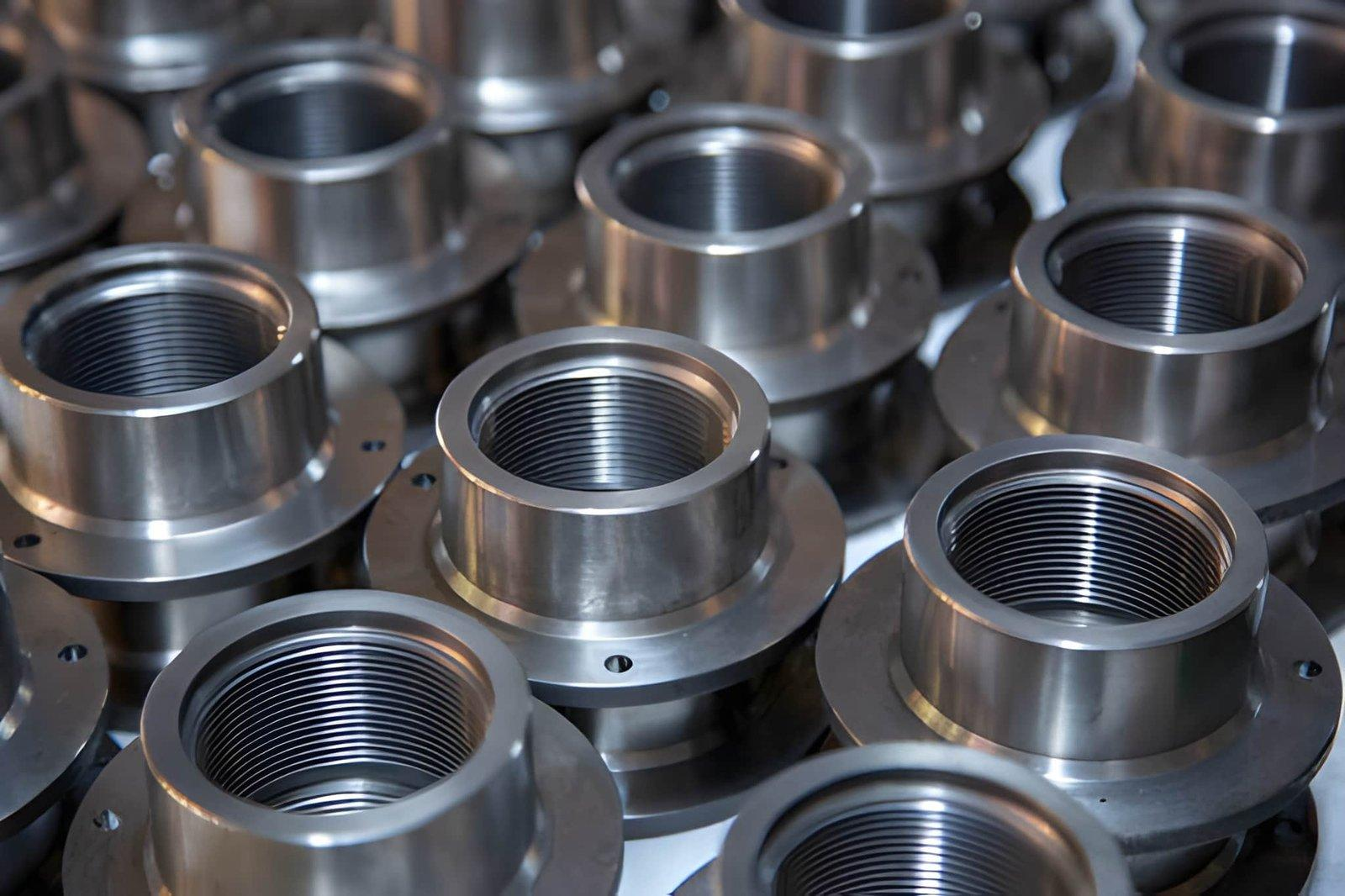
Robotics and Automation Systems
The robotic systems rely on the accuracy of the matching of motors, bearings, and sensors. Even a slight variation causes low precision and impacts their life.
We cut base and guide plates and mounting brackets, which retain parallelism and concentricity. This assists robotic systems in working efficiently and effectively.
Industrial Machinery and Equipment
The industrial machines are usually subjected to continuous loads and heavy conditions. The weak joints and poor alignment result in early failure.
We cut quality frames, covers, structural plates, and wear parts of industrial systems. These components are fabricated to be strong, stable, and durable.
Consumer and Electronic Products
Consumer goods need functional precision and cleanliness. Lack of quality of cutting is a performance and customer perception issue.
We fabricated enclosures, panels, heat sinks, internal electronic supports, and consumer devices. Coating and final assembly of edges and surfaces are done.
Architectural and Decorative Applications
The architectural components must have a uniform outlook and proportional precision. Poor visual quality is caused by misaligned panels and irregular gaps.
We sliced decorative panels, facade, signage, and interior parts with a controlled side finish and predictable dimensions.
Why Choose Sochain Precision for Custom CNC Cutting Services
CNC cutting problems are generally caused by improper planning, hasty installations, and a lack of clarity. These issues cause inaccurate hole location, distorted sheets, untimely deliveries, and hidden expenses.
At Sochain Precision, we are keen on doing things properly the first time. All the projects are reviewed by our engineers before production is given off. We do not cut parts on the basis of how they will appear on a drawing, but according to the way they will be used.
Quality Built Into the Process
We do not rely only on final inspection. Our team determines critical dimensions and edges before the cutting begins. These characteristics are verified in the production and not after the job is complete. In case of any deviation, the process is realigned as soon as possible. This eliminates the defective parts from your assembly line.
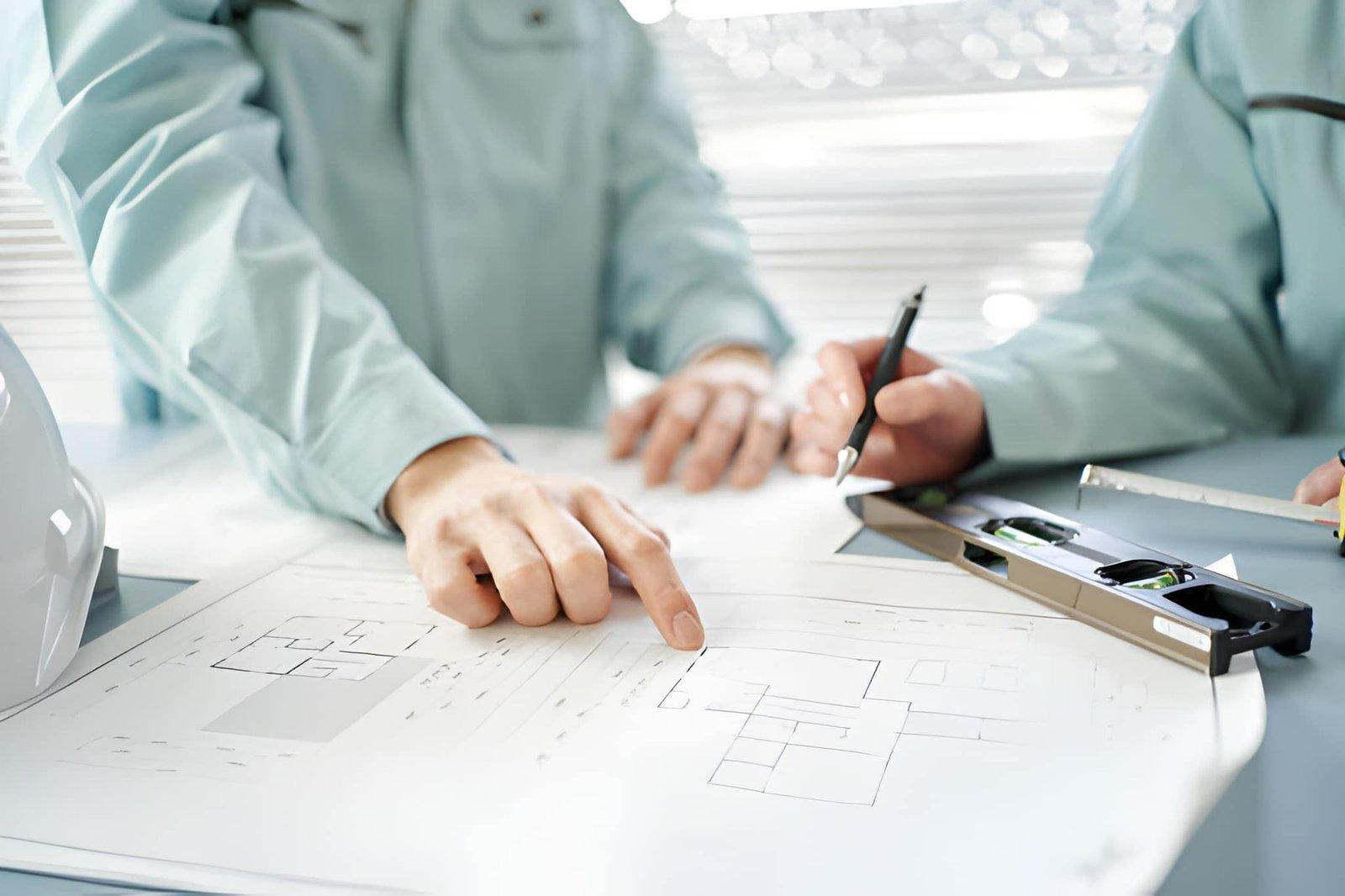
Engineering Review Before Production
Every order is reviewed by our engineers. We study your drawings, materials, and tolerances. We check how parts will be bent, welded, or machined later. If something may cause problems, we inform you before cutting starts. This prevents redesign, rework, and project delays.
Clear Pricing With No Hidden Charges
Our quotations are based on real production factors. We calculate material cost, machine time, setup effort, and inspection work. All items are listed clearly in the quotation. There are no hidden fees added later. What you see in the quote is what you pay.
No Forced or Unnecessary Costs
We do not add services that your part does not need. If polishing, special inspection, or coating is optional, we tell you clearly. You decide whether to include it. We never force extra treatments to increase the invoice amount.
Stable Delivery Planning
Many suppliers accept orders without checking capacity. This causes delays later. Before confirming your order, we check machine availability, material supply, and inspection workload. Only then do we commit to a delivery date. This keeps your schedule reliable.
Direct Access to Technical Staff
Your project is handled by engineers and experienced operators from start to finish. When you ask a question, you get practical advice. Therefore, design changes, tolerance questions, and material issues are resolved quickly.
Support From Prototype to Production
We support your project beyond the first batch. Once your cutting process is validated, we store programs, setups, and inspection plans. So, when you reorder, we restart production without delays.
Contact us and send us your drawings and material details. We will review them and provide a clear quotation with technical feedback. Let us help you cut parts that work the first time and remain stable in production.
FAQ’s
We accept common CAD formats such as DXF, DWG, STEP, and IGES. For sheet cutting, DXF and DWG files are preferred because they contain clean profile data. If your files are not ready for cutting, you can contact our team, and our engineers will help you prepare them.
Burr formation depends on material, tool condition, and cutting parameters. We control these factors during production. When required, parts are deburred, brushed, or edge-rounded before delivery.
Yes, we support urgent projects when our capacity allows. After reviewing your files and quantity, we confirm whether expedited production is possible. In general, lead time depends on material availability, cutting complexity, and inspection requirements.
Start Manufacturing Your Custom Parts Now!
Understanding Your Goals, Delivering Your Solutions – We’re Committed to Making CNC Machining Simple and Stress-Free!