 (+035) 527-1710-70
 NEWSLETTER
Cast Iron Machining Services
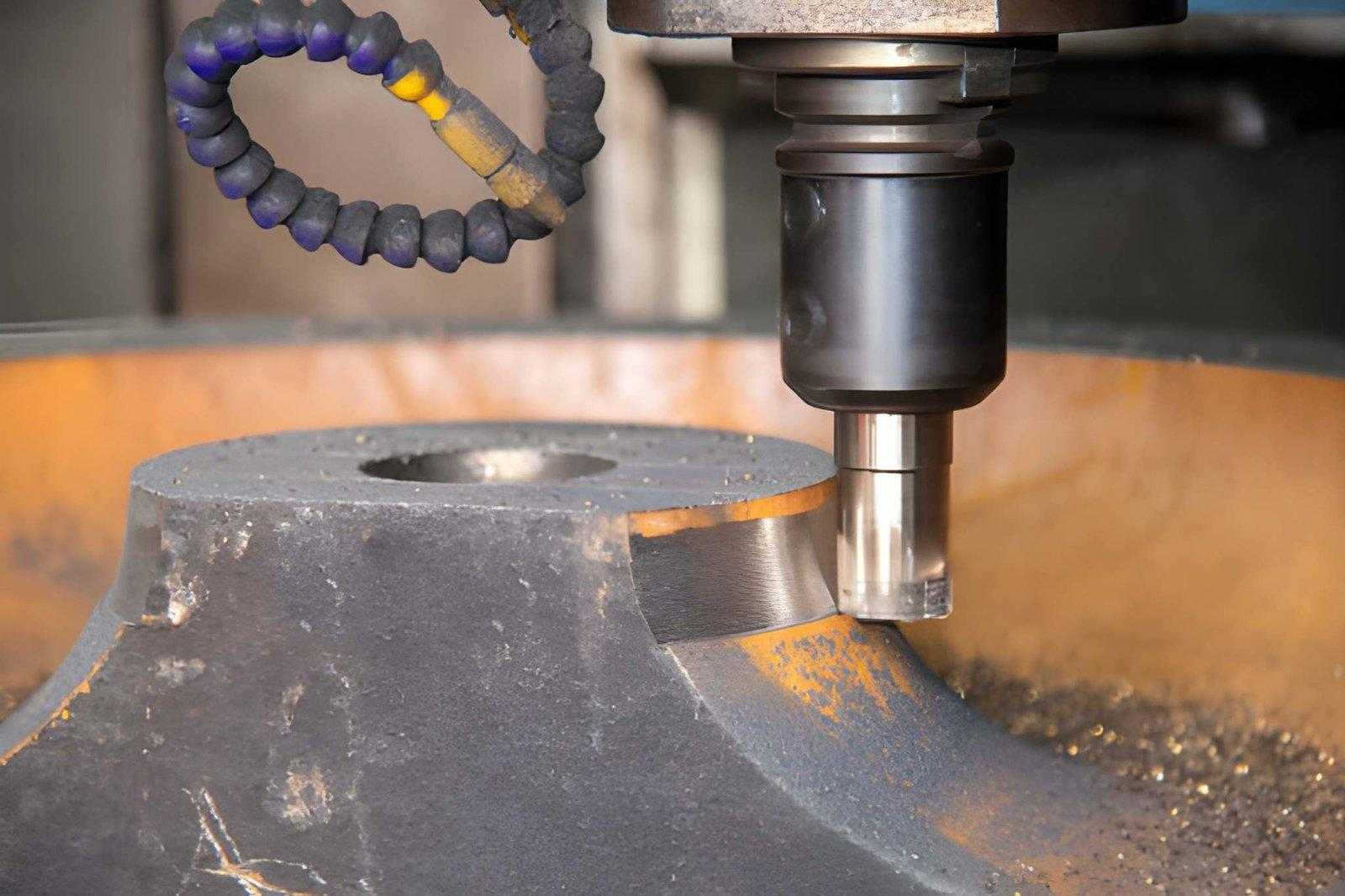
Cast iron machining requires precise, controlled cutting, as it is brittle and has a graphite structure. During machining, it produces small, discontinuous chips. This chip formation tends to cause tool wear if not managed properly.
Rapid prototyping and full-scale production
ISO accredited & QC checks
All in-house processes
Used in over 50 countries
FREE Instant quotations
Therefore, at Sochain Precision, our engineers employ rigid setups, carbide tooling, and controlled cutting parameters to maintain part stability. This is particularly done when machining features such as flat mounting surfaces, bores, and threaded holes.
For parts like machine bases and housings, maintaining flatness and alignment is critical. So multiple passes and proper fixturing are applied where needed.
Our Capabilities at a Glance
- No MOQ, from single parts to batch production
- Supports both prototype and production quantities
- Machining support for Gray Cast Iron (GG25 / ASTM A48)
- Machining support for Ductile Iron (SG Iron / ASTM A536)
- Machining support for Alloy Cast Iron and Meehanite grades
- Multi-axis CNC machining including 3-axis, 4-axis, and 5-axis milling
- Equipped with CNC machining centers, CNC lathes, and horizontal machining systems
- Stable machining for heavy and rigid cast iron components
- Dimensional control for bores, flat surfaces, and mounting features
- Suitable for bases, housings, engine parts, and wear components
- Complimentary DFM review and engineering support
- Certified quality system: ISO 9001:2015, AS9100D, ISO 13485, IATF 16949:2016
Cast Iron Machining Services We Offer
At our facility, cast iron parts are produced starting from raw castings to finished components. Each process step is dependent upon a variety of factors.
This includes choosing the right grade of metal being processed, the style and feature complexity, and the required dimensional tolerances.
All of these factors determine which machining services are utilized to produce your custom iron components. Here are the primary machining services that are offered to our valued customers.
Iron CNC Machining
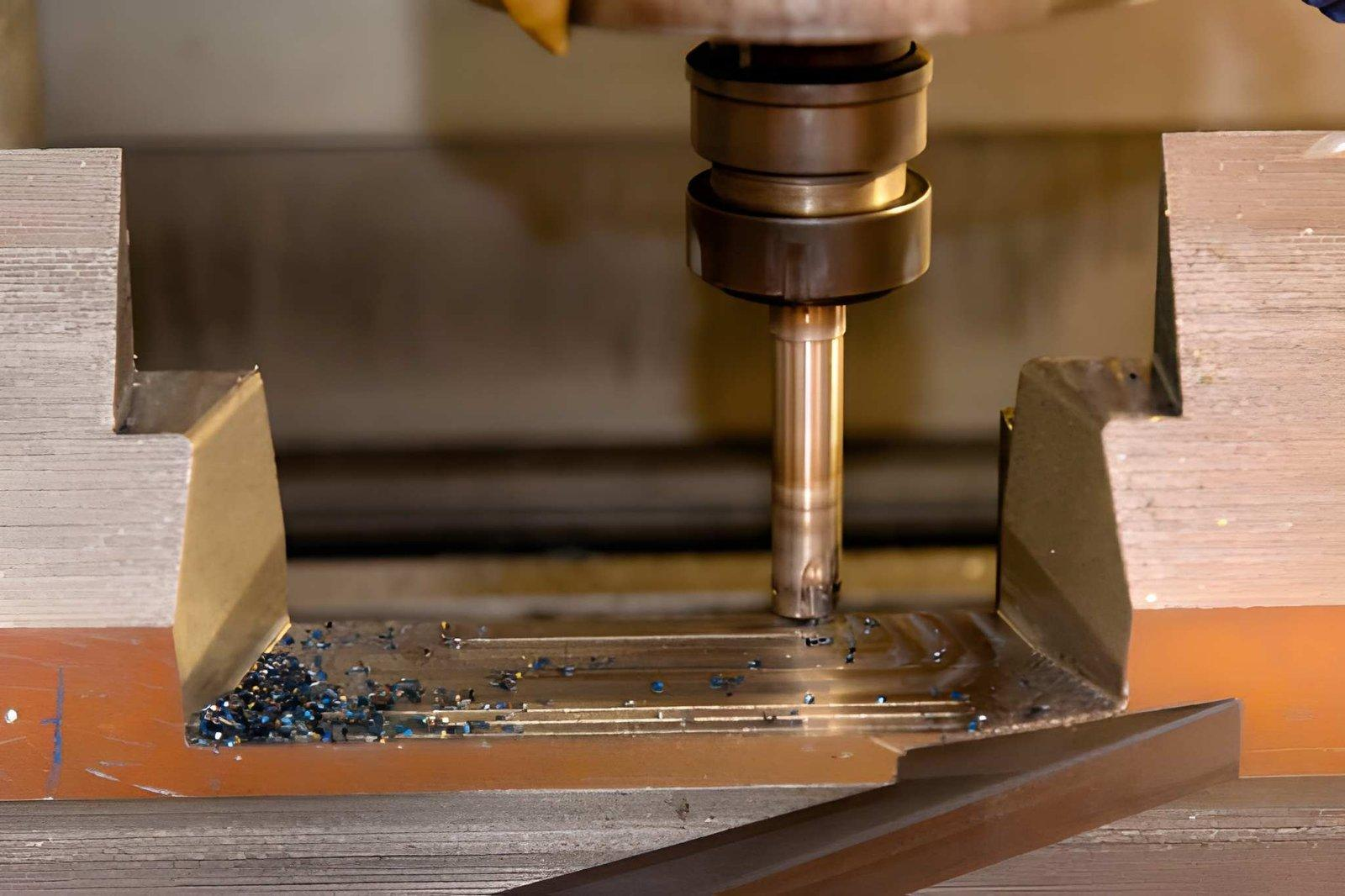
Our engineers typically use CNC milling and turning to create features such as flat mounting surfaces, bearing bores, and threaded holes. We employ carbide tooling for cutting abrasives such as graphite. Finishing passes are usually made for bore sizes and fit specifications where precision is of concern.
Full-Service Cast Iron Machining
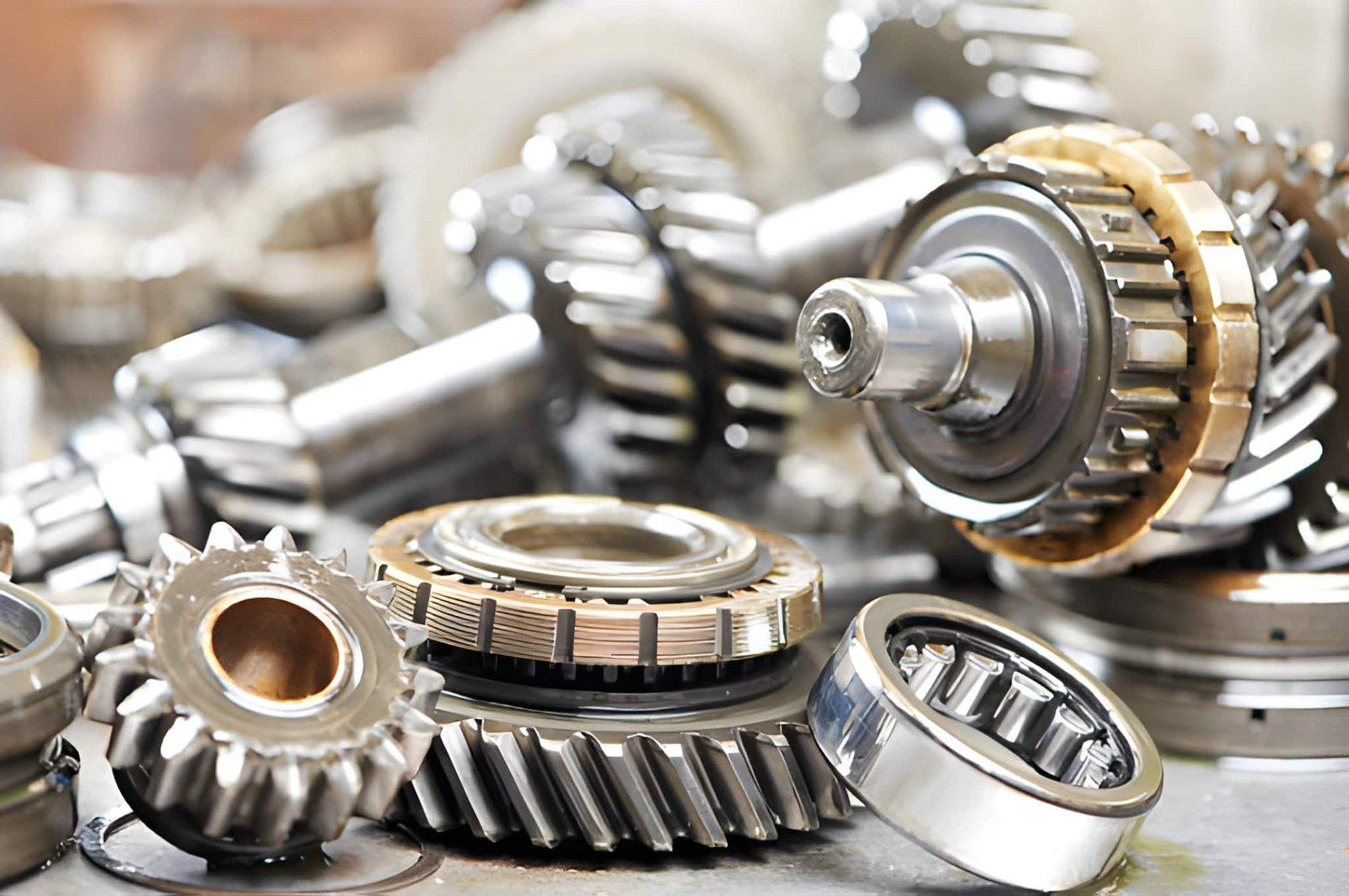
At our factory, raw castings are cleaned and inspected for excess material before processing. Stock removal occurs during rough machining. Datum surfaces are produced before additional machining operations to maintain orientation and proper fit throughout the manufacturing process.
Virtually Managed Inventory (VMI)
Same-size or repeated parts are manufactured in predetermined batch quantities. When an order is received from a customer, parts are moved from inventory and shipped. This minimizes delays in delivery that usually happen in case of insufficient inventory.
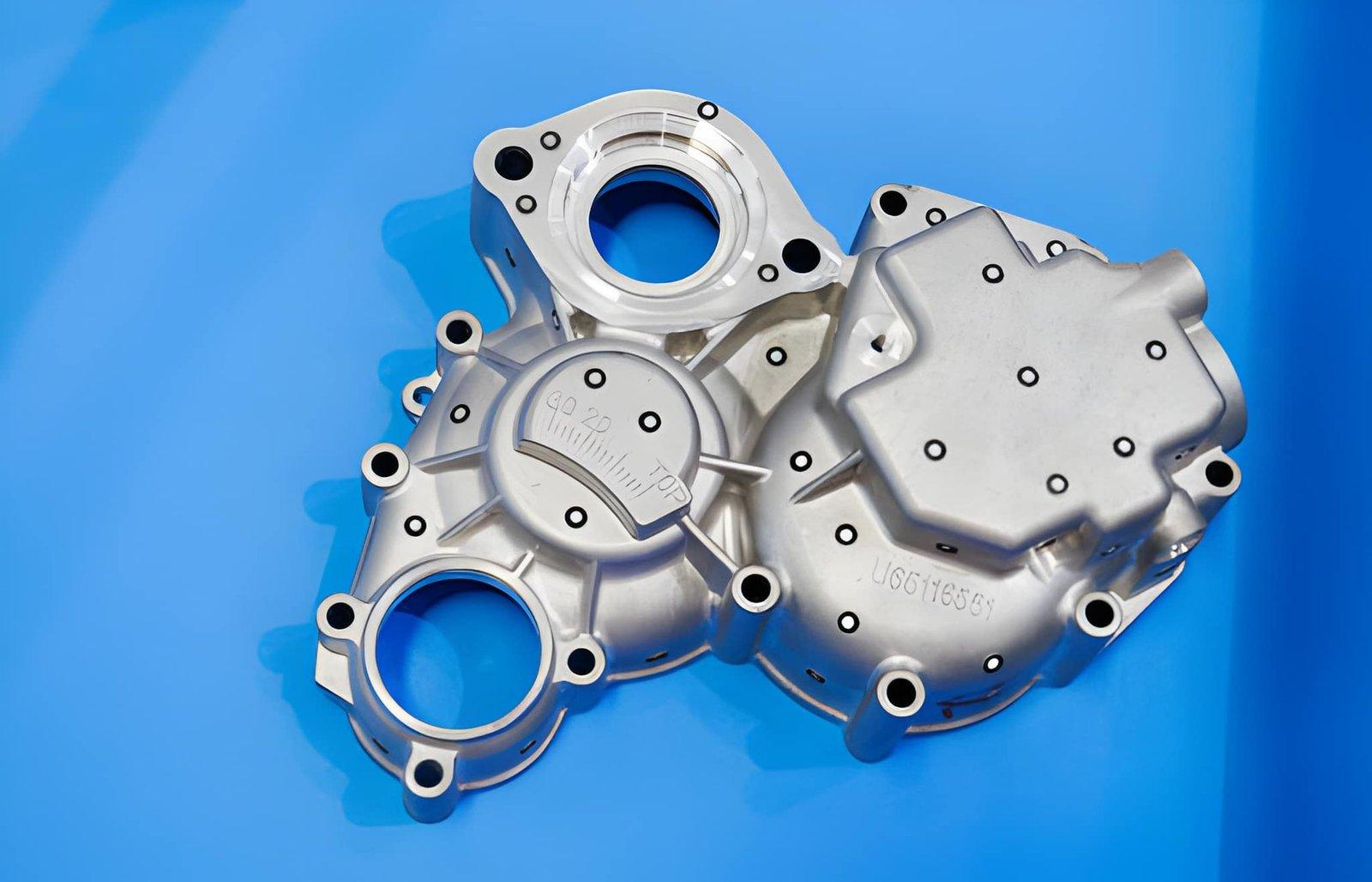
Secondary Treatments & Processes
Upon completion of machining operations, parts primarily undergo secondary treatment processes. For instance, shot blasting for surface cleaning and application of coatings for corrosion protection. Secondary treatment processes are determined by the intended part function and its operating environment.
Machining for Different Cast Iron Grades
Gray iron is normally used for applications requiring high levels of damping and stability. Ductile iron grades are used for higher strength properties than gray irons. In both cases, cutting parameters will need to be adjusted based on the inherent hardness and structure of the specific grade.
Production Support
All batch production is performed utilizing the same machining equipment. Therefore, all components within a given batch entail consistent characteristics. Features such as hole locations and flatness are carefully checked at various stages throughout the machining operation.
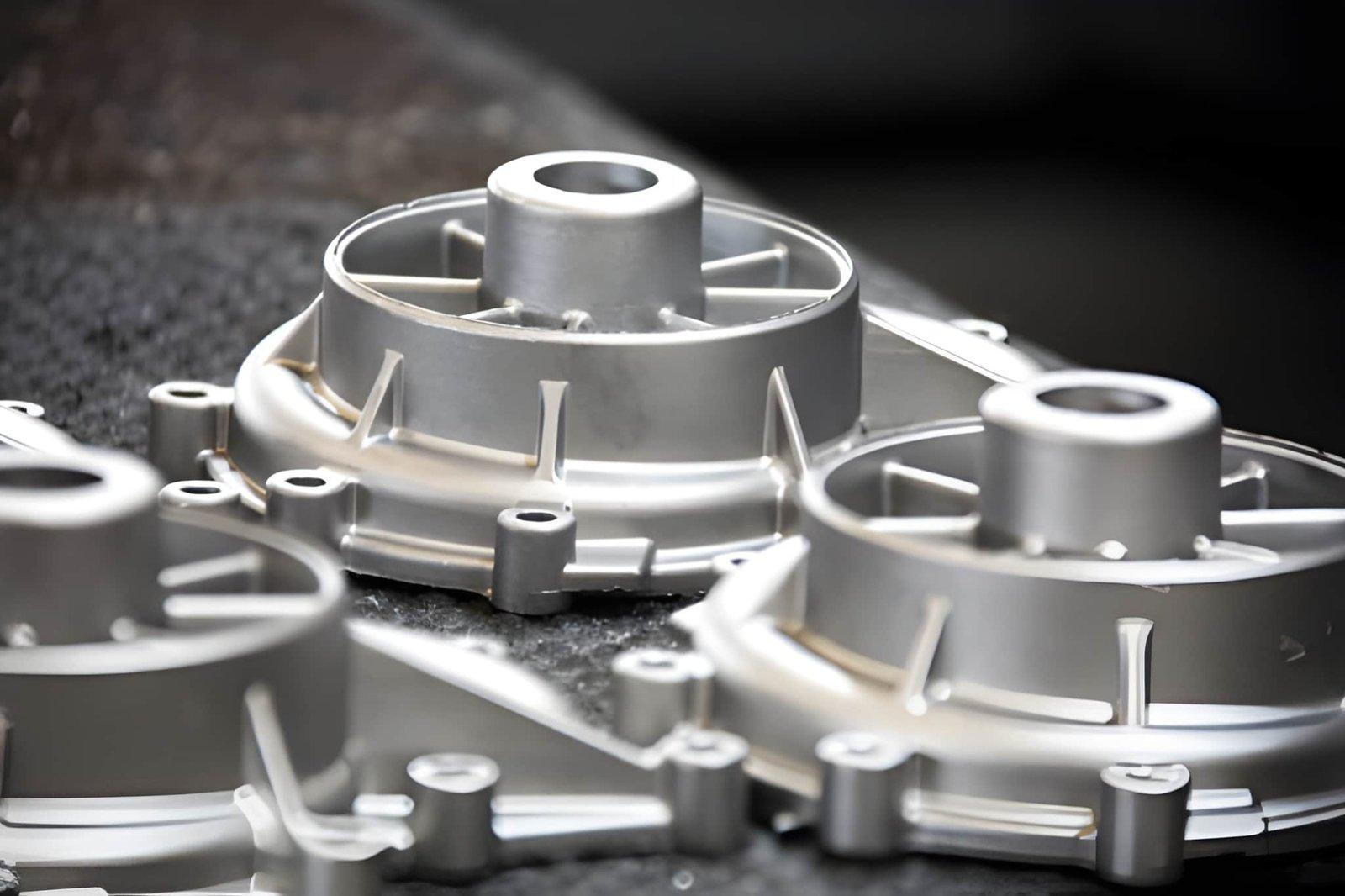
Secondary Treatments for Cast Iron Parts
Shot Blasting: Our team uses shot blasting before machining to remove casting skin and sand residue. This helps tools cut evenly from the first pass and reduces sudden tool wear on hard surface layers.
Surface Grinding: We use grinding on base faces and mounting areas where flat contact is required. This step corrects minor unevenness left after milling and helps parts sit properly during assembly.
Black Oxide: Our team selects black oxide for parts with threads and close fits. It adds protection without affecting dimensions, so no re-machining is needed after coating.
Phosphating: We use phosphating when parts need short-term corrosion protection. It also helps retain oil on the surface, which is useful during storage before assembly.
Painting: We apply paint only on non-machined surfaces. Machined faces and critical areas are kept clear to avoid fitting or alignment issues during installation.
Powder Coating: Our team uses powder coating for parts that face handling or exposure. It provides a thicker and more durable layer compared to standard paint.
Oil Coating: We apply oil after final inspection, especially on bores, threads, and flat faces. This prevents rust during storage and transport.
Stress Relief: Our team applies stress relief after rough machining on larger castings. This helps prevent movement or distortion when final cuts are made on critical features.
Cast Iron Types We Machine
We choose the intended iron type based on how the part will be used and how it cuts during machining. Each material behaves differently on the machine, so we adjust tooling and cutting steps accordingly.
Grey Cast Iron
We typically will choose gray cast irons for baseplates, housing, and mounting parts of machines. It has good characteristics for machining as it produces smaller chip sizes, allowing for consistent and stable machining. In addition, it is an ideal choice for flat surface areas and bored surfaces that require flawless cutting.
Ductile Iron (Nodular Iron)
If parts require more load-bearing capacity, our team uses ductile cast iron type. Ductile cast irons are relatively stronger than gray cast irons and therefore produce greater cutting forces. To achieve dimensional accuracy in these applications, we use strong cutting tools and optimized control of feed rates.
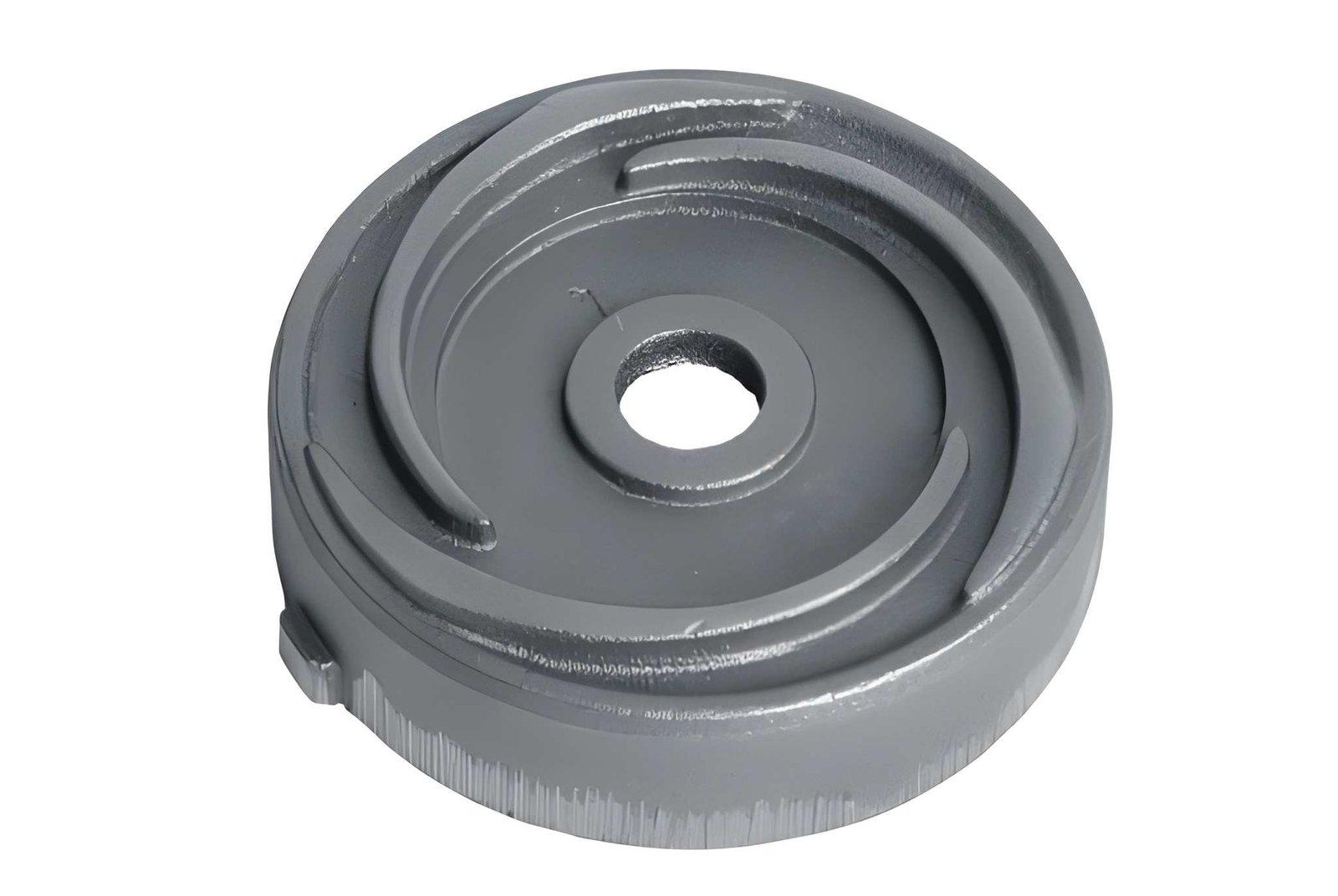
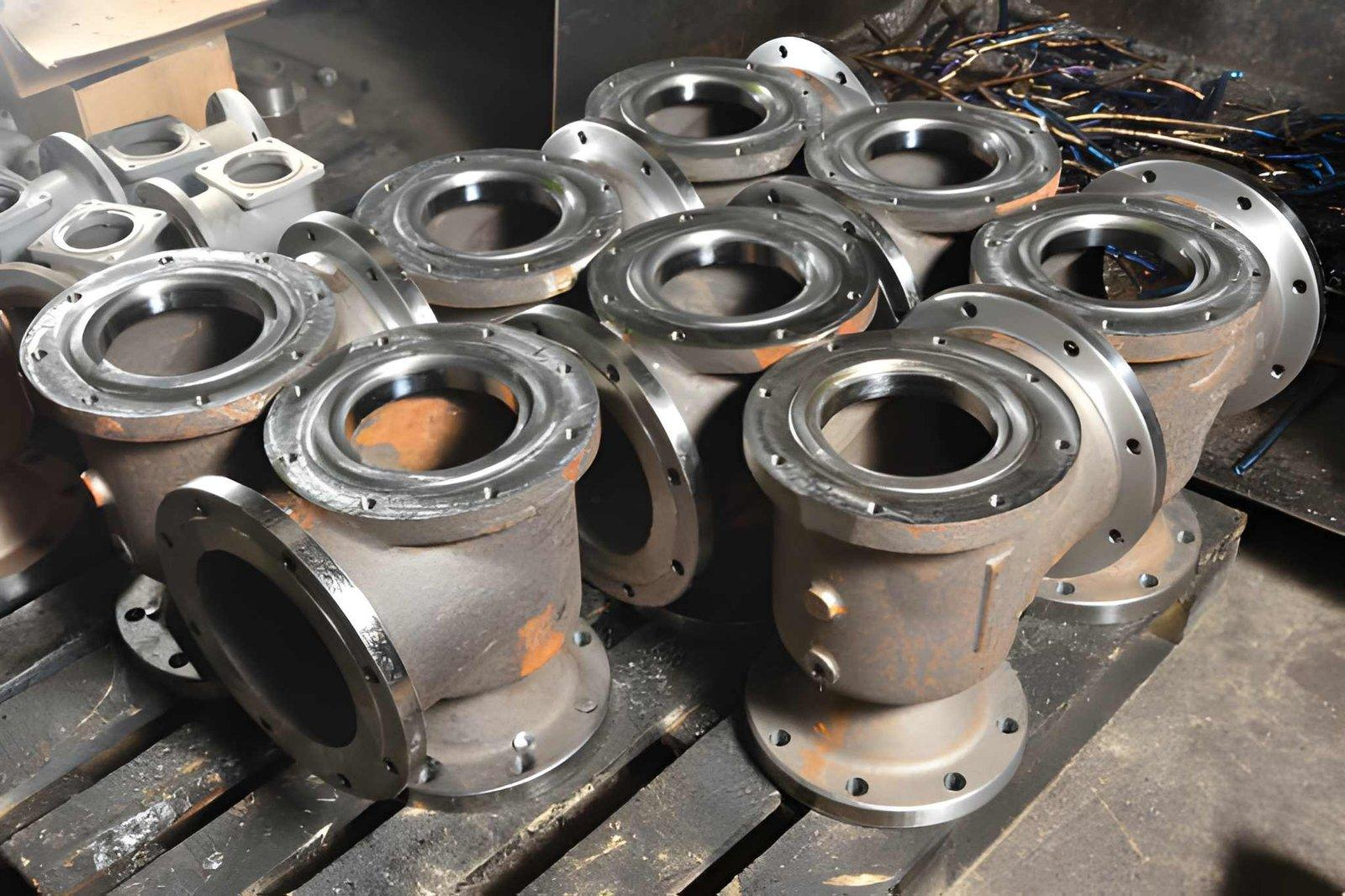
Malleable Cast Iron
For parts that receive impact or repeated loading, we often use malleable cast iron grades. These types are comparatively more difficult to cut than afforementioned types of cast irons. As such, we minimize the force being applied to the part during each pass of the cutter. This allows us to maintain the required size tolerances, particularly on holes and all contact points.
Alloy cast irons
If parts are needed to withstand either wear or high temperature exposure, we usually machine the corresponding alloy type. Alloy cast irons are generally harder than the other types, thus increasing the amount of tool wear generated. To mitigate excessive tool wear, our experts use appropriate insert types and ensure optimal operating parameters (such as speed, depth of cut, etc.) to preclude premature tool failure.
Proper Tool Selection for Machining Cast Iron
Tool choice depends on material hardness, feature type, and cutting load. Cast iron machines dry in most cases, but its abrasive nature causes steady tool wear, so tool type and geometry must match the operation.
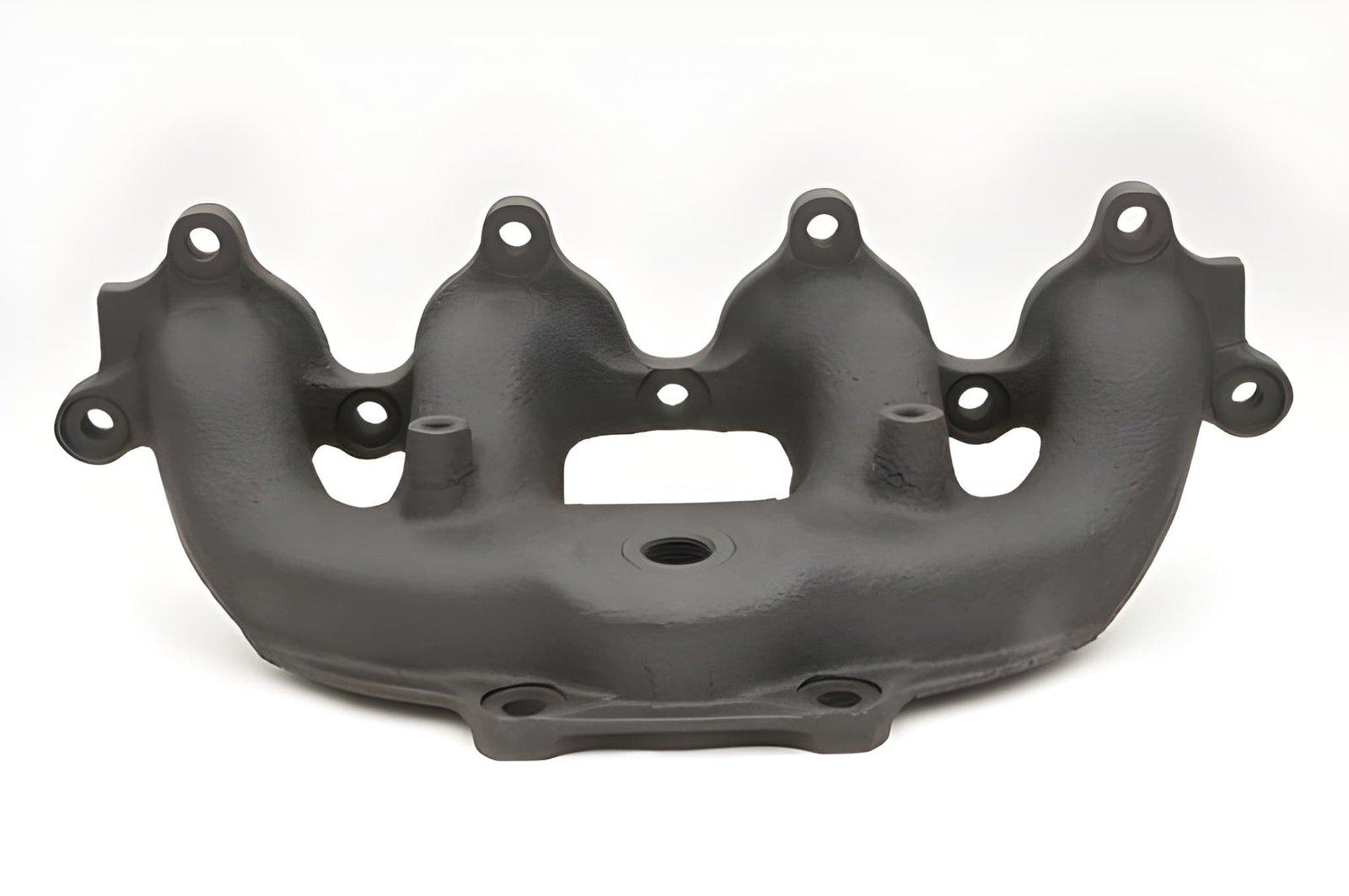
Carbide Inserts
Carbide is preferred for both roughing and finishing. It holds up better against abrasive wear and maintains edge stability during continuous cuts, especially on grey and ductile iron.
Coated Tools
Coatings such as TiN or TiAlN help reduce wear during longer runs. They are useful when cutting ductile or alloy cast iron, where cutting resistance is higher.
Insert Geometry
Negative rake inserts are designed to make frequent, large cuts. These cuts are problematic with conventional cutting tools, as they tend to cause chipping at the edge of the cut. Since negative rake tools make heavier cuts than positive rake tools, the cutting geometry is made sharper so that the insert has better finishes on the bore surface and flat face after each pass.
Tool Nose Radius
The larger the tool nose radius is, the better the finish will be on a flat surface, but it will also increase the force required to remove metal from the workpiece. On the other hand, the smaller the tool nose radius is, the tighter the feature and corner can be cut without causing the tool to lose its way.
Drilling Tools
For drilling operations, solid carbide (or other high-speed steel) drills are typically used for small diameter holes, and indexable drills are used for larger diameters. In addition, when drilling deep holes, step or peck drilling techniques may be employed to prevent chips from packing against the drill flutes and to help prevent the drill from becoming overloaded.
Threading Tools
Threading inserts are chosen based upon the threading application, which includes the type of thread (i.e., metric vs. imperial), the size of the thread (i.e., major and minor diameter), and the number of threads/inch. By using threaded inserts in this manner, there will be consistency in the thread profile regardless of whether you are making a single part or a quantity of parts.
Tool Wear Control
Tool wear occurs because of the presence of graphite within the cutting tool. Tool inserts should therefore be checked regularly for signs of tool wear, before an excessive amount of tool wear develops into a loss of shape of the cutting edge. Once a tool's edge begins to break down, size variations will begin to occur in critical areas.
Cutting Techniques for Cast Iron
Cutting cast iron requires stable conditions and controlled parameters to keep dimensions consistent. The approach changes based on part size, feature type, and material grade.
Dry Machining
Most cast iron parts are machined dry. The graphite in the material acts as a natural lubricant, so coolant is not required, and chip evacuation stays clean.
Controlled Roughing
Rough cuts remove excess material in stable passes. Depth of cut and feed are kept consistent to avoid vibration, especially on large flat surfaces and heavy sections.
Finish Machining
Finish passes are applied on bores, mounting faces, and contact areas. Light cuts help maintain size, roundness, and surface finish without pulling the tool.
Stable Fixturing
Rigid clamping is used to avoid part movement during cutting. This is important for larger castings where uneven support can affect flatness and alignment.
Managing Hard Spots
Cast iron may have localized hard areas from the casting process. Cutting speed and feed are adjusted in these zones to prevent sudden tool wear or edge damage.
Chip Control
Cast iron forms small, broken chips, which helps keep the cutting area clear. Even so, proper tool paths are maintained to avoid chip buildup in pockets and holes.
Consistent Tool Paths
For repeat parts, the same tool paths and parameters are maintained. This keeps features like bores and hole positions consistent across batches.
Need CNC-machined parts of Cast Iron?
If you have a drawing or 3D file, it can be reviewed for machining feasibility. Key features like bores, flat faces, and threaded holes are checked first, since these need controlled cutting in cast iron. You will get feedback if any feature needs adjustment for better machining or tool access, along with a clear quote and lead time.
Contact Sochain Precision to get your custom cast iron parts machined.
FAQs
STEP and IGES files work best. They allow direct programming without missing geometry. 2D drawings can also be used if all critical dimensions are defined.
Pre-cast parts are commonly machined. Surfaces are cleaned first, then critical areas like bores and mounting faces are machined to size.
Bores are usually rough machined first, then finished in a final pass to hold size and roundness. This helps avoid variation caused by tool wear.
Yes, threads are stable in cast iron. For parts under load, thread depth and size are adjusted to avoid chipping during use.
Start Manufacturing Your Custom Parts Now!
Understanding Your Goals, Delivering Your Solutions – We’re Committed to Making CNC Machining Simple and Stress-Free!