 (+035) 527-1710-70
 NEWSLETTER
Acrylic (PMMA) Machining
At Sochain Precision, we employ CNC machining for acrylic (PMMA) parts for applications such as display panels, covers, light guides, and enclosures. Our capabilities include:
- Manufacturing Process compliance: ISO 9001:2015
- Lead time: 3 to 7 Days
- Custom Parts: Clear, tinted, and custom PMMA raw sheets, plates, and rods.
- No MOQ: 1 prototype to batch scale production up to 10,000+ parts
- Free DFM review from our engineers
Get acrylic parts with smooth, clean edges that could be used in a visual and optical context.
Rapid prototyping and full-scale production
ISO accredited & QC checks
All in-house processes
Used in over 50 countries
FREE Instant quotations
What Makes Sochain Precision a Reliable Partner/Supplier for Acrylic (PMMA) Machined Parts
At Sochain Precision, we plan acrylic machining around material behavior, not just geometry. Our engineers pay close attention to managing stress impact, heat, and edge quality to come up with clear, stable, and assembly-ready parts in minimal turnaround.
Here are our benefits that make us stand out from other competitors
Controlled Cutting to Prevent Cracks
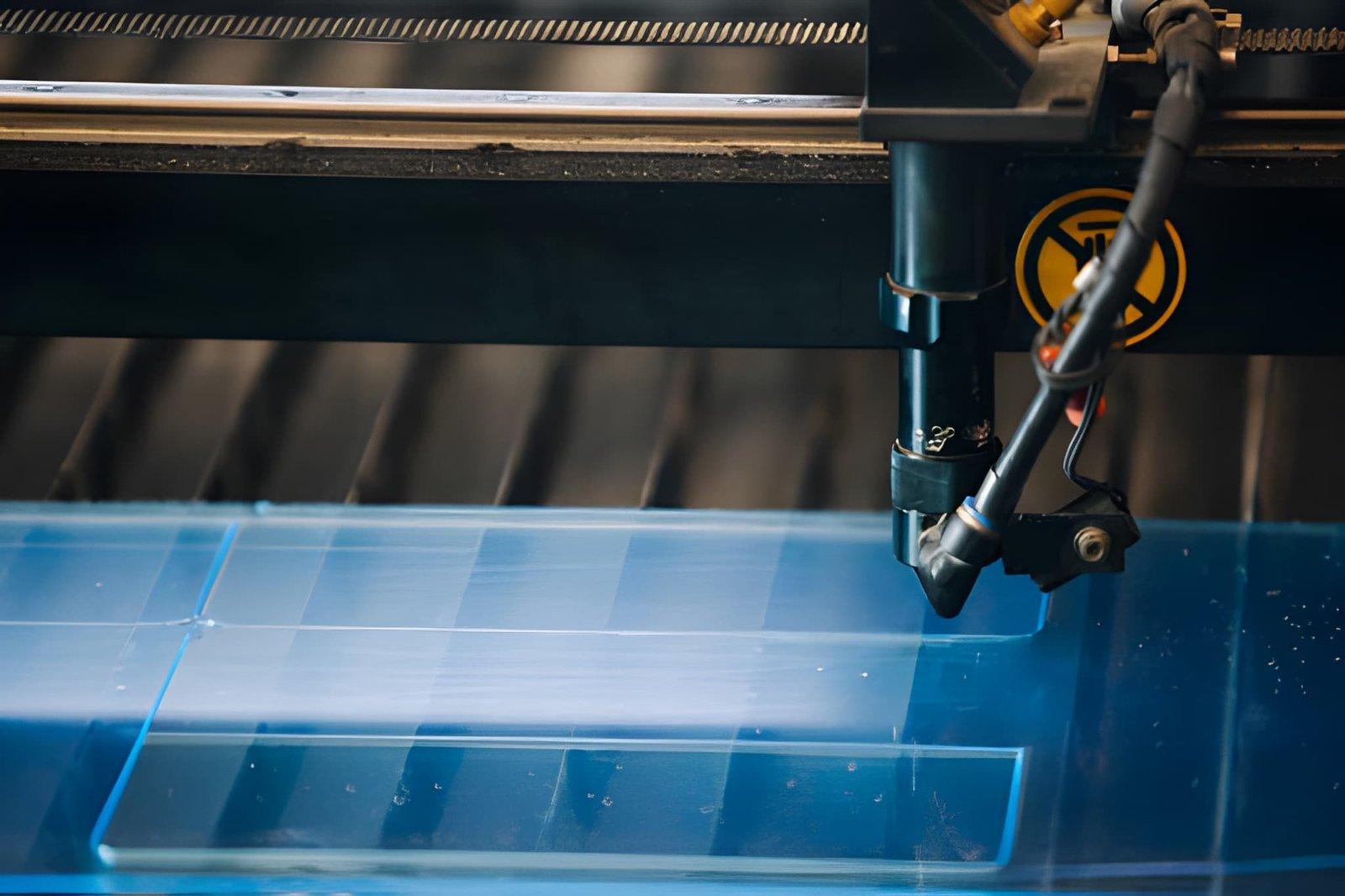
Acrylic parts usually crack during CNC machining due to uncontrolled cutting forces. To prevent internal stress and edge fractures, we employ sharp tools, adequate spindle speeds, and low-stress toolpaths.
Clean Edge Quality for Visual Parts
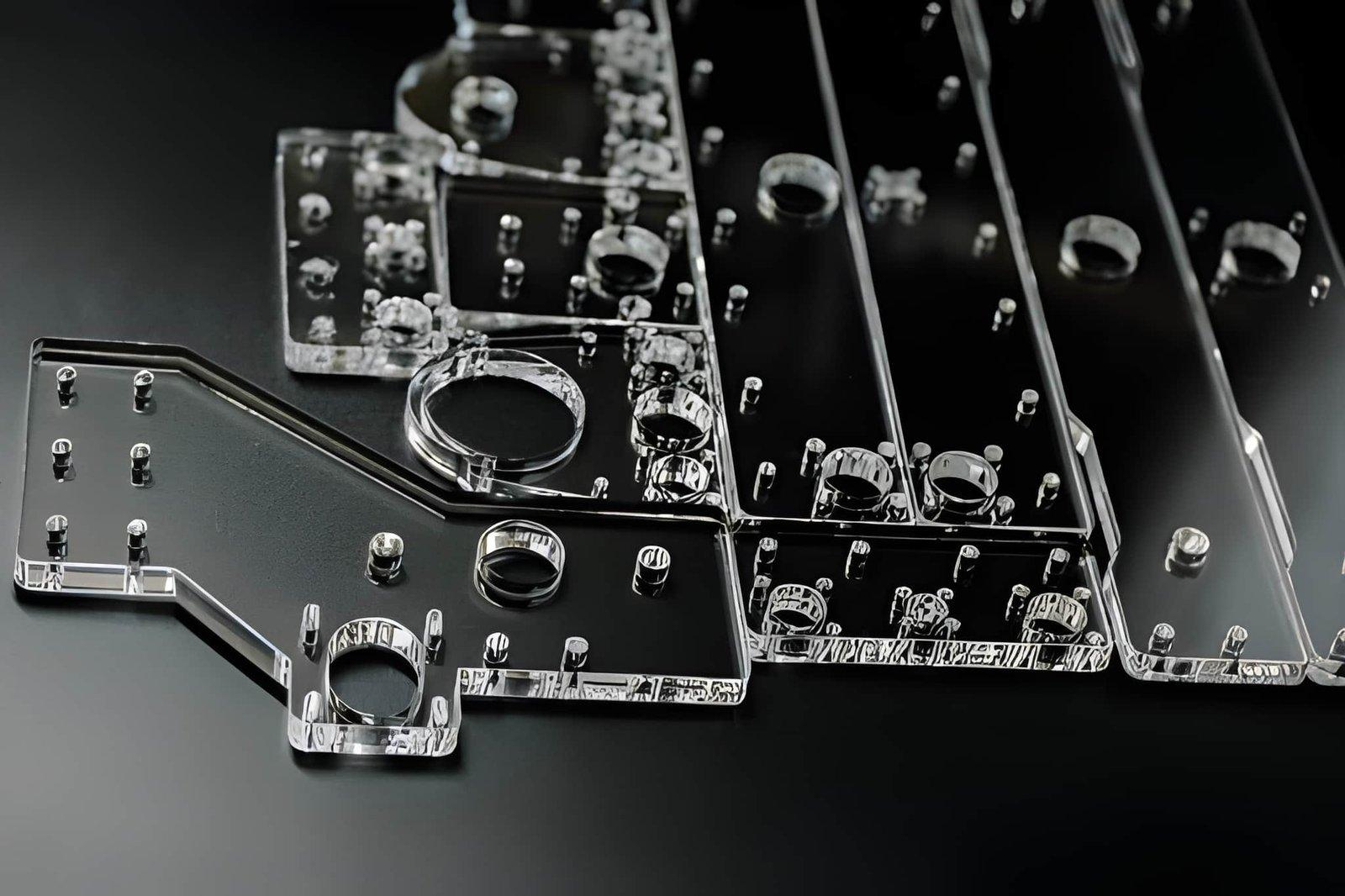
Acrylic parts require an edge finish. Therefore, our team controls feed rates and finishing passes to mitigate chip formation. Edges are polished where necessary to obtain clear and smooth surfaces to be displayed.
Heat Management During Machining
PMMA is heat sensitive, and it can melt away or deform. Thus, we set cutting parameters and air cooling at the necessary points to eliminate edge melting and surface marks.
Tight Tolerance on Critical Features
We control the critical dimensional features like holes, slots, and mating edges. This guarantees good fitment when assembling acrylic parts with other components.
Machining and Polishing in One Flow
Machining and finishing are done concurrently, usually in one step. This prevents any damage and manipulation and maintains the surface quality between raw cutting and the final part.
Support for Different Acrylic Grades
Our factory sources clear, colored, and specialty PMMA materials from certified suppliers. All such types are treated according to their behavior to preserve clarity, strength, and surface quality.
Practical DFM Support Before Production
Once you submit your design, our team carefully reviews your design. We normally suggest keeping a simple design and minimizing sharp edges, slender edges, and stress points. This allows us to avoid cracking when being machined and enhances part reliability in their intended use.
Acrylic (PMMA) Types We Use
The table includes the common acrylic grades available for machining at our factory:
Material | Common Form | Machining Behaviour | Typical Parts |
Cast Acrylic (Cell Cast) | Sheets, blocks | Better surface finish, less internal stress, machines clean with low cracking risk | Optical parts, display panels, polished components |
Extruded Acrylic | Sheets | Lower cost, softer, more prone to melting and edge burrs during cutting | General covers, non-critical visual parts |
Optical Grade Acrylic | Sheets, blocks | High clarity requires controlled cutting and polishing to avoid distortion | Lenses, light guides, high-clarity covers |
Impact-Modified Acrylic | Sheets | Improved toughness, slightly reduced clarity, stable during machining | Protective covers, machine guards |
UV-Resistant Acrylic | Sheets | Maintains clarity under sunlight, similar to cast acrylic | Outdoor displays, signage, covers |
Colored Acrylic | Sheets | Pigmented material, machining must control the edge finish for appearance | Decorative panels, branding parts |
Frosted / Matte Acrylic | Sheets | Surface already textured, requires careful handling to avoid marks | Diffusers, display surfaces |
In case your application needs a particular grade, thickness, or optical performance, you can provide your needs to Sochain Precision. We will discuss your part and advise on the best acrylic material and machining options.
Industries We Serve with Acrylic (PMMA) Machining
Acrylic parts are used when visibility, appearance, and precise fit are of the essence. At Sochain Precision, we serve various sectors. Each industry has its unique demand and requires parts free from cracking, poor light output, or any misfit during assembly.
Here are the common industries we provide our services to.
Electronics and Electrical
In electronic products, acrylic components must remain compatible with internal components and be easily visible over displays and indicators. The edge quality or incorrectly aligned cutouts can influence assembly and functionality.
The common part examples include:
Protective Screens and Display Covers
Light Directs
LED sheaths
Control Panels and Interface Windows
Laboratory and Medical Equipment
Clarity and surface condition impact visibility and hygiene in medical use. Micro-cracks or jagged edges may cause failure when used, and risk of contamination. We often machine the following parts for medicare use:
Shields and Guarding
Sample Trays and Holders
Clear Stands of Instruments
Automotive and Transportation
Car components not only require good aesthetics and looks, but they also must entail a precision fit as well. Light covers and interior features should be precise enough to keep uniform thickness and surface finish to avoid distortion and ineffective light diffusion.
We typically produce:
Light covers and DiffusersDashboard Panels and TrimsInterior Protective ComponentsDisplay Systems and Retail Systems
Surface finish is directly related to product presentation for display applications. Scratches, haze, and broken edges normally reduce the visual quality and perception among customers.
At our factory, we usually use:
Plastic Displays and StandsBranding Elements and SignageProduct Holders and CoversIndustrial Equipment
Machine parts and equipment must provide clear visibility without compromising strength. Poor machining can lead to cracks under load and during installation.
Machine Guards and Safety CoversInspection WindowsControl Panel CoversLighting and Optical Applications
Light performance depends on surface quality and internal clarity. Machining marks and uneven surfaces can reduce light transmission and create visual defects. Some of the common parts include
Optical Covers and LensesLight Diffusers and GuidesTransparent Protective HousingsIf your application has specific visual requirements, you can send us your design. Our team will review your design and recommend the right machining approach before production commencement.
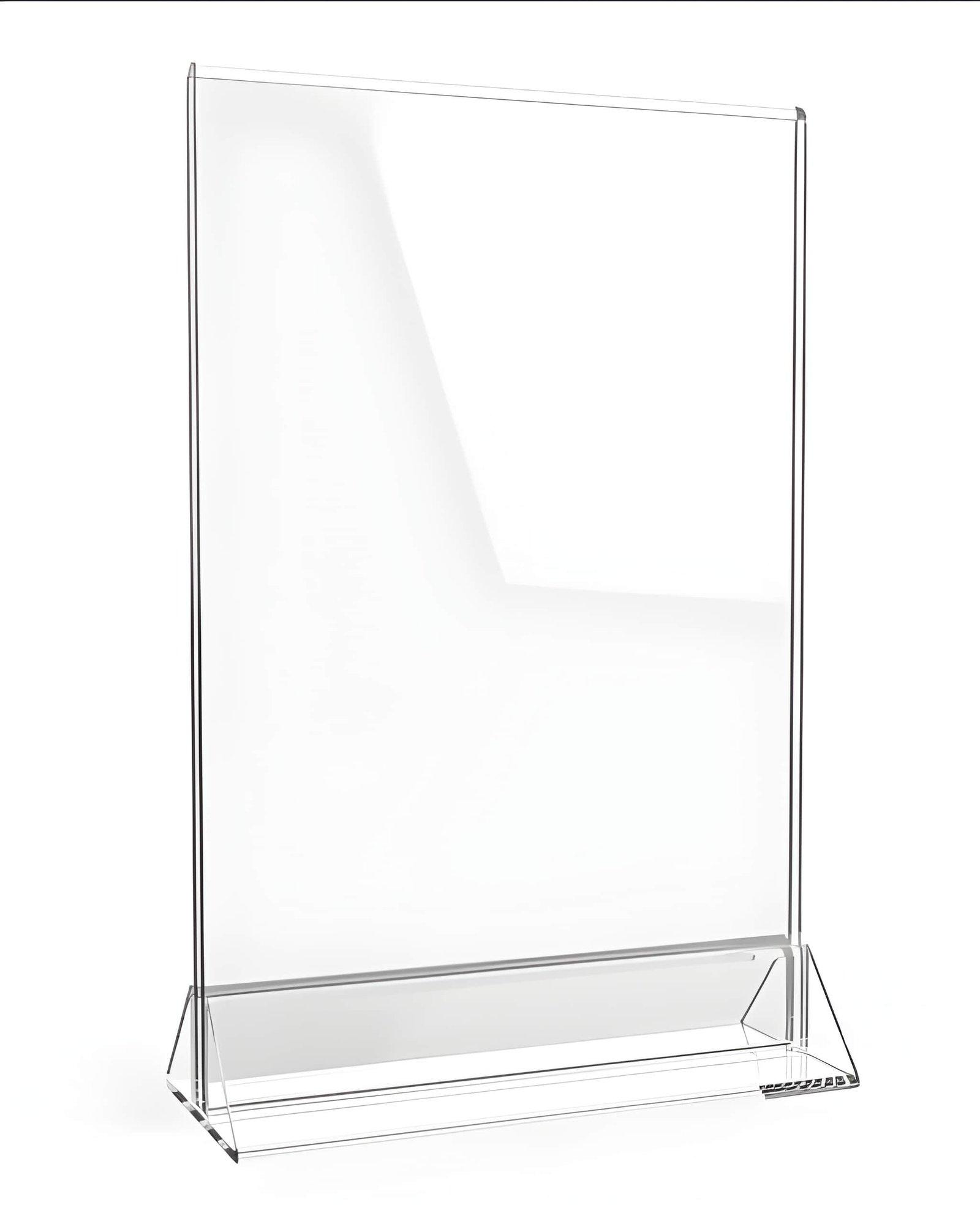
Surface Finishes for Acrylic (PMMA) Parts
- As-machined finish
- Flame polishing
- Mechanical polishing
- Vapor polishing
- Sanding (fine grit)
- Bead blasting (matte finish)
- Frosted finish
- Laser polishing
- Buff polishing
- Anti-scratch coating
- Anti-glare coating
- UV-resistant coating
Machining Techniques We Use for Acrylic (PMMA)
The following techniques are employed at our facility for machining custom acrylic (PMMA) parts.
CNC Milling
CNC milling is applied where flat surfaces, pockets, and stepped features need to be controlled in one setup. It is a viable option for parts that need accurate cutouts and consistent depth without stressing the material.
Display Panels with OpeningsEnclosures with Internal CavitiesPlates with Slots and Features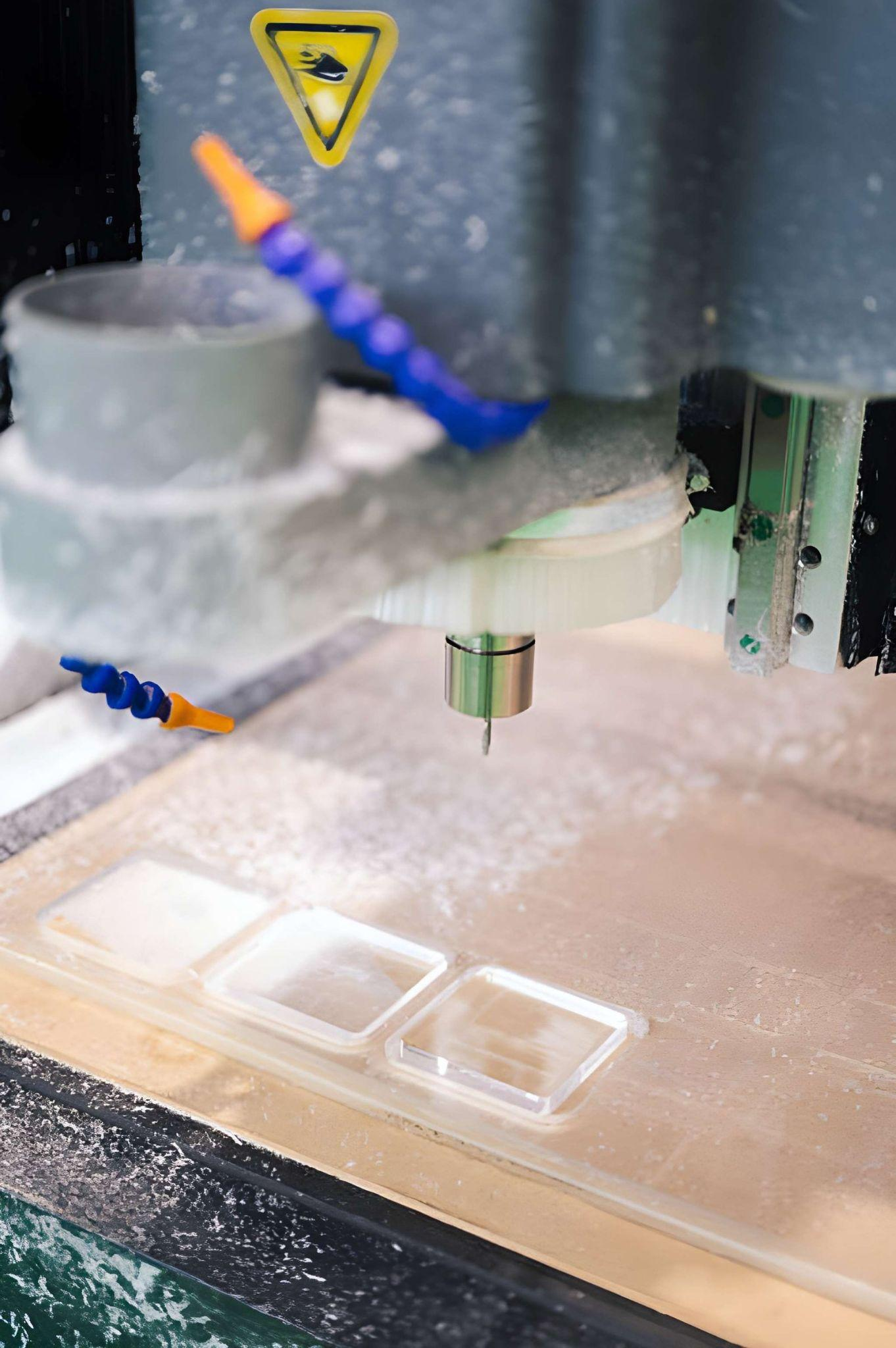
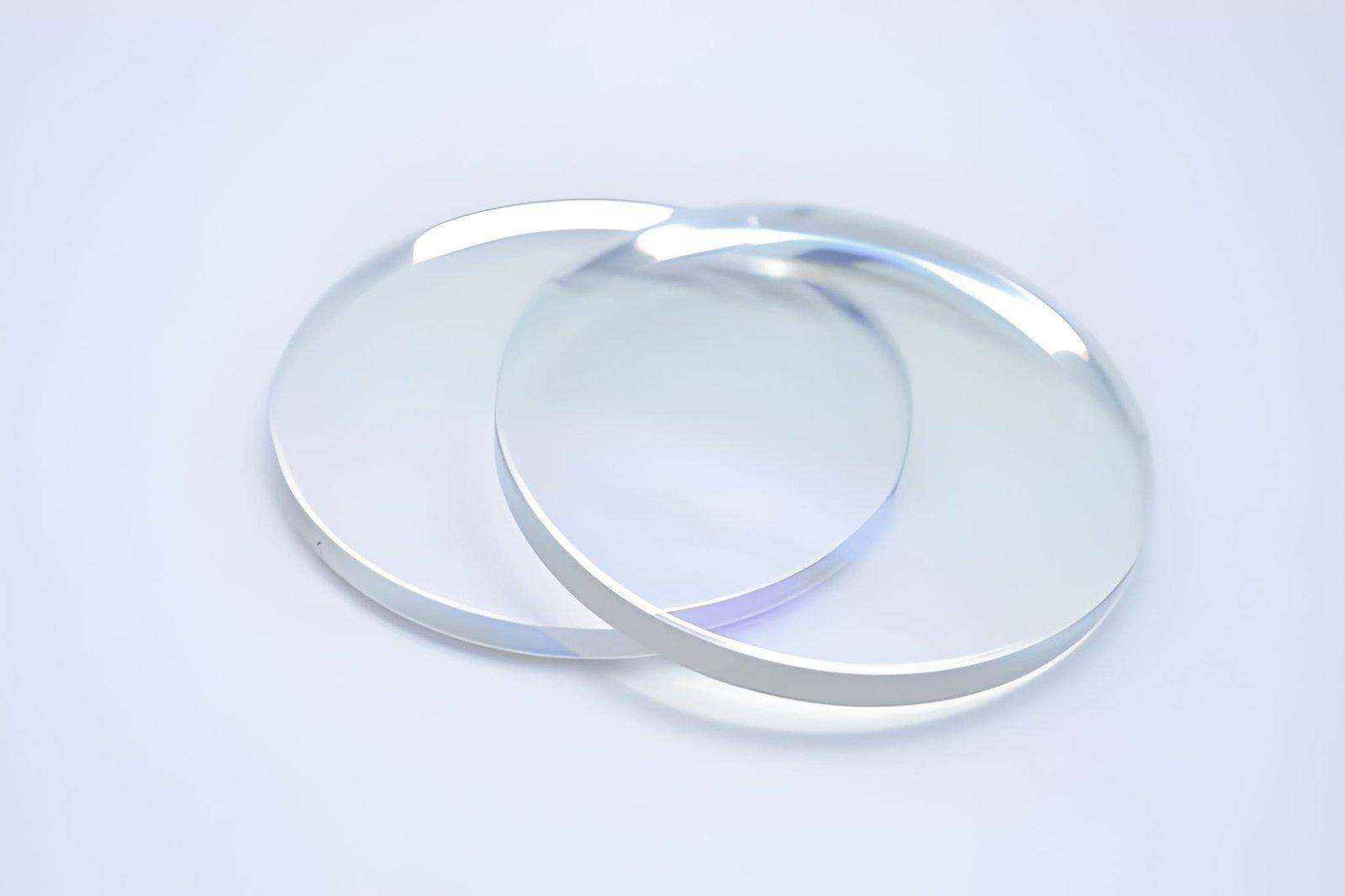
CNC Turning
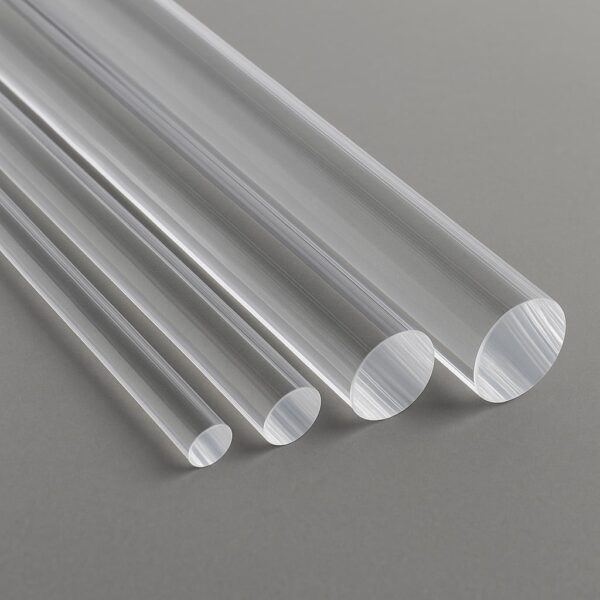
CNC turning is used for slender or round parts. It is important when you need a consistent diameter and surface finish along the part length. Moreover, it aids in keeping the right balance and even outer surfaces of cylindrical parts. It normally applies to
- Tubes and sleeves
- Round housings
- Optical component bodies
High-Speed Routing
CNC routing is favored with sheet-based parts, where bigger profiles must be cut effectively without leaving their edges unclean. It is commonly applied before secondary finishing. We normally shape:
- Large Panels
- Signage and Covers
- Flat Profile Parts
Drilling and Reaming
Hole-making is done based on assembly fit requirements. The base hole is drilled and reamed when a part needs a precise fit and tolerance, and smoother internal surfaces.
- Clearance and Mounting Holes
- Alignment Features
- Precision Fit Holes
Tapping (Low-Stress Threading)
Acrylic threading is a critical step; thus, it requires care to prevent cracking. For fastening, low-stress tapping methods are used, especially in thicker parts.
- Threaded mounting points
- Locations of fasteners in panels.
- Light-duty threaded features
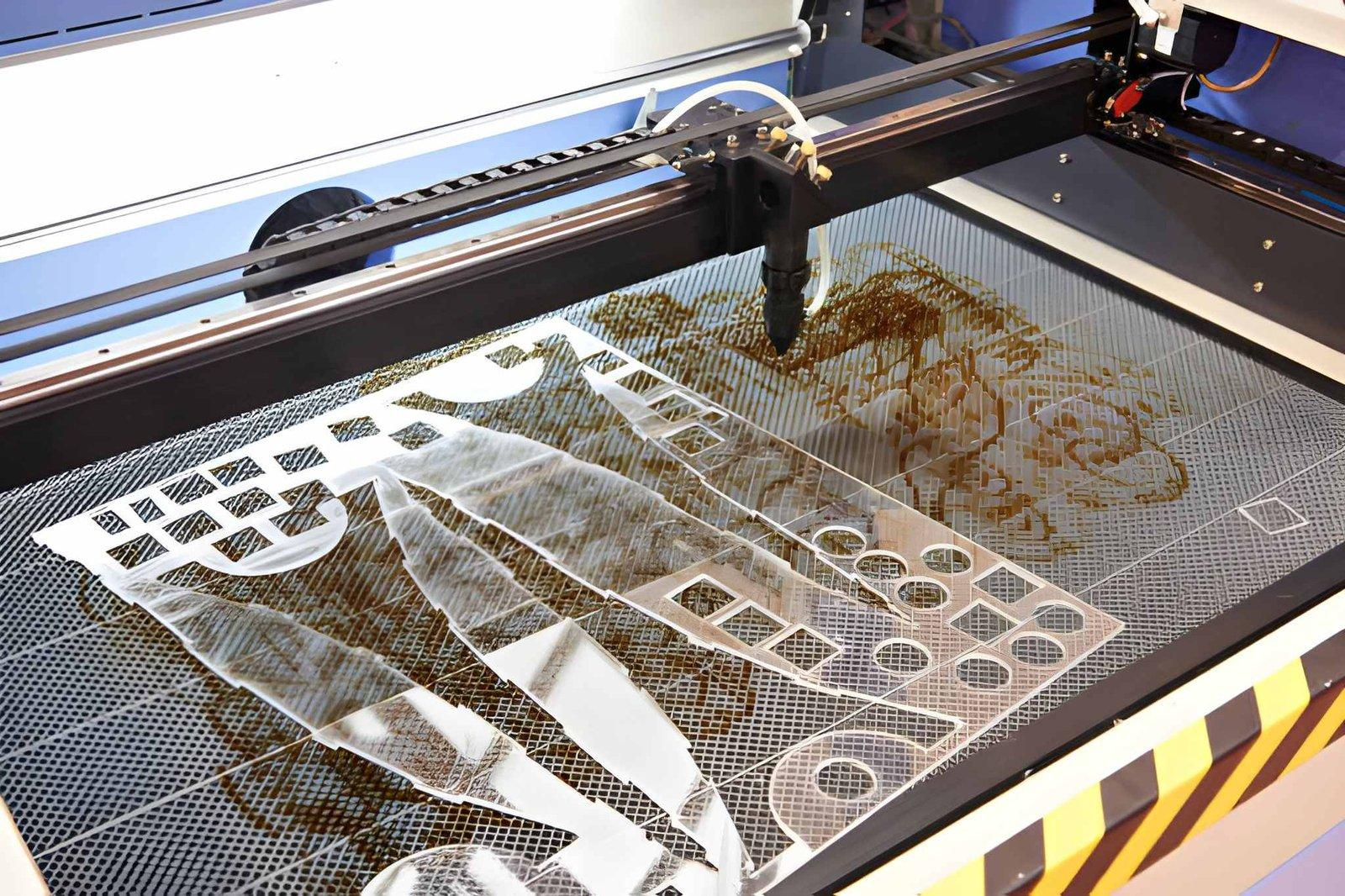
Laser Cutting
Laser cutting is applied to thin sheets with detailed geometry. It allows fine shapes and small features, though parameters are controlled to prevent edge melting.
Thin covers and panelsDecorative componentsDetailed cut patternsEngraving
Engraving is used for surface marking without affecting part structure. It is commonly applied where identification and interface markings are needed.
- Labels and Text
- Branding Panels
- Control Markings
Slotting and Pocketing
Material is removed in defined areas to create space for components or reduce weight. This is planned to avoid sharp internal corners that may cause stress.
- Internal Cavities
- Cable and Ventilation Slots
- Component Housing Areas
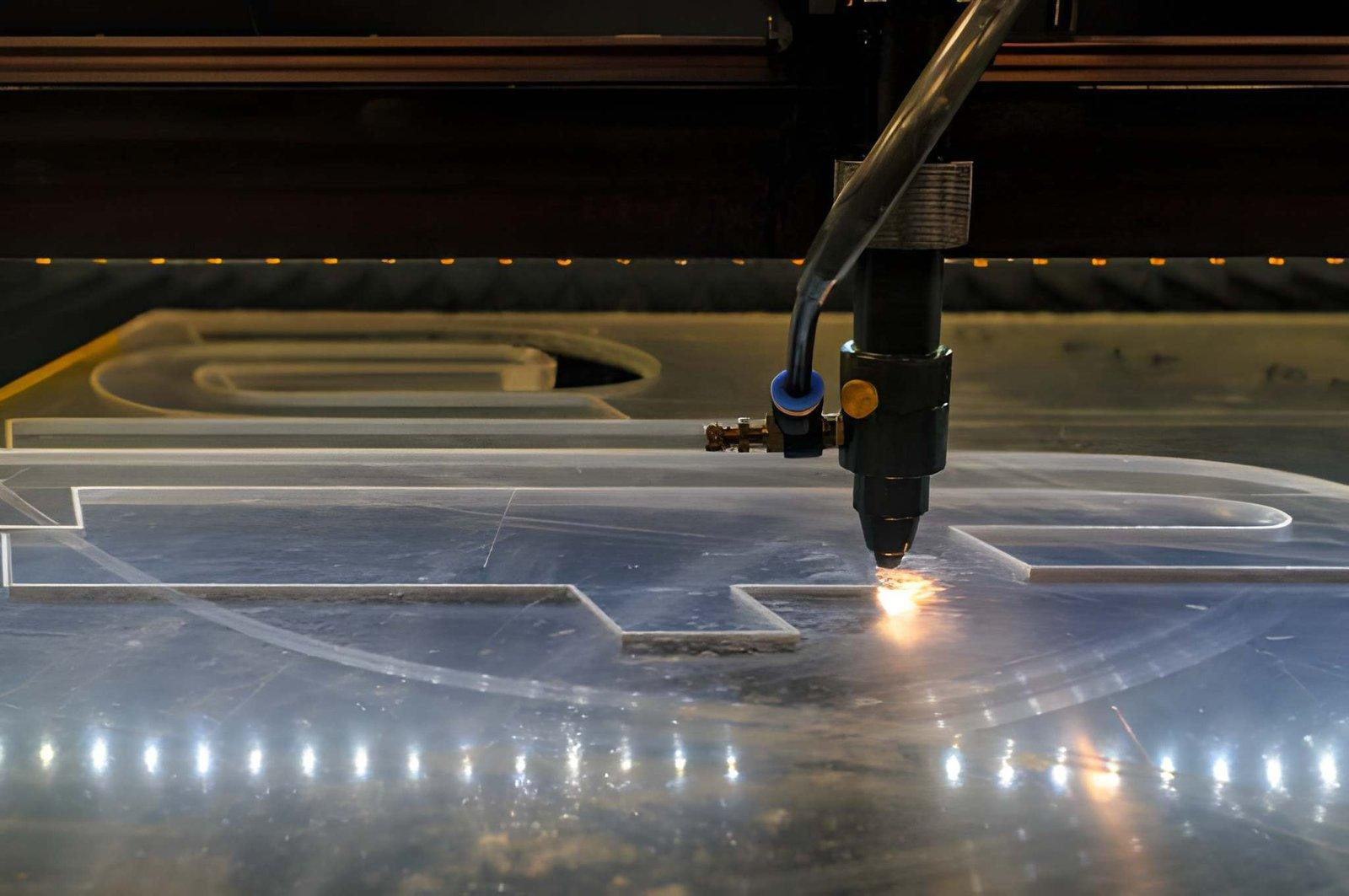
Profile Cutting
Profile cutting determines the external/outer shape of the part. Edge consistency is maintained to ensure proper fit during assembly.
- Custom-Shaped Panels
- Covers and Outer Profiles
- Structural Outlines
Get Custom Acrylic (PMMA) Parts from Sochain Precision
Custom acrylic parts often fail due to cracking, poor edge quality, and dimensional mismatch during assembly.
At Sochain Precision, each design is reviewed before machining to address these risks early. The choice of cutting strategy, edge finishing, and material type depends on the application to make the part, as a visual aid, a structural aid, or a light conductor.
Controlled machining and finishing are provided in a single process flow for both prototype and batch production. This serves to keep the consistency between the initial section and full production, particularly when it comes to parts that have to be given clean edges and a perfect fit.
Share your drawing or CAD file to get feedback about machining feasibility, lead time expected, and cost.
FAQs
Internal stresses due to cutting or sharp internal corners usually cause cracking. This is controlled through appropriate cutting parameters, no aggressive toolpaths, and the corner radius of the design. It is also dependent on the type of material, particularly between cast and extruded acrylic.
The part edge quality is based on machining and surface finishing. Once cut, edges are finished with polishing techniques like flame or mechanical polishing. This eliminates tool traces and improves the transparency where it is needed.
Acrylic is sensitive to heat and cutting force, which can affect dimensions. Tolerances are controlled by adjusting cutting parameters and using stable setups. For critical features, finishing passes and inspection steps are applied to maintain accuracy.
Start Manufacturing Your Custom Parts Now!
Understanding Your Goals, Delivering Your Solutions – We’re Committed to Making CNC Machining Simple and Stress-Free!