 (+035) 527-1710-70
 NEWSLETTER
Anodized CNC Machined Parts
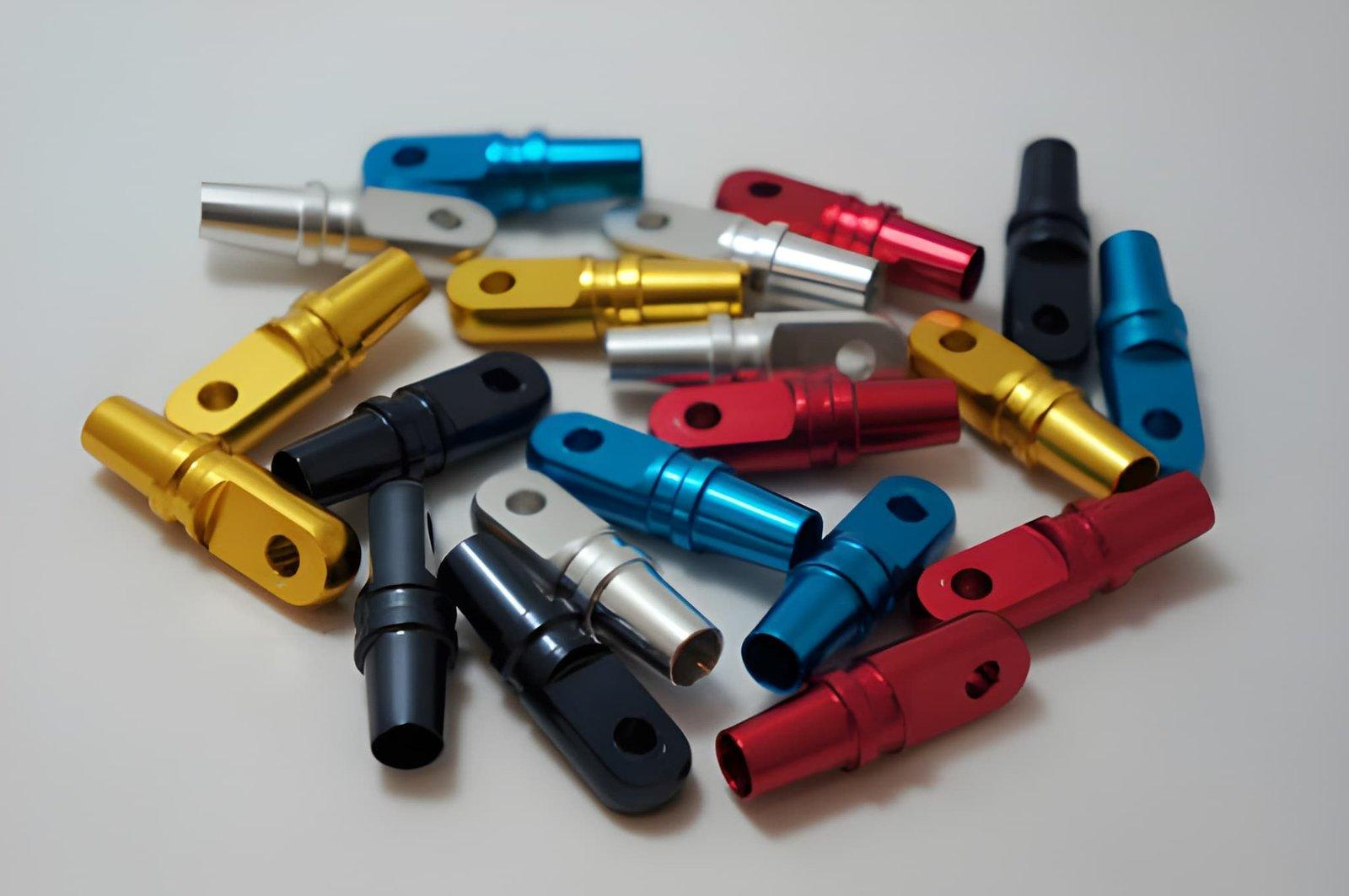
Sochain Precision provides anodized CNC-machined aluminum parts for industries such as aviation, automotive, and electrical.
Our capabilities include:
- ISO 9001 quality system in place
- Short lead time, as long as 3 - 7 days
- Full traceability during production
- Machining and finishing are handled together
- Easy sourcing from prototype to batch
- Aluminum alloys such as 6061-T6, 6063-T6, 7075-T6, 5052, and 2024
- Protective anodized surface for harsh use
- Supports both small runs and volume orders
Rapid prototyping and full-scale production
ISO accredited & QC checks
All in-house processes
Used in over 50 countries
FREE Instant quotations
What Makes Sochain Precision a Reliable Choice for Anodized CNC Machining?
We employ precision machining and finishing so the parts keep their size, fit, and surface protection in actual working conditions.
Practical Lead Times
Lead time is dependent on finishes and geometry.
- Anodizing usually takes between 5 and 10 days in general
- Production batches are often planned based on quantity
- We predict the timing after inspecting and approving your drawings
Controlled Machining Accuracy
We machine parts based on stable datums and proper workholding. Typical machining tolerance is ±0.01–0.02 mm on functional features, depending on part size and geometry. This helps parts assemble without rework.
Prototyping to Recurrent Parts
We keep standards in record and perform the same machining layout and anodizing path as the samples in the batch. This allows us to keep the regularity as you raise your volume/quantity.
Standard Anodizing Options Available
We support common industrial anodizing types such as:
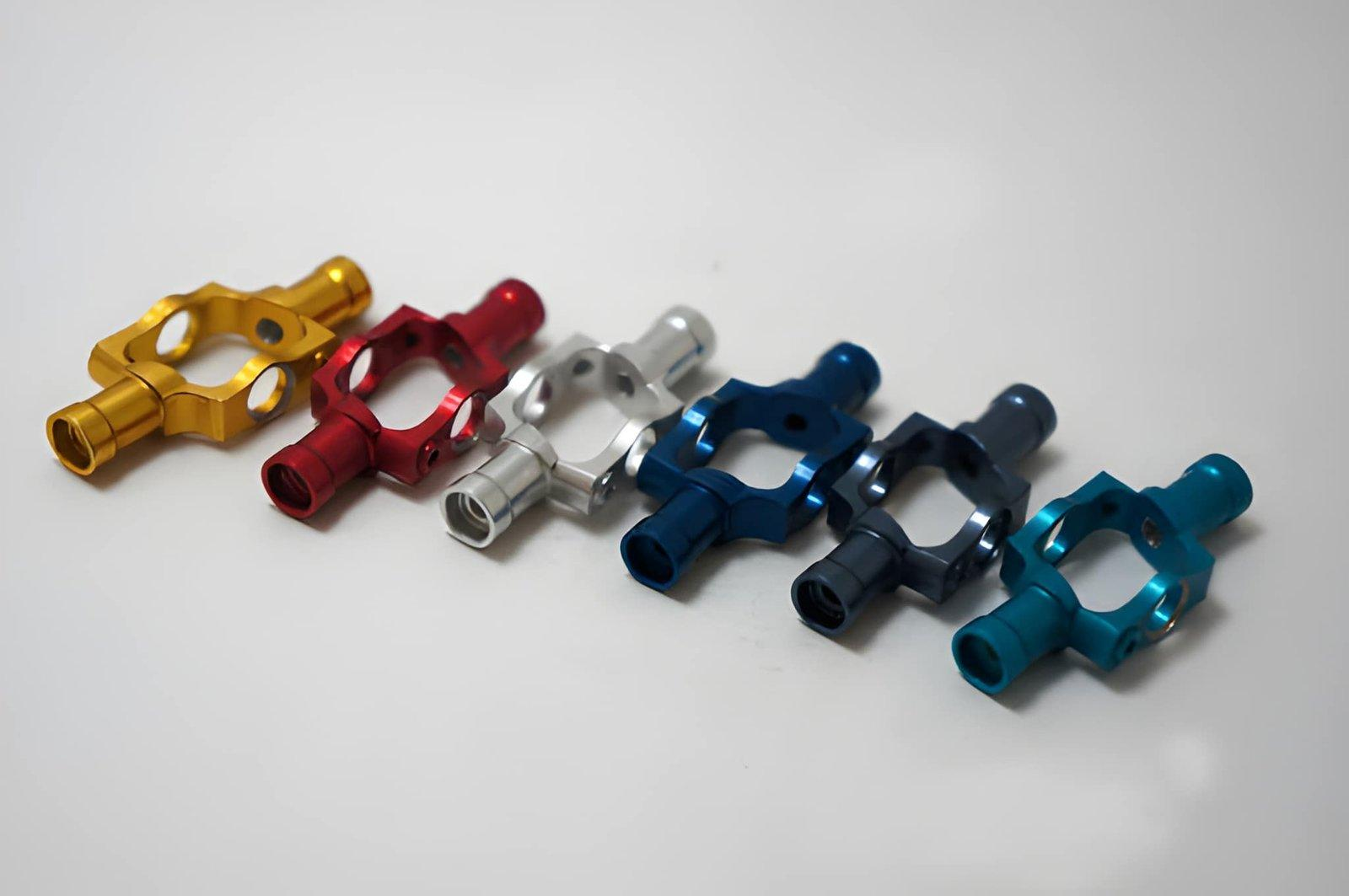
Type II anodizing for general corrosion protection and color finish.
Type III hard anodizing for wear resistance and higher surface hardness.
PTFE sealed hard anodizing for low-friction sliding parts.
We help you choose the right type based on how the part will actually be performed.
Inspection before Shipment
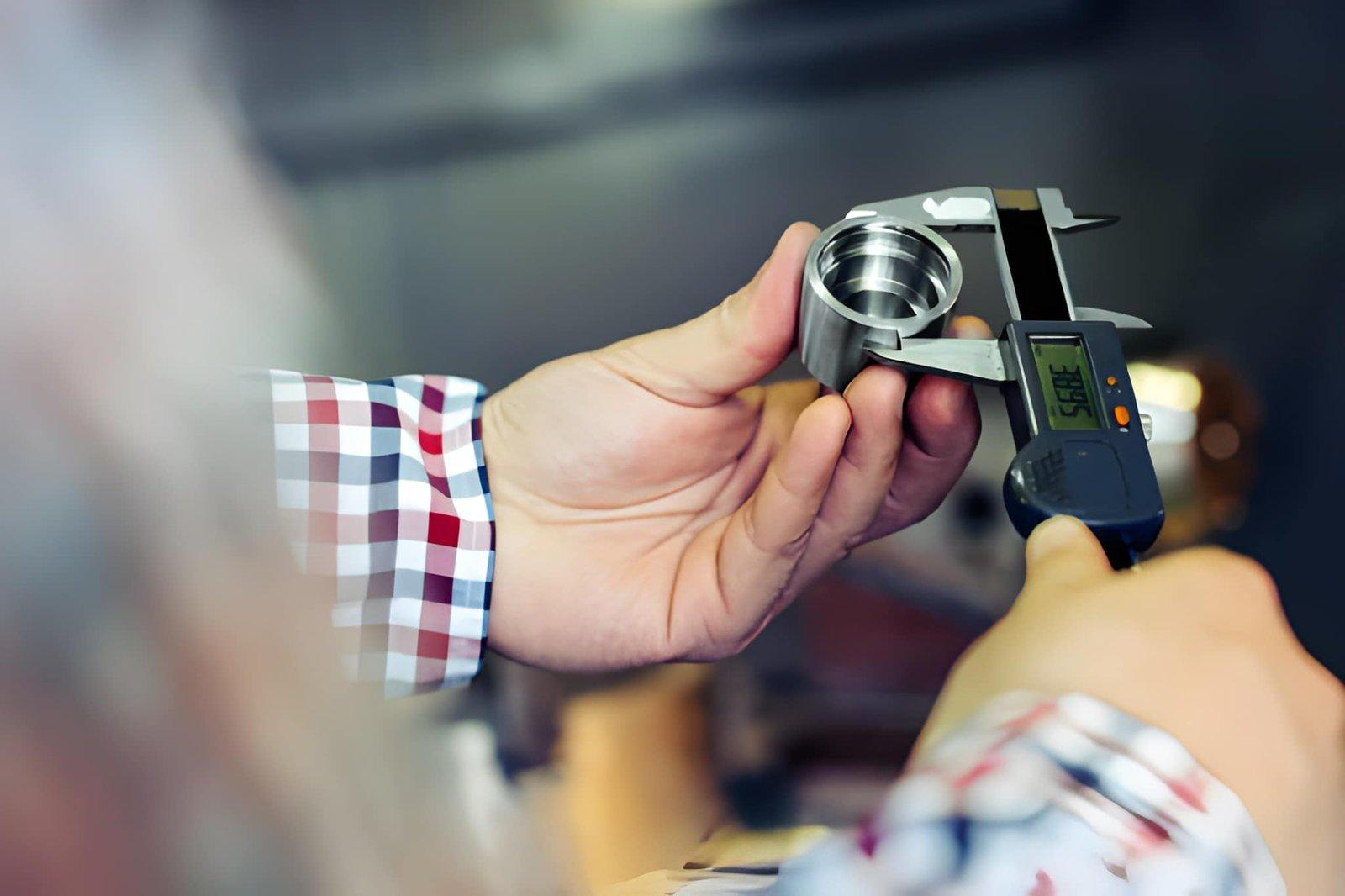
Dimensions and coating conditions are verified and then packed. During packaging, the parts are kept safe against the dangers of being damaged on the surface during transportation.
Anodizing Options We Offer
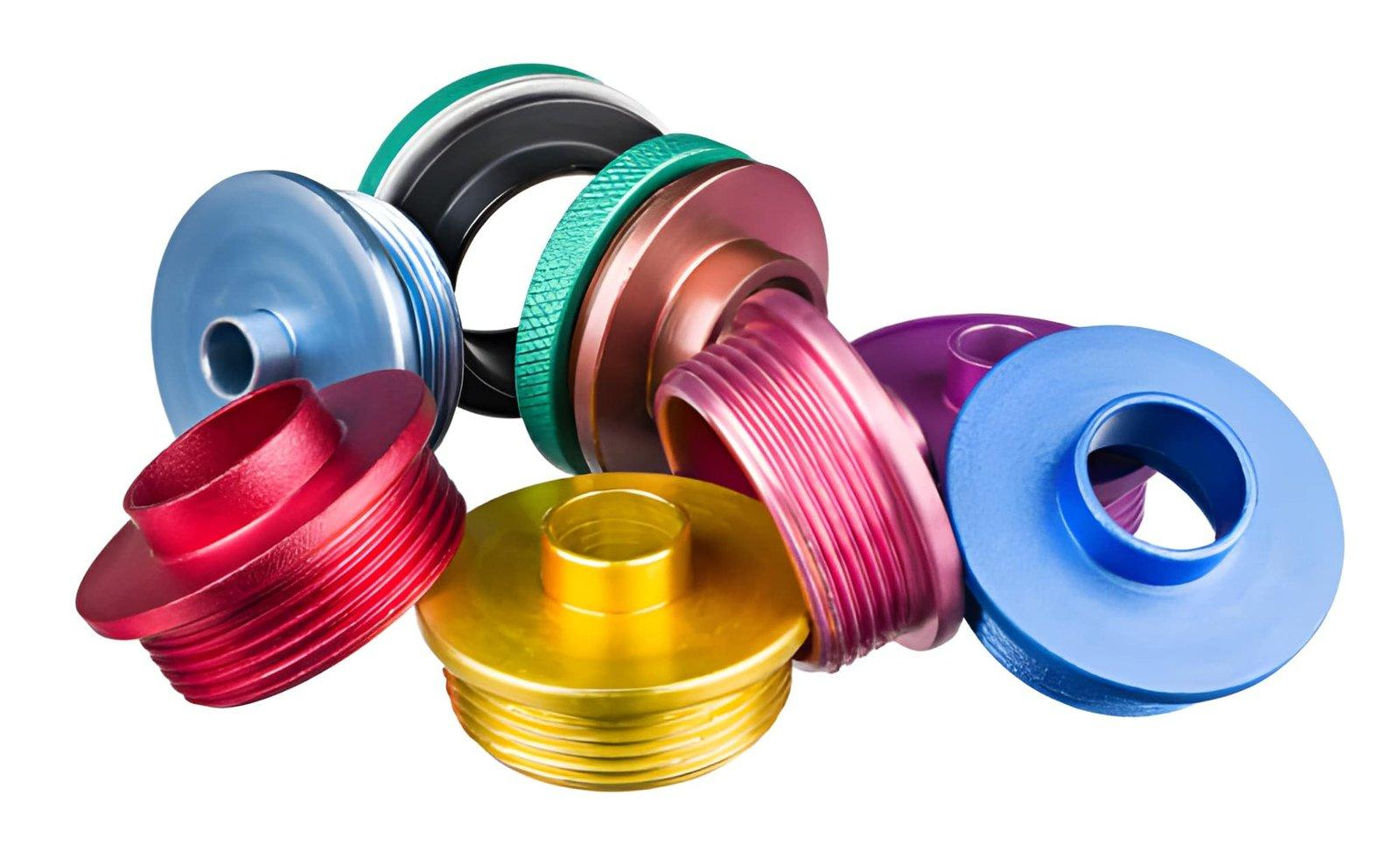
At Sochain Precision, we provide various anodizing types to match different performance needs. The table below helps you quickly compare thickness, finish, and typical use cases.
| Factor | Type II Anodizing | Type III (Hardcoat) | Type III with PTFE |
| Applicable Material | Aluminum | Aluminum | Aluminum |
| Common Colors | Clear, black, red, blue, gold | Clear (grey look), black | Black |
| Surface Texture | Smooth, matte | Smooth, matte | Very smooth, matte |
| Typical Thickness | 1.8–25 μm (0.00007"–0.001") | ≥ 0.0005" (up to ~0.004") | Similar to Type III |
| Wear Resistance | Moderate | High | High with low friction |
| Corrosion Protection | Good | Excellent | Excellent |
| Effect on Tolerances | Minimal impact | May affect tight fits | May affect tight fits |
| Electrical Conductivity | Insulating | Insulating | Insulating |
| Best Use Cases | Cosmetic + basic protection | Heavy wear environments | Wear + low friction parts |
| Lead Time (Typical) | Short | Medium | Medium |
| Notes | Does not hide machine marks | Masking often required | Often used with blasting/tumbling |
Anodizing Standards We Follow
| Standard Category | Specifications | Typical Scope |
| Military Spec | MIL-PRF-8625 Type I, Class A | Chromic acid anodizing |
| Military Spec | MIL-PRF-8625 Type I, Class B | Chromic acid with dye options |
| Military Spec | MIL-PRF-8625 Type I, Class C | Specialized chromic variants |
| Military Spec | MIL-PRF-8625 Type II | Sulfuric anodizing (standard) |
| Military Spec | MIL-PRF-8625 Type III | Hardcoat anodizing |
| ASTM Standard | ASTM D1730 | Evaluation of anodic coatings |
| ASTM Standard | ASTM B580 | Sealing quality check |
| SAE Standard | SAE AMS 2469 Rev J | Engineering anodize spec |
| Architectural Spec | AAMA 611 Class A4 | High-performance anodic finish |
| Architectural Spec | AAMA 611 Class A3 | Standard architectural finish |
| ASTM Standard | ASTM D3933-98 | Coating performance testing |
| ASTM Standard | ASTM B580 (duplicate reference) | Seal quality verification |
Industries We Serve with Anodized CNC Machined Parts
At Sochain Precision, we produce components for customers from various sectors such as automotive, aerospace, electronics, and robotics. We entertain prototype development and low-to-mid volume production runs.
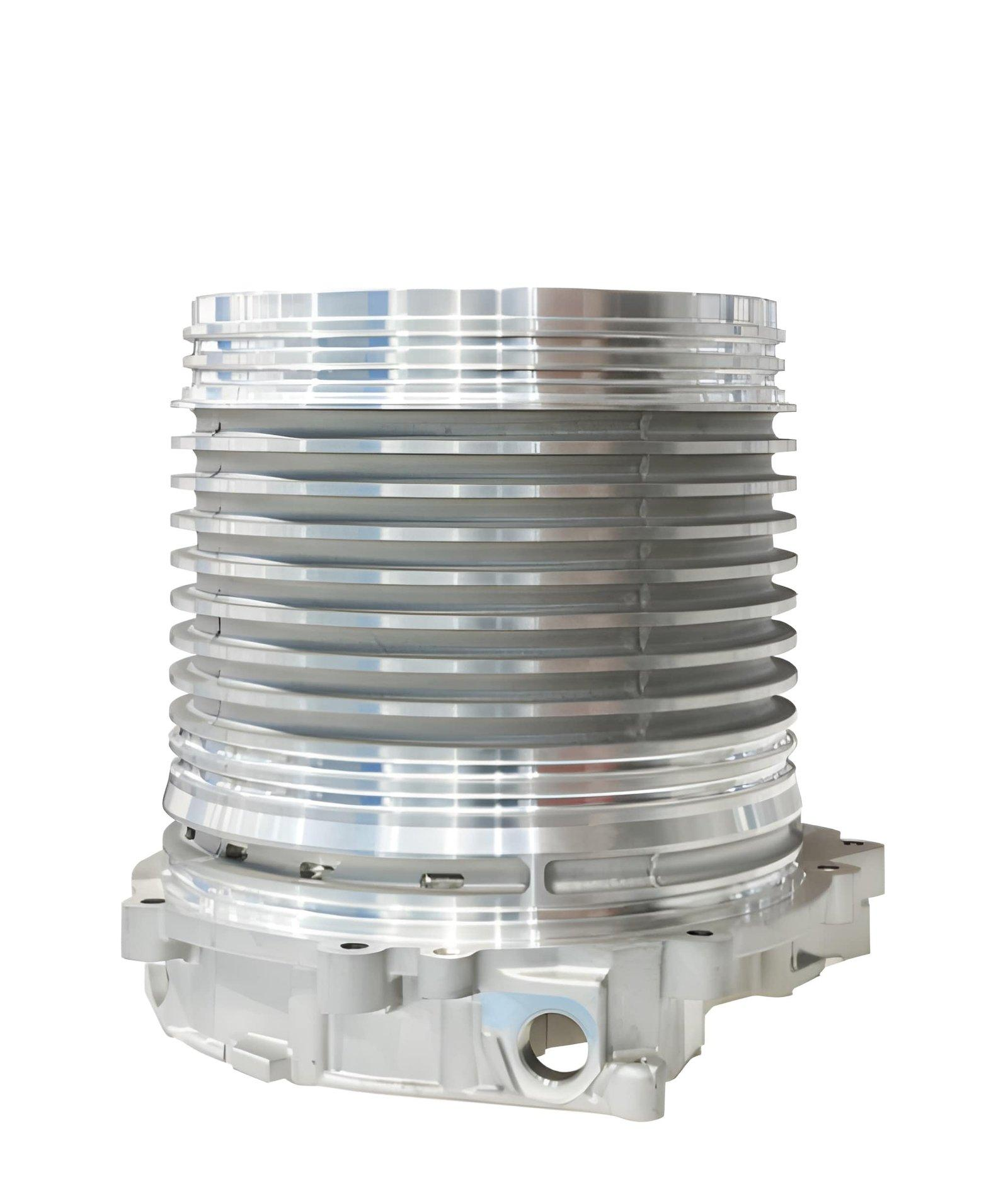
Aerospace Components
We machine lightweight aluminum components that are typically used in brackets, housings, and structural supports. The process improves corrosion resistance and part surface durability.
Automotive Systems
Our anodized components also support engine bays, interior components, and performance-specific, custom components. The finish assists in preventing wear and chemical attacks, so parts perform better outdoors.
Electronics & Enclosures
We manufacture accurate housings, heat sinks, and covers for electronic appliances. Anodizing adds electrical insulation and gives parts a cosmetic finish.
Electrical Equipment
Anodizing imparts controlled oxide layers, which are beneficial in bus bars, connectors, and support parts. It strengthens surface protection while keeping part dimensions within tolerance.
Industrial Machinery
Our factor also produces custom parts for fixtures and tooling parts. Anodizing helps prolong the life of components that need to perform under abrasive and high-use environments.
Robotics & Automation
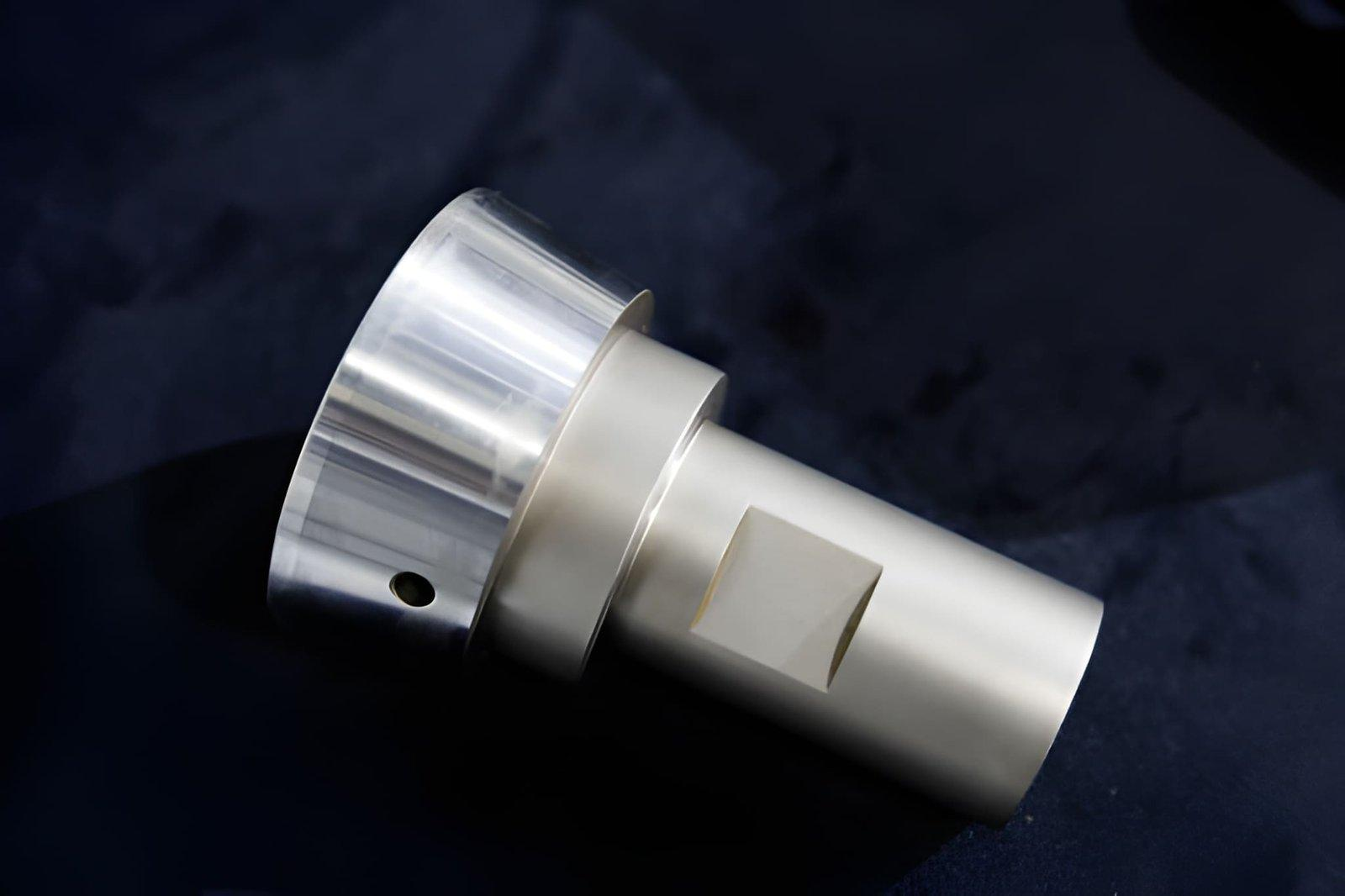
In robotic systems, precision is important yet critical. Our CNC-machined parts hold tight tolerances and are used in robotic arms, machine frames, and automation assemblies.
Medical Support Hardware
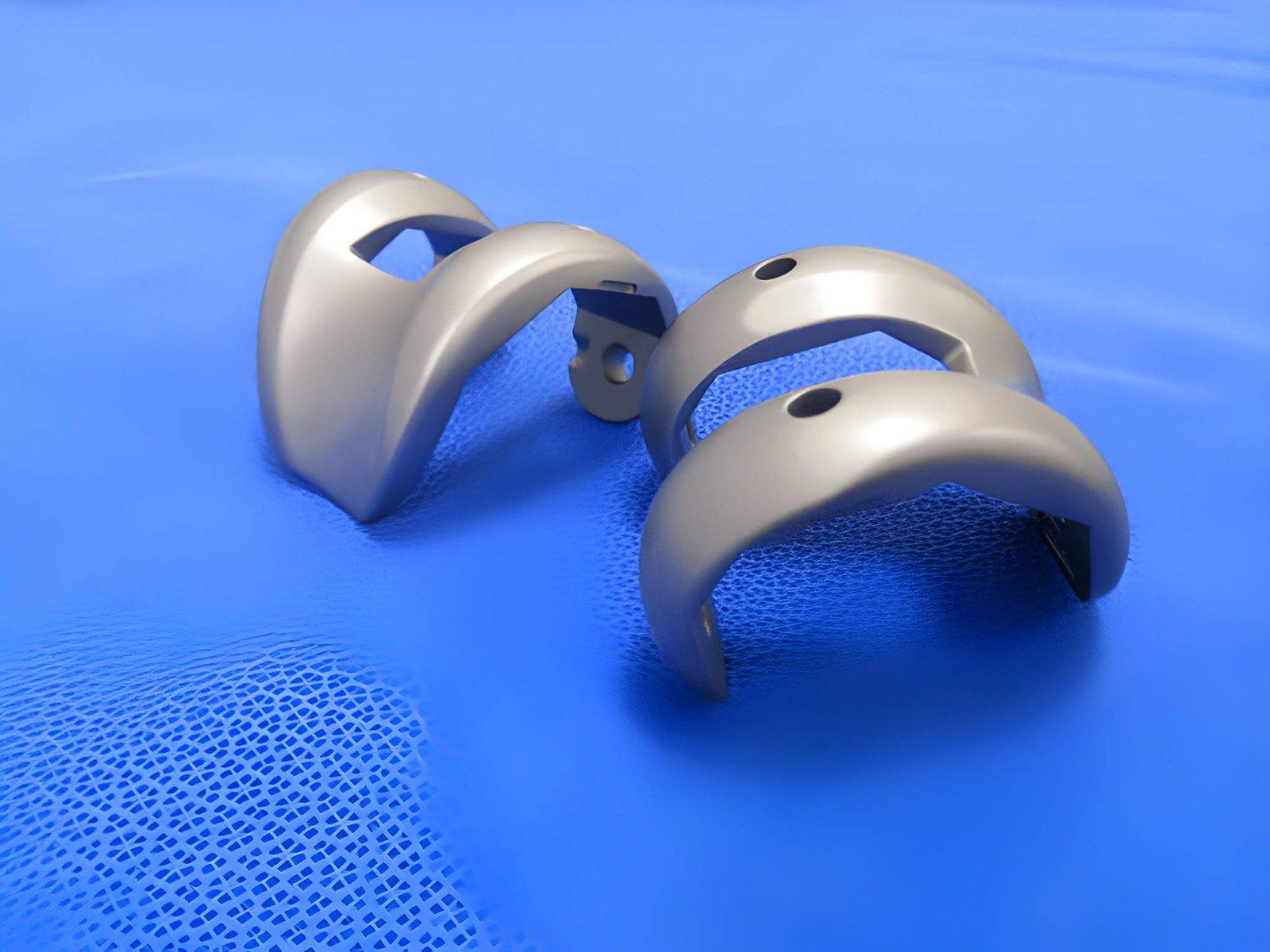
When no inserts are present, we machine clean and consistent aluminum parts. The anodized layer improves surface stability and appearance.
Protect Critical Features with Sochain Precision Anodizing Masking
During anodizing, some parts should remain undisturbed to remain fit and be able to work properly. Critical features such as threads, precision bores, and sealing of surfaces are safeguarded during masking. We look at your drawings and mask any areas that have tight tolerances.
When Masking Is Needed
Here are the cases where masking is usually necessary:
Stringent-tolerance threaded holesPrecision reamed boresElectrical surfaces of contactSealing or mating facesFunctional sliding areasEven Type II coatings, which are slightly thinner, can vary in dimensions a bit, and we would never overlook critical features during DFM review.
How We Apply Masking
We understand the masking and apply it based on your geometry and tolerance requirements.
Thread and hole plugs made of plasticWe use high-temperature masking tape on flat surfaces where protection is required during anodizing.Special parts have custom solutionsIf any area needs masking, clearly mark it on your drawing with notes and highlight the surfaces that must be protected.
Other Finishes Available at Sochain Precision
Besides anodizing, we also favor various other secondary finishing options: Some common examples include:
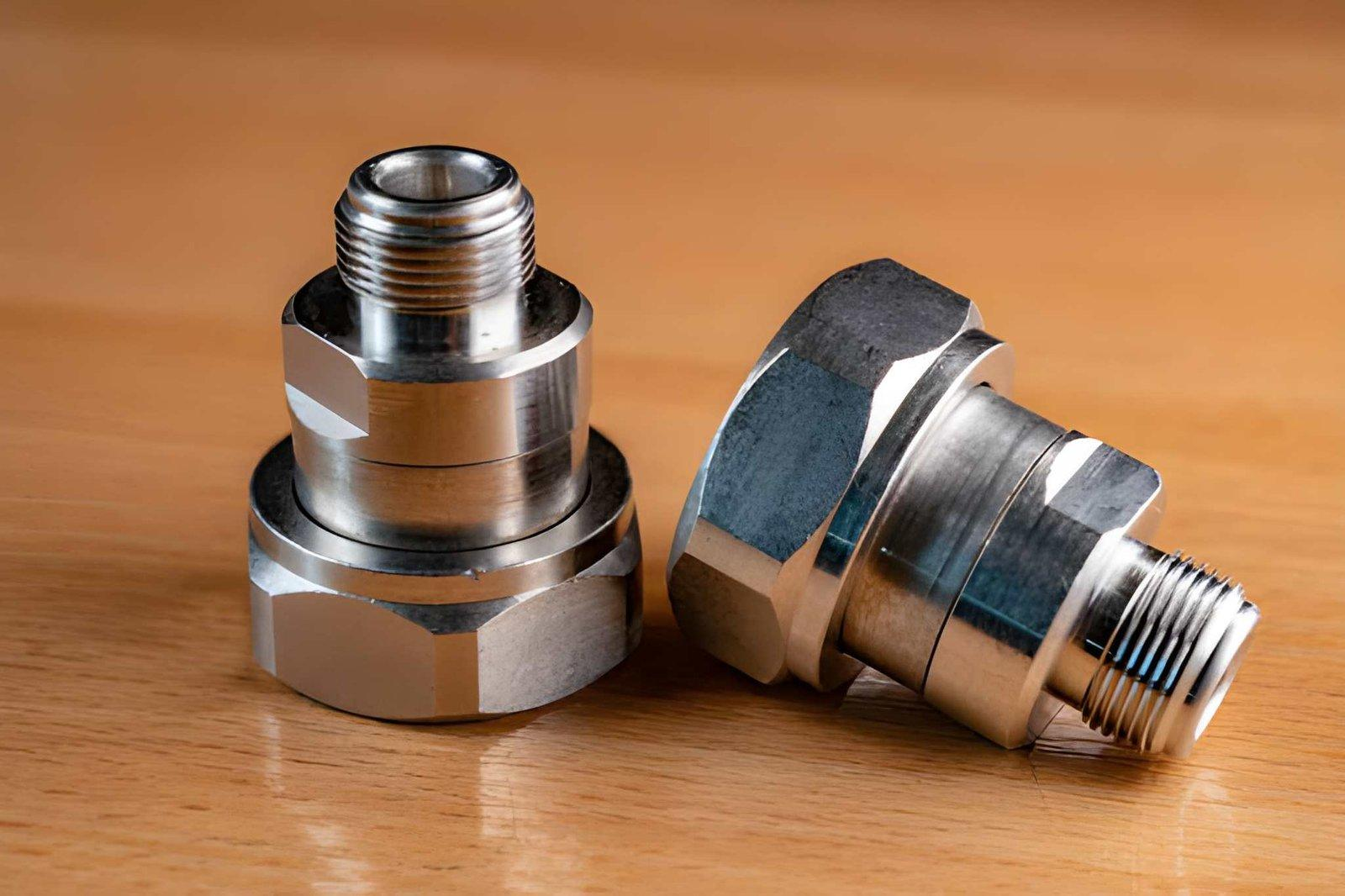
Alodine (chemical conversion coating)Hand polishingPassivationZinc platingBlack oxideHeat treatmentPowder coatingElectroless nickel plating (ENP)Media blastingTumblingElectropolishingNickel platingVapor polishingIf you are not sure about the finish to use for your part, our staff can review your design and suggest the most suitable finish for your project.
FAQ’s
Yes, anodizing adds controlled oxide thickness to the surface. A portion of the coating grows outward, and a portion penetrates the base metal. For tight fits, you should consider thickness during design, especially with hardcoat anodizing.
Alloys like 6061 and 6063 usually provide a uniform coating layer. High-silicon or high-copper alloys may produce darker and uneven finishes. Material selection should match both functional and cosmetic requirements.
Type II works well for corrosion protection and cosmetic color finishes. Type III (hardcoat) is better for wear resistance and heavy-duty use. The right anodizing choice depends on load, environment, and tolerance needs.
Start Manufacturing Your Custom Parts Now!
Understanding Your Goals, Delivering Your Solutions – We’re Committed to Making CNC Machining Simple and Stress-Free!