 (+035) 527-1710-70
 NEWSLETTER
Aluminum CNC Service
High-precision aluminum machining for prototypes, custom parts, and production components.
Our team machines a wide range of aluminum alloys using multi-axis CNC systems with smooth finishes and reliable part performance.
- No MOQ: Order a single prototype or scale to larger production batches
- Supports both prototype development and volume production
- Precision machining tolerance up to ±0.005 mm on critical features
- Typical delivery window: 1 to 3 weeks, depending on part complexity
- 3-axis, 4-axis, and 5-axis CNC machining for complex aluminum geometries
- Wide aluminum alloy selection, including 6061, 6063, 7075, and 2024
- 20+ finishing options available for functional or cosmetic needs
- Aluminum anodizing support: Type I, Type II, and Type III anodizing
- High surface quality suitable for mechanical and visible components
- Complimentary DFM check and engineering feedback before production
- Certified quality system: ISO 9001:2015, AS9100D, and ITAR compliant
Rapid prototyping and full-scale production
ISO accredited & QC checks
All in-house processes
Used in over 50 countries
FREE Instant quotations
What Is Aluminum CNC Machining Service
Aluminum CNC machining involves eliminating aluminum solid billet or plate stock using computer-controlled milling and turning machines. All the dimensions and critical features are indicated in a 3D CAD file.
The CAM software translates the model into toolpaths. Carbide end mills, drills, and taps are used to cut through layers of material. Most metals cannot support high cutting speeds as aluminum alloys like 6061 or 7075. This assists in the attainment of uniform edges, deep pockets, and steady dimensional control during milling.
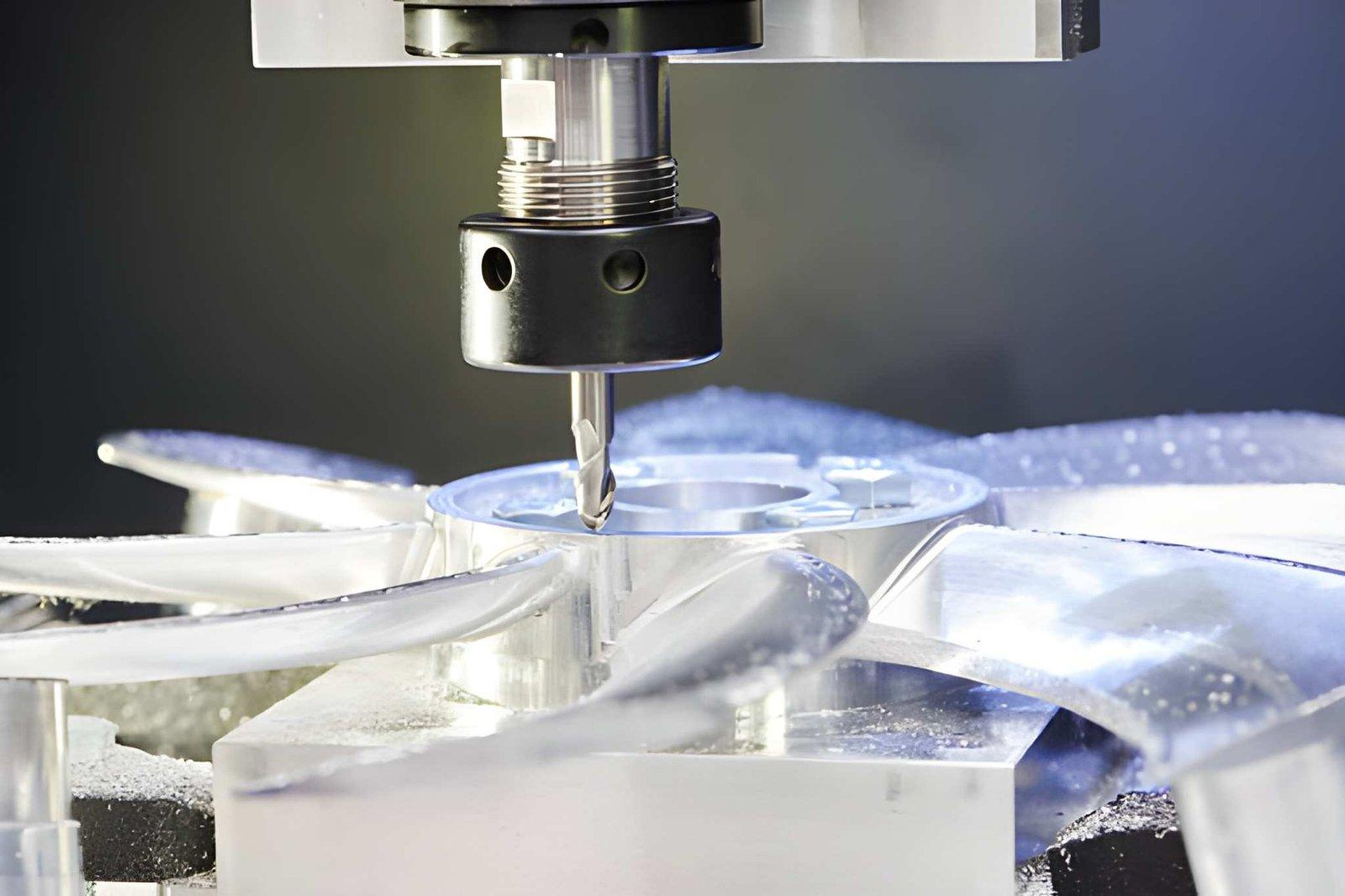
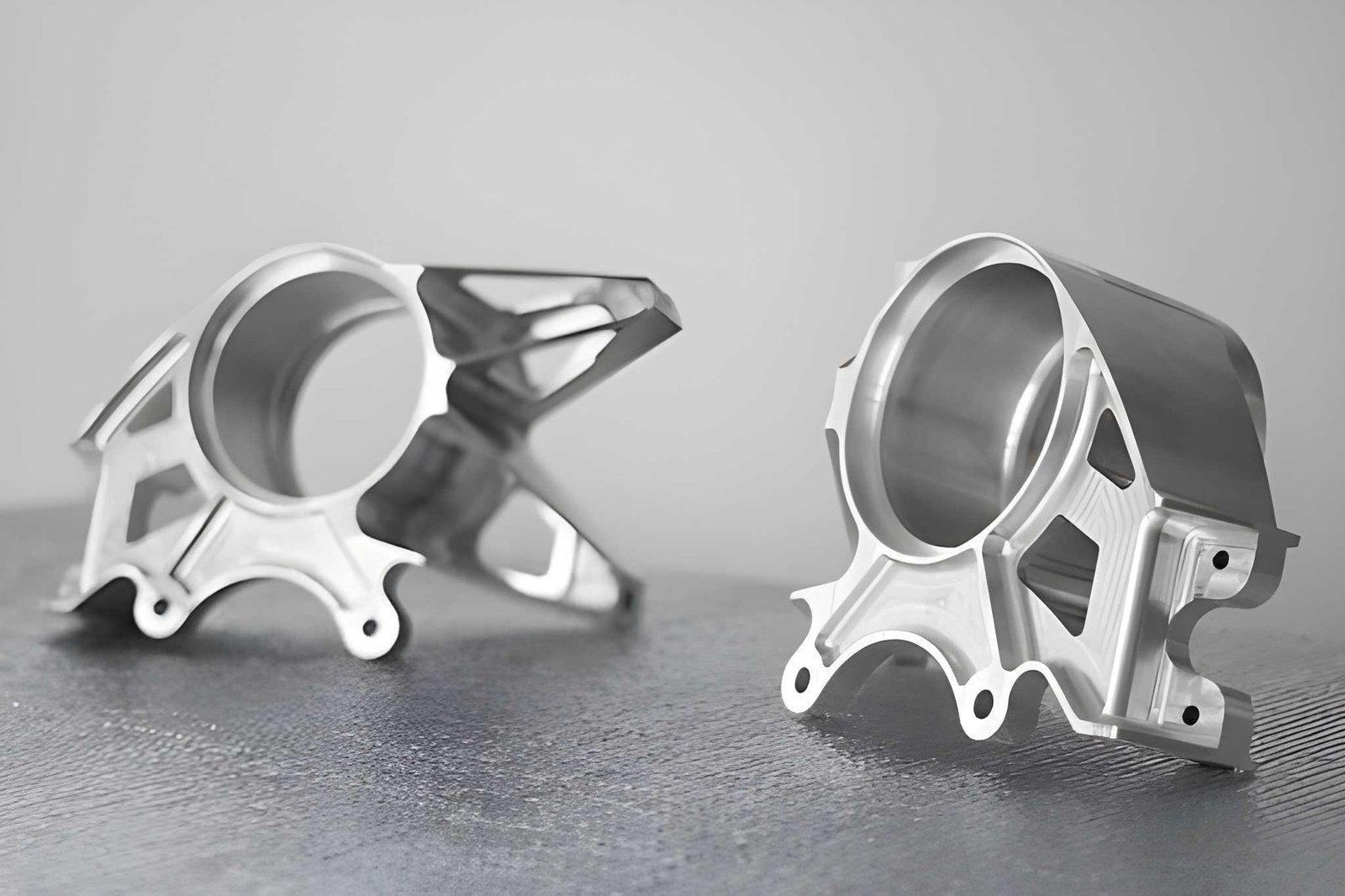
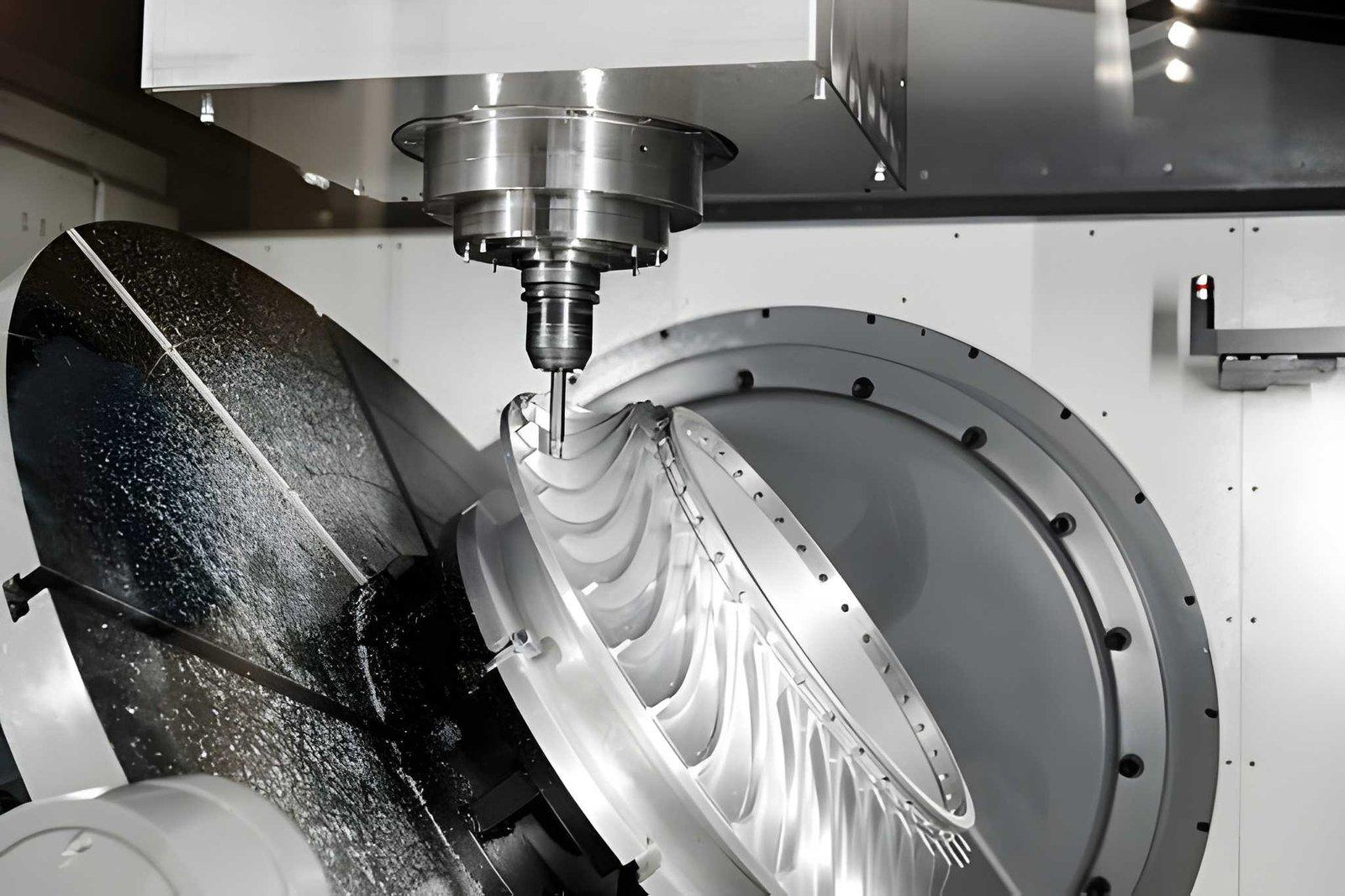
In practical machining, most aluminum parts are produced from 3 axis, 4 axis or 5-axis machines. The right machine is chosen based on the shape of the part. Flat plates, brackets, and heat sinks are normally run in 3-axis mills.
Components with multiple sides to machine can index on 4 axes to minimize setups. Complex housings or curved surfaces are also a good application of 5-axis machining, wherein a tool can approach the part from a variety of angles.
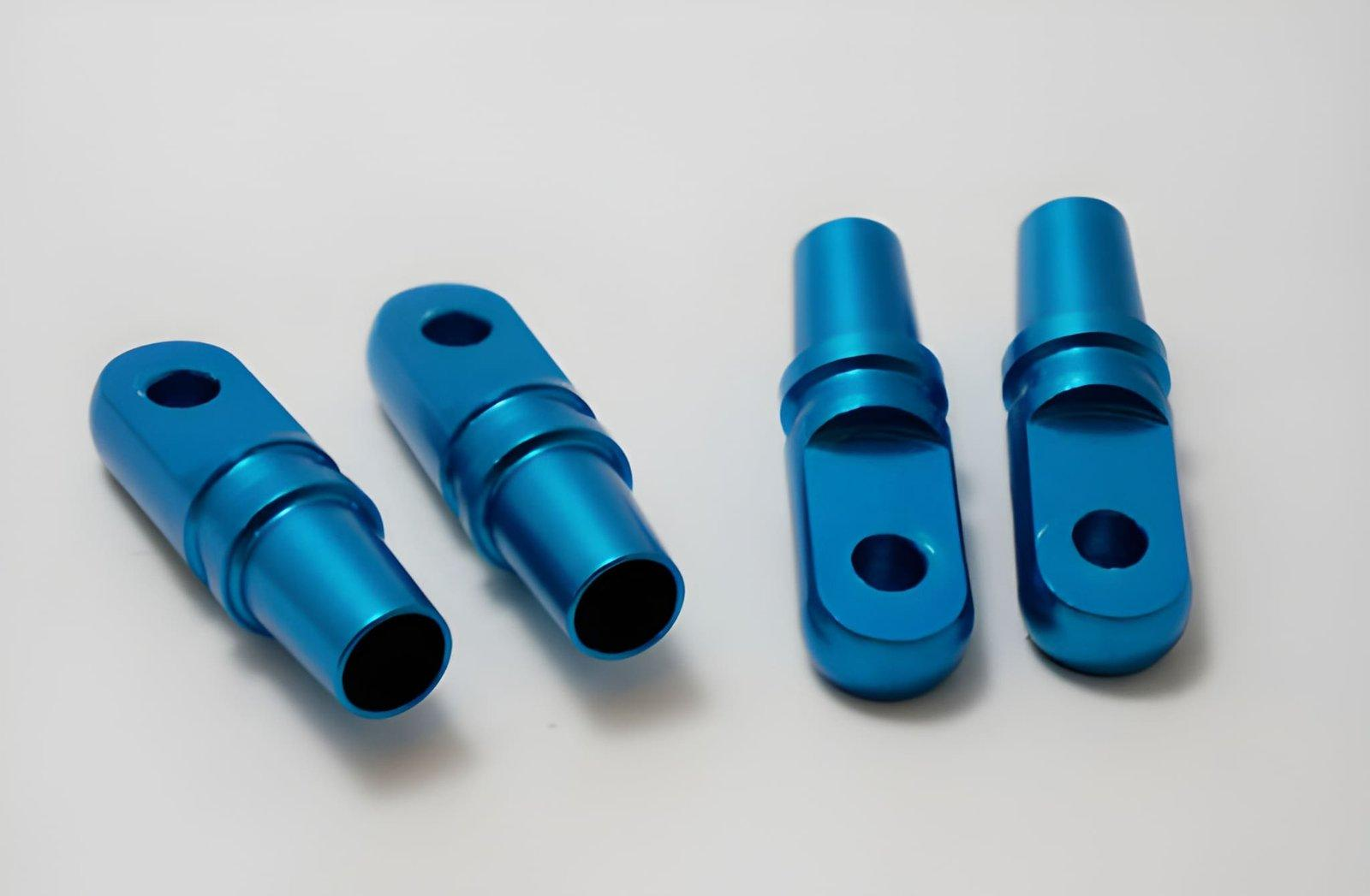
Upon machine operations, most aluminum parts are subjected to finishing, either Type II decorative anodizing or Type III hard anodizing to enhance wear, corrosion, and aesthetic capabilities.
Aluminum Material Options Available
We machine a wide range of aluminum alloys depending on the part function, strength requirements, and environmental conditions.
Each aluminum type does not similarly respond to CNC machining. Some alloys are stronger, and some are more corrosion-resistant and formable.
Our engineers will assist in choosing the appropriate aluminum grade depending on your design, tolerance, and environment of intended use.
Below are some of the commonly machined aluminum materials available at Sochain Precision.
| Aluminum Alloy | Tensile Strength, Yield (MPa) | Fatigue Strength (MPa) | Elongation at Break (%) | Hardness (Brinell) | Density (g/cm³) | Typical Applications |
| 2024-T3 | 345 | 138 | 18 | 120 | 2.78 | Aircraft fittings, bolts, pistons |
| 5052-H32 | 193 | 117 | 12 | 60 | 2.68 | Fuel tanks, sheet metal parts, fuel/oil lines |
| 6061-T6 | 276 | 96.5 | 17 | 95 | 2.70 | Electrical fittings, brake pistons, bike frames |
| 6063-T6 | 214 | 68.9 | 12 | 73 | 2.70 | Pipes, railings, structural extrusions |
| 7050-T7651 | 490 | 160 | 11 | 147 | 2.83 | Aircraft structures, high-strength aerospace parts |
| 7075-T6 | 503 | 159 | 11 | 150 | 2.81 | Shafts, gears, aircraft fittings |
| MIC-6 | 105 | N/A | 3 | 65 | 2.70 | Precision fixtures, jigs, and tooling plates |
Values shown are generalized reference values and may vary slightly depending on supplier specifications and heat treatment conditions.
Finishes and Post-Processing Options
- Bead blasting
- Mechanical polishing
- Brushed finish
- Sanding
- Anodizing Type I (Chromic Anodizing)
- Anodizing Type II (Sulfuric Anodizing)
- Hard Anodizing Type III
- Color anodizing
- Black anodizing
- Clear anodizing
- Alodine/Chem Film Conversion Coating
- Powder coating
- Wet painting
- Laser marking
- Silk screening
- CNC deburring and edge breaking
Precision Control in Aluminum CNC Machining
When aluminum parts require accurate fits and consistent geometry, CNC machining provides a controlled manufacturing approach.
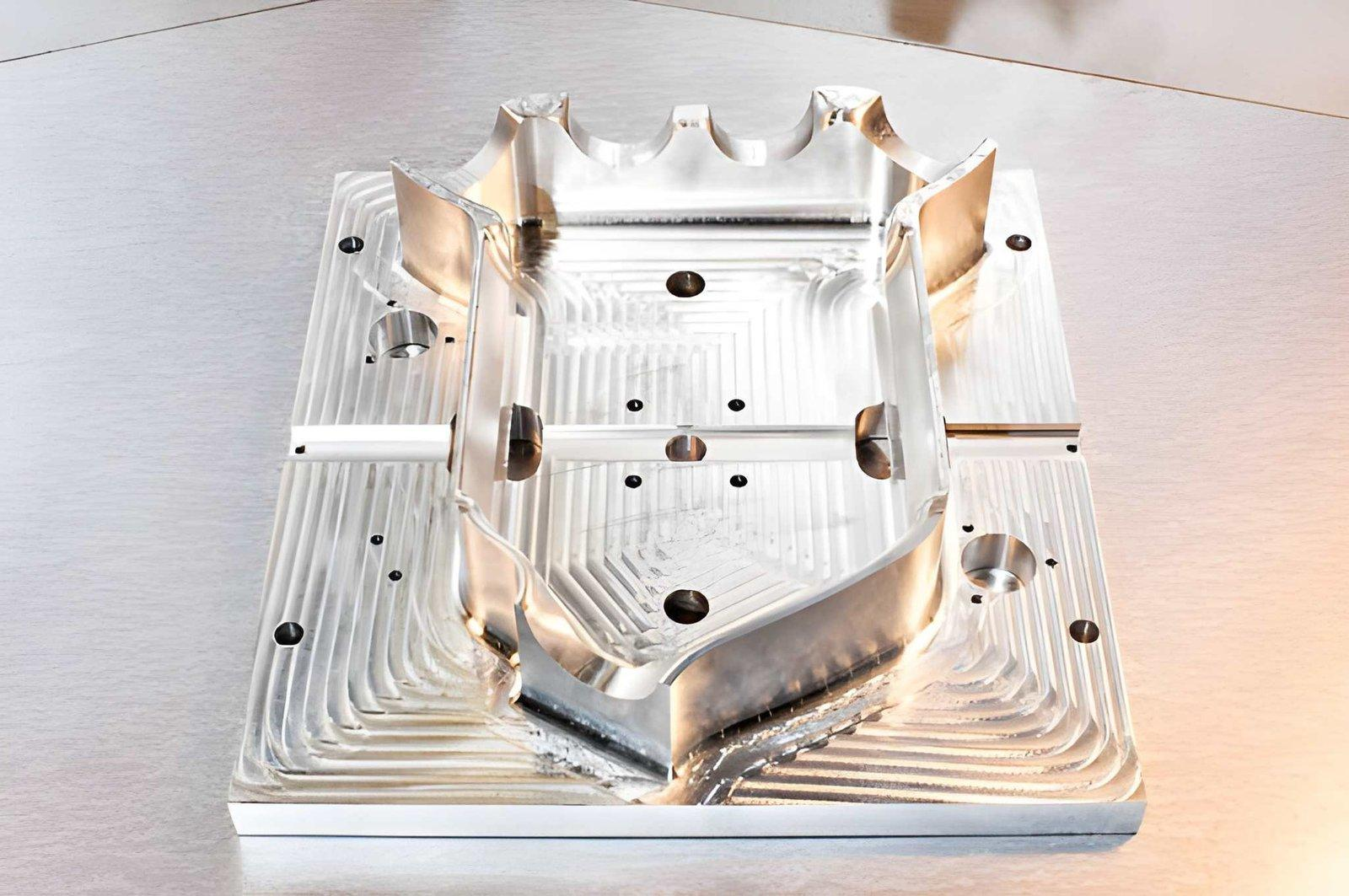
The process allows the machining of highly fragile features like holes, slots, and mating surfaces to constant, stable dimension limits.
Such accuracy aids in reducing the fitting problems in the course of assembly and improving the consistency of parts across production batches.
Manufacturing Method | Typical Tolerance Range | Common Use Case |
CNC Machining | ±0.005 mm – ±0.05 mm | Precision mechanical and functional parts |
Die Casting | ±0.1 mm – ±0.4 mm | Medium-precision production components |
Sand Casting | ±0.8 mm – ±2.0 mm | Large structural parts with low precision requirements |
Cost-Saving Design Tips for Aluminum CNC Machining
Design decisions have a direct influence on machining time, complexity of tooling, and the final cost of production. When machining is taken into consideration when making parts, it is quicker and more reliable.
Here are some practical tips that can save you machining costs without compromising the quality of the part.
Avoid Unnecessary Tight Tolerances
Tight tolerances raise the cost of machining and inspection. Only critical features like bearing fits or mating surfaces should be applied with tight tolerances. In the majority of cases, the standard tolerances are efficient and minimize the costs of manufacturing.
Use Standard Hole Sizes
The standard drill sizes are easier and quicker to machine, and reduce the number of tool changes. Hole diameter requirements may necessitate extra boring or reaming processes, and this adds to machining.
Restrict Deep Pockets and Cavities
Deep pockets use long tools, making it less rigid and stable during cutting. Where feasible, pocket depths must be moderate and not very small hollows.
Design with Internal Radii
Stiff internal corners are demanding in small cutting tools and several finishing passes. When reasonable internal corner radii are added, larger tools can be used, and this way, machining takes less time, and the quality of the surface is enhanced.
Eliminate Multisided Complexities
Components, which involve various mounting or turning operations, take time during machining. Where feasible, design components in a way that will allow most of their features to be machined in the minimum number of setups.
Keep Wall Thickness Constant
Large variations in wall thickness can cause instability during machining. It's recommended to deploy standard wall thickness to enhance stability and minimize the movement or part deformation.
Choose the Right Aluminum Alloy
Some alloys are usually machined or cut faster than others. An example can be given on the aluminum 6061 machine; it is very easy to machine and is readily available, therefore, it is a cost-effective option in many components.
Do not overdo Cosmetic Surfaces
Additional finishing processes like polishing or special finishes are often costly. Specify cosmetic finishes only when they are needed, either in the functionality or the appearance of the product.
Industries We Serve
At Sochain Precision, we manufacture custom aluminum components for both prototype development and production programs.
The table below highlights some of the industries we support and the types of parts commonly machined for each sector.
Industry | Typical Aluminum CNC Parts |
Aerospace | Aircraft brackets, structural fittings, mounting plates, instrument housings |
Automotive | Sensor mounts, engine brackets, transmission housings, heat sinks |
Electronics | Enclosures, heat sinks, mounting frames, and connector housings |
Automation & Robotics | End-effector components, robotic arm brackets, guide plates, and actuator housings |
Industrial Machinery | Fixture plates, machine brackets, alignment blocks, equipment panels |
Medical Devices | Equipment housings, instrument components, support frames |
Telecommunications | RF housings, antenna mounts, and communication equipment enclosures |
Consumer Products | Device housings, product frames, and custom hardware components |
Energy & Power Systems | Battery enclosures, inverter housings, cooling plates, and structural mounts |
Need CNC-machined parts in Aluminum?
If you have a design ready, our team can help turn it into precise aluminum components. Simply share your CAD file, and our engineers will review the part, provide practical feedback, and prepare a detailed quote.
Contact Sochain Precision today to discuss your project and request a free CNC machining quote.
FAQs
We usually work with 3D CAD files such as STEP (.step or .stp), IGES, and Parasolid formats. STEP files are generally preferred because they contain complete geometry data and allow accurate toolpath planning.
Yes, many aluminum alloys perform well outdoors. To improve corrosion resistance and durability, parts are often treated with finishes such as anodizing or protective coatings.
Yes, if your project requires a specific aluminum grade that is not commonly stocked, our team can source the material and machine it according to your specifications.
Yes, aluminum components are often designed to work with steel fasteners, plastic inserts, or other metal parts. Proper thread design, inserts, or fastening methods can help ensure strong and reliable assemblies.
Start Manufacturing Your Custom Parts Now!
Understanding Your Goals, Delivering Your Solutions – We’re Committed to Making CNC Machining Simple and Stress-Free!