 (+035) 527-1710-70
 NEWSLETTER
Copper CNC Machining
At Sochain Precision, we machine copper parts for busbars, connectors, heat sinks, and RF components. Copper is soft and sticky during cutting; therefore, we control tool wear, burr formation, and heat buildup carefully.
Rapid prototyping and full-scale production
ISO accredited & QC checks
All in-house processes
Used in over 50 countries
FREE Instant quotations
Partnering with us brings the following benefits
- No MOQ production
- Prototype to volume
- ±0.005 mm tolerance
- Ra 0.4 µm surface finish
- 3-axis, 4-axis, and 5-axis CNC machining
- Micro feature machining
- Thin-wall control
- High-speed copper cutting
- C101 OFHC copper
- C110 ETP copper
- High conductivity grade
- Low burr formation
- Edge break control
- Flatness ≤0.01 mm
- GD&T control
- RF component machining
- Heat sink precision
- Thermal path control
- Contact surface quality
- Stress-free machining
- Tool wear compensation
- DFM support included
- ISO 9001 compliance
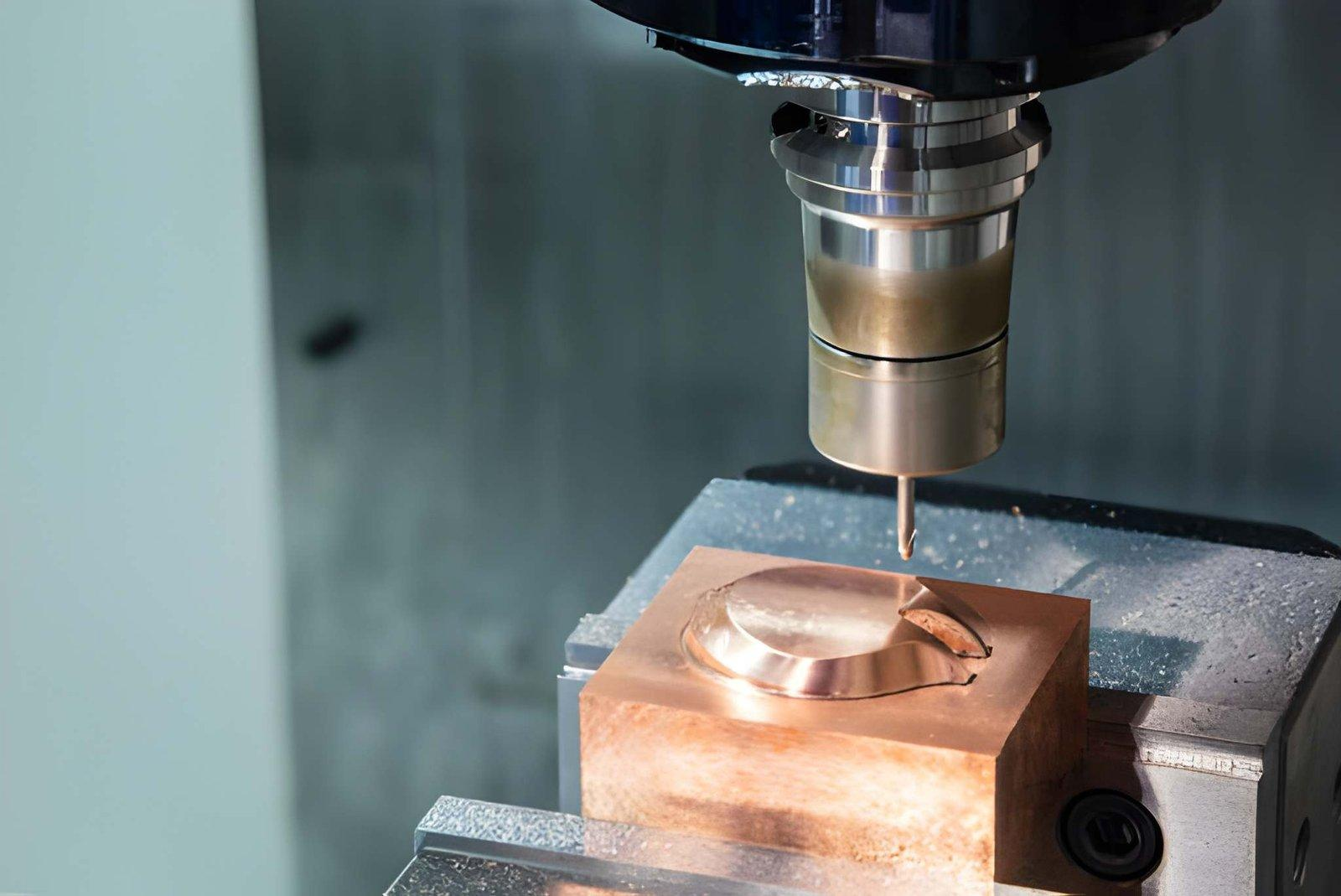
Copper Materials We Machine
At our factory, we cut and machine copper based on its conductivity, machinability, and the part's intended function. Material is chosen in accordance with electrical performance, thermal characteristics, and machining stability.
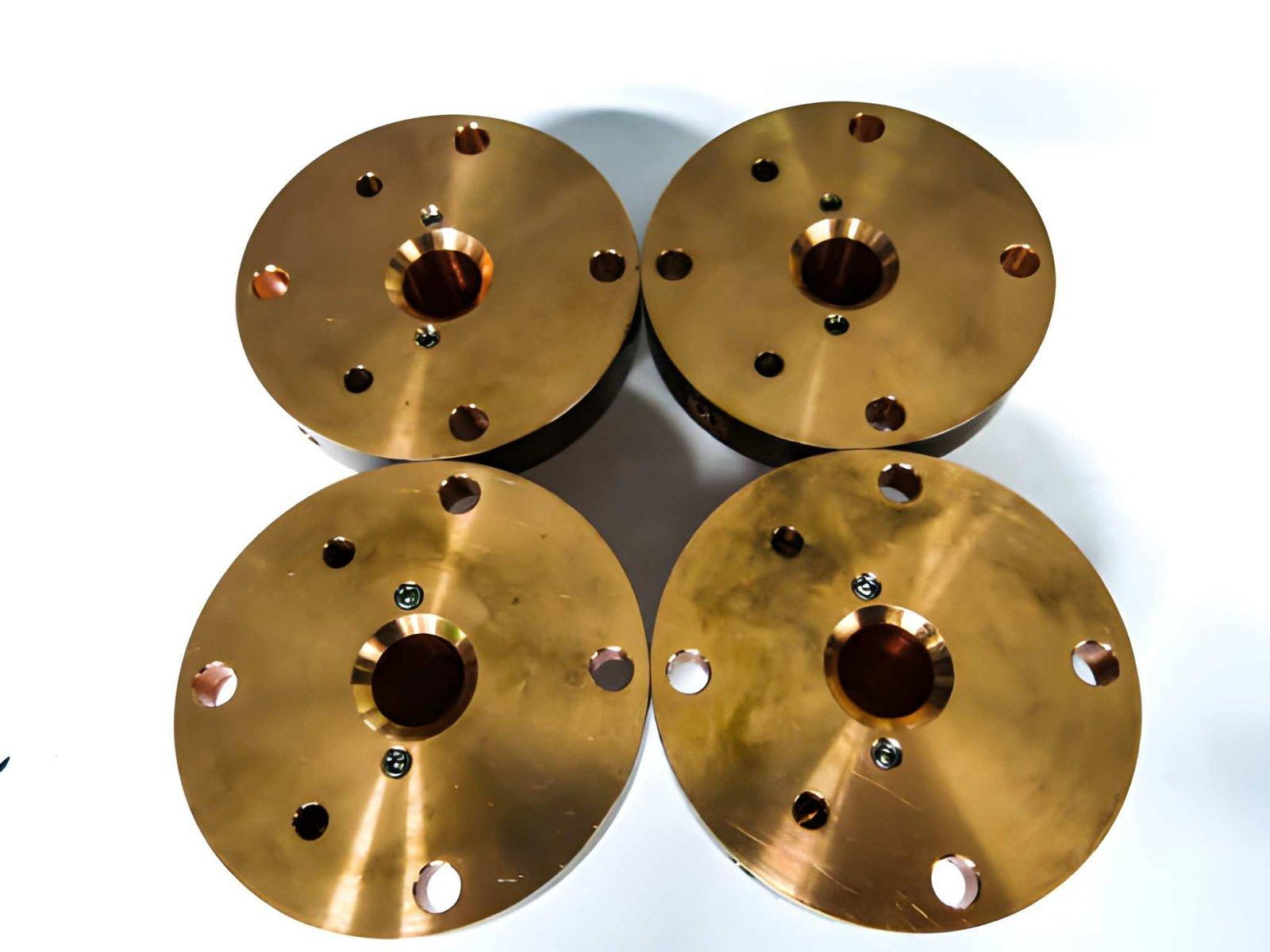
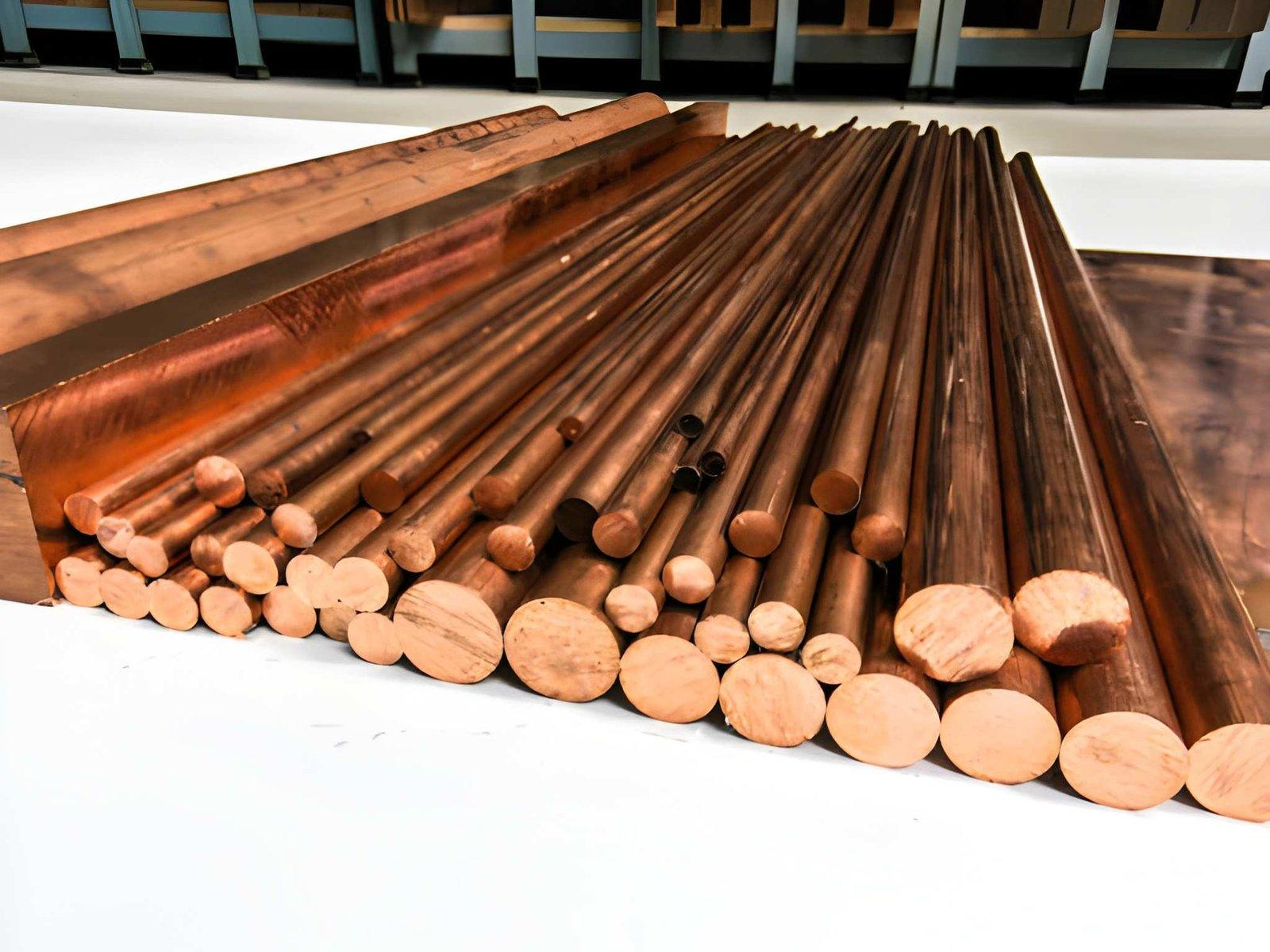
Copper C101 (Cu-OFHC)
Copper C101 is an oxygen-free, high-purity grade. It is used where conductivity and material cleanliness are paramount. It is efficient in delicate electrical and vacuum conditions.
Typical Parts Made: RF, busbars, vacuum, coaxial systems.
Copper C110 (Cu-ETP)
C110 is the most widely available copper grade. It is highly conductive, features excellent machinability, and is economical in general use applications.
Typical Parts Made: Electrical terminals, connector plates, grounding parts, and power distribution parts
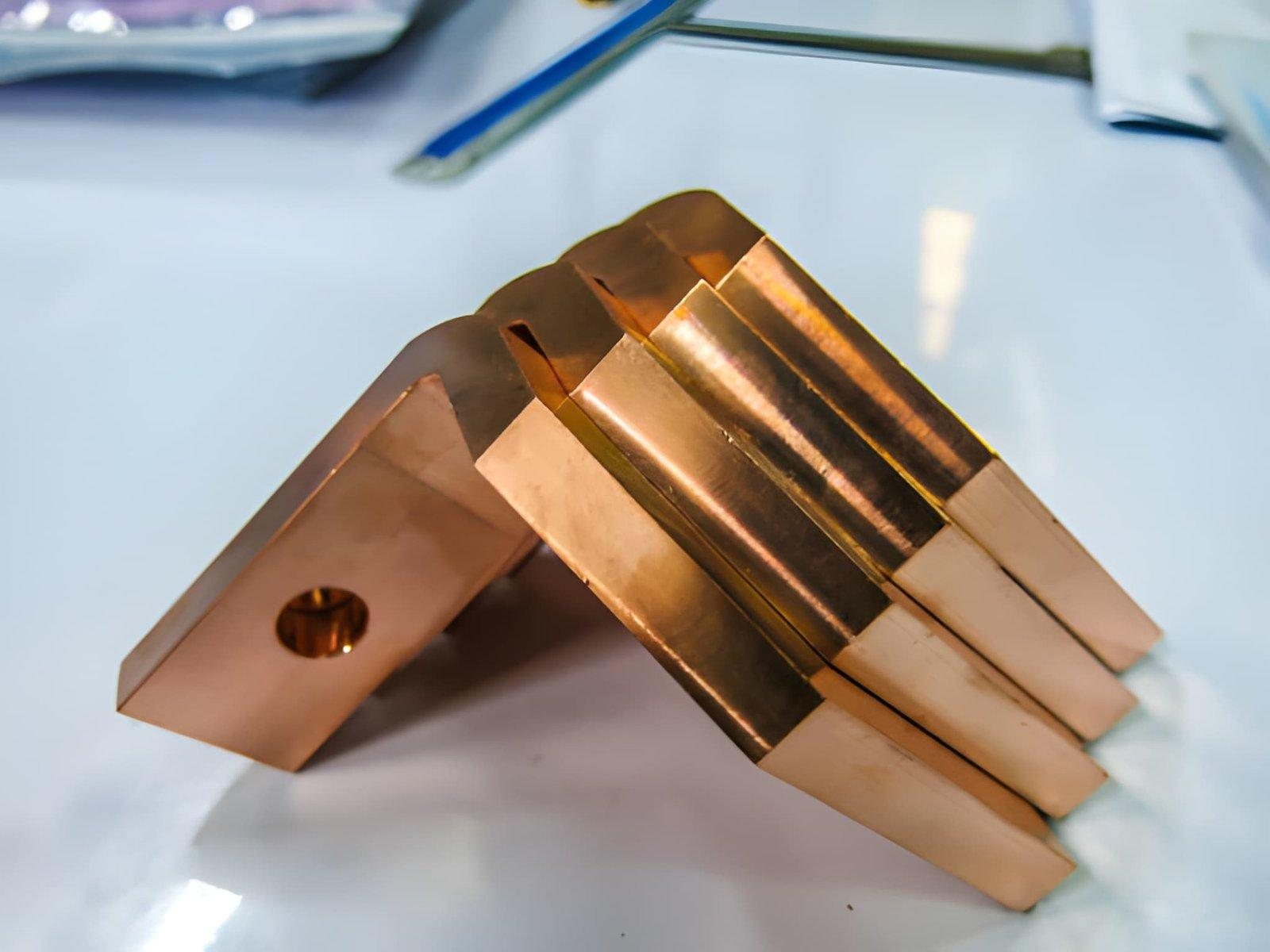
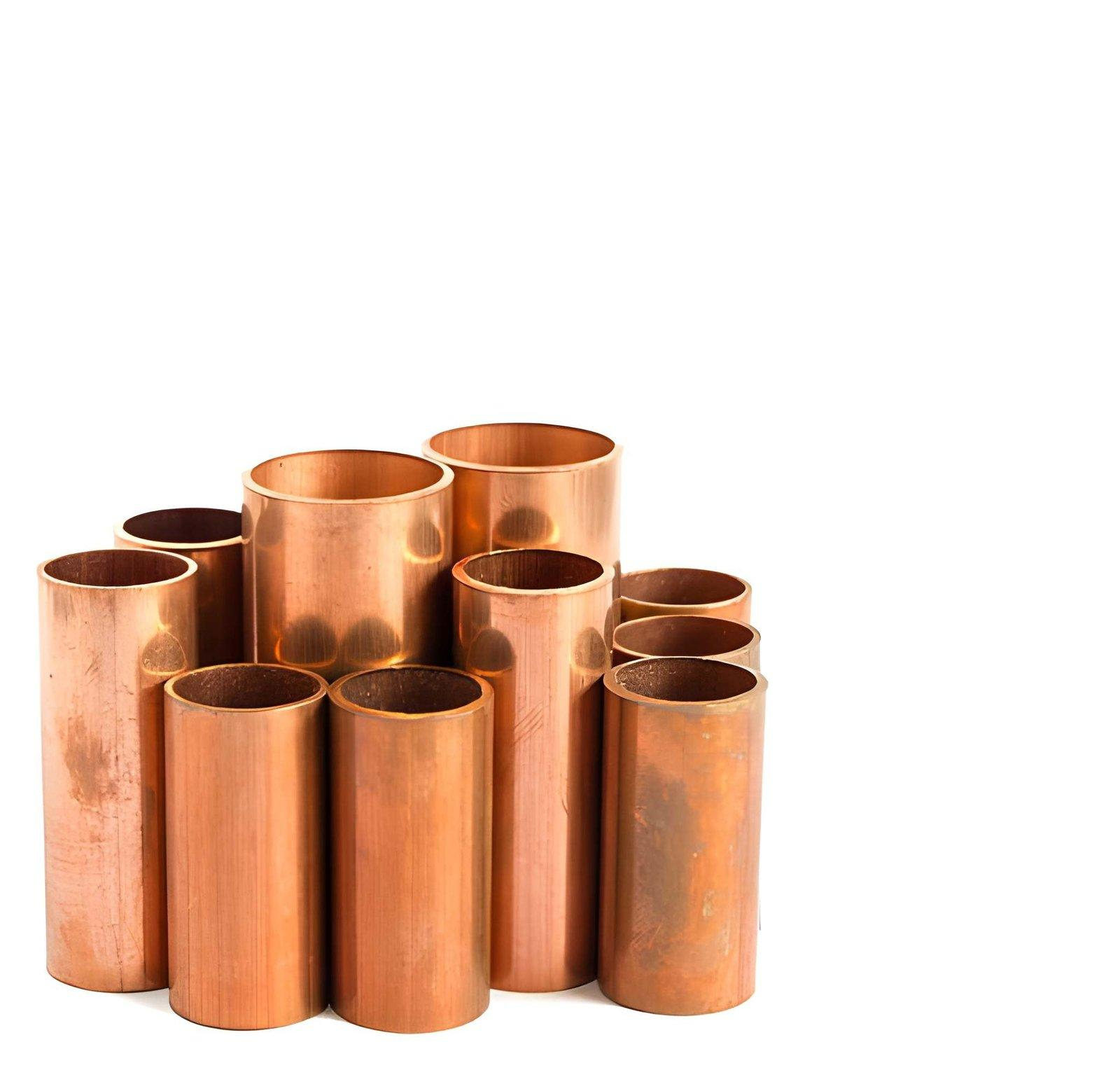
Copper C102 (Cu-OFE)
Copper C102 is also a highly pure (about 99.95%) copper grade. Also, it has enhanced formability. It finds its application where conductivity and material structure are of concern.
Typical Parts Made: Connectors, inductive elements, heat exchangers, and conductive plates.
Copper C145 (Tellurium Copper)
Copper C145 features excellent machinability. It has improved chip control, minimized tool wear, and still has good electrical conductivity.
Typical Parts Made: Threaded components, electrical pins, precision connectors, and complex machined components.
Copper C172 (Beryllium Copper)
Copper C172 offers a combination of strong conductivity, strength, and wear resistance. It is applied in components that need both mechanical and electrical functionality.
Typical Parts Made: Electrical contacts, springs, clips, aerospace connectors, and high-load components.
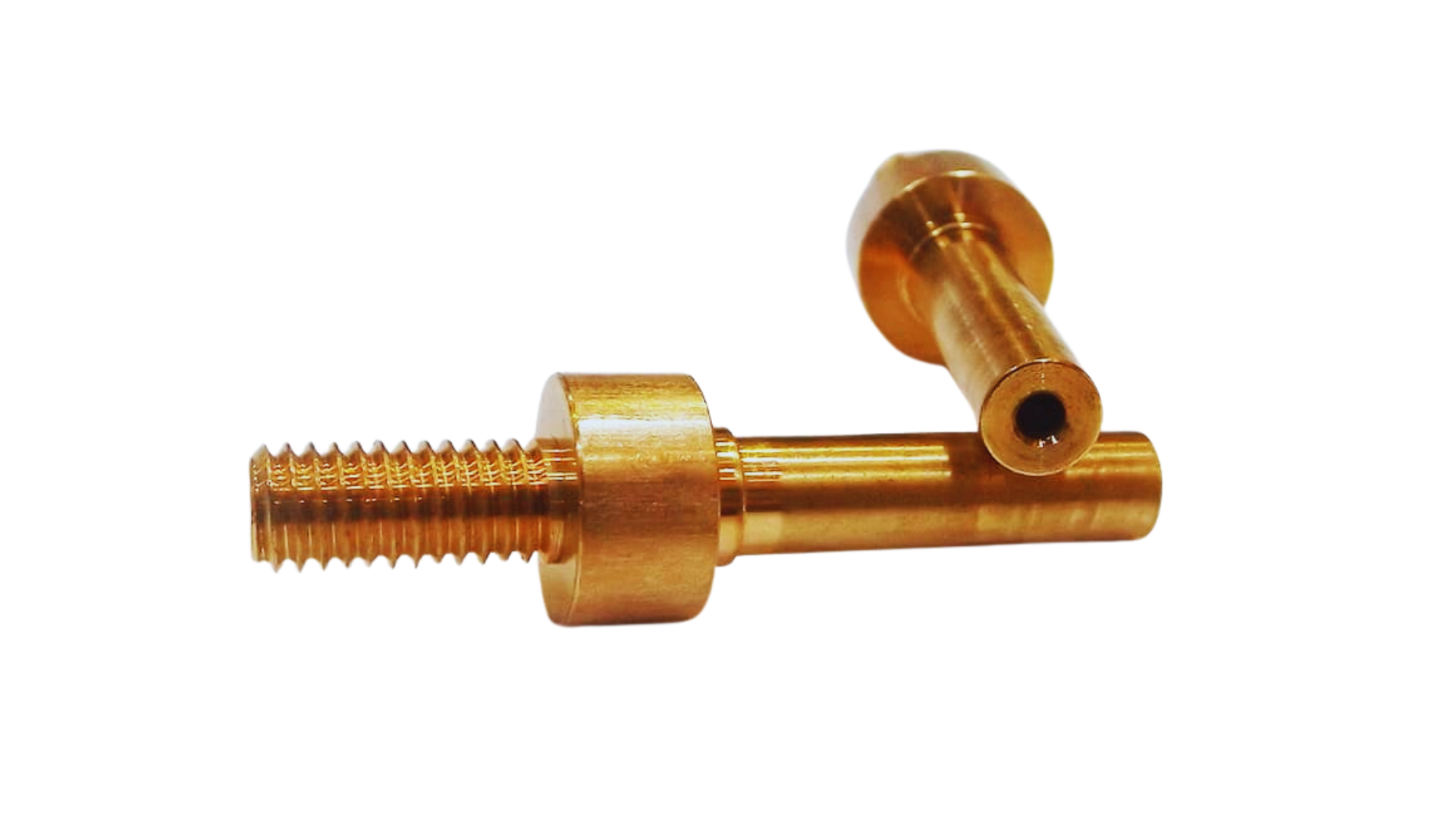
Copper Material Properties Overview
Material | Purity (%) | Yield Strength (MPa) | Elongation (%) | Hardness (HB) | Density (g/cm³) | Advantage |
C101 (OFHC) | ~99.99 | 69 - 365 | 5 - 55 | 65 - 90 | 8.89 - 8.94 | Maximum conductivity |
C110 (ETP) | ~99.90 | 69 - 365 | 5 - 50 | 65 - 90 | 8.89 | Cost-effective conductivity |
C102 (OFE) | ~99.95 | ~200 | ~30 | ~70 | 8.94 | Clean structure |
C145 (Te Copper) | ~99.50 | ~240 | ~20 | ~80 | 8.90 | Easy machining |
C172 (BeCu) | ~97 - 98 | 700 - 1100 | 1 - 10 | 200 - 400 | 8.25 | High strength |
Values are generalized reference ranges and may vary based on temperature and supplier specifications.
Our facility also supports additional copper grades and custom material sourcing based on your project requirements. Contact us to discuss your application and get material recommendations with a detailed quote.
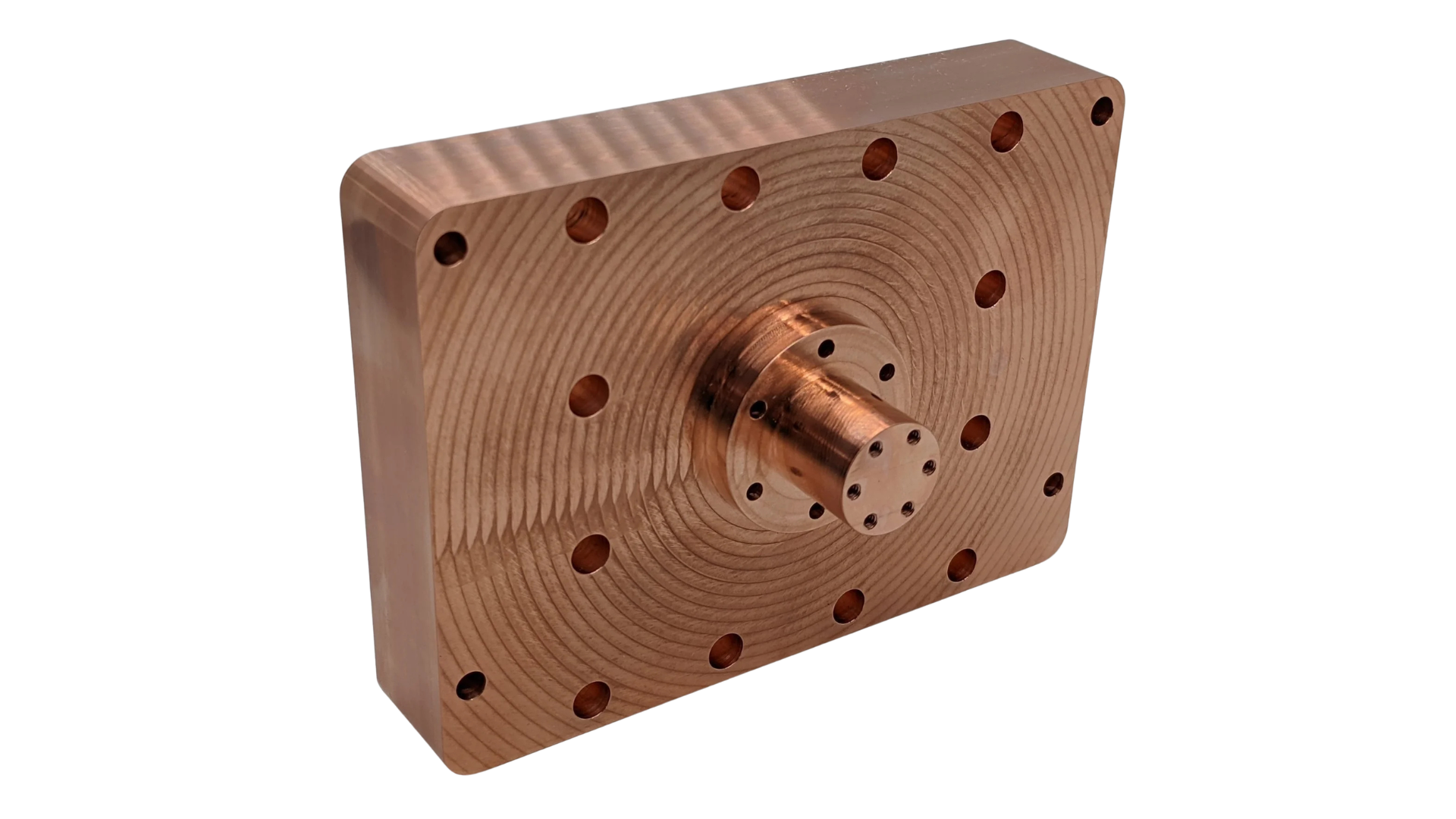
Finishes and Post-Processing Options
Copper is primarily used for its electrical and thermal conductivity. Not all finishing treatments are suitable or compatible with copper, as they can lower performance. Here are the common finishes chosen for copper parts to make their surface resistant to damage yet conductive.
Electropolishing
Electropolishing removes a relatively thin surface layer. This layer usually ranges between 0.0025 mm and 0.0635 mm. It produces a smooth and clean surface. Moreover, it enhances corrosion resistance without altering the copper conductivity.
Electroplating (Silver/Gold/Nickel)
Electroplating is also a useful treatment for preventing surface oxidation and maintaining electrical conductivity. Silver and gold plating provide low contact resistance and are solderable. While nickel is also used as a protective base layer.
Tin Plating
Electrical parts that demand good solderability are usually plated with tin. It provides a good coverage of the surface against oxidation and gives stable electrical connections.
Mechanical Polishing
Surface smoothness and contact areas are improved by mechanical polishing. It is normally used before plating or in areas that need a clean surface to assemble.
Edge Breaking and Deburring
Burrs tend to develop as a result of the soft material behavior of machined copper parts. Deburring is used to remove these edges to be able to have a good fit, safe handling, and a good assembly.
Cost-Saving Design Tips
Copper is quite an expensive material. Therefore, design decisions directly affect machining cost. However, simple design adjustments help reduce waste, machining time, and overall cost.
Use Copper Only Where Needed
Avoid making the entire part from copper if only certain areas need conductivity. Combine copper with other materials where possible.
Select the Right Grade
Unless necessary, do not use high-purity grades such as C101. Generally, for most electrical components, C110 offers low-cost performance.
Avoid Excess Material Removal
High inventory levels augment machining and waste. Begin nearer to the finished form where possible.
Simplify Geometry
Complex features add time and permit tool wear during machining. Therefore, engineers must keep the design simple to minimize setups and enhance uniformity.
Control Tight Tolerances
Use tight tolerances on only critical features. Generally speaking, standard tolerances are relatively more affordable and can also save on inspection time.
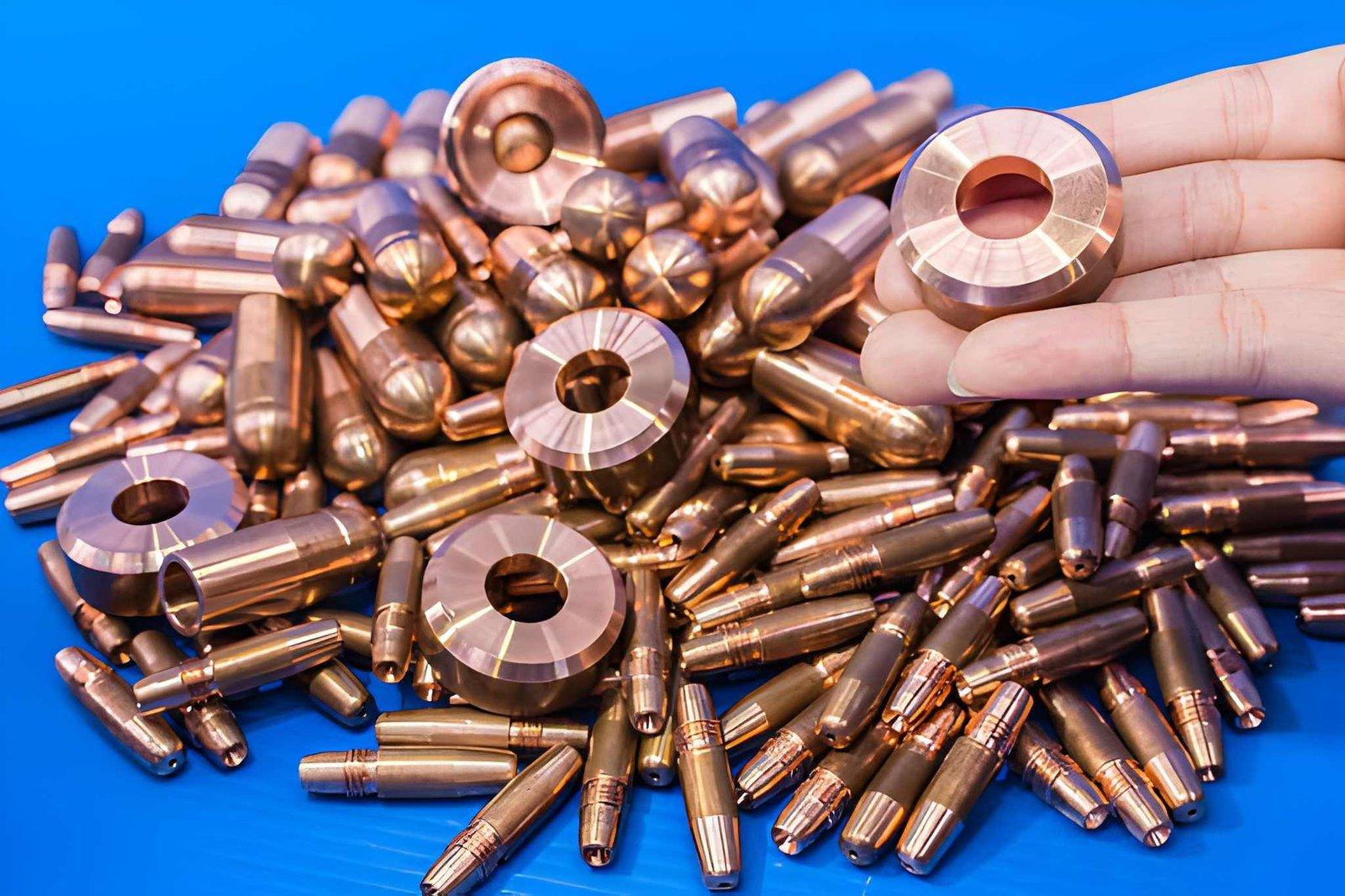
Need CNC-machined parts in Copper?
If you have a copper part to machine, our team can support you from design to production. We handle electrical, thermal, and precision components with stable machining control and consistent quality compliant with ISO standards.
We offer design support and free DFM review to check your part before production. This helps reduce machining risks, control costs, and improve part performance. Whether you need a single prototype or full production, we support prototypes to mass scale with no MOQ.
Our manufacturing shop runs advanced CNC setups (3, 4, and 5-axis) to handle complex geometries, thin walls, and precision features in copper. We also manage burr control, surface finish, and dimensional stability during machining.
Request a free instant quote by sharing your CAD file. Our engineers will review it and provide feedback on pricing and lead time.
FAQs
Lead time usually ranges from 1 to 3 weeks, depending on part size, complexity, and finishing requirements.
Yes, we control cutting parameters and toolpaths to reduce deformation. This helps maintain stability in thin-wall and heat sink designs.
Yes, copper can oxidize over time. We recommend anti-tarnish coating or plating if the part is exposed to air or used in electrical contact.
Yes, copper parts are often assembled with aluminum, steel, or plastics. We support threaded features, inserts, and precision mating surfaces for assembly.
Start Manufacturing Your Custom Parts Now!
Understanding Your Goals, Delivering Your Solutions – We’re Committed to Making CNC Machining Simple and Stress-Free!