 (+035) 527-1710-70
 NEWSLETTER
PEEK CNC Machining
PEEK has an extensive use across machined parts that operate under heat, pressure, friction, and chemical exposure.
At Sochain Precision, we machine custom PEEK components for applications where dimensional stability and long-term material performance are important during continuous operation.
Our CNC machining service supports both simple and complex PEEK parts used in semiconductor equipment, medical assemblies, aerospace systems, fluid handling components, and industrial machinery.
We machine natural and reinforced PEEK grades for functional prototype development and repeat production work.
Rapid prototyping and full-scale production
ISO accredited & QC checks
All in-house processes
Used in over 50 countries
FREE Instant quotations
Our PEEK CNC Machining Capabilities
Capability | Details |
Machining Processes | CNC milling, CNC turning, drilling, pocket machining, slot cutting |
Supported Grades | Natural PEEK, Glass-Filled PEEK, Carbon-Filled PEEK, Medical-Grade PEEK |
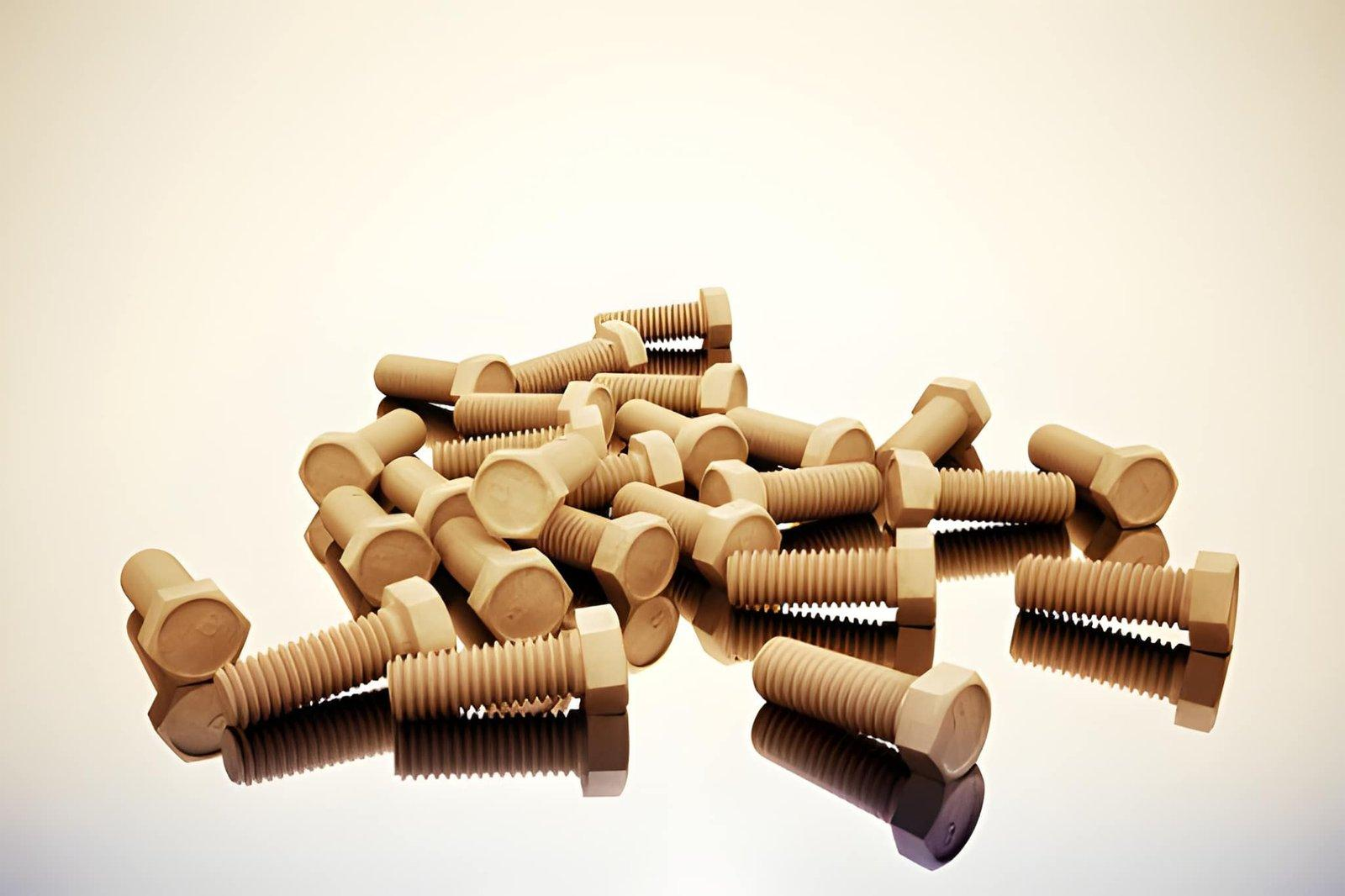
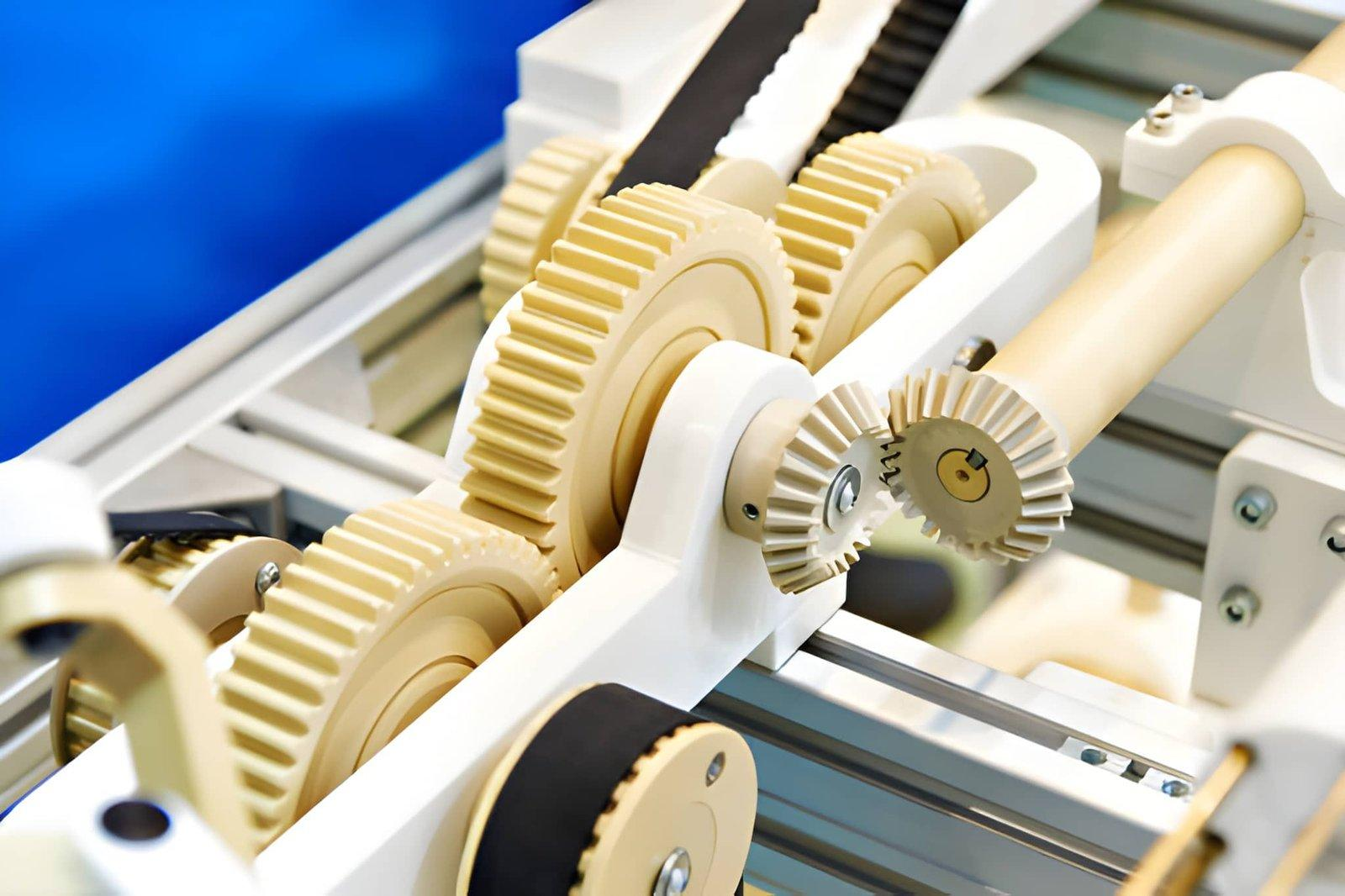
Part Types | Bushings, seals, spacers, manifolds, insulation parts, and structural components |
Tolerance Range | Up to +/-0.1 mm depending on geometry |
Production Volume | Prototype machining to production batches |
Machined Features | Holes, threads, pockets, slots, contours, thin-wall sections |
Surface Condition | Smooth machined surfaces and clean edges |
Material Properties | High temperature resistance, chemical resistance, and wear resistance |
Engineering Support | CAD review and DFM feedback |
Inspection Process | Dimensional and visual inspection before shipment |
Industries Supported | Aerospace, medical, semiconductor, and industrial equipment |
Lead Time Support | Fast turnaround production and global shipping |
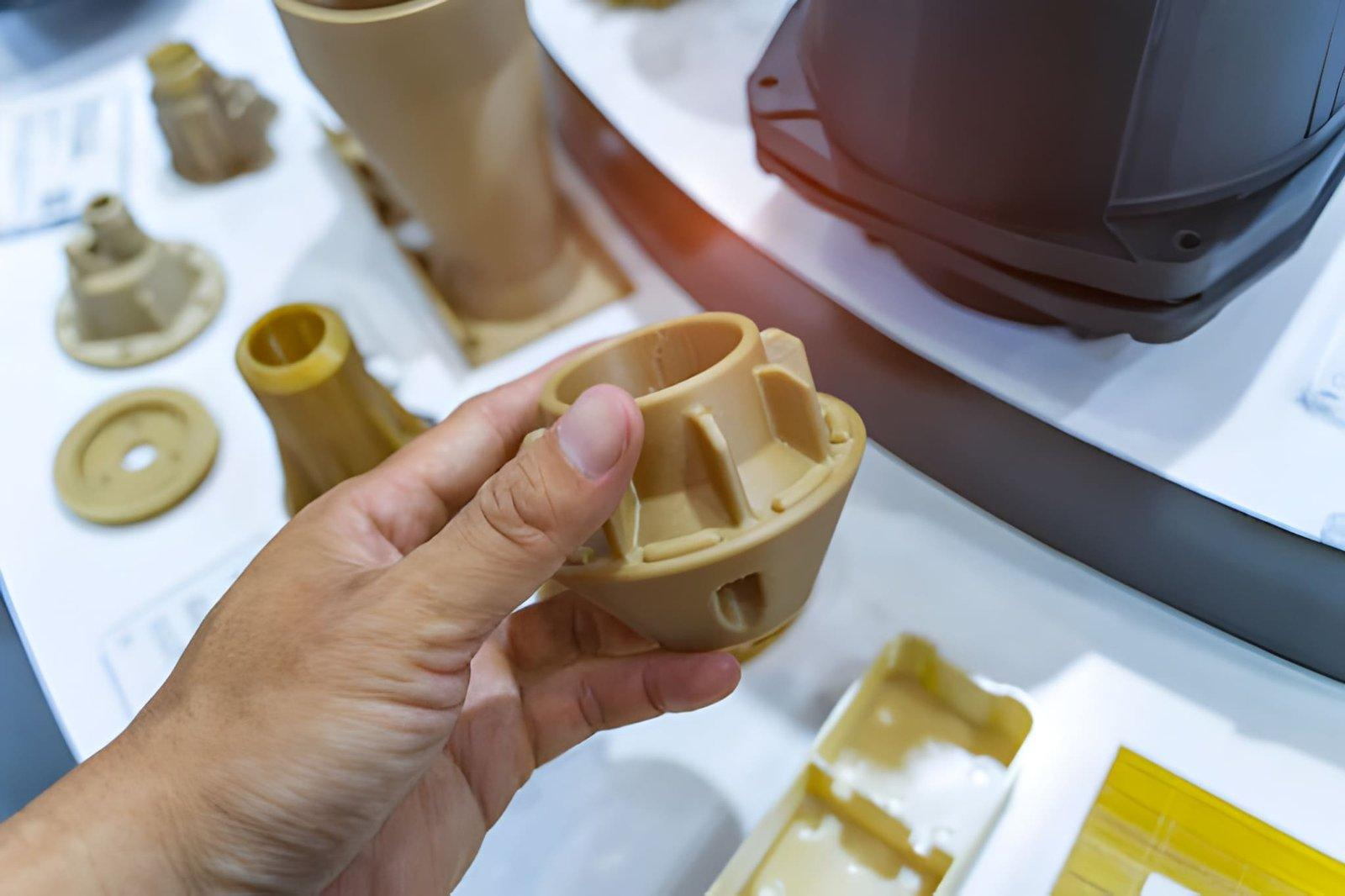
PEEK Machining Services We Provide
The appropriate machining technique choice (e.g., CNC milling vs. turning) typically depends on factors, including;
Operating environment (e.g., temperature, humidity)Assembly requirementsPart geometryTherefore, our machinists check components’ geometry (i.e., the "feature structure"), required tolerances, and material specifications for the particular part project beforehand.
CNC Milling for PEEK Parts
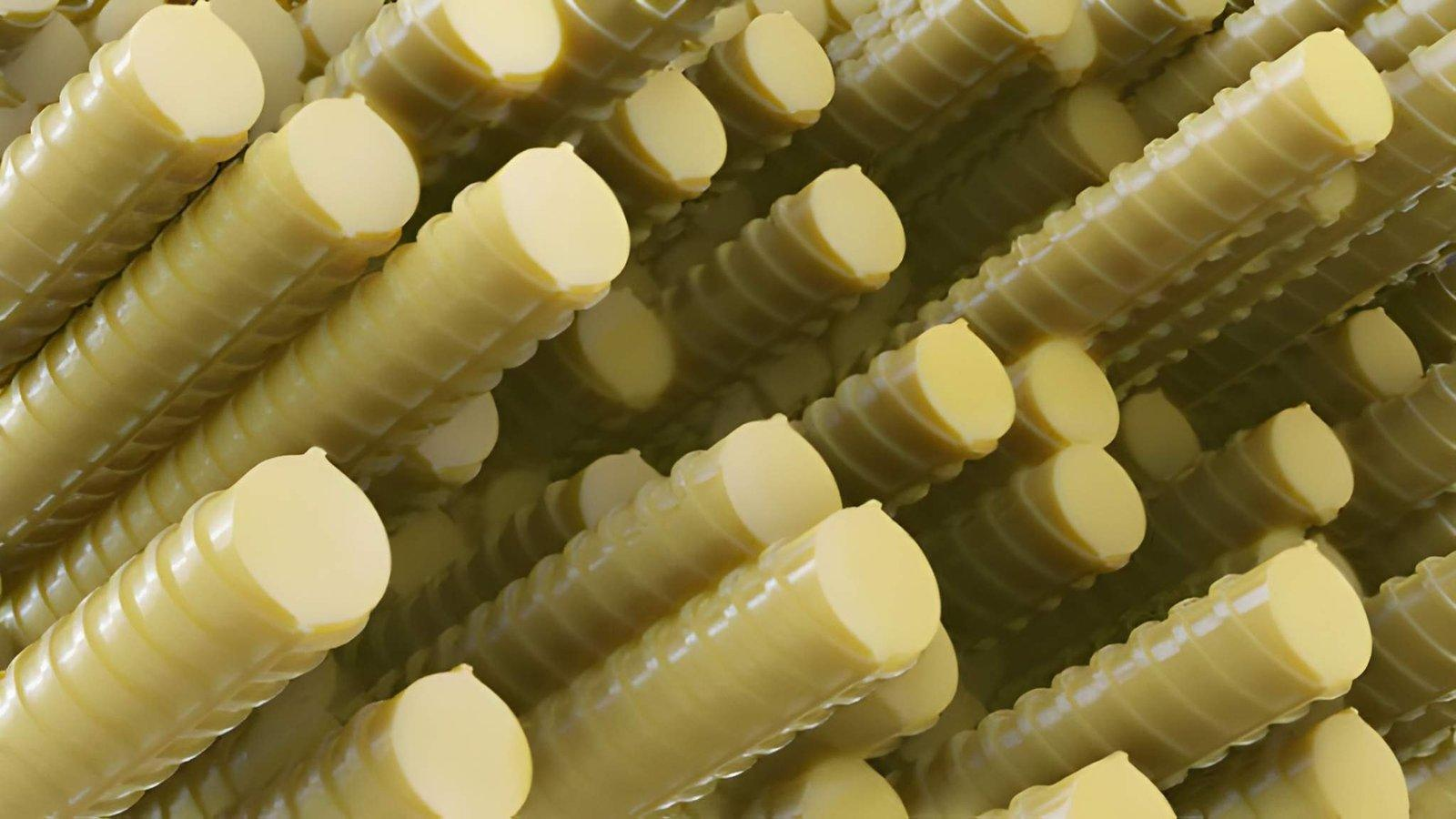
Flat and multi-surface PEEK components with features such as pocketed areas, profiling, mounting holes, and recessed areas are generally created by CNC milling.
These features are typically used in fixture plates, insulation parts, semiconductor components, and structural assemblies.
CNC Turning for Cylindrical Components
PEEK CNC turning is used for bushings, sleeves, seal rings, spacer-type components, etc. However, it requires an optimal parameter control to help minimize variability in the roundness of turned parts and ensure uniform surface quality and dimensional accuracy to facilitate precision fit applications.
Precision Hole and Thread Machining
Drilling and threading operations are used for better fit purposes (e.g., fasteners), for reference (alignment), or to connect components with carefully planned hole sizes and thread diameters.
Thin-Wall and Precision Feature Machining
Some PEEK components entail thin sections, narrow slots, or have internal features that are much deeper than normal. For such features to remain accurate during machining requires using less aggressive cutting methods (i.e., lighter passes) and employing additional fixation to minimize motion and tool deflection.
Surface Finishing and Edge Cleanup
After machining, all rough edges are cleaned, deburred, and inspected. Depending on an individual project's requirements, secondary surface preparation processes are employed to further improve the finished surface of a component and mechanical properties for handling.
Our PEEK Machining Process
At Sochain Precision, our team follows an efficient approach. Thus, each phase of the machining process is carefully developed before starting the machining operation.
Design and Machining Review
Before machining, we analyze the CAD design and/or drawings. During this analysis, our engineering staff reviews the design details such as tolerances, wall thicknesses, radii at internal corners, accessibility of features, and so forth, to determine if the PEEK component can be successfully produced via reliable machining processes.
Machining Preparation
We develop machining tool paths, cutting techniques, and fixture designs based upon the PEEK final product's design geometry and intended grade.
Material Setup and Fixturing
PEEK stock material is properly secured before beginning machining. Proper fixturing minimizes vibration in long machining operations and provides dimensionally consistent parts.
Rough Material Removal
The initial machining passes remove excess stock material from the part and establish the basic part shape. At this point, the detailed machining can begin.
Precision Feature Machining
Detailed machining operations are particularly completed for deep holes, pockets, threads, contours, and other assembly features. We normally utilize small-diameter cutting tools and controlled feed rates.
Surface Cleanup and Inspection
After completing machining operations, part surfaces are cleaned up, and the PEEK final product is inspected for dimensions, feature accuracy, and overall machining quality before shipping.
PEEK Parts We Commonly Machine
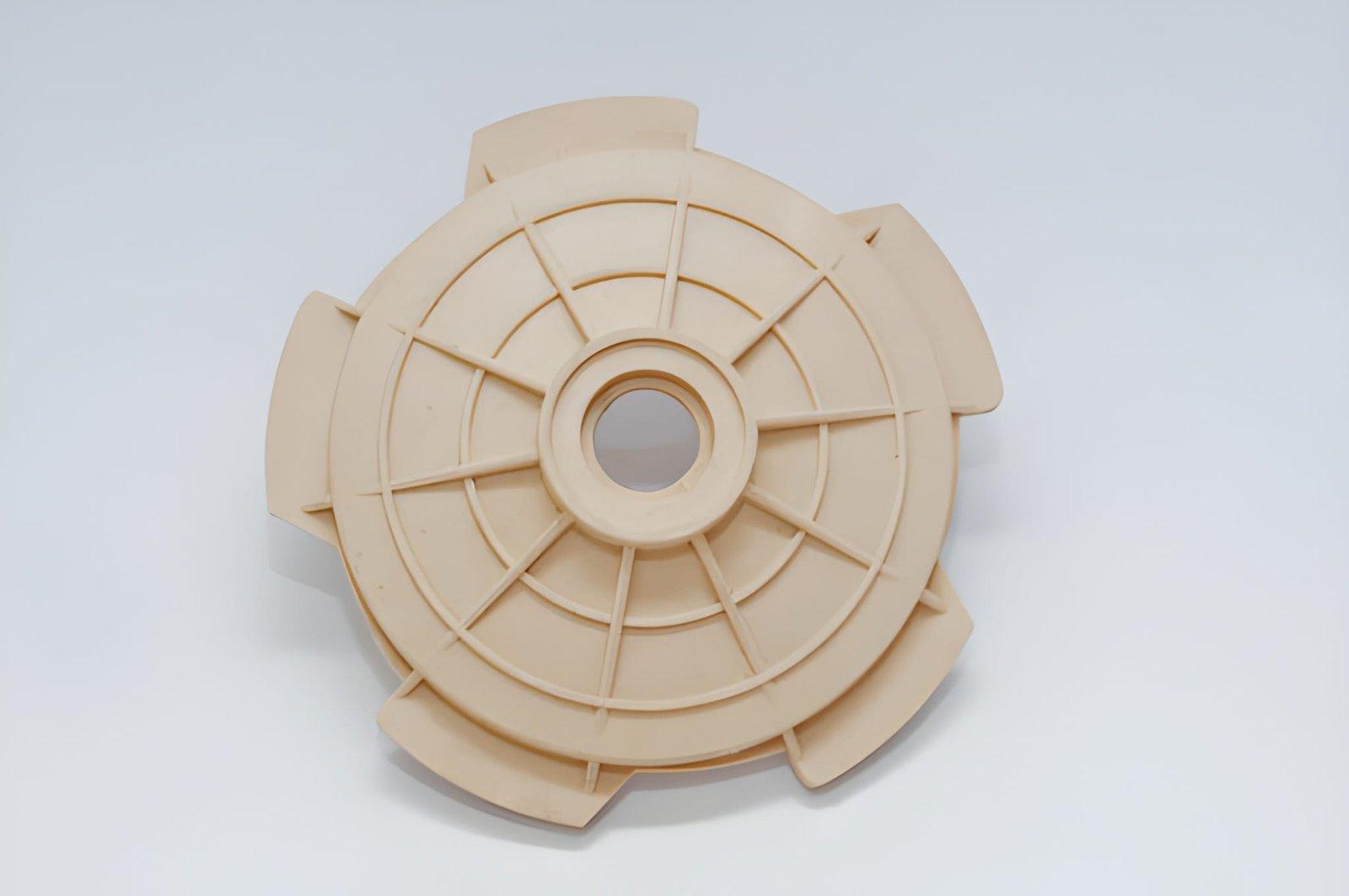
Our CNC PEEK machining service supports both prototype and production manufacturing for high-performance plastic components used in demanding operating environments. These parts are commonly selected where heat resistance, chemical stability, low friction, and dimensional accuracy are important during continuous operation.
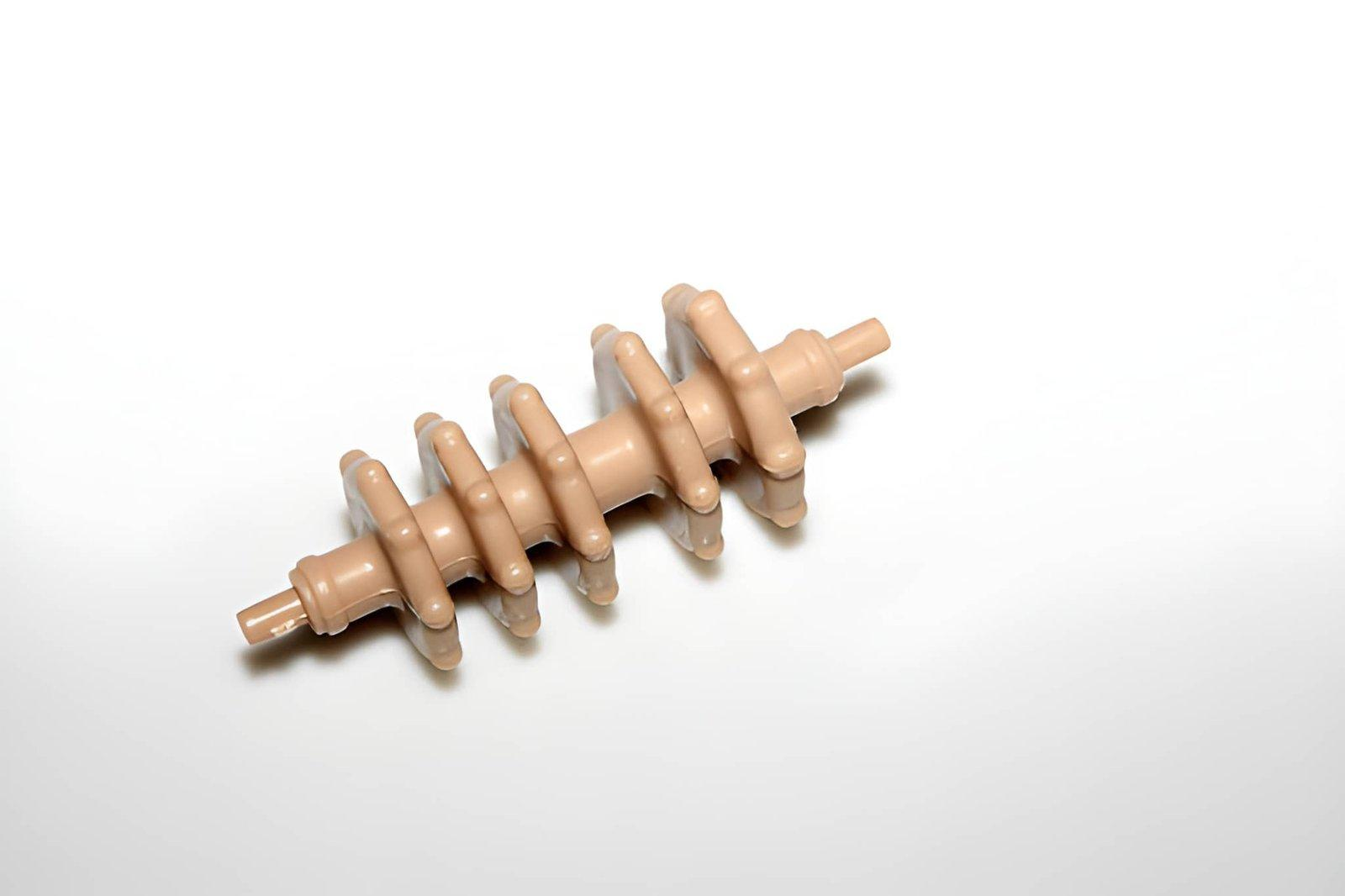
Common PEEK Components
PEEK Materials Available for CNC Machining
We machine several PEEK grades depending on the mechanical strength, wear resistance, temperature stability, and application requirements of the final component. Material selection usually depends on the operating environment and the performance required from the part.
Natural PEEKGlass-Filled PEEKCarbon-Filled PEEKBearing-Grade PEEKMedical-Grade PEEKFDA-Compliant PEEKHigh-Temperature PEEKWear-Resistant PEEKReinforced PEEKVirgin PEEK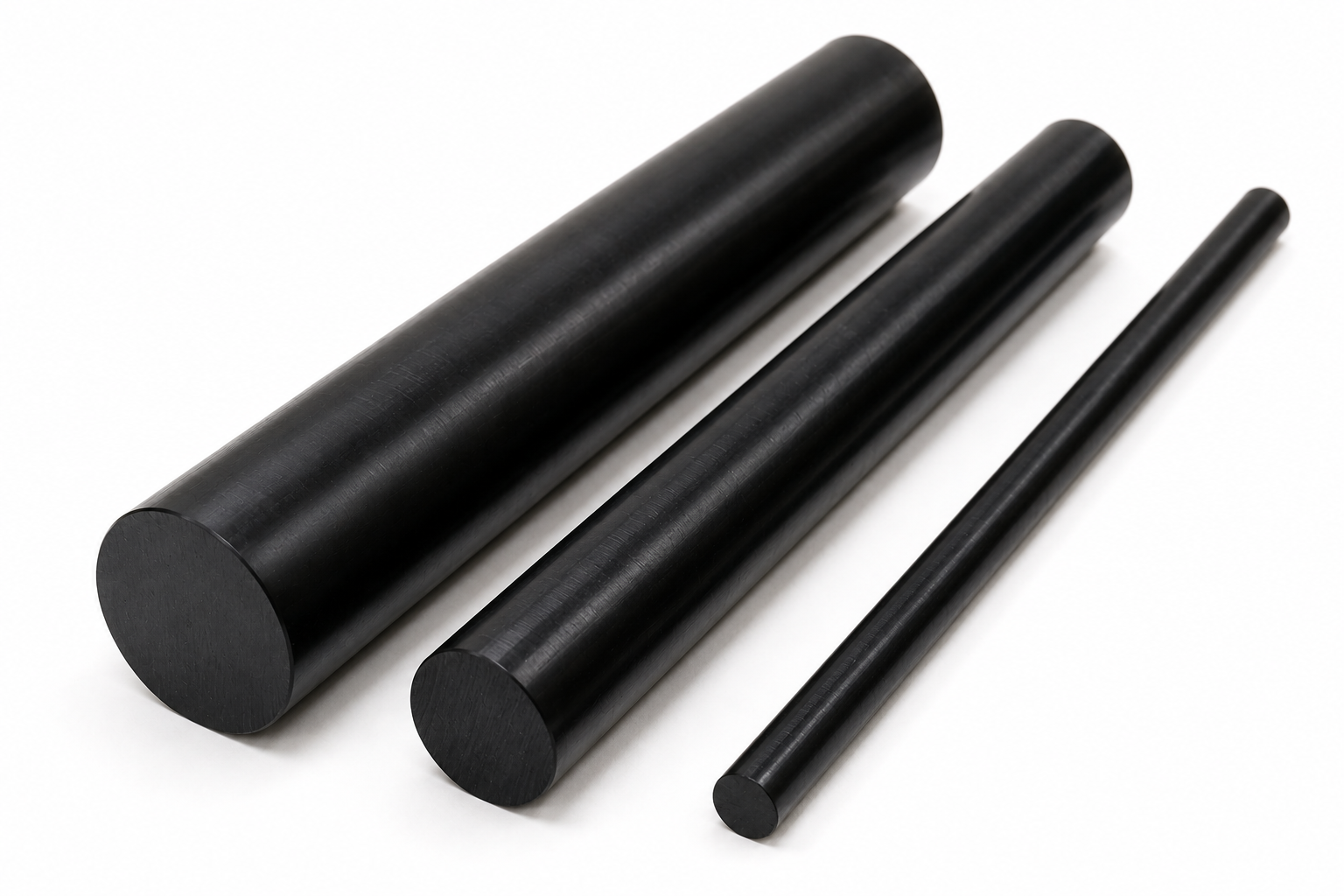
Project Workflow for Custom PEEK Parts
Machined PEEK usually starts with reviewing the part’s operating conditions, especially where heat, friction, chemicals, and tight assembly fits are involved. Our team plans the machining process around the functional requirements of the final component rather than only the external geometry.
Share Your Part Design
You can simply send us your CAD model, technical drawing, and sample dimensions for review. Our team will check the important details such as fit requirements, threaded features, sealing areas, and thin sections before machining begins.
Engineering and Process Evaluation
Our engineers review the PEEK grade, part complexity, feature accessibility, and volume of production. If needed, we also give detailed feedback on wall thickness, corner geometry, and machining feasibility before production starts.
Machining Setup Preparation
Machining tools, workpiece holding, and the operations are all set up beforehand. Once done (especially when it comes to long machining times), the same set-up conditions are maintained throughout the machining cycle.
Production Machining
Material is removed in controlled machining passes to maintain part accuracy and stable surface quality throughout production. The details (such as slot, thread, and seal surfaces) are machined at the last manufacturing process.
Inspection and Shipment
Following machining, the manufactured pieces are inspected for dimension, location of detail features, and general machineability before they are packaged and shipped.
Need CNC-machined PEEK Components?
We machine custom PEEK parts for applications that require stable performance under heat, pressure, wear, and chemical exposure. Our machining service supports both functional prototypes and repeat production for industrial and technical plastic components.
Whether the part requires precision sealing surfaces, lightweight structural geometry, or tight assembly tolerances, our team reviews the machining requirements carefully before production begins.
Upload your CAD file or technical drawing to Sochain Precision and receive a manufacturing review and quotation for your PEEK machining project.
FAQs
Machining is commonly used when the part requires tighter tolerances, lower production quantities, or complex features that are difficult to produce with molding. It is also practical for prototype development and custom industrial components.
Yes, glass-filled and carbon-filled PEEK grades are more rigid than natural PEEK. However, they also create higher tool wear during CNC machining. So, cutting parameters are usually adjusted based on the reinforcement type and feature geometry.
Generally, thin-walled sections, seal and gasket surfaces, threaded areas, and deep internal recesses are subject to higher levels of control due to their potential impact on dimensional accuracy if excessive cutting forces are applied.
Yes, for parts, subject to wear, such as sliding and reciprocating bearings, slide guides, or assembly components, are common applications where PEEK provides satisfactory performance, even at elevated temperature conditions.
Start Manufacturing Your Custom Parts Now!
Understanding Your Goals, Delivering Your Solutions – We’re Committed to Making CNC Machining Simple and Stress-Free!