 (+035) 527-1710-70
 NEWSLETTER
Fiberglass CNC Machining
Get custom fiberglass parts machined for electrical insulation, industrial equipment, and structural support applications.
At Sochain Precision, we machine fiberglass sheets and composite materials into accurate parts with controlled edge quality and stable dimensions.
From an application point of view, fiberglass materials are widely used for electrical panels, insulation barriers, support plates, fixture components, and machine parts because they combine strength, low weight, and electrical resistance. Our machining service supports both simple flat components and complex machined fiberglass parts for prototype and production work.
Rapid prototyping and full-scale production
ISO accredited & QC checks
All in-house processes
Used in over 50 countries
FREE Instant quotations
Our Fiberglass CNC Machining Capabilities
- CNC milling
- CNC drilling
- Slot machining
- Pocket cutting
- Panel profiling
- Edge trimming
- Hole machining
- Surface finishing
- G10 machining
- FR4 machining
- Phenolic composites
- Fiberglass sheets
- Electrical insulation parts
- Structural support parts
- Tight-tolerance machining
- Thin panel cutting
- Prototype quantities
- Production batches
- CAD file review
- Dimensional inspection
- Global delivery
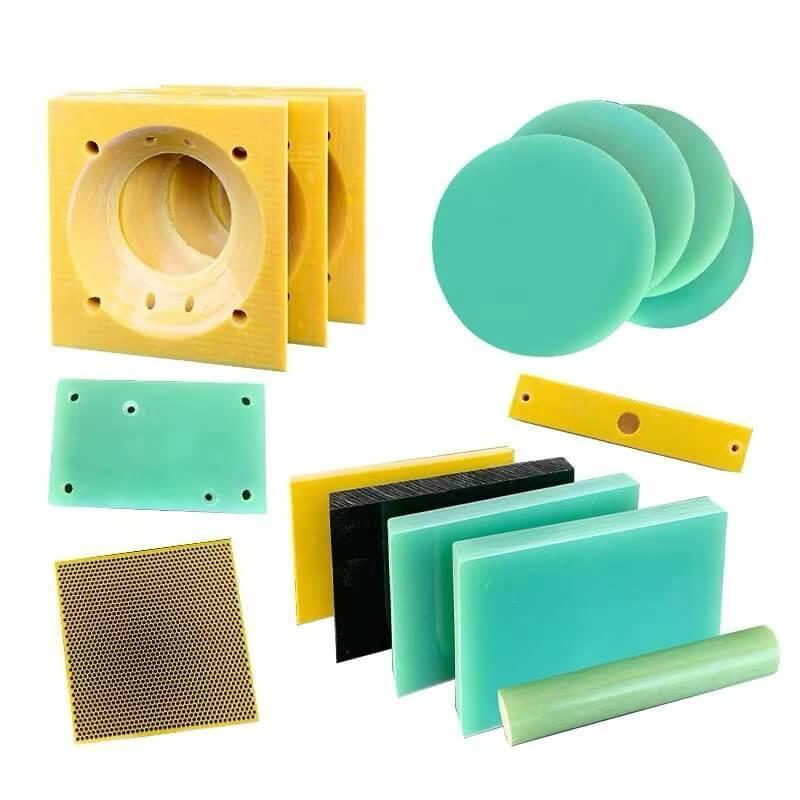
Types of Fiberglass Materials for CNC Machining
Fiberglass machining requires careful process control because each grade comprises a unique set of properties and machining behavior.
The cutting behavior changes based on the fiberglass composition, resin system, and overall material strength. If feed and speed are not optimized, this may result in rapid tool wear, poor edge quality, and part surface damage due to excessive cutting forces.
To achieve uniform quality parts, our engineers choose efficient tools, cutting parameters, and fixture design strategies depending on the particular fiberglass product being produced and the geometric shape.
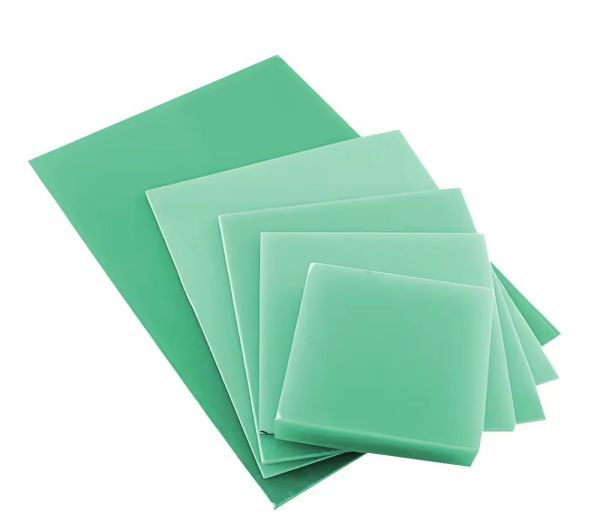
G10 Fiberglass
We machine G10 fiberglass for producing electrical insulating products (e.g., plate inserts), support plates, and many industrial machine components. G10 is reinforced with woven glass fibers. This gives the material higher mechanical strength and rigidity. If it is machined with large diameter tools, the tools will likely experience high abrasion.
Therefore, to produce clean-cut edges and maintain accurate dimensions, we control the cutting passes made through the workpiece and utilize tooling specifically designed for machining abrasive composite materials.
FR4 Fiberglass
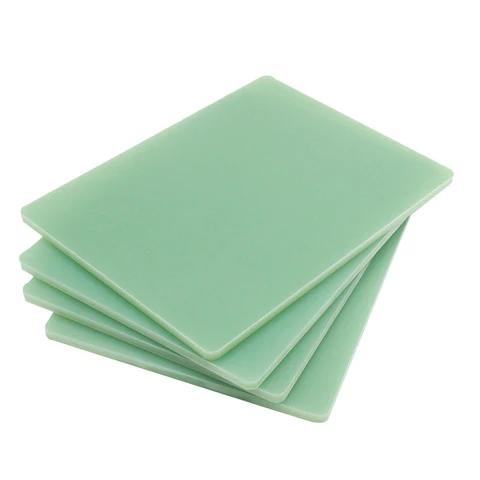
FR4 fiberglass is primarily used for flame-retardant electrical assemblies and insulation products. If the feed rate of the cutting operation is set too aggressively, when cutting FR4 fiberglass, this can cause the fiberglass fibers to break out.
To prevent this, we utilize controlled cutting conditions and rigid fixturing in the machining process to minimize the edge breakout and protect the surface finish of the part.
G11 Fiberglass
For products intended for high-temperature application environments, we use G11 fiberglass. G11 fiberglass has higher hardness than standard G10 materials; therefore, an increased load is applied to the material during machining operations.
To manage the load applied to the workpiece during the machining process, we restrict our cutting depth and provide constant tool engagement to avoid damaging the material.
Epoxy Glass Laminate
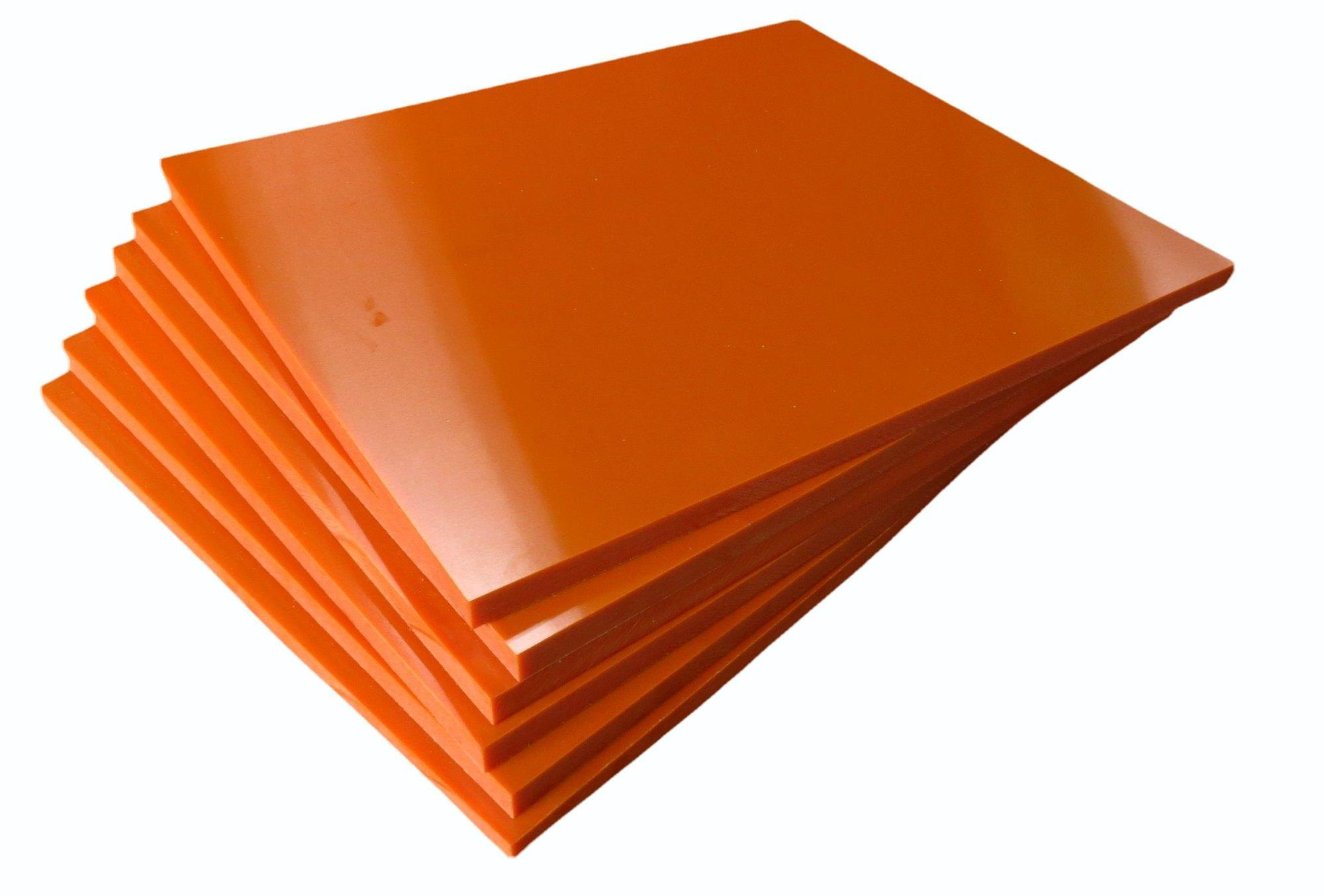
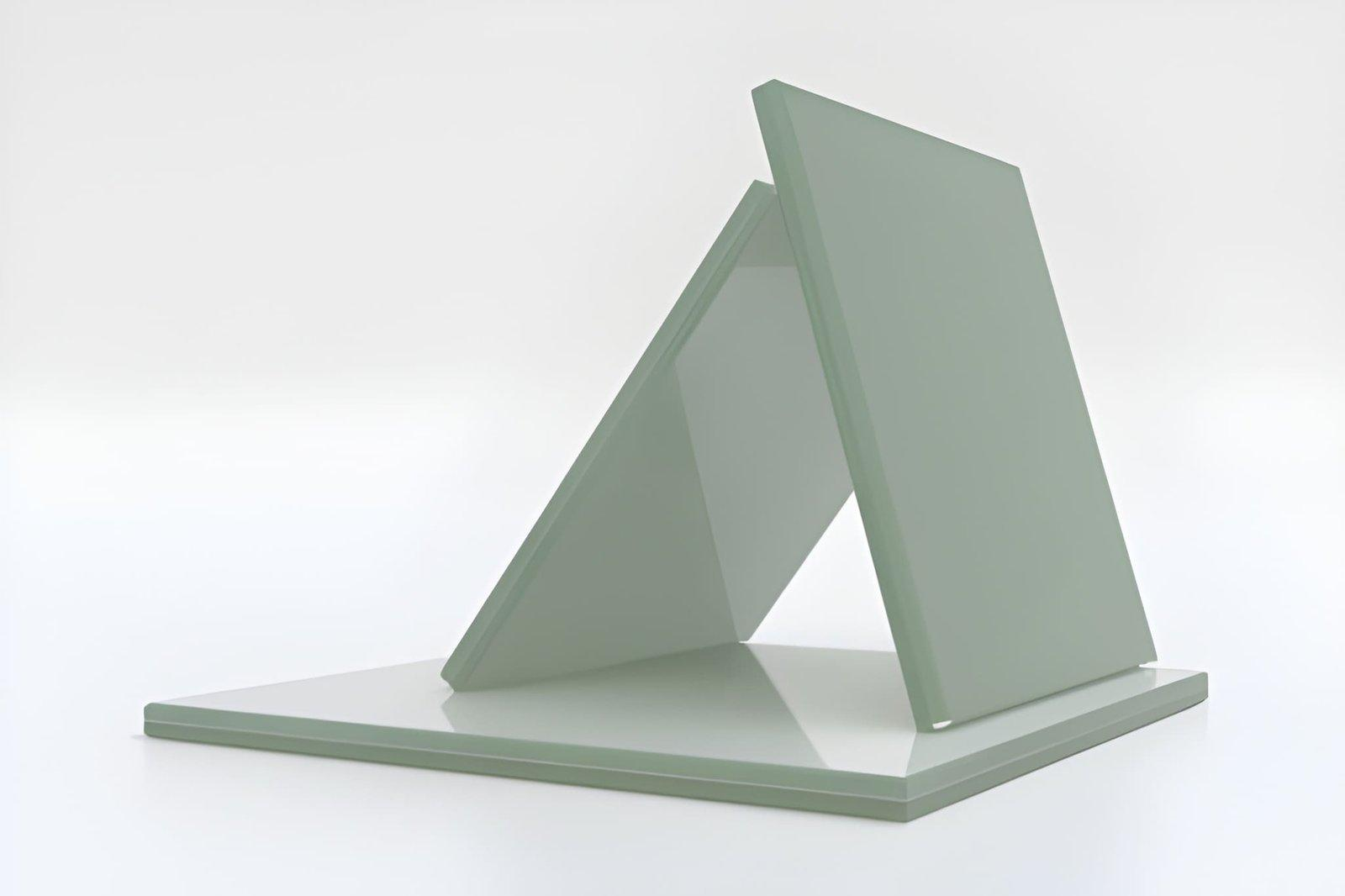
Epoxy glass laminates are typically used in insulation barriers, structural supports, and industrial assemblies. Our machinists prepare the machining setup and cutting paths carefully before production begins. This way, we ensure that all holes remain accurate, surfaces appear free from defects, and dimensions remain consistent across the final part.
Phenolic Fiberglass
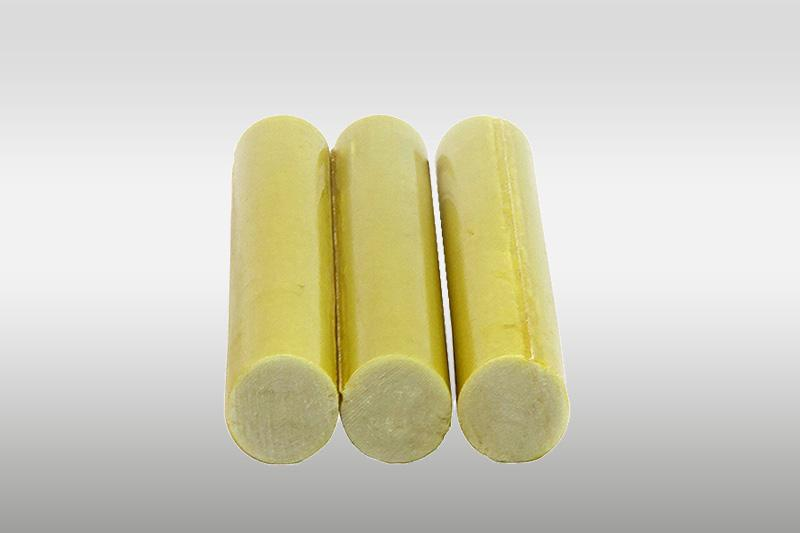
Phenolic fiberglass products are used in wear-resistant machine parts, industrial fixtures, and structural support products. Once machining is complete, we inspect and clean up all edges to maximize the handling characteristics of the finished part so it can be assembled efficiently.
Fiberglass Composite Panels
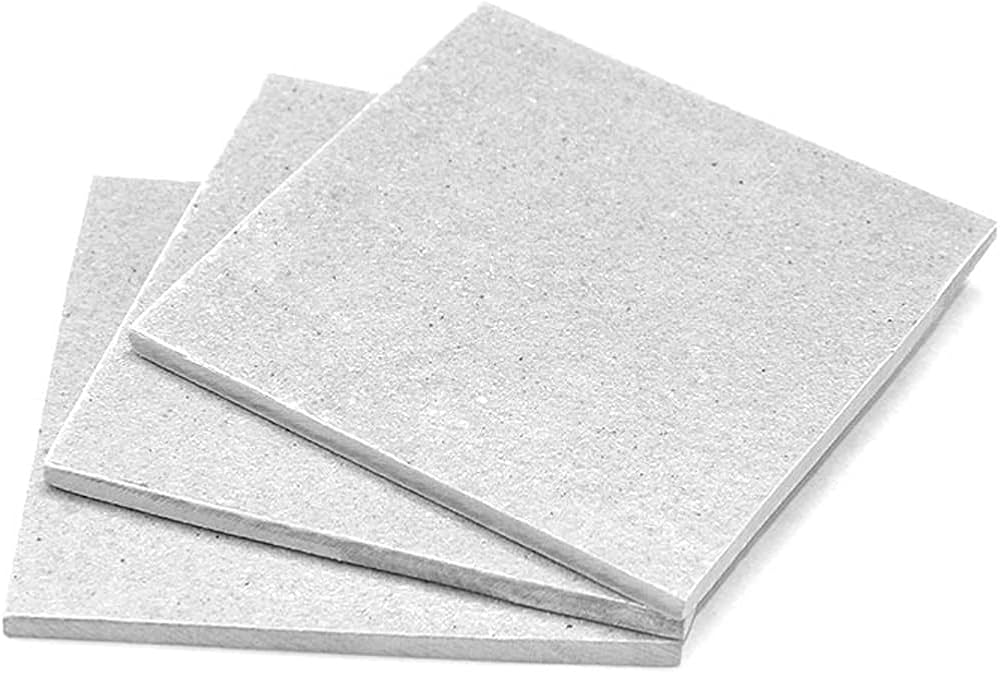
During long-duration machining operations, large fiberglass panels are usually prone to flexure and vibration caused by the workpiece's surface movement. So, we utilize stable support systems during machining to maintain flatness and clean-edge quality.
Our Fiberglass CNC Machining Process
Fiberglass requires careful machining because it can wear tools quickly and create rough edges during cutting. Our process focuses on maintaining accurate dimensions, cleaner edges, and stable machining conditions throughout production.
Design Review
First of all, our engineers review the CAD file, material thicknesses, hole locations, and overall part geometry before commencing with machining operations. Thin-walled features, slot size, pocket depth, and other potentially problematic features are reviewed carefully in conjunction with setup planning.
Machining Preparation
The cutting tool, machining path, and fixture methodology are planned and set up according to the type of fiberglass used and the structural nature of the part being machined. A well-designed setup will help maintain a high-quality finish on all part edges and provide machining stability.
Material Setup
All fiberglass sheet stock or panel material is firmly secured to the machining surface (machine table) to prevent excessive movement and/or vibration that can occur during machining.
Rough Machining
During the initial roughing passes, the removal of bulk material happens, which allows for the basic shape of the final product to be established while maintaining control over the material during subsequent cuts.
Final Detail Machining Passes
Once the part is roughed out, holes, slots, pockets, and profiles are cut into the part by controlling the parameters associated with the specific detail machining pass to minimize edge chipping and optimize feature dimensional accuracy.
Edge Cleanup
Following the machining operations, the edges of the finished part are cleaned and deburred(if necessary) to eliminate loose fibers and minor burrs generated during the machining process.
Part Inspection
Final parts are then inspected to ensure compliance with design specifications regarding dimensions, hole location, and overall machining quality before shipping.
Fiberglass Parts We Commonly Machine
We machine fiberglass components for electrical, structural, and industrial applications where lightweight strength and insulation performance are important. Our production supports both simple flat parts and more detailed machined components.
Common Fiberglass Components
- Electrical insulation plates
- FR4 support panels
- G10 machine fixtures
- Structural backing plates
- Industrial spacer blocks
- Mounting brackets
- Equipment covers
- Composite support parts
- Machine guard panels
- Drilled fiberglass sheets
- Control system barriers
- Custom-machined panels
Need Custom Fiberglass Machined Parts?
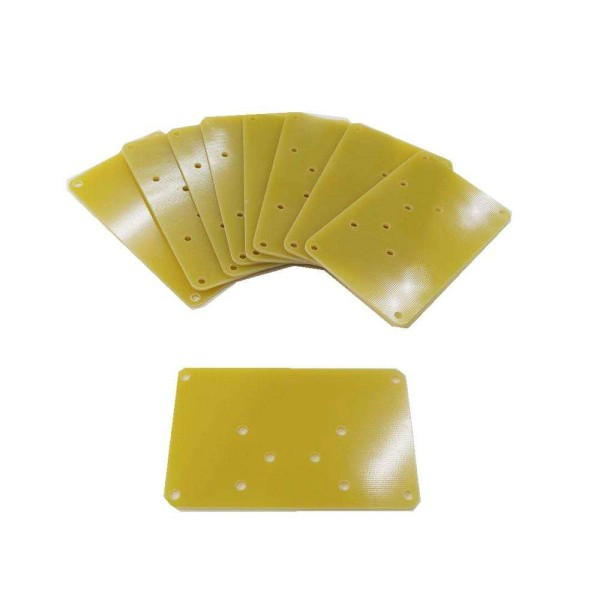
If your design is ready, our team can machine custom fiberglass components for electrical insulation, structural support, and industrial equipment applications.
We machine G10, FR4, epoxy glass laminates, and other fiberglass materials for both prototype and production quantities. Our machining process focuses on maintaining stable dimensions, cleaner machined edges, and reliable part quality throughout production.
Upload your CAD file or technical drawing to Sochain Precision for engineering review and a manufacturing quotation for your fiberglass machining project.
FAQs
Fiberglass contains hard glass fibers that create constant abrasion during cutting. Compared to standard plastics, tools lose sharpness faster, especially during longer machining operations or thicker panel cutting.
We control the cutting speed, feed rate, and cutting depth based on the fiberglass material and feature size. Stable clamping also helps reduce vibration and edge breakout during machining.
Thin fiberglass panels can chip or crack near holes and narrow sections if the material is not supported properly. We use stable fixturing and lighter cutting passes to reduce stress during machining.
Yes, Fiberglass machining produces fine dust and loose fibers during cutting operations. So, dust collection and safe machining conditions are important during production and edge cleanup.
Most projects include insulation barriers, support plates, mounting panels, machine covers, spacer components, drilled composite sheets, and custom structural fiberglass parts for industrial equipment.
Start Manufacturing Your Custom Parts Now!
Understanding Your Goals, Delivering Your Solutions – We’re Committed to Making CNC Machining Simple and Stress-Free!