 (+035) 527-1710-70
 NEWSLETTER
Propylene Machining Service
Not every plastic machine is the same way. Polypropylene is softer than materials like Delrin or PEEK, so it needs the right cutting approach to hold dimensions and produce clean edges. When it's machined correctly, PP delivers lightweight parts with excellent resistance to chemicals, moisture, and repeated cleaning.
At Sochain Precision, we machine custom polypropylene parts for prototypes, replacement components, and production runs. Whether you need a simple spacer or a complex machined housing, every part is reviewed before production to catch features that could increase machining time or affect accuracy. If we see an opportunity to improve the design, we'll discuss it with you before cutting material.
Rapid prototyping and full-scale production
ISO accredited & QC checks
All in-house processes
Used in over 50 countries
FREE Instant quotations
Polypropylene in CNC Machining
Polypropylene is often selected because of the environment the part will work in rather than its strength alone. It performs well around water, cleaning chemicals, and many industrial fluids while weighing less than many engineering plastics.
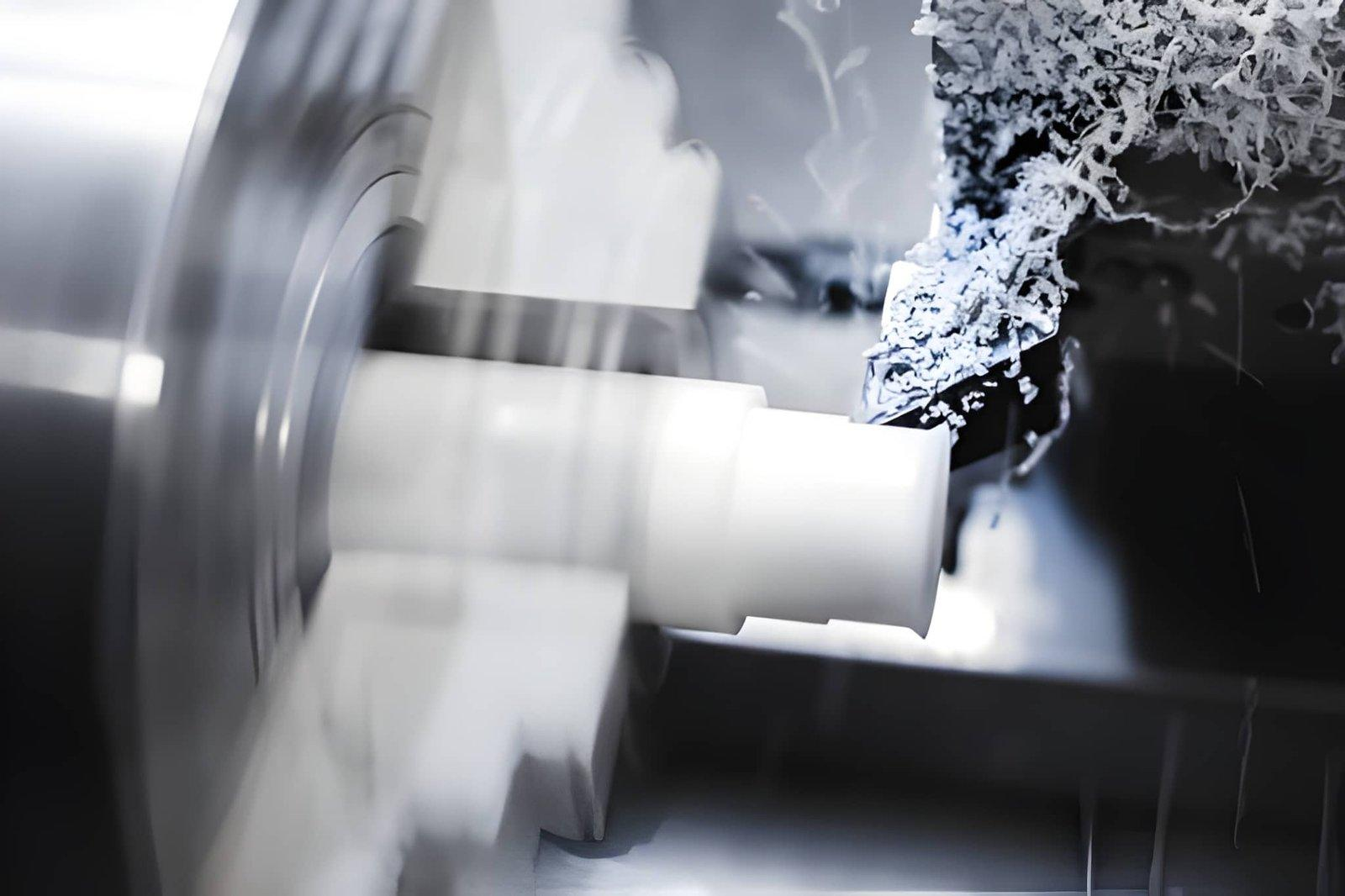
From a machining perspective, PP behaves differently from rigid plastics. It can flex if it isn't supported properly, especially on thin walls or large flat sections. Tool geometry, cutting depth, and workholding all affect the final result.
During machining, we pay close attention to:
- Supporting thin sections to reduce movement.
- Selecting cutting parameters that minimize burrs.
- Preventing heat buildup around detailed features.
- Holding tight dimensions on mating surfaces.
- Checking critical features before the part leaves inspection.
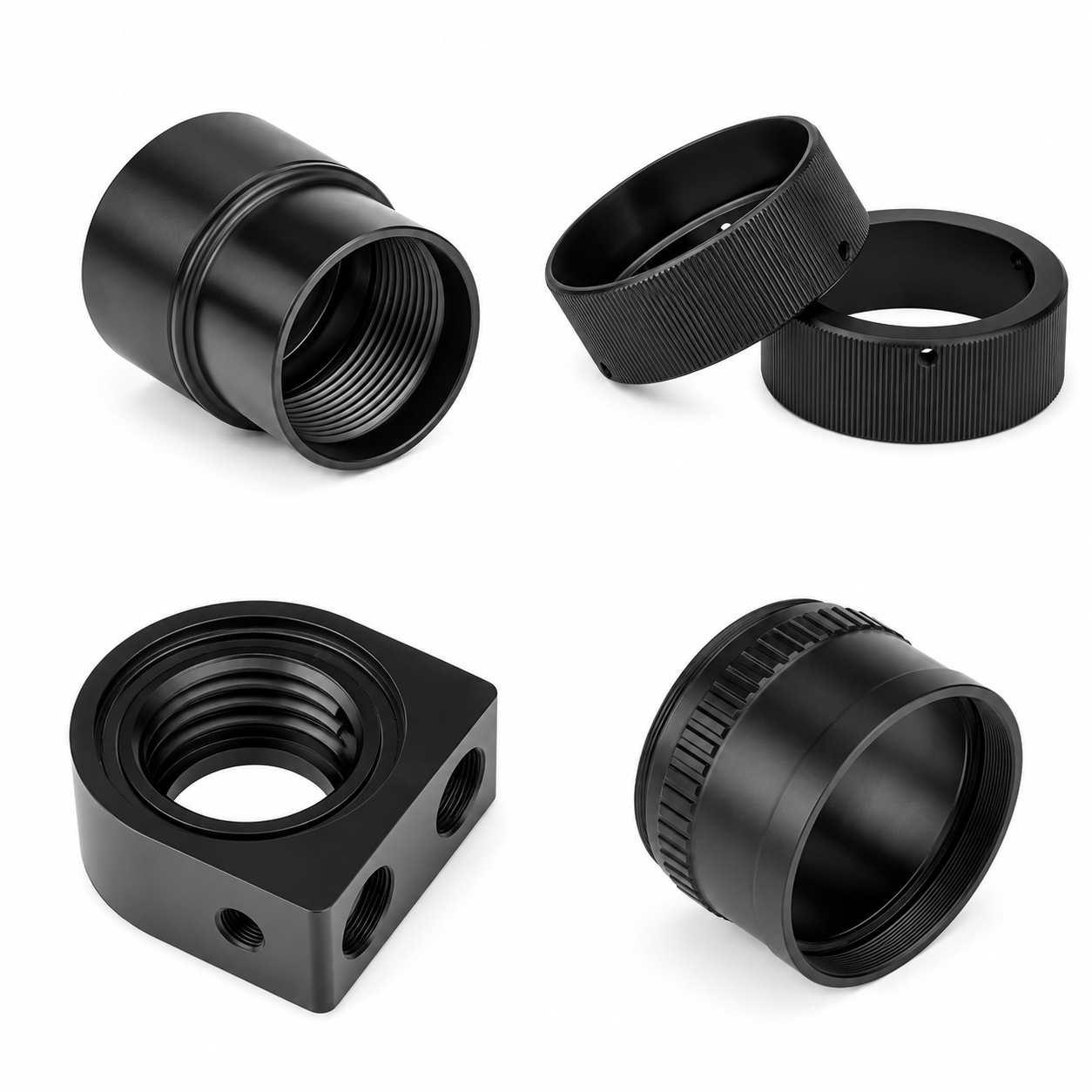
Types of Polypropylene (PP) Materials for CNC Machining
| Material | Characteristics | Typical Applications |
| Homopolymer Polypropylene (PP-H) | High stiffness, good chemical resistance, and easy to machine. | Chemical equipment, valves, pump components, machine parts |
| Copolymer Polypropylene (PP-C) | Better impact resistance and toughness than PP-H. | Housings, covers, industrial components, fluid-handling parts |
| Random Copolymer (PP-R) | Good flexibility, clarity, and chemical resistance. | Medical parts, laboratory equipment, food-grade components |
| Block Copolymer (PP-B) | Higher impact strength and improved durability under load. | Automotive parts, industrial fixtures, protective components |
Need help selecting the right PP grade? Our engineering team can recommend the most suitable material based on your application’s strength, chemical resistance, and operating requirements.
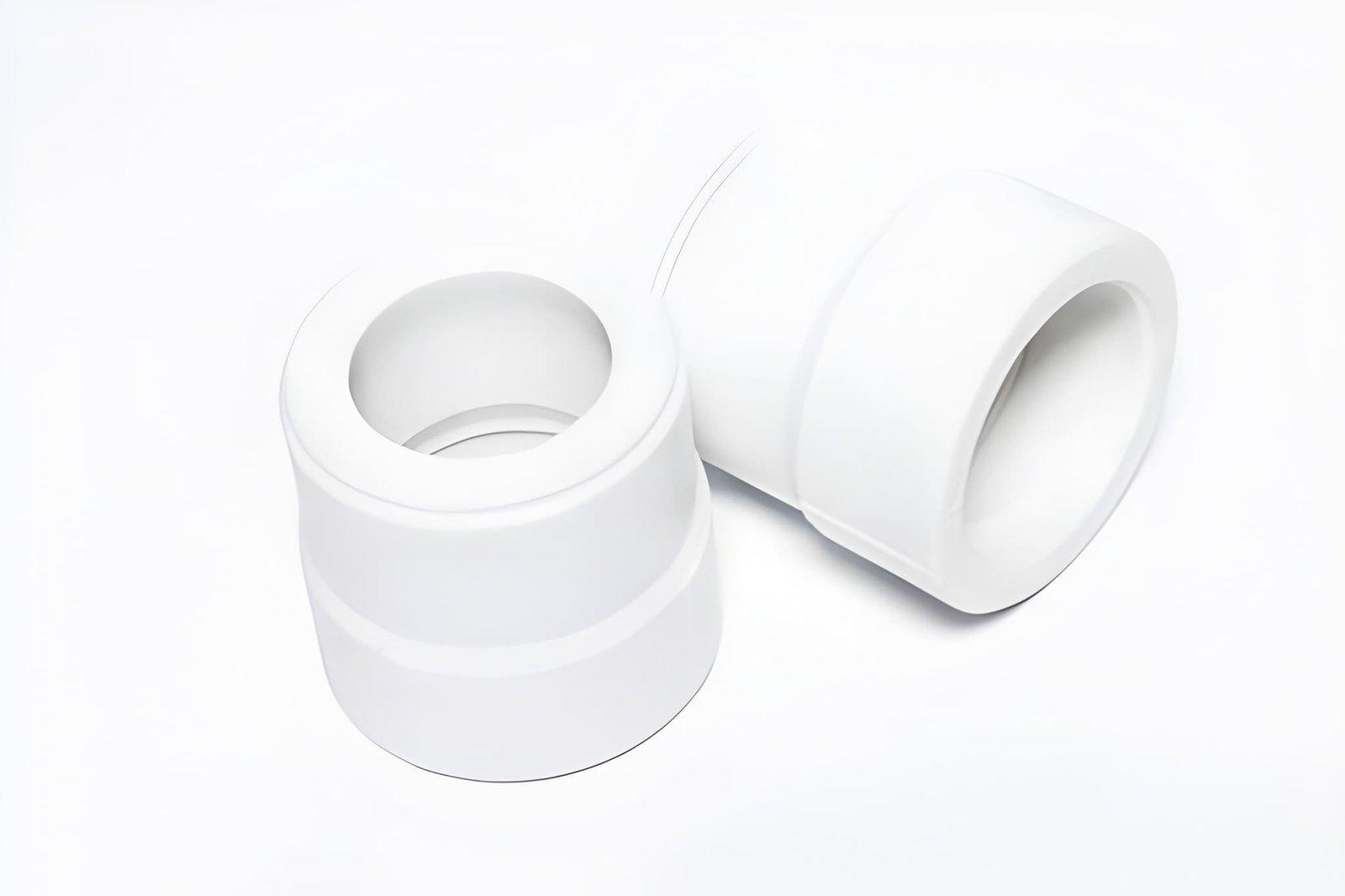
CNC Machining Capabilities for Custom Polypropylene (PP) Parts
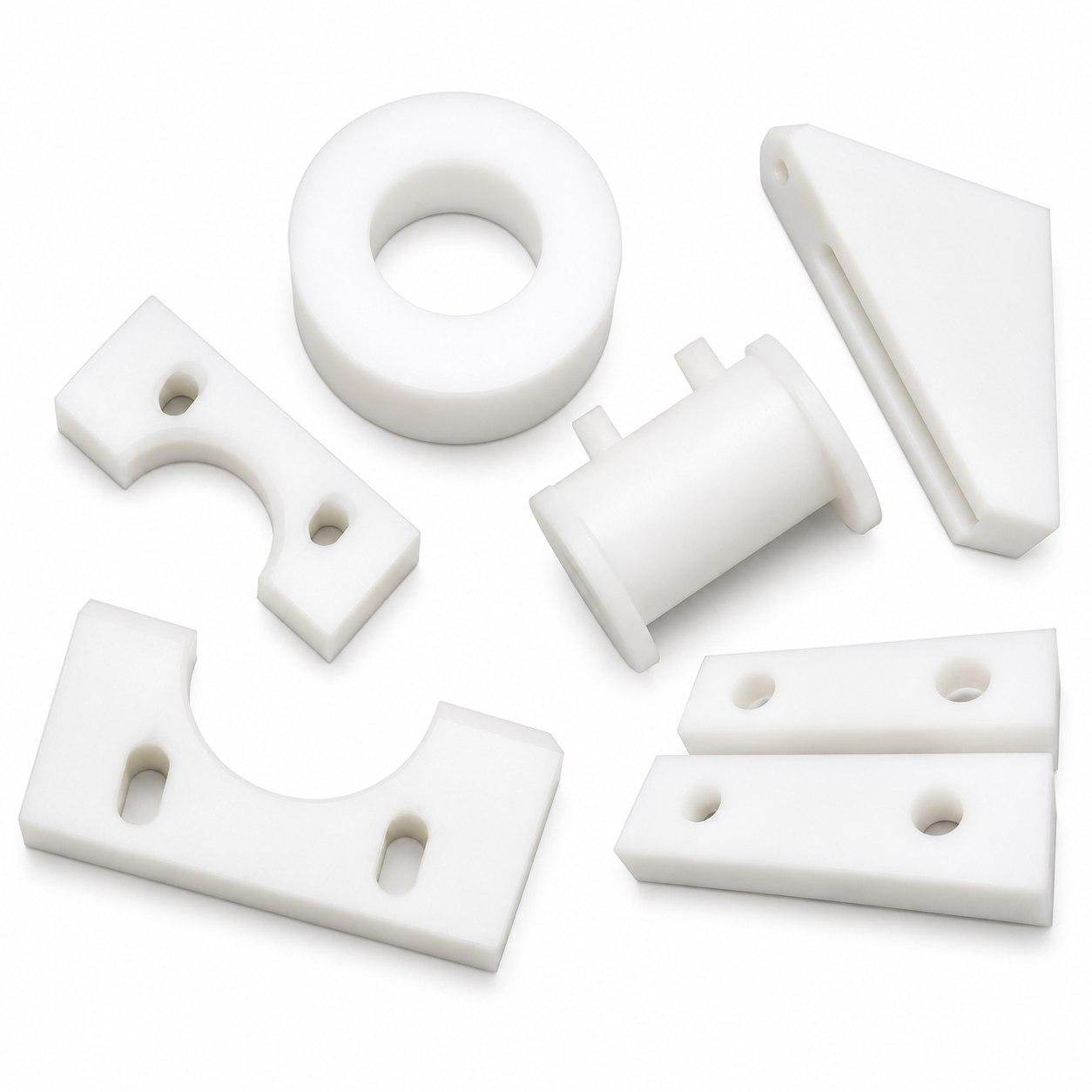
Our CNC machining capabilities support a wide range of custom polypropylene components, from simple prototypes to precision production parts. Depending on the design, material grade, and application, we manufacture components such as:
- PP machine guards and protective covers
- Chemical-resistant housings
- Pump and valve components
- Fluid manifolds
- Pipe flanges and adapters
- Gaskets and sealing plates
- Electrical insulation components
- Mounting brackets
- Support blocks and spacers
- Bushings and sleeves
- Wear strips and guide rails
- Jigs and fixtures
- Medical device components
- Laboratory equipment parts
- Packaging machine components
- Conveyor system guides
- Tank covers and access panels
- Food processing equipment parts
- Custom enclosures
- Prototype and low-volume production parts
We also machine parts with features such as:
- Precision drilled holes
- Internal and external threads
- Counterbores and countersinks
- Deep pockets and cavities
- Slots and keyways
- Complex 2.5D and 3D profiles
- Precision mating surfaces
- Chamfers and edge breaks
- Tight-tolerance locating features
- Custom engraved text, logos, and identification marks
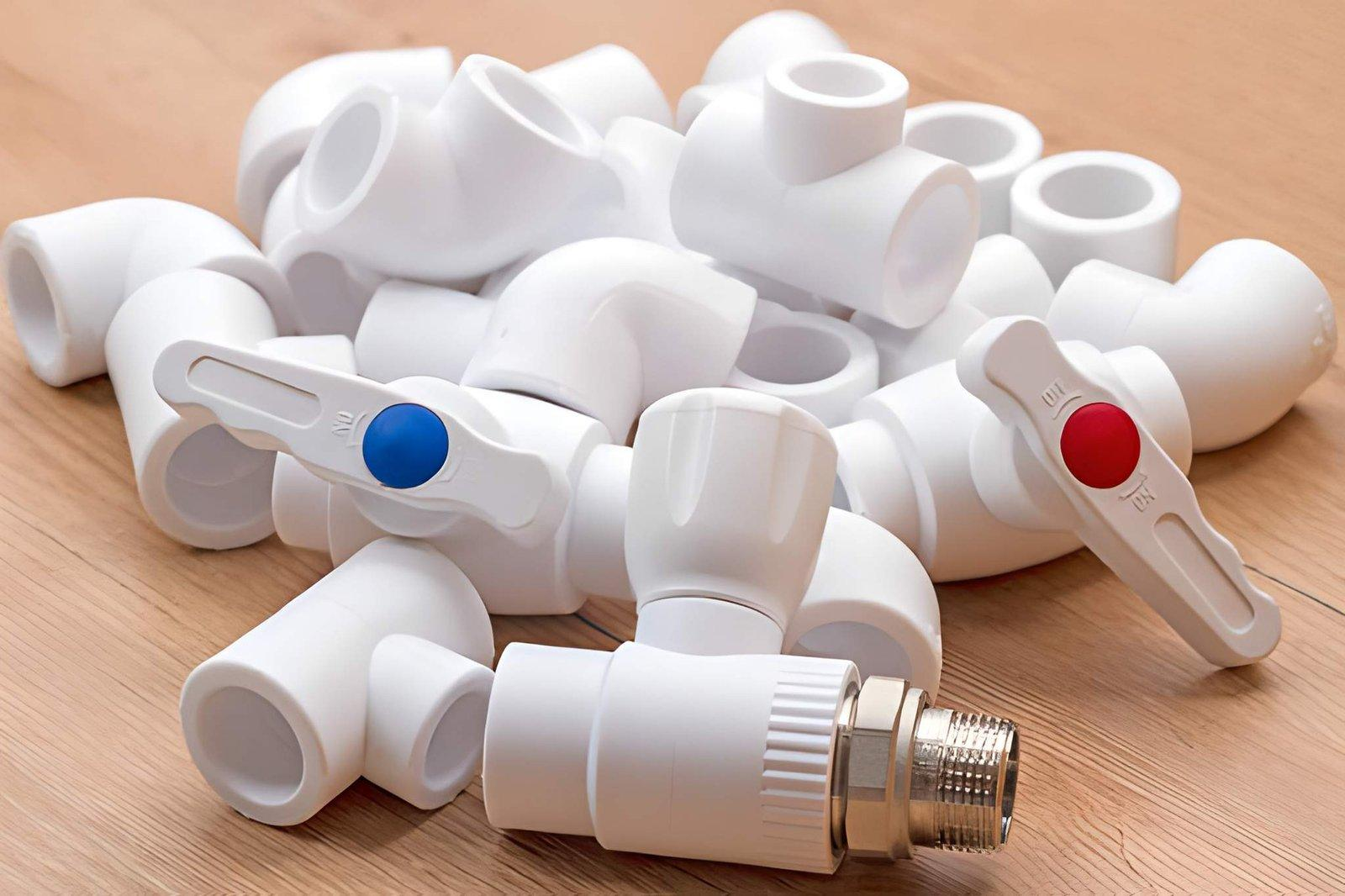
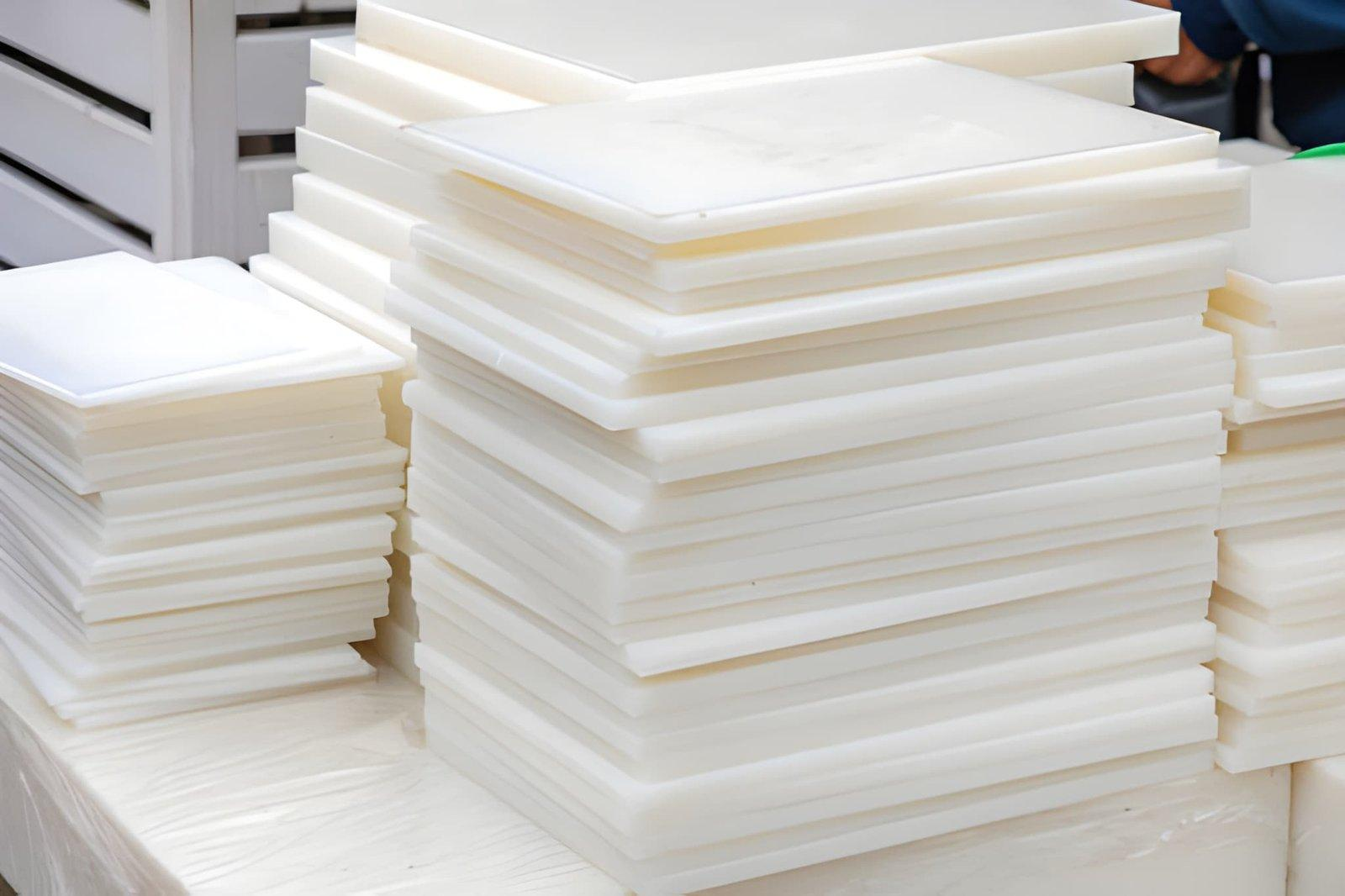
Typical Specifications/Capabilities
Specification | Value |
Price | Request a Quote |
Available PP Grades | PP Black, PP White, PP + GF30 Black |
Typical Lead Time | About 6 Days |
Minimum Wall Thickness | 0.8 mm |
Standard Tolerance | ±0.125 mm (±0.005″) |
Maximum Part Size | 1200 × 500 × 150 mm |
Common Applications | Prototypes, housings, enclosures, functional parts |
Machined Polypropylene Properties
Polypropylene combines low weight with good mechanical performance and excellent resistance to moisture and many industrial chemicals. These characteristics make it suitable for machined parts used in wet environments, chemical handling systems, and lightweight mechanical assemblies.
Although PP is easy to machine, its lower stiffness compared with plastics such as Delrin or PEEK means part geometry should be considered during design. Thin walls, long unsupported sections, and narrow features may require adjustments to improve stability during machining. With the right tooling and machining strategy, polypropylene produces accurate parts with good surface quality and consistent repeatability.
Property | Typical Value |
Tensile Strength (Yield) | 25 to 35 MPa |
Elongation at Break | 200 to 600% |
Hardness | Rockwell R95 |
Heat Deflection Temperature | 90 to 110°C |
Glass Transition Temperature | -20°C |
Surface Finishing Options for CNC Polypropylene Parts
Most polypropylene parts are used because of their chemical resistance and functional performance rather than their appearance. In many cases, the machined surface is ready to use without additional processing. When a smoother texture, improved appearance, or color identification is needed, we can recommend a suitable finishing process based on the application.
Finish | When We Recommend It | What You Can Expect |
As-Machined | Functional components, prototypes, and internal assemblies | Parts are supplied directly after machining with visible tool marks. This is the most common option because it preserves dimensions and keeps lead times short. |
Edge Deburring (Tumbling) | Parts with exposed edges or frequent handling | Small burrs are removed, and sharp edges are softened, making the part easier and safer to handle. |
Matte Surface Treatment | Cosmetic covers, enclosures, and display parts | A uniform matte appearance helps reduce visible machining marks while maintaining the part's geometry. |
Custom Painting | Color coding, branding, or product identification | When paint is required, the surface is prepared with adhesion-promoting treatments before coating because polypropylene does not naturally bond well with paint. |
Special Coating Solutions | Applications with specific customer requirements | Some coatings can be applied to polypropylene using specialized preparation methods. We review these projects individually because coating performance depends on the material grade and application. |
Choosing the Right Finish
The right finish depends on how the part will be used, not just how it should look.
For example:
- Functional machine components are usually supplied as-machined.
- Parts that operators handle regularly often benefit from deburring.
- Product housings and visible covers may require a matte finishor custom paint.
- If your project has cosmetic or performance requirements, we'll recommend a finishing process that works with polypropylene instead of applying a standard finish by default.
Looking for a Polypropylene CNC Machining Supplier?
Finding the right machining supplier is about more than producing parts to a drawing. Material selection, machining methods, and inspection all influence how the finished component performs once it reaches assembly or service.
At Sochain Precision, we machine custom polypropylene components for both prototype and production requirements. Before production begins, our engineering team reviews each drawing to identify features that could affect machining, part quality, or manufacturing efficiency. If there is a better way to machine a feature or improve the design, we'll discuss it before any material is cut.
Our workshop machines a wide range of polypropylene parts, from simple spacers and brackets to housings, covers, manifolds, and other precision components. Throughout production, dimensions are checked against the drawing to help ensure every part is produced consistently.
Whether the requirement is a small development batch or repeat production, the focus remains the same: delivering polypropylene parts that fit correctly, perform as intended, and arrive on schedule.
If a polypropylene machining project is being planned, our team is ready to review the drawings, discuss material options, and provide a detailed quotation.
Contact Sochain Precision today to discuss custom polypropylene CNC machining requirements.
FAQs
Polypropylene has very low moisture absorption compared with many engineering plastics. This helps it maintain dimensional stability in humid or wet environments and makes it suitable for fluid-handling and laboratory applications.
Compared with stiffer plastics, polypropylene is more flexible under cutting forces. Thin sections and unsupported features require appropriate workholding and machining parameters to maintain dimensional accuracy and produce clean machined surfaces.
Glass-filled polypropylene offers greater rigidity and improved dimensional stability, making it suitable for structural components. Standard polypropylene remains the better choice when flexibility, lower weight, or chemical resistance is the primary requirement.
Most functional polypropylene components are supplied in the as-machined condition. Additional finishing processes are generally selected only when a specific appearance, texture, or application requirement needs to be achieved.
The machining process remains largely the same. Production orders may include dedicated fixtures, additional inspection steps, or process optimization to improve consistency across larger quantities.
Polypropylene is frequently used for chemical-resistant components, laboratory equipment, electrical insulation parts, packaging machinery, fluid-handling systems, and lightweight industrial assemblies where moisture resistance and durability are important.
Features such as pockets, holes, slots, threads, and precision mating surfaces can all be machined. Part geometry is reviewed before production to identify features that may affect machining quality and dimensional stability.
Material is selected according to the specified grade and application requirements before production begins. Critical dimensions are then inspected throughout machining to help ensure the finished part meets the required specifications.
Start Manufacturing Your Custom Parts Now!
Understanding Your Goals, Delivering Your Solutions – We’re Committed to Making CNC Machining Simple and Stress-Free!