 (+035) 527-1710-70
 NEWSLETTER
Kovar Machining Service
Sochain Precision manufactures custom Kovar components from customer-supplied drawings for prototype, low-volume, and production requirements. We machine Kovar using CNC milling, turning, drilling, Wire EDM, grinding, and other secondary operations according to the geometry and specifications of each part.
Kovar is commonly specified for electronic packages, vacuum components, optical assemblies, and glass-to-metal sealing applications because of its controlled thermal expansion. Depending on the design, components can also be supplied with threading, precision holes, machined sealing faces, and surface finishing.
Rapid prototyping and full-scale production
ISO accredited & QC checks
All in-house processes
Used in over 50 countries
FREE Instant quotations
Available Kovar Material Grades
The table below lists the standard Kovar materials available for CNC machining. Additional grades can also be supplied upon request.
Specification | Available Options |
Material | Kovar Alloy |
Common Grade | Kovar ASTM F15 (UNS K94610) |
Other Grades | Available upon request |
Material Forms | Plate, Sheet, Round Bar, Block, Tube |
Prototype Orders | Supported |
Production Orders | Supported |
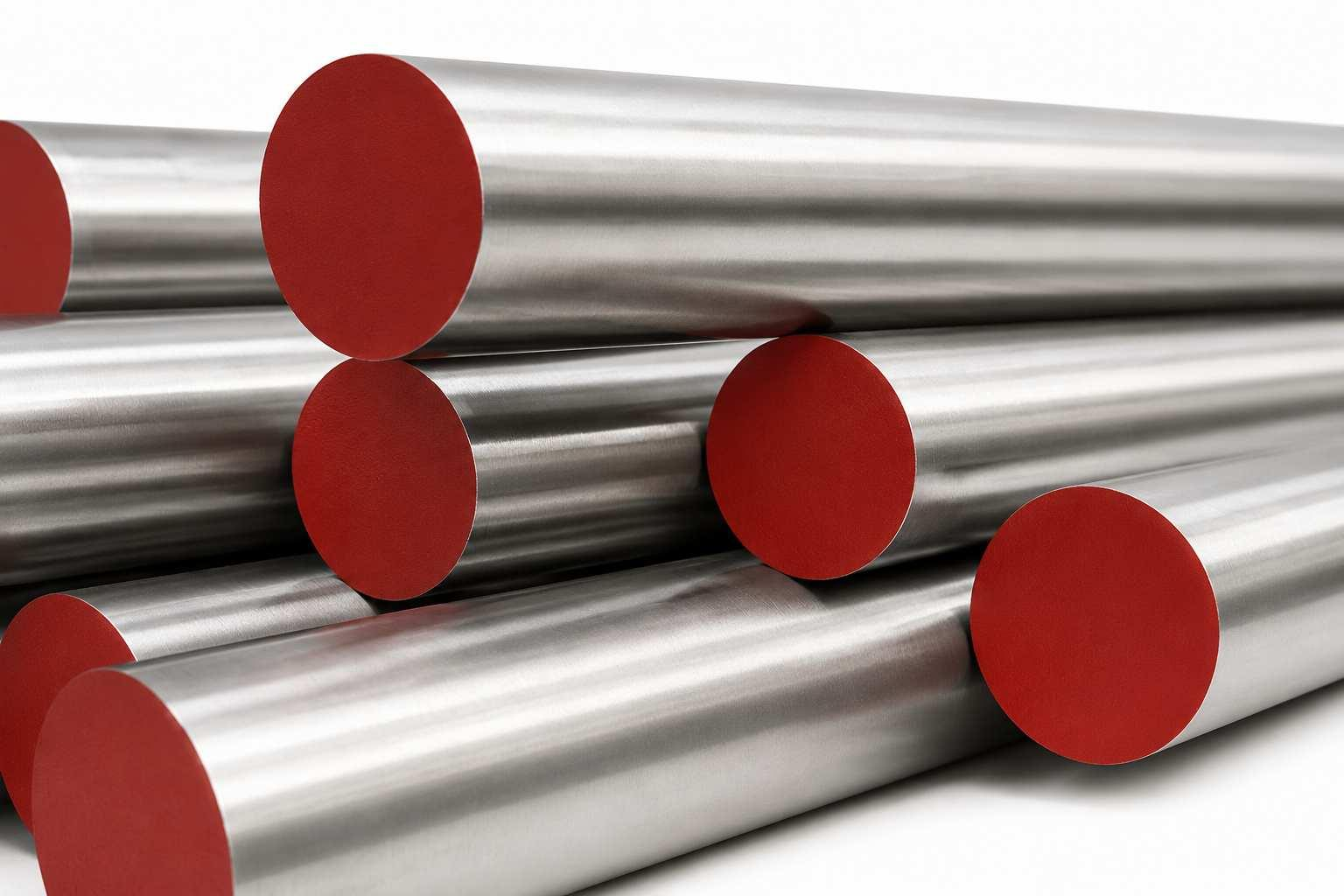
Kovar CNC Machining Processes
Different Kovar components require different machining methods. The manufacturing process is selected according to the part geometry, feature requirements, and engineering drawing.
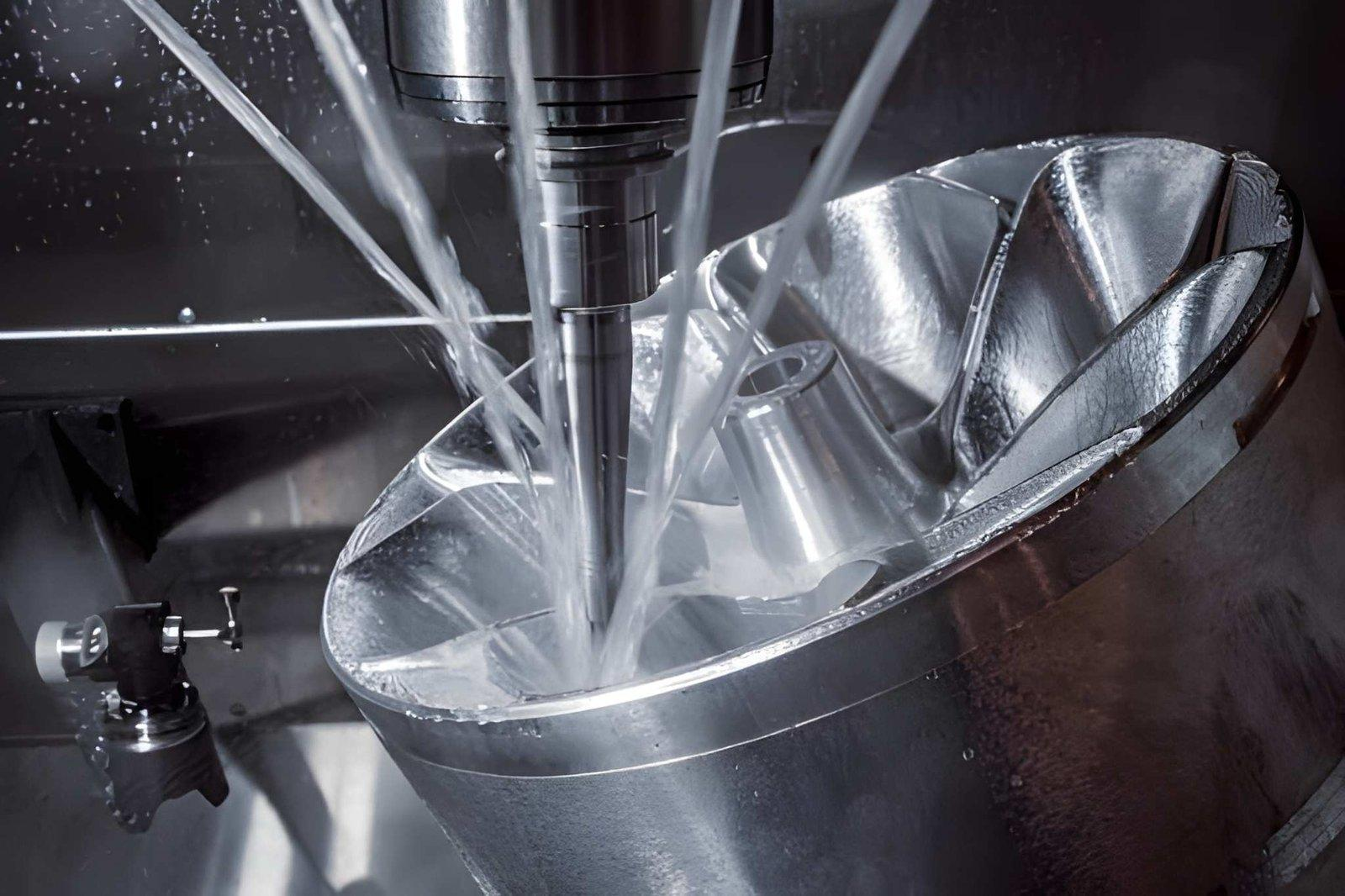
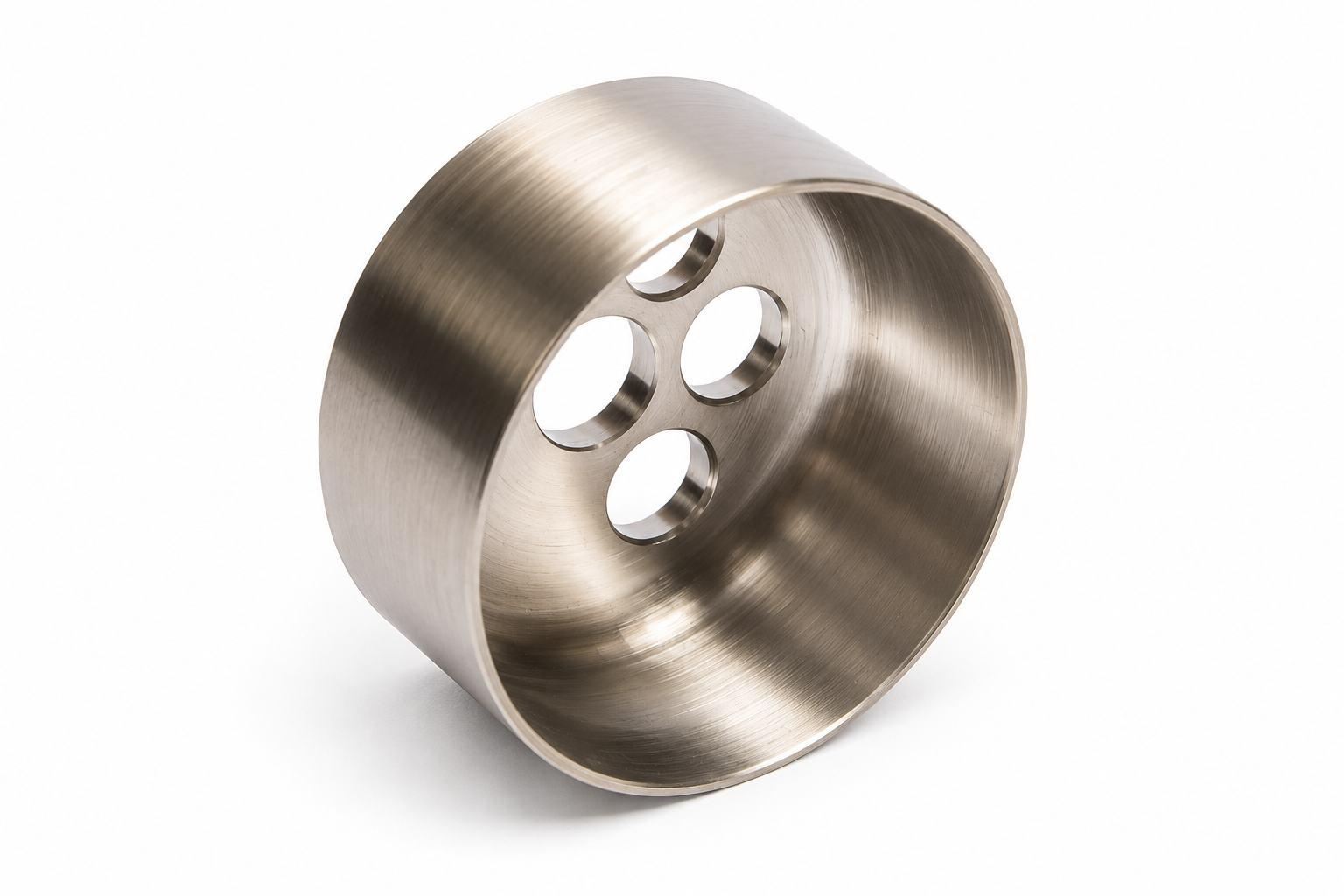
CNC Milling
CNC milling is used to produce flat surfaces, slots, pockets, steps, and external profiles. It is also suitable for components that require features on multiple faces or complex three-dimensional geometry.
CNC Turning
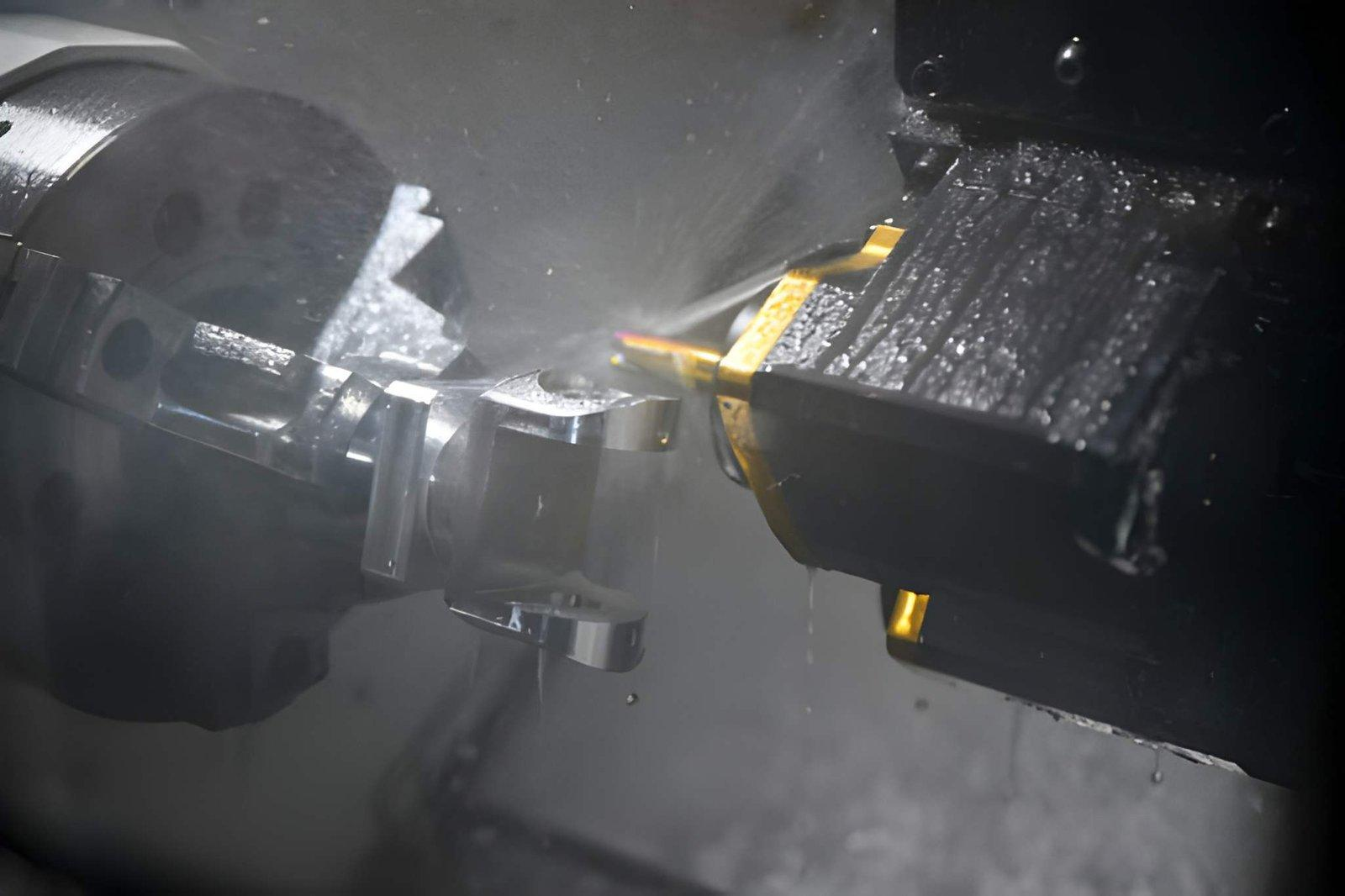
Turning is used for shafts, sleeves, rings, bushings, and other round components. Facing, boring, grooving, and external or internal threading can be completed during the machining process according to the part drawing.
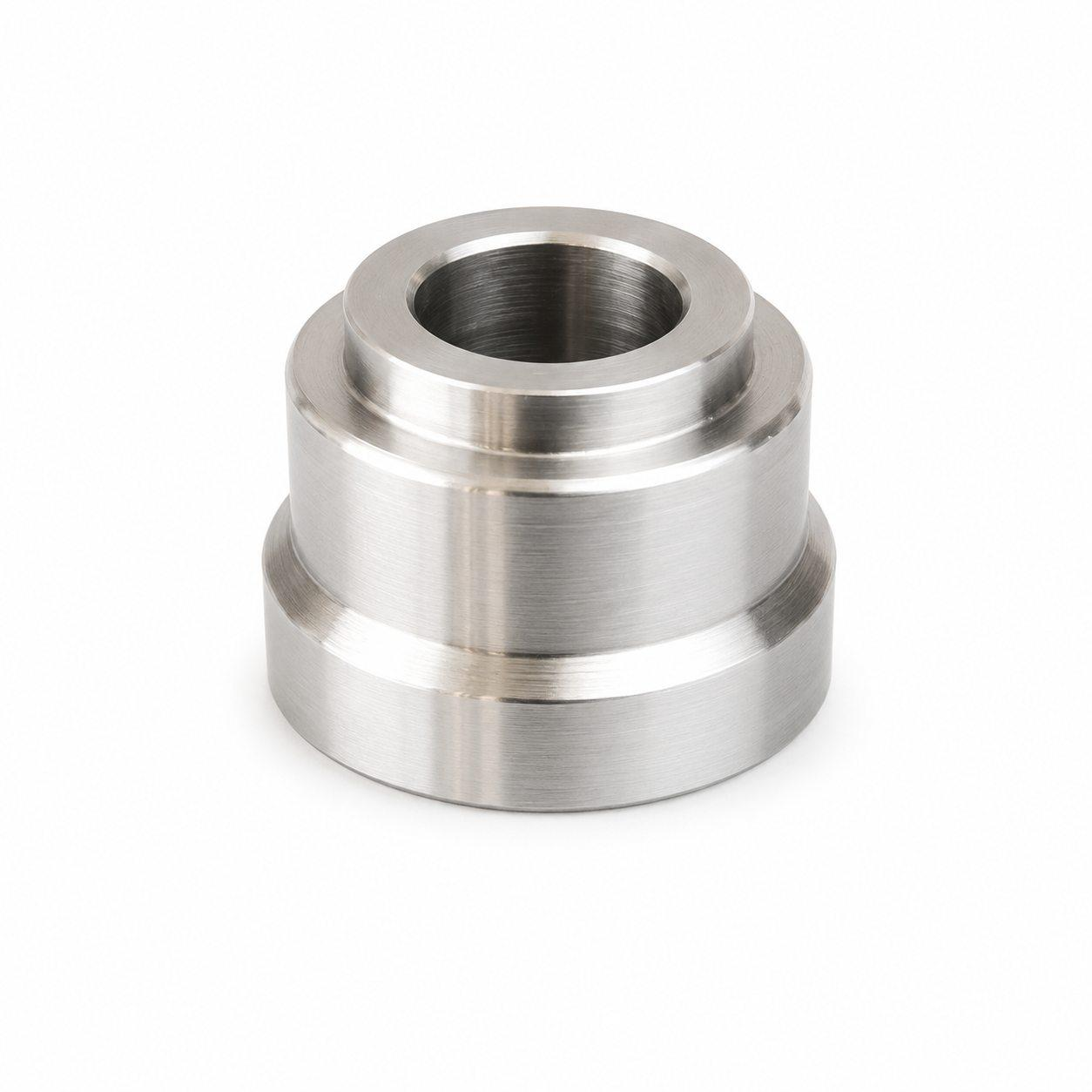
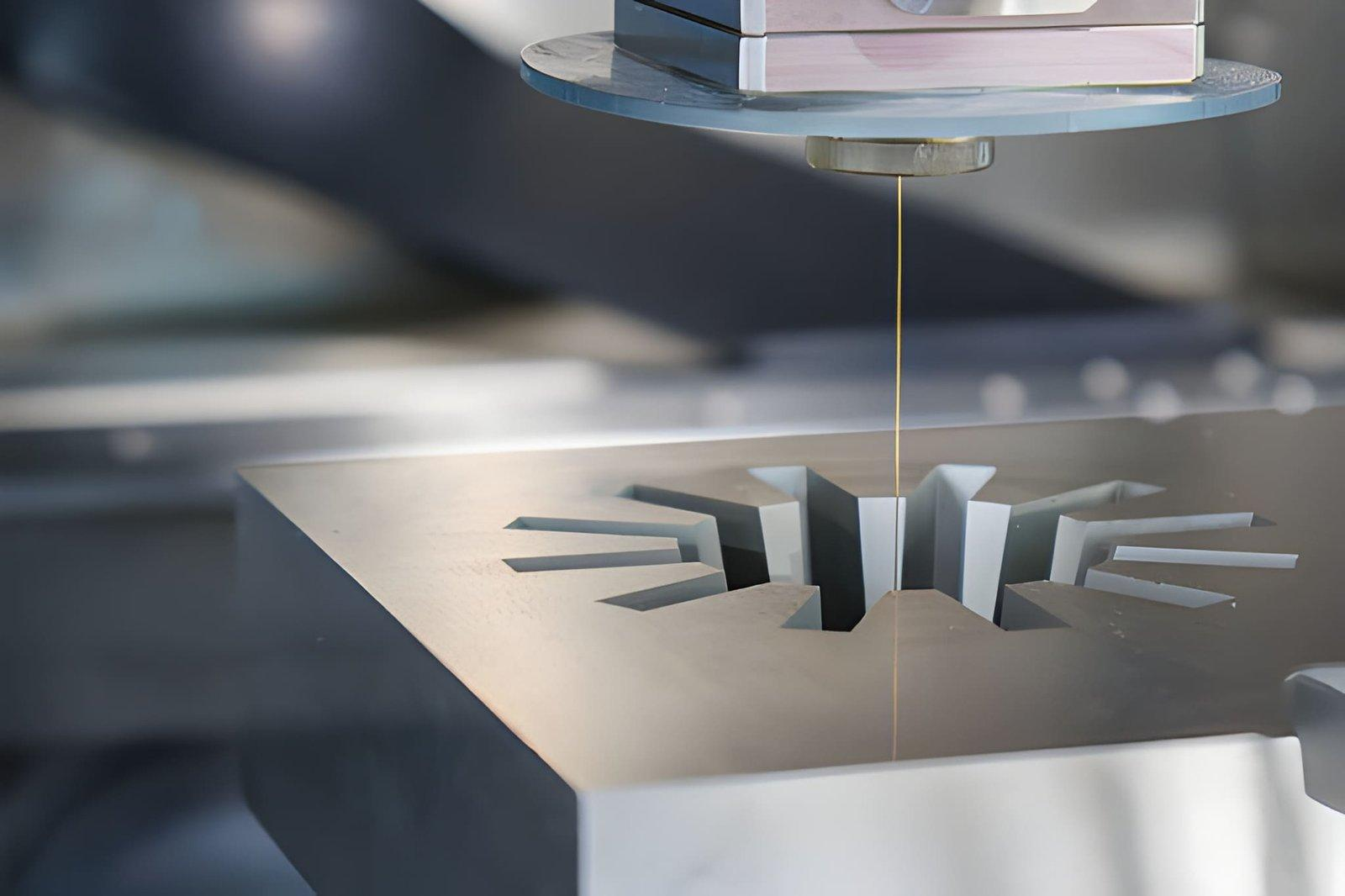
Wire EDM
Wire EDM is suitable for narrow slots, internal profiles, sharp corners, and features that are difficult to machine with conventional cutting tools. Because the material is removed by electrical discharge rather than cutting force, the process is often selected for intricate Kovar components.
Hole Making and Threading
Drilling, reaming, tapping, countersinking, and counterboring are completed according to the dimensions specified on the engineering drawing. These operations prepare the component for fastening and assembly without requiring additional machining.
Machining Process | Application |
CNC Milling | Flats, pockets, slots, contours, and multi-face machining |
CNC Turning | Shafts, rings, bushings, bores, and threads |
Wire EDM | Fine profiles, narrow slots, and internal corners |
Drilling | Through and blind holes |
Reaming | Improved hole size and finish |
Thread Tapping | Internal threads |
Countersinking | Recessed holes for flat-head fasteners |
Counterboring | Flat-bottom recesses for socket-head fasteners |
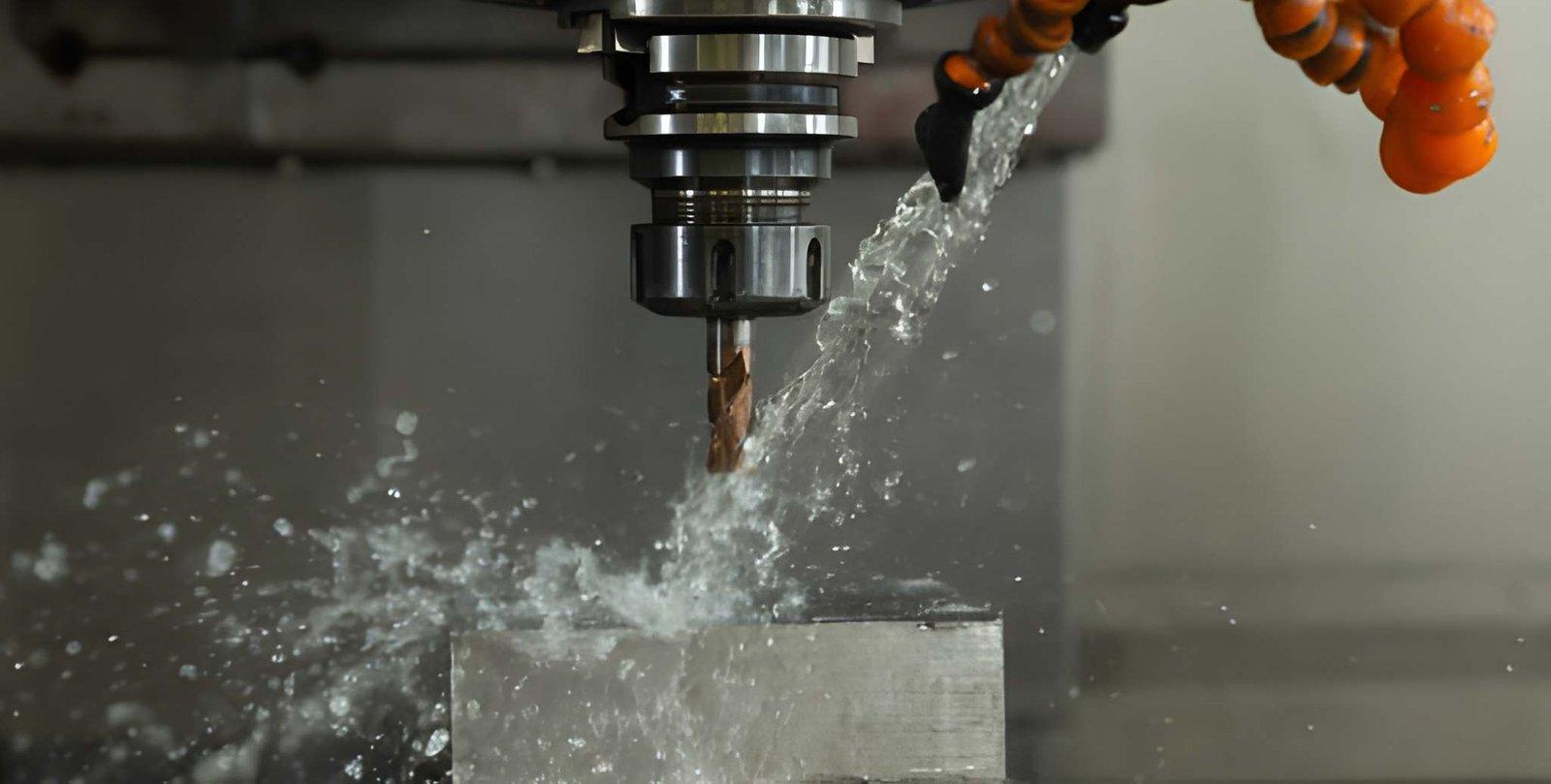
Kovar Alloy Properties
Kovar is an iron-nickel-cobalt alloy manufactured for controlled expansion applications. Its expansion rate remains close to borosilicate glass during heating and cooling, which is why it appears in glass-sealed electronic packages, vacuum assemblies, sensors, and optical equipment. The alloy also maintains good dimensional stability after machining, making it a common material for precision components.
Thermal Expansion Characteristics
Every metal changes dimension as temperature changes. Kovar expands much less than carbon steel and follows an expansion rate that closely matches borosilicate glass over the sealing temperature range. This characteristic reduces stress between glass and metal after sealing and helps maintain the integrity of the joint.
Machining Characteristics
Most Kovar material is supplied in the annealed condition. The alloy machines similarly to austenitic stainless steel and forms long, ductile chips during cutting. Positive feed rates, sharp carbide tools, and continuous coolant flow improve chip control and produce a cleaner surface finish. Light cuts and worn tools increase heat generation and can make machining more difficult.
Heat Treatment
Conventional heat treatment does not increase the hardness of Kovar in the same way as alloy steels. Annealing is generally performed to relieve internal stresses before machining or before subsequent operations such as brazing, plating, or glass sealing. Some finished components also receive a stress-relief cycle after machining if specified on the engineering drawing.
Corrosion Performance
Kovar performs well under normal atmospheric conditions. Components exposed to demanding service environments often receive nickel, gold, silver, or tin plating to improve corrosion resistance, electrical performance, or sealing characteristics, depending on the application.
Typical Material Properties
The values below represent typical properties for ASTM F15 Kovar alloy. Actual values vary slightly between material suppliers and product forms.
Property | Typical Value |
Material Standard | ASTM F15 |
UNS Number | K94610 |
Nominal Composition | Fe-29Ni-17Co |
Density | 8.36 g/cm³ (0.302 lb/in³) |
Tensile Strength | Approximately 517 MPa (75 ksi) |
Elongation | Approximately 30% |
Hardness | Rockwell B80 (Annealed) |
Thermal Expansion | Closely matched to borosilicate glass over the sealing temperature range |
Kovar Machining Considerations
Kovar does not present major machining difficulties, but it responds better to stable cutting conditions than aggressive machining. The material is ductile, so chip control becomes one of the main concerns during milling and turning. Tool condition also has a noticeable effect on surface finish and dimensional consistency.
Tool Condition
A sharp cutting edge produces cleaner cuts and better chip formation. As the tool wears, cutting forces increase, and the material begins to smear instead of cutting cleanly. Regular tool changes help maintain consistent machining results, especially during longer production runs.
Chip Formation
Kovar often produces long, string-like chips, particularly during turning operations. If the chips are not broken and removed, they can wrap around the cutter or workpiece and mark the finished surface. Chip breakers and suitable feed rates keep the cutting area clear.
Feed Rate and Cutting Speed
Very light feed rates can cause the tool to rub against the material rather than remove it. This increases heat around the cutting edge and leaves a harder surface for the following pass. A steady feed and stable spindle speed generally produce cleaner machining conditions.
Coolant Application
Coolant does more than reduce temperature. It also carries chips away from the cutting area before they are recut by the tool. Continuous coolant flow is normally preferred during drilling, milling, and threading because it improves chip evacuation and keeps the cutting edge clean.
Stress Relief
Some Kovar components receive a stress-relief cycle after machining, particularly if they will be brazed or glass sealed later. This step reduces residual machining stresses before the next manufacturing operation.
Surface Finishing for Kovar Components
Surface finishing is normally selected according to the next manufacturing step. Some components require plating before brazing or sealing, while others only need a clean machined surface for assembly. The finishing process should always match the functional requirement of the part rather than the appearance alone
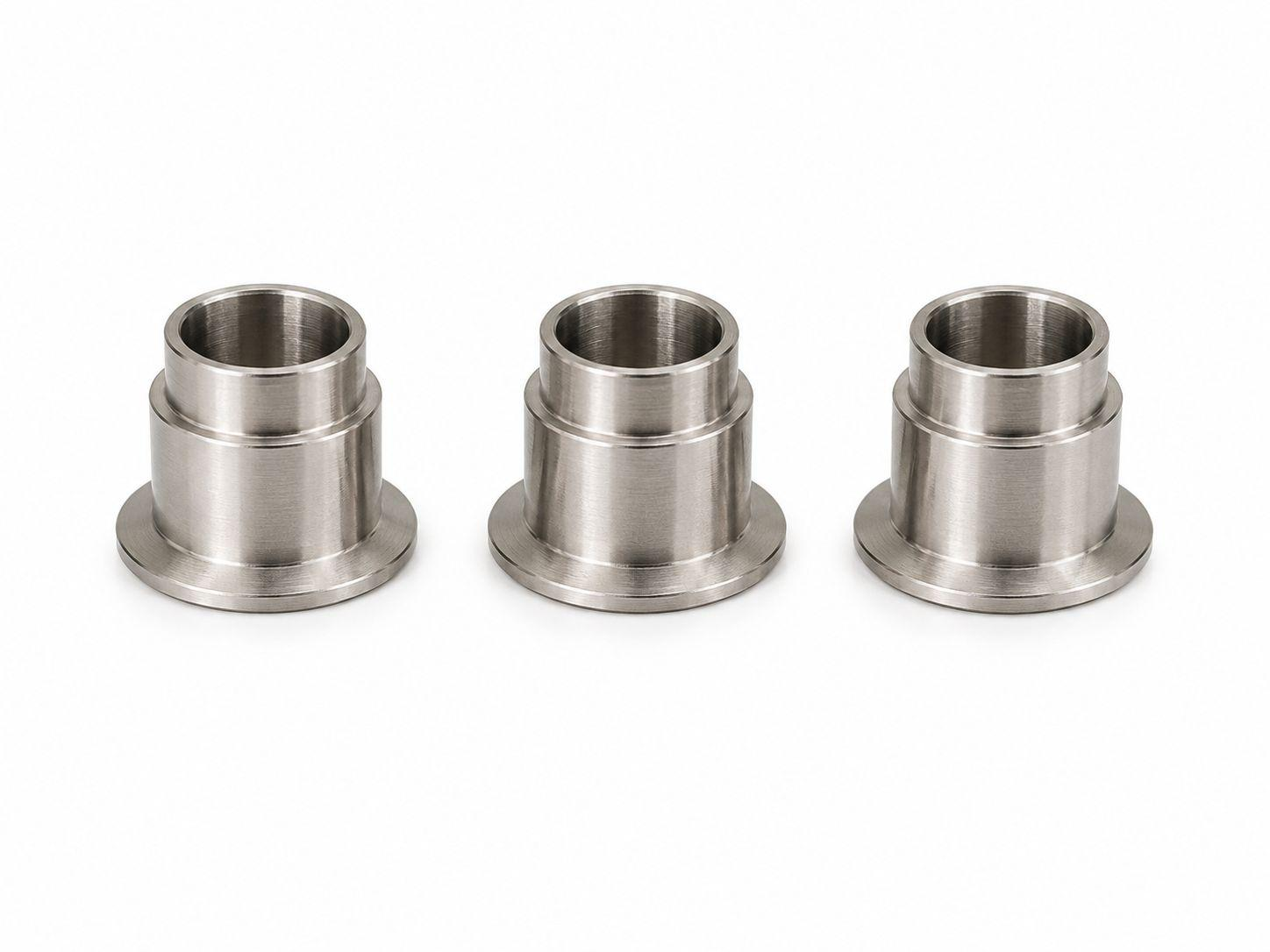
Surface Finishing for Kovar Components
Surface finishing is normally selected according to the next manufacturing step. Some components require plating before brazing or sealing, while others only need a clean machined surface for assembly. The finishing process should always match the functional requirement of the part rather than the appearance alone.
| Surface Finish | Typical Purpose |
| Bead Blasting | Produces a uniform matte surface and removes light machining marks. |
| Mechanical Polishing | Lowers surface roughness on visible or precision surfaces. |
| Electropolishing | Cleans and smooths the surface after machining. |
| Nickel Plating | Improves corrosion resistance and prepares parts for subsequent processes. |
| Gold Plating | Commonly specified for electronic contacts and hermetic packages. |
| Silver Plating | Used for conductive electrical components and assemblies. |
| Tin Plating | Provides a solderable surface for electronic applications. |
| Black Oxide | Produces a dark surface finish for selected industrial components. |
Surface finishes are applied according to part drawings and application requirements.
Common Applications of Machined Kovar Parts
Kovar is selected for components that must maintain dimensional stability during temperature changes or require glass-to-metal sealing. It is commonly machined into custom parts rather than standard hardware because each application has different dimensional and assembly requirements.
Typical Kovar components include:
- Electronic housings
- Hermetic sealing packages
- Sensor housings
- Semiconductor fixtures
- Optical mounts
- Vacuum chamber components
- Microwave packages
- Lead frames
- Precision instrument components
- Aerospace electronic assemblies
Industries That Use Kovar Components
Kovar is used across industries that manufacture precision assemblies, electronic packages, and temperature-sensitive equipment.
Industry | Typical Components |
Electronics | Hermetic packages, lead frames, connectors |
Semiconductor | Inspection fixtures, package components, tooling |
Aerospace | Sensor housings, electronic assemblies, precision brackets |
Medical | Imaging equipment, diagnostic assemblies |
Optical | Lens mounts, mirror holders, optical frames |
Scientific Instruments | Vacuum components, laboratory equipment |
Why Choose Sochain Precision for Kovar Machining?
Every Kovar component begins with the customer's drawing. Before production starts, our engineers review the material specification, part geometry, tolerances, and machining features to develop an appropriate manufacturing plan.
Our CNC machining services support prototypes, low-volume production, and repeat manufacturing for custom Kovar components. Depending on the design, we can produce milled features, turned profiles, threaded holes, precision drilling, and secondary machining operations within a single production workflow.
If your project includes special surface treatments, critical dimensions, or assembly requirements, these details are reviewed during quotation so the machining process matches the engineering specification from the beginning.
Send your CAD model or technical drawing to Sochain Precision for a detailed quotation based on your material, quantity, machining requirements, and delivery schedule.
FAQs
Our standard machining service supports Kovar alloy specified for precision engineering applications, including ASTM F15 material. If your project requires another controlled-expansion grade or customer-supplied material, our engineering team can review the specification during quotation.
Kovar behaves similarly to austenitic stainless steels during machining. It is ductile and can produce long, continuous chips, while the material also work hardens if cutting conditions are not maintained. Stable feeds, sharp carbide tooling, and proper coolant application produce better machining results and surface quality.
We manufacture custom Kovar components using CNC milling, CNC turning, drilling, tapping, threading, and other secondary machining operations according to customer drawings. The machining process is selected based on the geometry, tolerance requirements, and production quantity of each part.
Many Kovar components require additional finishing before assembly or sealing. Depending on the application, available finishes may include bead blasting, mechanical polishing, nickel plating, gold plating, silver plating, tin plating, and other specified surface treatments.
Kovar is widely specified for electronic packaging, semiconductor equipment, aerospace assemblies, optical instruments, scientific equipment, and medical devices. The alloy is selected for applications that require controlled thermal expansion and stable dimensions during temperature changes.
We support prototype development, low-volume production, and scheduled manufacturing runs. Every project is reviewed against the supplied drawings so machining methods, inspection requirements, and delivery schedules match the part specification.
Including the material grade, part quantity, CAD files, engineering drawings, dimensional tolerances, surface finish requirements, and any special inspection or certification requirements allows us to prepare a more accurate quotation and manufacturing plan.
Start Manufacturing Your Custom Parts Now!
Understanding Your Goals, Delivering Your Solutions – We’re Committed to Making CNC Machining Simple and Stress-Free!