 (+035) 527-1710-70
 NEWSLETTER
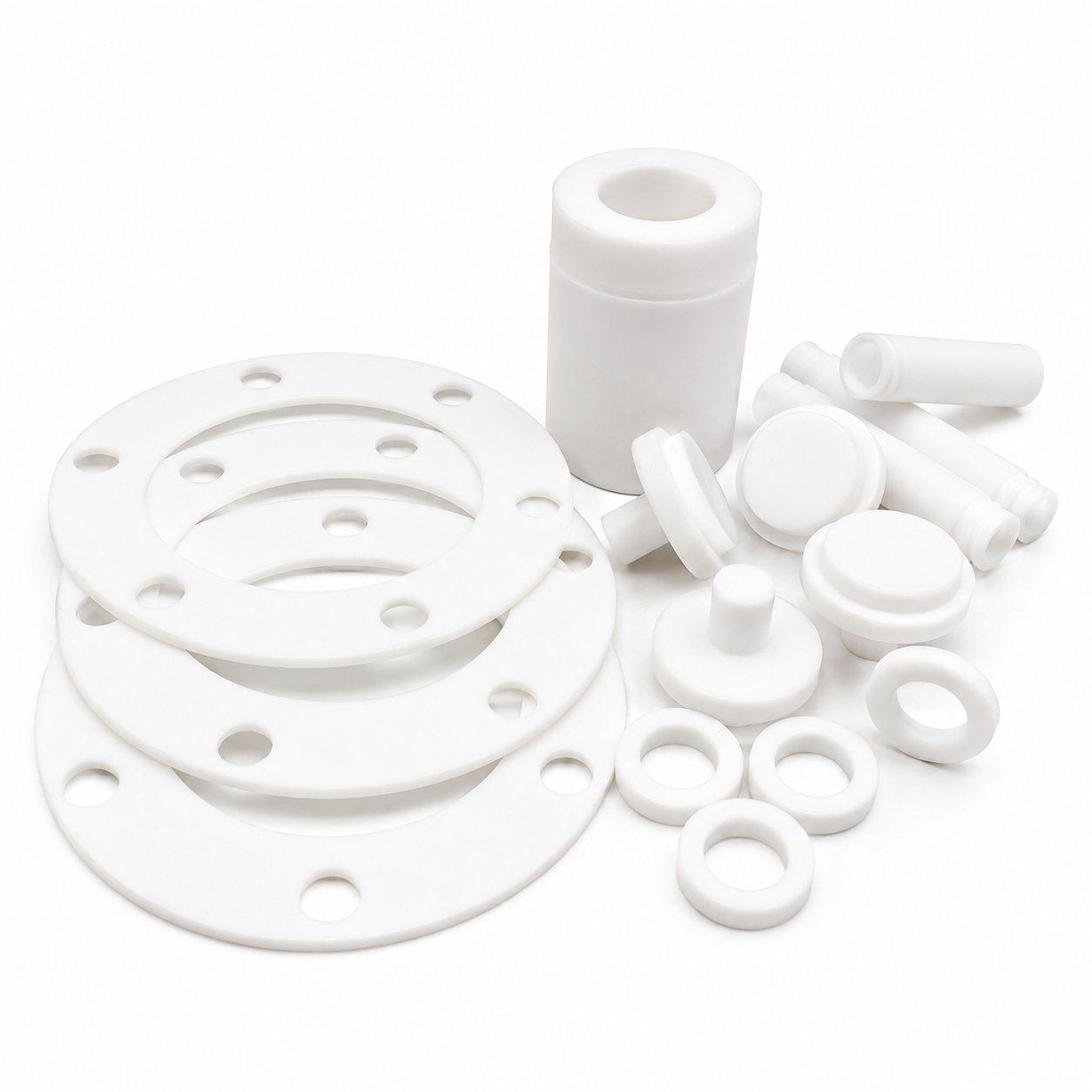
PTFE (Teflon) Machining
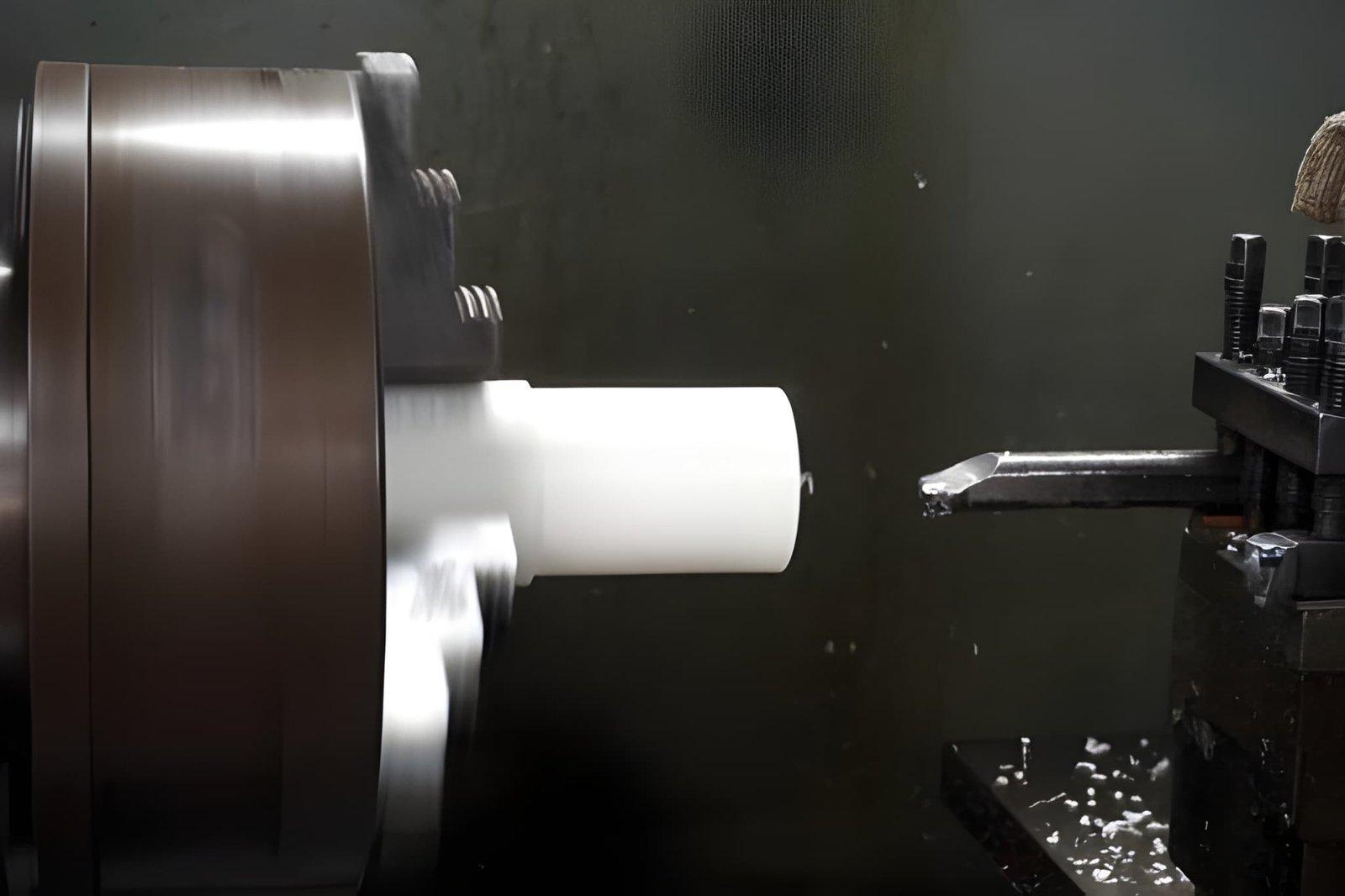
PTFE (Polytetrafluoroethylene), commonly known as Teflon®, is widely used for components exposed to chemicals, moisture, heat, and sliding contact.
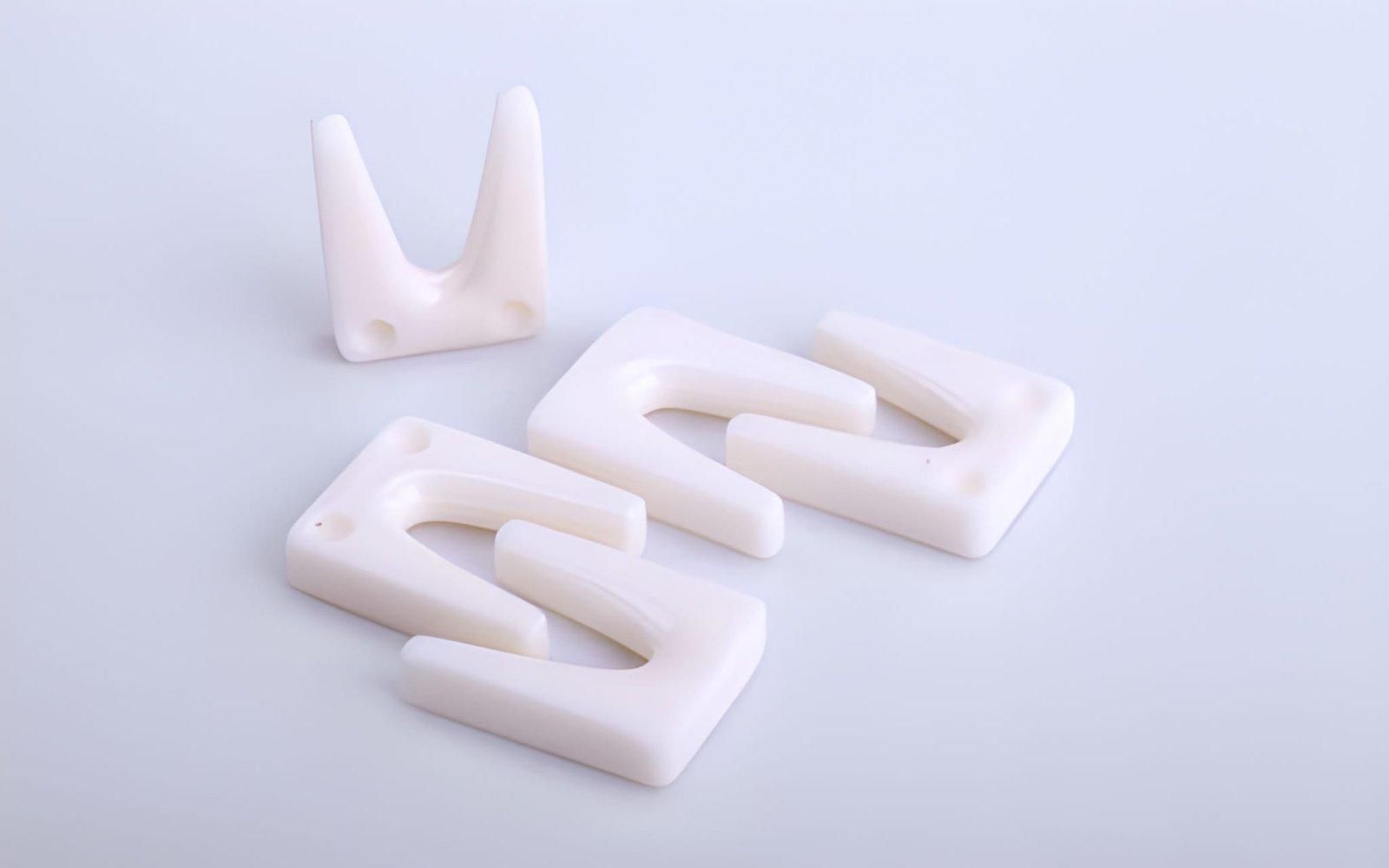
At Sochain Precision, we machine custom PTFE parts from customer drawings for prototype, low-volume, and production requirements. Our CNC machining process supports complex profiles, precision holes, grooves, pockets, and other machined features while maintaining consistent dimensional quality.
We manufacture PTFE components for applications in chemical processing, semiconductor equipment, food processing, medical devices, electrical insulation, and general industrial assemblies.
Rapid prototyping and full-scale production
ISO accredited & QC checks
All in-house processes
Used in over 50 countries
FREE Instant quotations
PTFE Part Size & Manufacturing Capacity
The table below summarizes our standard manufacturing capacity for custom PTFE components.
Feature | Capability |
Minimum Part Size | 1 × 2 in (25.4 × 50.8 mm) |
Standard Maximum Part Size | 44 × 44 in (1118 × 1118 mm) |
Maximum Custom Part Size | Up to 46 × 46 in (1168 × 1168 mm), subject to project review |
Available PTFE Material Grades & Forms
We machine several PTFE material options to suit different operating conditions and application requirements.
| Specification | Available Options |
| Material | Virgin PTFE |
| Filled Grades* | Glass Filled PTFE, Carbon Filled PTFE, Bronze Filled PTFE (upon request) |
| Standard Colors | White |
| Available Forms | Sheet, Rod, Tube |
Material availability may vary depending on project requirements.
Precision & Machining Tolerances
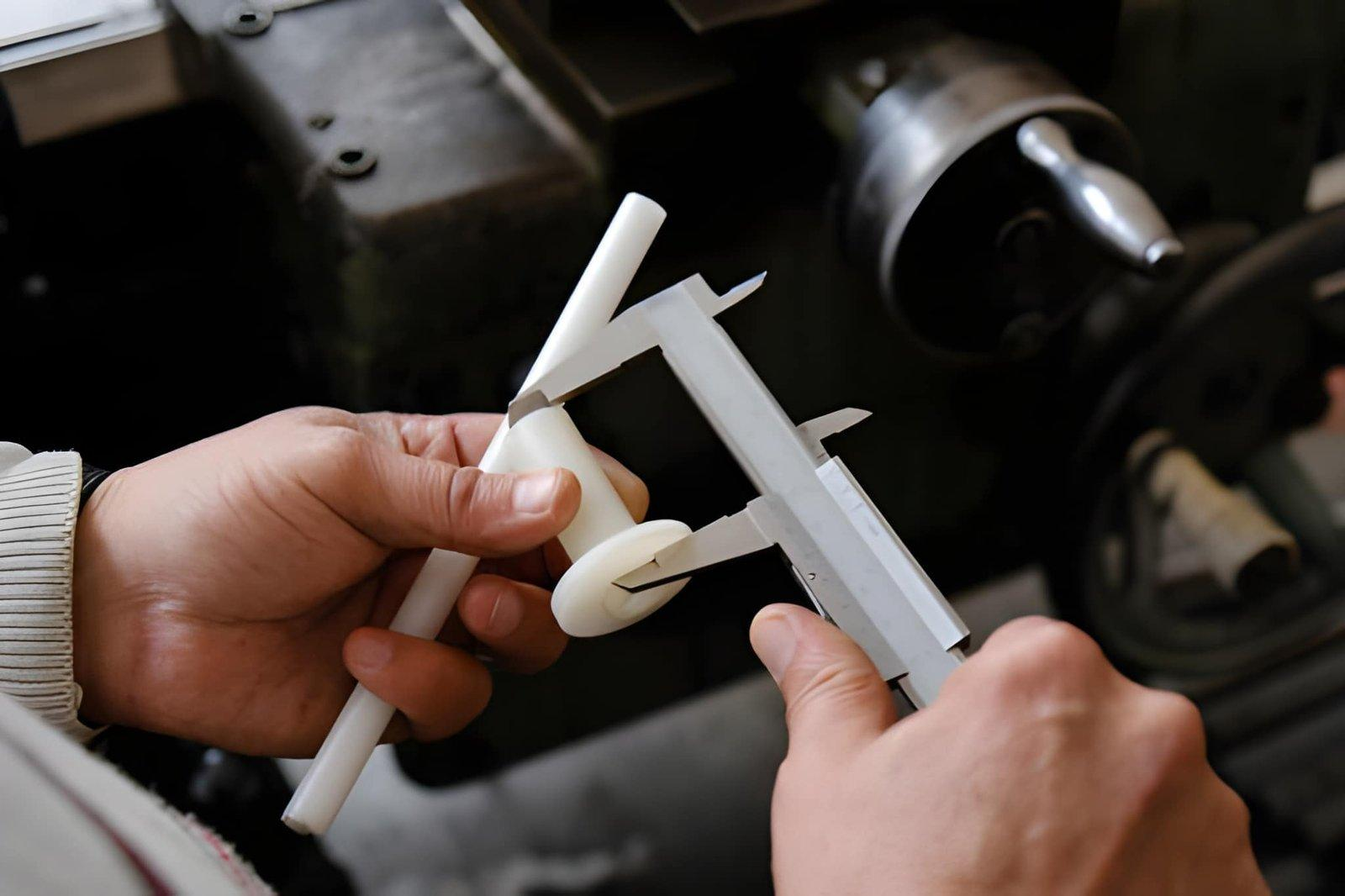
Standard machining tolerances are listed below. Final tolerances depend on part geometry, feature size, and material stability.
Specification | Capability |
Standard Machining Tolerance | Up to ±0.005 in (±0.127 mm), depending on part geometry and material grade |
Secondary Machining Operations
The following secondary machining services are available for custom PTFE components.
Service | Description |
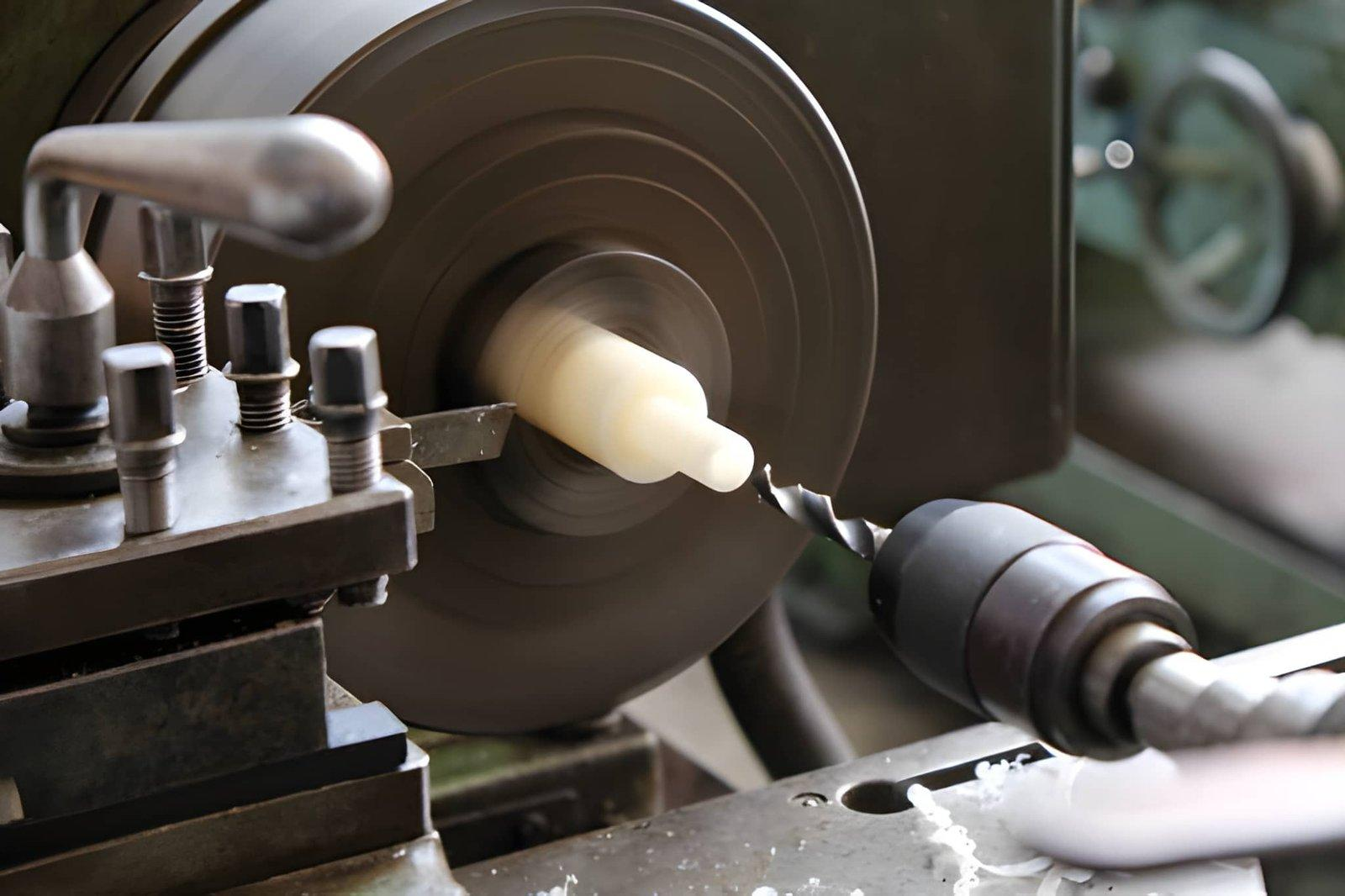
Drilling | Precision holes produced according to engineering drawings. |
Thread Tapping | Internal threads machined to specified thread standards. |
Countersinking | Recessed holes for flush-mounted fasteners. |
Chamfering | Removes sharp edges and simplifies assembly. |
Engraving | Part numbers, identification marks, or simple text engraving. |
Standard Production Time
Typical production times for standard PTFE machining projects are shown below.
| Order Type | Typical Lead Time |
| Prototype Orders | 3 to 5 Business Days |
| Standard Production | 5 to 10 Business Days |
PTFE Material & Machining Specifications
The following comparison outlines our standard PTFE machining capabilities and available material options.
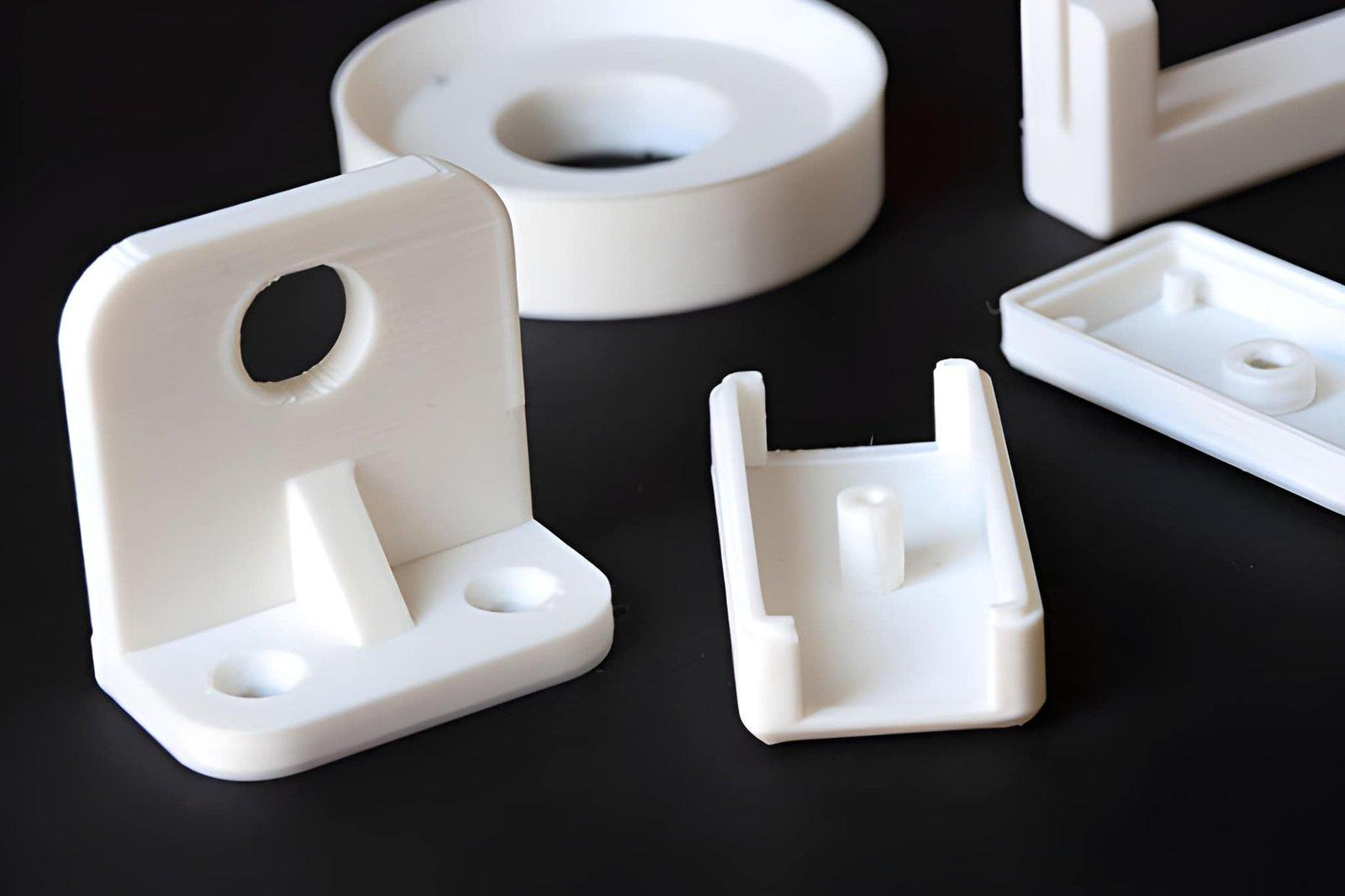
Specification | Virgin PTFE | Glass Filled PTFE | Carbon Filled PTFE |
Material Type | Virgin PTFE | Glass Filled PTFE | Carbon Filled PTFE |
Standard Color | White | Off White | Black |
Manufacturing Process | CNC Milling, CNC Turning | CNC Milling, CNC Turning | CNC Milling, CNC Turning |
Drilling | Supported | Supported | Supported |
Thread Tapping | Supported | Supported | Supported |
Standard Tolerance | Up to ±0.005 in (±0.127 mm) | Up to ±0.005 in (±0.127 mm) | Up to ±0.005 in (±0.127 mm) |
Typical Applications | Seals, insulators, valve seats | Structural wear parts | Bearings, sliding components |
Prototype Orders | Supported | Supported | Supported |
Production Runs | Supported | Supported | Supported |
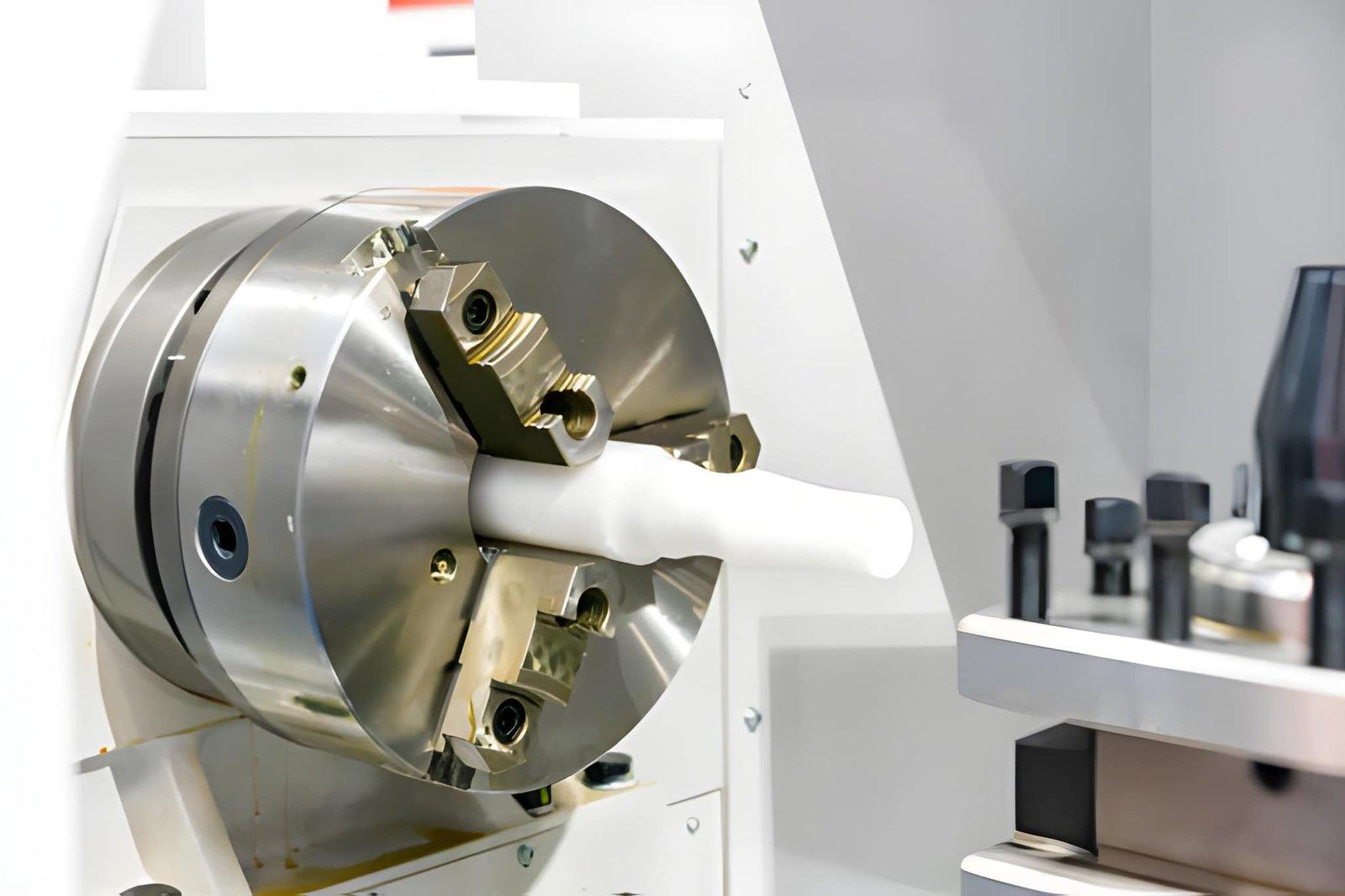
Supported CNC Machining Operations
Our CNC machining services cover the most common manufacturing operations required for PTFE components.
Service | Description |
CNC Milling | Produces flat surfaces, pockets, slots, grooves, and complex external profiles. |
CNC Turning | Machines round components, bushings, rings, sleeves, and spacers. |
Drilling | Produces through holes and blind holes based on drawing specifications. |
Thread Tapping | Machines internal threads for assembly requirements. |
Chamfering | Improves edge quality and removes sharp corners after machining. |
PTFE Material Overview
PTFE is a fluoropolymer developed for applications exposed to aggressive chemicals, elevated temperatures, and continuous sliding contact. Unlike many engineering plastics, PTFE absorbs very little moisture and remains chemically stable in environments that would quickly affect conventional plastics.
Another characteristic of PTFE is its naturally low coefficient of friction. Parts can slide against mating surfaces with minimal resistance, making the material suitable for bearings, guide strips, seals, valve seats, and other moving components.
From a machining perspective, PTFE behaves differently from rigid engineering plastics. The material is comparatively soft and flexible, so cutting parameters, workholding methods, and tool sharpness all influence dimensional accuracy. Proper support during machining helps reduce movement while producing cleaner surfaces and more consistent features.
Virgin PTFE is commonly selected for electrical insulation, food-contact equipment, and chemically resistant components. Filled PTFE grades are also available when improved wear characteristics, stiffness, or dimensional stability are required.
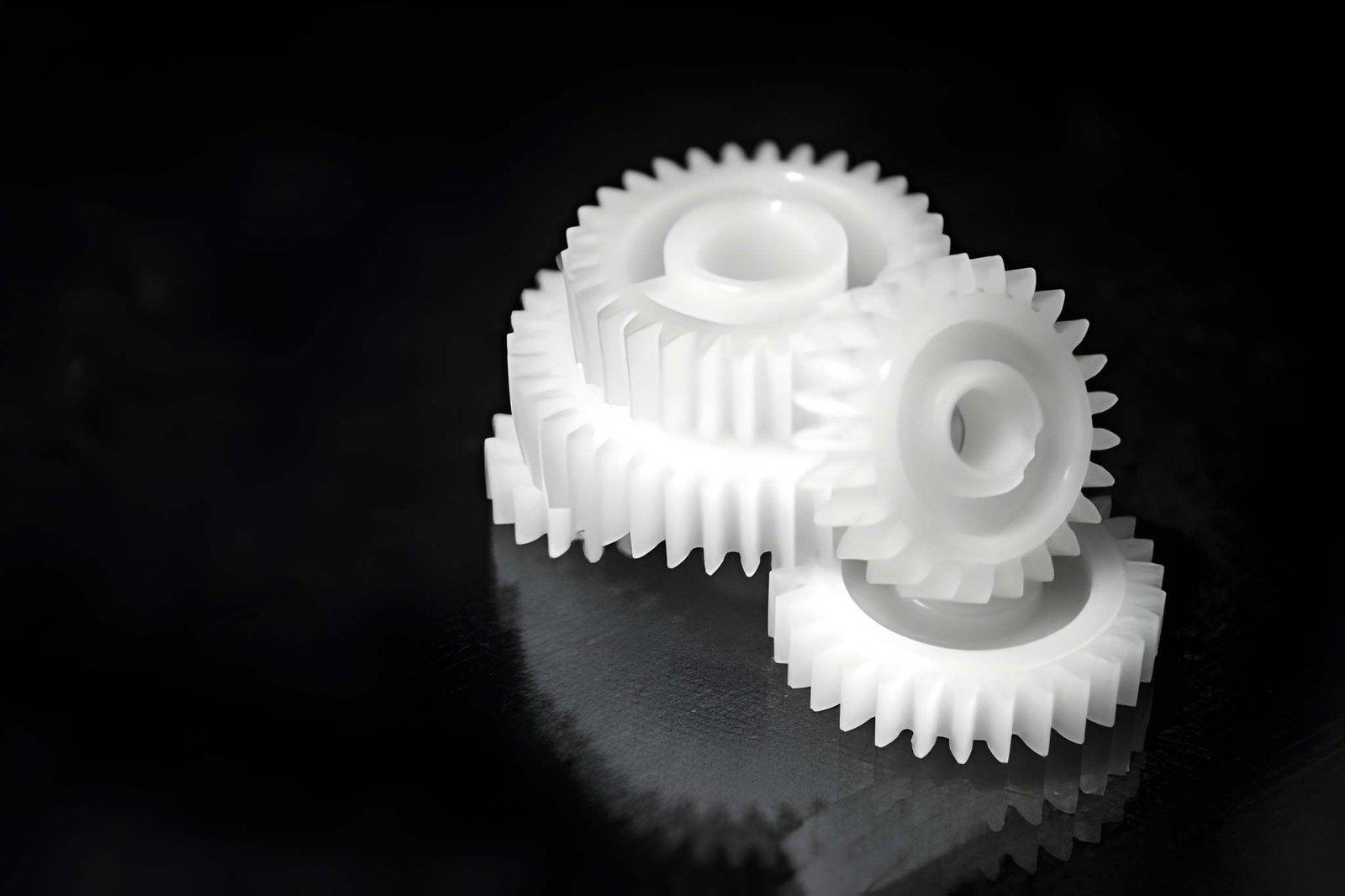
PTFE Material Benefits
The table below summarizes the properties that make PTFE a widely specified material for precision machined components.
Property | How It Helps |
Chemical Resistance | Withstands exposure to many acids, solvents, fuels, and industrial chemicals. |
Low Friction | Reduces sliding resistance between mating components. |
Wide Operating Temperature Range | Maintains performance across both low and high operating temperatures. |
Electrical Insulation | Suitable for insulating components used in electrical assemblies. |
Moisture Resistance | Absorbs very little water, helping maintain dimensional stability in wet environments. |
Food-Grade Availability | Virgin PTFE grades are available for food processing equipment. |
Weather Resistance | Suitable for outdoor applications exposed to moisture and UV light. |
Easy to Clean | The non-stick surface allows contaminants to be removed more easily than many plastics. |
Typical Applications of PTFE
PTFE is used for components that require low friction, chemical resistance, or electrical insulation. The material is frequently selected for parts that operate in aggressive environments or require long service life with minimal maintenance.
Common PTFE machined components include:
- Bushings
- Bearings
- Wear pads
- Valve seats
- Valve seals
- Pump components
- Gaskets
- Washers
- Electrical insulators
- Spacer rings
- Guide rails
- Laboratory fixtures
- Food processing components
- Semiconductor fixtures
- Chemical handling components
- Custom industrial plastic parts
Design Considerations for PTFE CNC Machining
PTFE machines differently from rigid engineering plastics. Its flexibility and low stiffness require careful machining methods to maintain dimensional consistency throughout the manufacturing process.
Material Deflection During Machining
PTFE can deform slightly under machining pressure because the material is relatively soft. Proper workholding and suitable cutting parameters help reduce movement while maintaining dimensional accuracy.
Sharp Cutting Tools Produce Better Results
Sharp tools produce cleaner cuts and reduce material dragging along machined edges. Dull cutting edges can increase burr formation and affect the surface finish of the finished component.
Large Flat Sections Require Additional Support
Large unsupported areas may flex during machining. Additional support beneath the workpiece helps maintain flatness while reducing vibration throughout the machining process.
Burr Removal Improves Finished Parts
PTFE may produce light burrs around holes and machined edges. Deburring after machining improves edge quality and prepares the part for assembly without affecting the specified dimensions.
Material Expansion Should Be Considered
PTFE expands more than many engineering plastics and metals when temperatures change. Components used in assemblies with different materials should include appropriate design allowances based on the operating environment.
Surface Finish Options
The following finishing services are available to improve the appearance and usability of machined PTFE components.
| Surface Finish | Description |
| As Machined | Standard machined finish produced directly from CNC machining. |
| Deburring | Removes burrs and sharp edges after machining. |
| Edge Chamfering | Produces smooth edge transitions for improved handling and assembly. |
| Polishing | Improves surface smoothness for selected functional applications. |
Industries We Serve with PTFE Machining
PTFE is used across many industries because it combines chemical resistance, electrical insulation, and low-friction performance in a single material. We manufacture custom PTFE components according to customer drawings for a wide range of industrial applications.
Chemical Processing
PTFE is widely used for seals, valve components, pump parts, and chemical handling equipment exposed to corrosive media.
Food Processing
Virgin PTFE is commonly specified for guide rails, wear strips, spacers, and processing equipment that requires food-contact compliant materials.
Semiconductor Equipment
PTFE components are used in chemical delivery systems, handling fixtures, and insulating parts exposed to aggressive process chemicals.
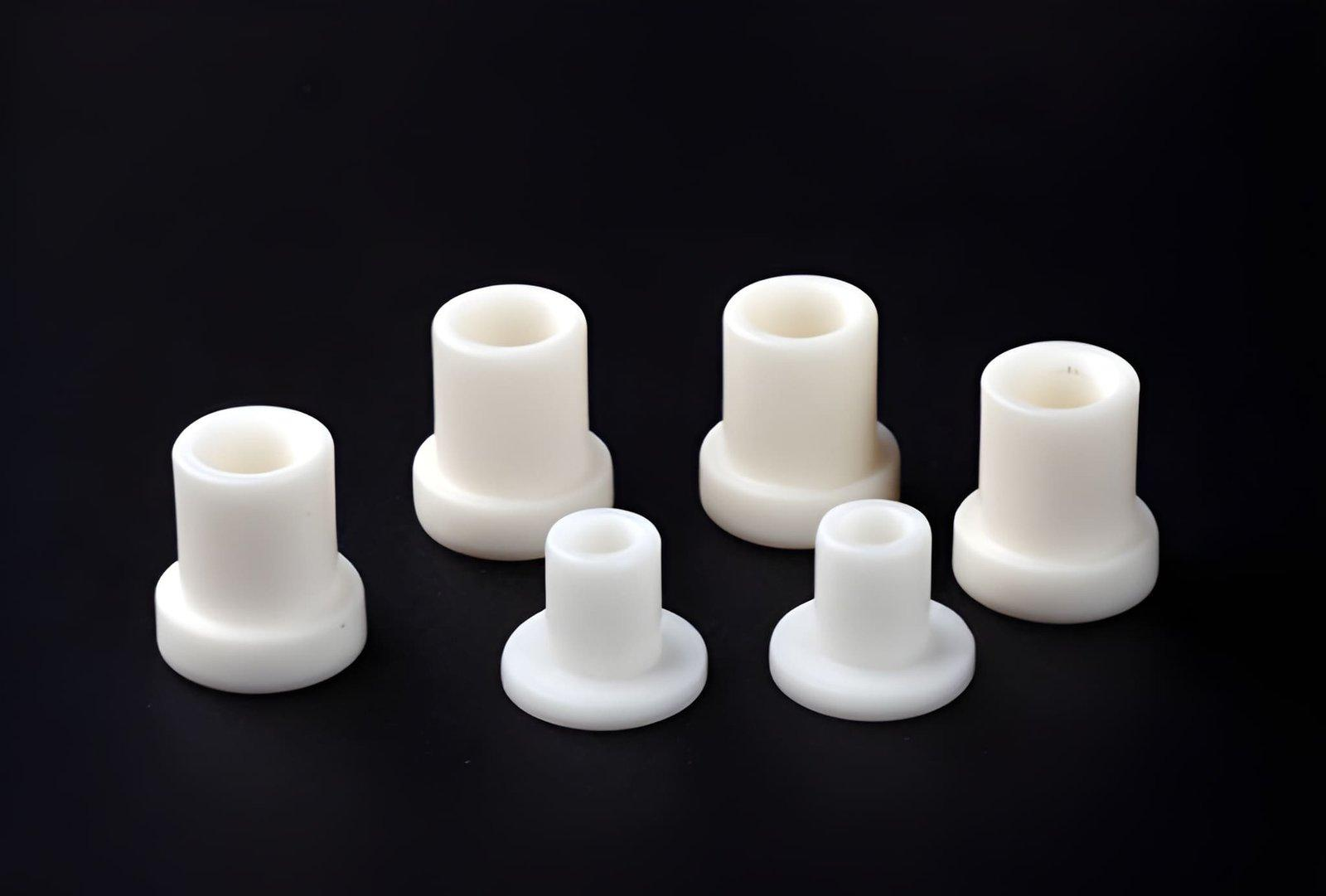
Medical Equipment
The material is used for selected non-load-bearing components that require chemical resistance, sterilization compatibility, and electrical insulation.
Electrical and Electronics
PTFE provides excellent dielectric properties for insulating bushings, spacers, connectors, and electrical assemblies.
Industrial Machinery
Guide strips, bearings, wear pads, bushings, and sliding components benefit from PTFE's naturally low friction and resistance to industrial chemicals.
Why Choose Sochain Precision for PTFE CNC Machining?
At Sochain Precision, we manufacture custom PTFE components according to your drawings, dimensional requirements, and production quantities. Every machining project is reviewed before manufacturing to confirm material selection, machining feasibility, and inspection requirements.
Our CNC machining capabilities support both simple and complex PTFE components with features such as drilled holes, precision profiles, pockets, grooves, threaded holes, and turned geometries. Prototype orders, low-volume production, and scheduled manufacturing are all supported according to project requirements.
Before shipment, each part is inspected against the approved drawing to verify dimensions and machining quality. This process helps deliver components that are ready for assembly without additional modification.
Frequently Asked Questions
We primarily machine Virgin PTFE for applications requiring chemical resistance, electrical insulation, and low friction. Glass-filled, carbon-filled, and other filled PTFE grades are also available depending on the performance requirements of your project.
We machine a wide variety of custom PTFE parts, including bushings, bearings, seals, valve seats, spacers, guide rails, washers, insulating components, pump parts, laboratory fixtures, and other precision plastic components manufactured from customer drawings.
Standard PTFE components can typically be machined to ±0.005 in (±0.127 mm). The final tolerance depends on part size, geometry, wall thickness, material grade, and overall machining requirements.
Internal threads, drilled holes, countersinks, and chamfers can all be machined according to your engineering drawings. Thread size, depth, and other features are produced based on the specified design requirements.
PTFE offers excellent resistance to many acids, solvents, fuels, and industrial chemicals, making it a common material for pumps, valves, seals, and fluid handling equipment used in chemical processing applications.
PTFE provides excellent electrical insulation and maintains stable dielectric properties over a wide temperature range. It is commonly used for insulating bushings, connectors, spacers, and electronic components.
We accept most standard CAD and drawing formats, including STEP, IGES, DXF, DWG, PDF, and other commonly used engineering files. Supplying both a 3D model and technical drawing allows us to review the project more efficiently.
Our PTFE machining services support single prototypes, low-volume manufacturing, and production quantities. The manufacturing approach is planned according to your drawing, quantity, inspection requirements, and delivery schedule.
Request a Quote for Custom PTFE Machined Parts
At Sochain Precision, we manufacture custom PTFE components for prototype and production requirements across a wide range of industrial applications. From simple spacers and bushings to precision-machined parts with complex features, every project is produced according to your engineering drawings and quality requirements.
Send us your CAD model or technical drawing, and our engineering team will review your design, material requirements, quantity, and delivery schedule before preparing a detailed quotation.
Start Manufacturing Your Custom Parts Now!
Understanding Your Goals, Delivering Your Solutions – We’re Committed to Making CNC Machining Simple and Stress-Free!