 (+035) 527-1710-70
 NEWSLETTER
PVC CNC Machining Services
At Sochain Precision, we manufacture custom PVC parts through precision CNC machining for prototype and production requirements. Our machining capabilities support a wide range of industrial components, from simple flat parts to complex machined profiles with drilled holes, slots, pockets, and threaded features.
Rapid prototyping and full-scale production
ISO accredited & QC checks
All in-house processes
Used in over 50 countries
FREE Instant quotations
PVC machines cleanly and maintains good dimensional stability during CNC machining. It is commonly selected for electrical insulation parts, chemical handling equipment, machine guards, pipe system components, and industrial fixtures because it resists moisture and many industrial chemicals while remaining lightweight and easy to fabricate.
Every project begins with a review of your CAD model or technical drawing. We verify the material, machining requirements, tolerances, and critical features before production starts, allowing us to manufacture parts that match your design specifications.
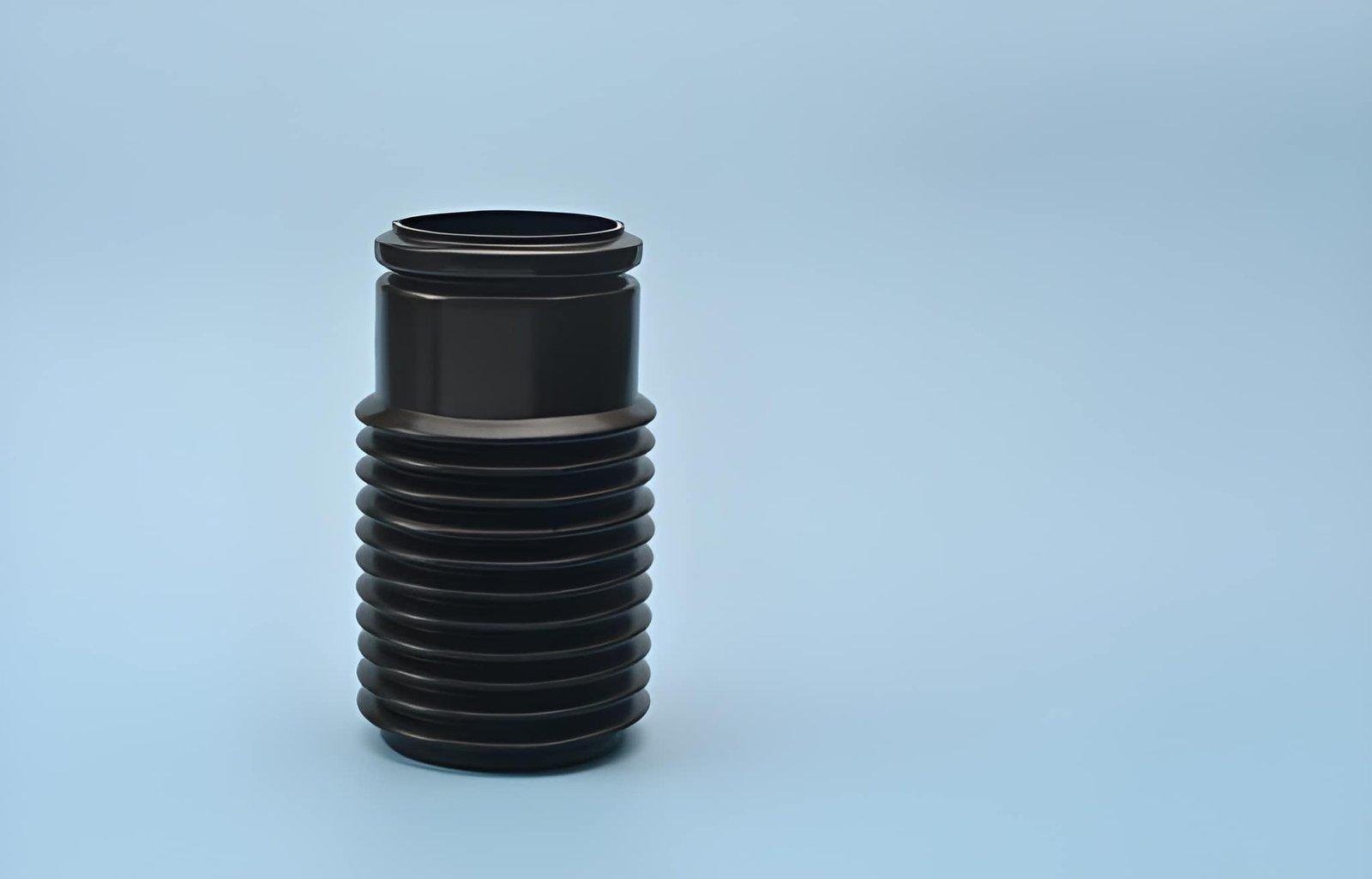
PVC Part Size & Manufacturing Capacity
Our CNC machining equipment accommodates both small precision components and large flat PVC parts used in industrial equipment, electrical systems, and fluid handling applications.
Feature | Capability |
Minimum Part Size | 1 × 2 in (25.4 × 50.8 mm) |
Standard Maximum Part Size | 44 × 44 in (1118 × 1118 mm) |
Maximum Custom Part Size | Up to 46 × 46 in (1168 × 1168 mm), subject to project review |
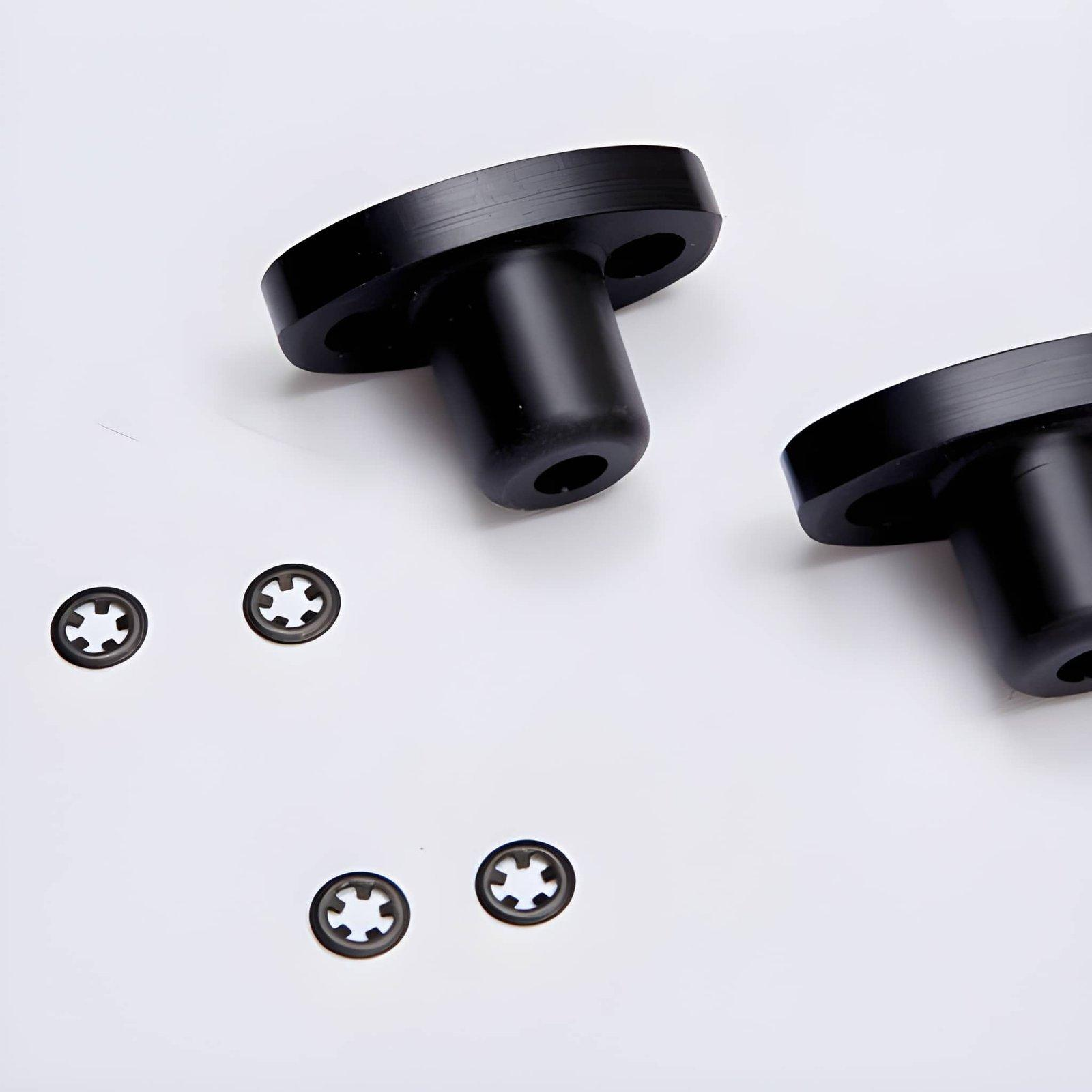
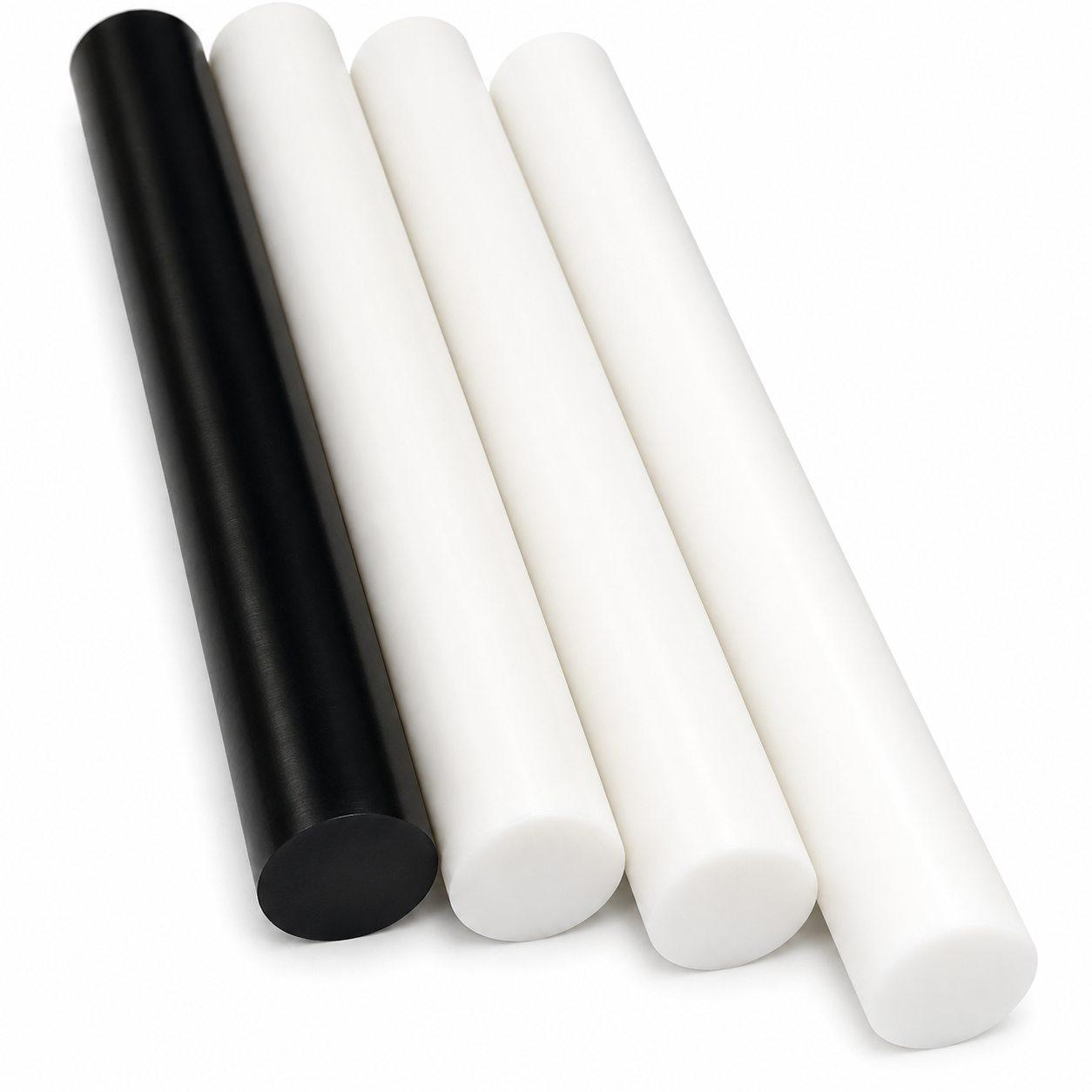
Available PVC Material Grades & Thicknesses
We machine rigid PVC sheet in commonly used industrial thicknesses. Additional thicknesses and material grades may be available based on project requirements.
Specification | Available Options |
Material | Rigid Polyvinyl Chloride (PVC) |
Standard Color | Gray |
Available Thicknesses | 0.250" (6.35 mm), 0.375" (9.53 mm), 0.500" (12.70 mm) |
Precision & Machining Tolerances
PVC produces stable machining results under standard cutting conditions. Achievable tolerances vary according to the overall part size, feature geometry, material thickness, and machining method.
| Specification | Capability |
| Standard Machining Tolerance | Up to ±0.005 in (±0.127 mm), depending on part geometry and material thickness |
Designs that include critical dimensions or precision-fit features are reviewed during quotation to confirm machining capability before production.
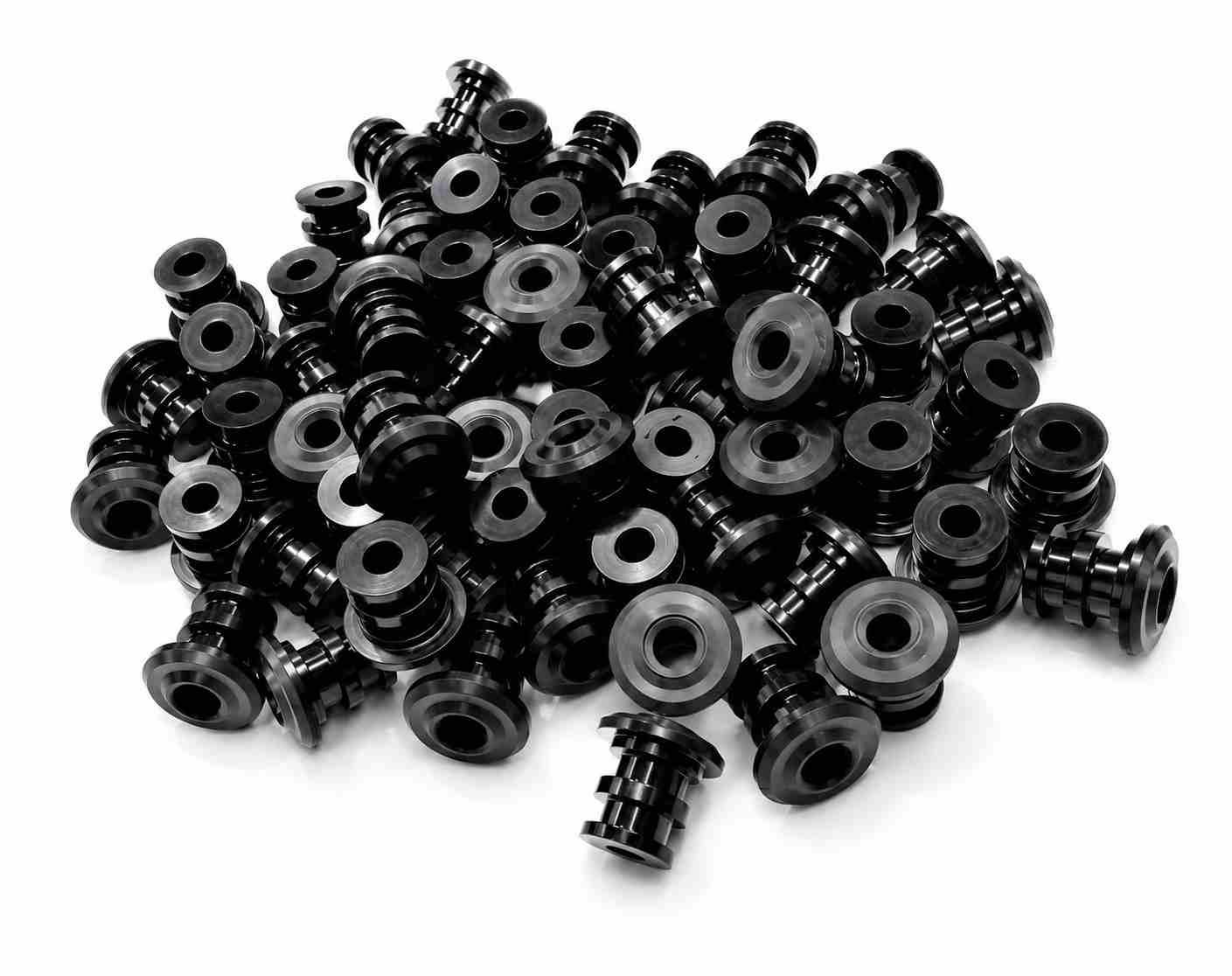
Secondary Machining Operations
Many PVC components require additional machining after the primary profile is completed. We provide several secondary operations to simplify assembly and reduce additional processing.
Service | Description |
Drilling | Produces accurately positioned holes according to customer drawings. |
Thread Tapping | Machines internal threads for screws, fittings, and fasteners. |
Countersinking | Creates recessed holes for flush-mounted fasteners. |
Pocket Milling | Machines recessed areas for component installation and weight reduction. |
Slot Machining | Produces straight and custom slot features for guides and assemblies. |
Edge Chamfering | Removes sharp edges and improves part handling during installation. |
Standard Production Time
Production schedules depend on part quantity, machining complexity, material availability, and secondary machining requirements.
Order Type | Typical Lead Time |
Prototype Orders | 2–4 Business Days |
Standard Production Orders | 4–7 Business Days |
PVC Material & Machining Specifications
The table below summarizes our standard PVC machining capabilities across available material thicknesses.
Specification | 0.250" (6.35 mm) | 0.375" (9.53 mm) | 0.500" (12.70 mm) |
Material Thickness | 0.250" (6.35 mm) | 0.375" (9.53 mm) | 0.500" (12.70 mm) |
Material | Rigid PVC | Rigid PVC | Rigid PVC |
Standard Color | Gray | Gray | Gray |
CNC Milling | Supported | Supported | Supported |
CNC Turning | Supported | Supported | Supported |
Drilling | Supported | Supported | Supported |
Thread Tapping | Available | Available | Available |
Countersinking | Available | Available | Available |
Pocket Milling | Available | Available | Available |
Standard Tolerance | Up to ±0.005 in (±0.127 mm) | Up to ±0.005 in (±0.127 mm) | Up to ±0.005 in (±0.127 mm) |
Typical Applications | Electrical panels, spacers, covers | Machine guards, pipe fittings, mounting plates | Structural panels, industrial fixtures, support components |
Prototype Orders | Supported | Supported | Supported |
Production Runs | Supported | Supported | Supported |
PVC Material Overview
PVC (Polyvinyl Chloride) is a rigid engineering plastic used to manufacture components that require chemical resistance, electrical insulation, and low moisture absorption. It machines with clean edges and maintains stable dimensions during CNC cutting, making it suitable for both simple and complex part geometries.
Compared with many engineering plastics, rigid PVC provides a practical balance between strength, machinability, and material cost. It is commonly selected for industrial equipment, electrical systems, chemical processing, and water treatment applications where metal components are unnecessary.
PVC Material Benefits
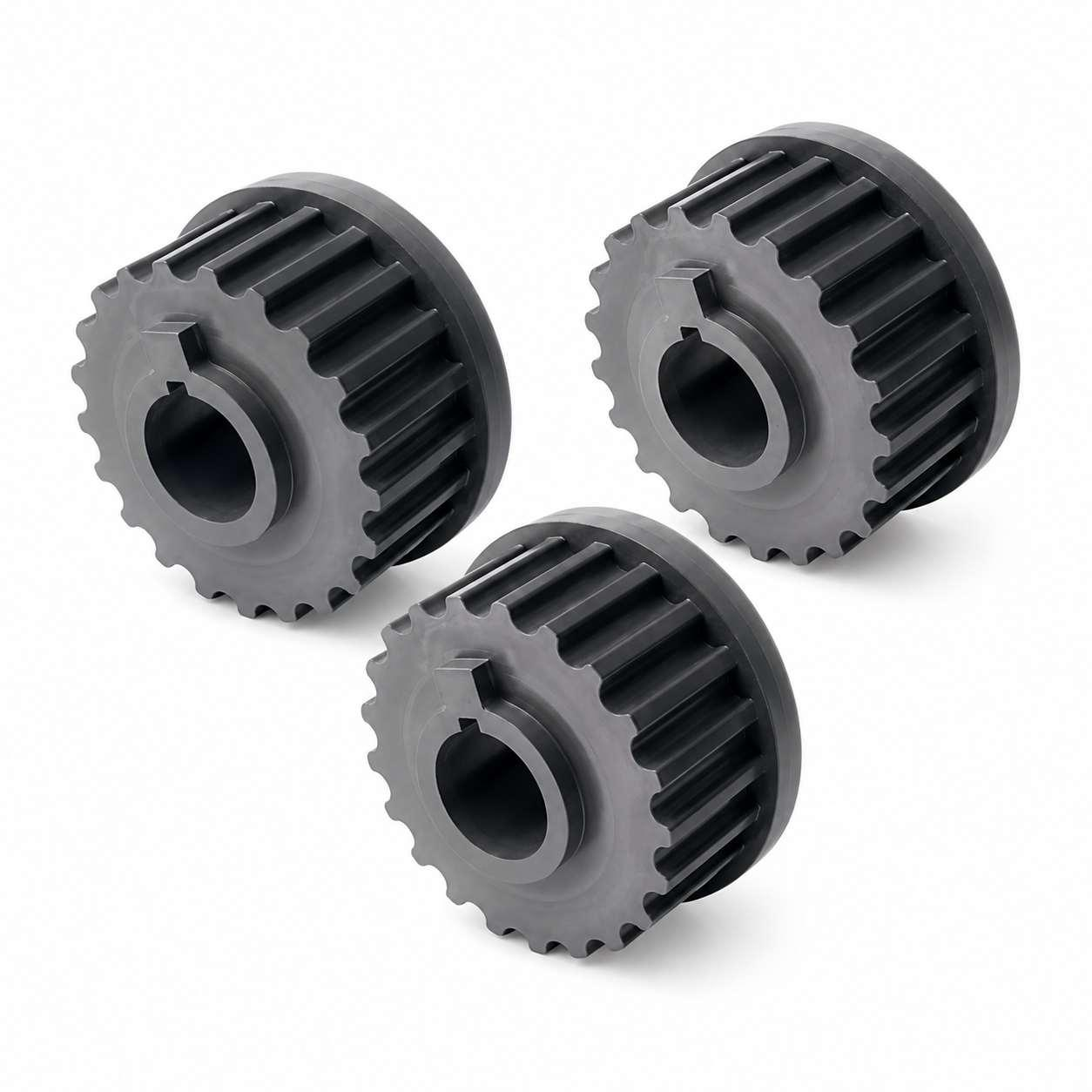
The table below summarizes the properties that make PVC a common material for CNC-machined industrial parts.
Property | How It Helps |
Chemical Resistance | Resists many acids, alkalis, and industrial cleaning solutions used in processing equipment. |
Moisture Resistance | Absorbs very little water, helping maintain part dimensions in humid and wet environments. |
Electrical Insulation | Suitable for insulating covers, electrical panels, and non-conductive machine components. |
Flame Retardant | Rigid PVC has self-extinguishing characteristics that support applications requiring flame-resistant materials. |
Easy to Machine | Produces clean machined surfaces with minimal edge chipping under proper cutting conditions. |
Lightweight | Reduces overall component weight compared with many metal parts. |
Corrosion Resistance | Does not rust, making it suitable for environments where metal components may deteriorate over time. |
Cost Efficiency | Provides a practical material option for many industrial components without increasing manufacturing costs. |
CNC Machining Operations for PVC Parts
PVC is compatible with most conventional CNC machining processes. However, each operation requires different cutting parameters because the material softens under heat and can chip if machining conditions are not stable.
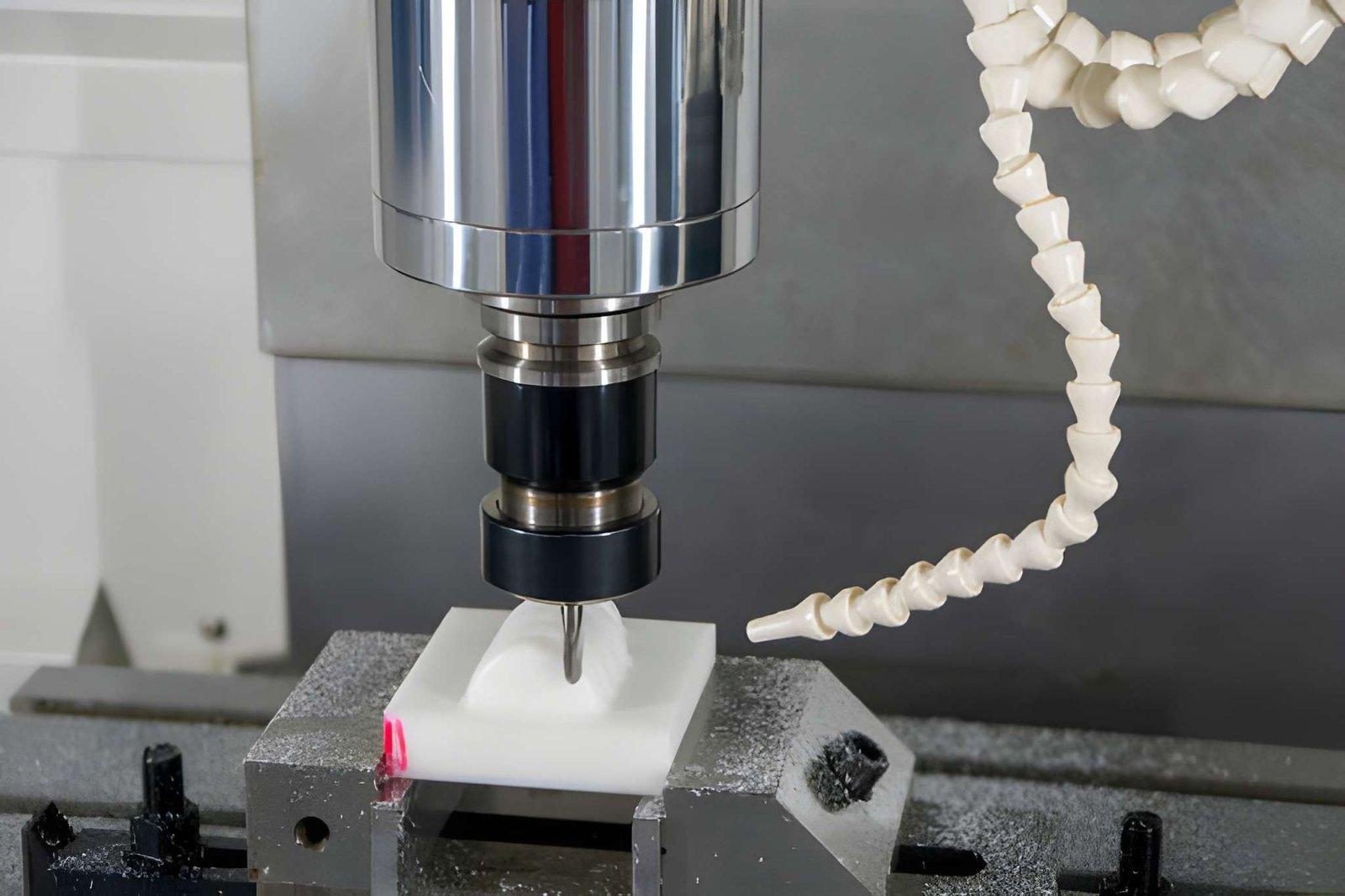
CNC Milling
PVC mills cleanly with sharp carbide tools and moderate cutting speeds. Because the material has relatively low cutting forces, large pockets, slots, and complex profiles can be machined without excessive tool wear.
Our CNC milling service is commonly used for:
- Machine guards
- Mounting plates
- Equipment panels
- Valve bodies
- Fluid handling manifolds
- Electrical insulation plates
- Custom fixtures
Where thin walls are required, we reduce cutting loads and use multiple finishing passes to prevent vibration marks and edge deformation.
CNC Turning
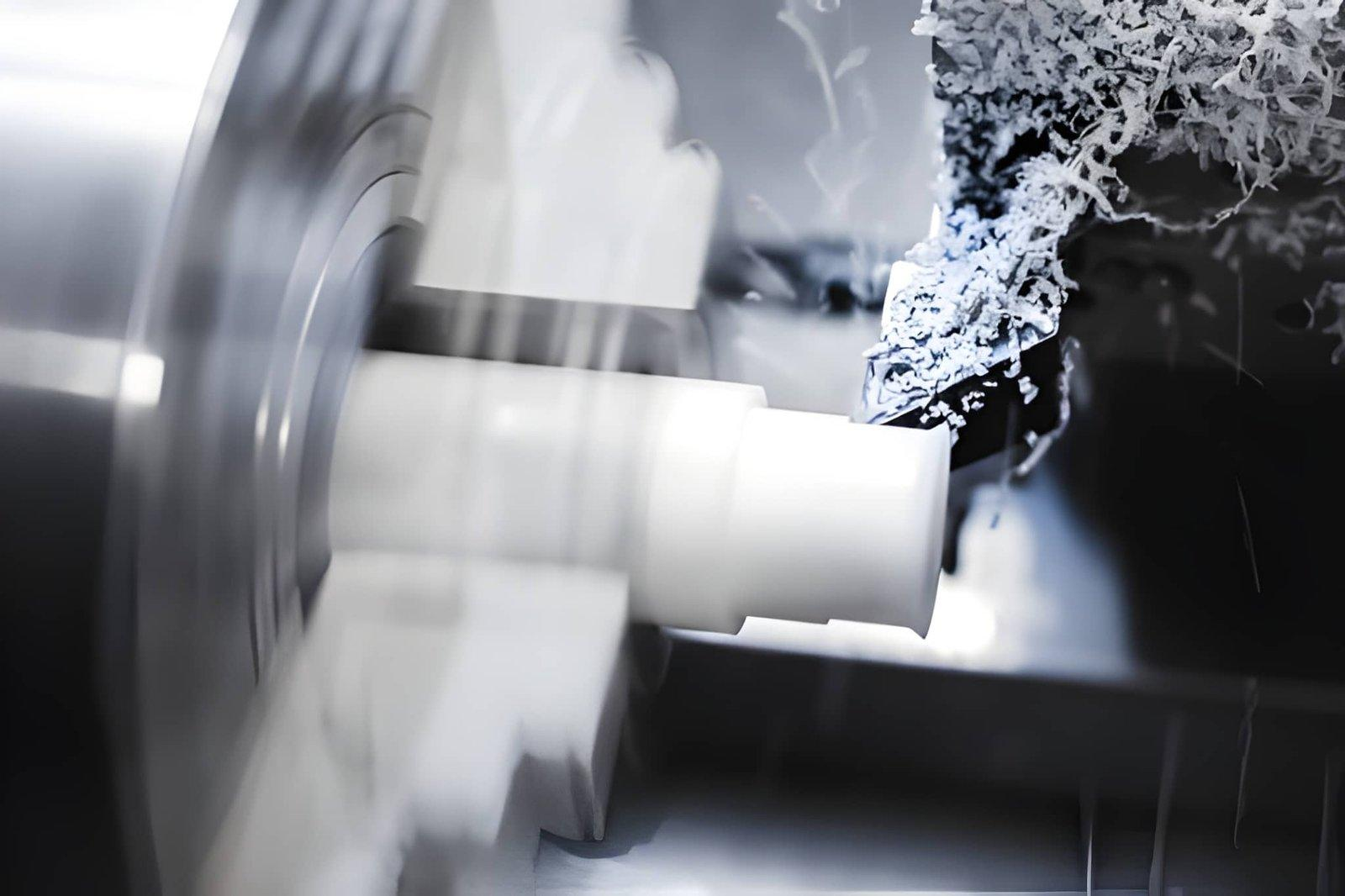
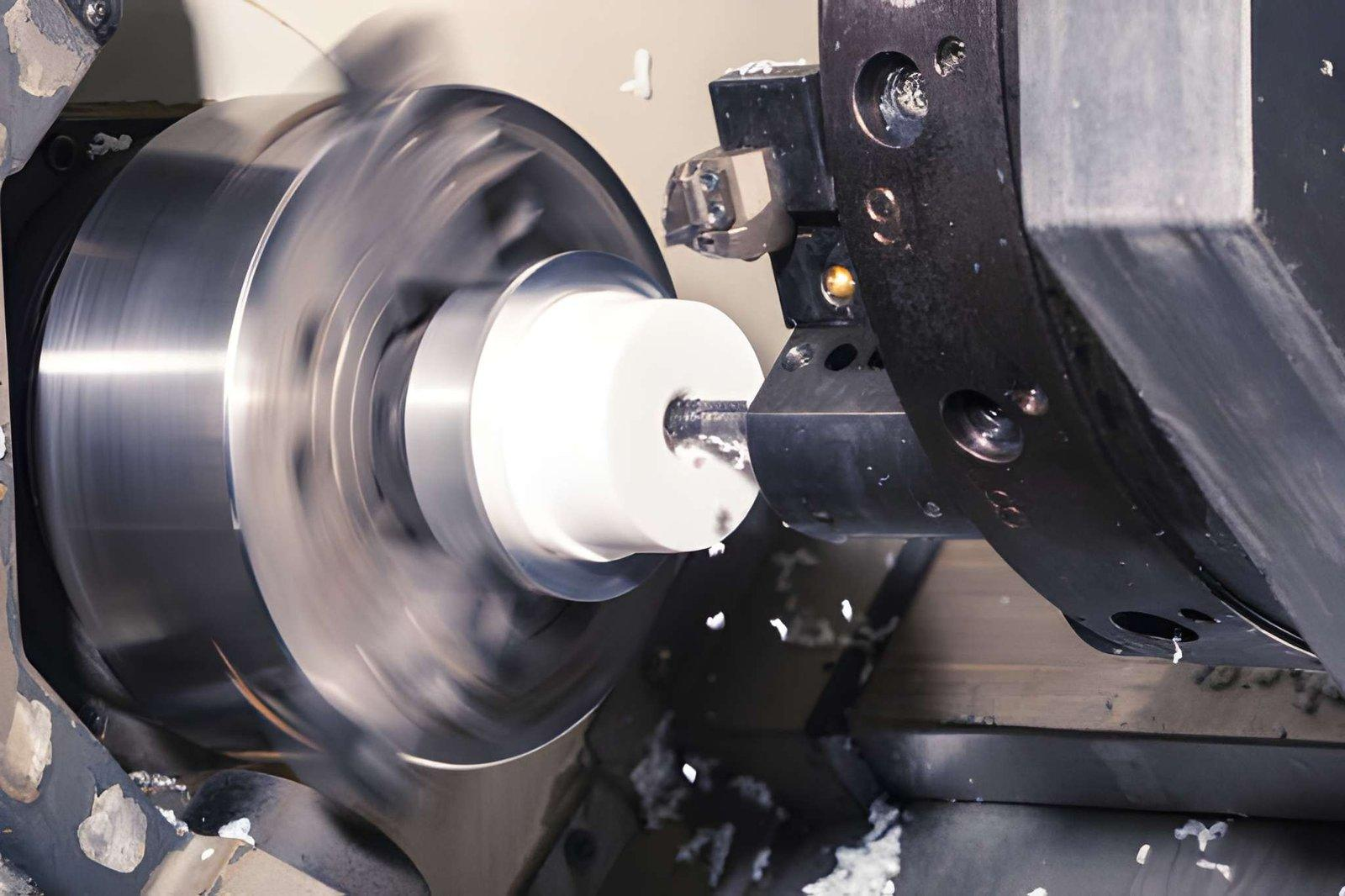
PVC is suitable for turning round components with consistent diameters and smooth surface finishes.
Common turned PVC parts include:
- Bushings
- Sleeves
- Rollers
- Valve seats
- Pipe adapters
- Spacers
- Insulating rings
Unlike metals, PVC produces continuous chips during turning. Therefore, chip evacuation and tool geometry become important to prevent scratches on finished surfaces.
CNC Drilling
PVC drills easily without excessive cutting force. However, deep holes require proper chip removal because heat can build up inside the hole.
We machine:
- Through holes
- Blind holes
- Counterbores
- Countersinks
- Precision locating holes
Hole positions are verified during inspection whenever assembly accuracy is critical.
CNC Threading and Tapping
PVC accepts both machined threads and tapped threads.
For larger fittings, CNC thread milling provides better dimensional consistency and reduces the possibility of cracking compared with conventional tapping.
We manufacture:
- BSP threads
- NPT threads
- Metric threads
- UNC/UNF threads
- Custom thread profiles
Thread dimensions are produced according to customer drawings or applicable standards.
Prototype and Production Manufacturing
PVC is widely selected during product development because it is readily available, economical to machine, and easy to modify after testing.
At Sochain Precision, we support every production stage.
| Manufacturing Stage | Typical Quantity | Purpose |
| Prototype | 1 to 20 parts | Design verification and functional testing |
| Low-volume production | 20 to 500 parts | Pilot builds and bridge production |
| Batch production | 500+ parts | Stable manufacturing with consistent dimensions |
The same engineering team reviews every order, allowing production to scale without changing machining methods or inspection standards.
PVC Parts We Machine
PVC is used across many industrial products because it combines corrosion resistance, electrical insulation, and low material cost.
We regularly machine components such as:
- Pipe fittings
- Valve bodies
- Pump components
- Flow control parts
- Electrical insulators
- Terminal blocks
- Mounting brackets
- Equipment covers
- Machine guards
- Wear strips
- Guide rails
- Bushings
- Sleeves
- Spacers
- Rollers
- Laboratory fixtures
- Chemical processing components
- Custom industrial plastic parts
Every component is manufactured according to customer drawings, tolerances, and application requirements rather than standard catalog dimensions.
PVC Grades We Machine
Different PVC grades are selected according to mechanical strength, chemical exposure, operating temperature, and fabrication requirements. At Sochain Precision, we machine several industrial PVC grades for prototypes, replacement components, and production parts. Material recommendations are also available if the final application has specific mechanical or environmental requirements.
PVC Grade | Main Characteristics | Typical Applications |
Rigid PVC (PVC-U) | High stiffness, good chemical resistance, easy to machine | Valve bodies, pipe fittings, machine components |
CPVC | Higher temperature capability than standard PVC | Chemical processing equipment, hot fluid systems |
Expanded PVC | Lightweight with good dimensional stability | Covers, display panels, enclosures |
Impact-Modified PVC | Improved impact resistance | Protective guards, equipment housings |
Electrical Grade PVC | Excellent electrical insulation | Insulators, cable supports, electrical components |
Rigid PVC (PVC-U)
PVC-U is the most common grade used for CNC machining. It combines good rigidity with excellent resistance to acids, alkalis, and many industrial chemicals. It also produces stable machined surfaces, making it suitable for precision components used in fluid handling systems and industrial equipment.
CPVC
CPVC offers many of the same chemical resistance properties as PVC-U but performs at higher operating temperatures. It is commonly selected for parts exposed to hot chemicals, heated water systems, and processing equipment.
Expanded PVC
Expanded PVC has a lightweight cellular structure that makes it easy to machine into large panels and non-load-bearing components. It is widely used for equipment covers, machine panels, prototypes, and display products.
Impact-Modified PVC
Impact-modified PVC contains additives that improve toughness without sacrificing chemical resistance. This grade is often selected for machine guards, protective covers, and industrial housings exposed to frequent handling.
PVC Material Properties
PVC combines mechanical strength with chemical resistance, making it one of the most practical engineering plastics for industrial machining.
Property | Typical Value |
Density | 1.38 - 1.45 g/cm³ |
Tensile Strength | 45 - 60 MPa |
Flexural Modulus | 2.8 - 3.5 GPa |
Hardness | Shore D 80 - 85 |
Water Absorption (24 hrs) | <0.1% |
Continuous Service Temperature | Up to 60°C |
Heat Deflection Temperature | 70 to 75°C |
Electrical Insulation | Excellent |
UV Resistance | Good for rigid outdoor grades |
Chemical Resistance | Excellent against many acids, alkalis, and salts |
Applications of CNC Machined PVC Parts
PVC remains one of the most widely machined plastics because it combines low material cost with stable machining performance. Its resistance to moisture, chemicals, and electrical current allows it to replace metal components in many industrial assemblies.
Common PVC machined components include:
- Valve bodies
- Pump housings
- Pipe fittings
- Bushings
- Rollers
- Spacer blocks
- Wear strips
- Guide rails
- Mounting plates
- Electrical insulators
- Cable supports
- Equipment covers
- Machine guards
- Laboratory fixtures
- Chemical processing components
Industries We Serve
Our PVC machining service supports customers across a wide range of industries requiring corrosion-resistant and electrically insulating components.
| Industry | Typical PVC Components |
| Chemical Processing | Valves, manifolds, tanks, fittings |
| Water Treatment | Pumps, filtration parts, flow control components |
| Electrical & Electronics | Insulators, cable guides, switch components |
| Industrial Equipment | Guards, mounting plates, wear components |
| Laboratory Equipment | Chemical-resistant fixtures and holders |
| Food Processing Equipment | Non-contact machine components, guides, covers |
| Construction | Structural plastic components and fittings |
| Energy | Electrical insulation and cable management parts |
PVC performs particularly well in applications exposed to moisture, corrosive chemicals, and outdoor environments where conventional metals may corrode over time.
PVC Machining Design Guidelines
Although PVC machines more easily than many engineering plastics, certain design practices help maintain dimensional accuracy and improve surface quality. Simple changes during the design stage can also reduce machining time and material waste.
Design Feature | Recommendation |
Minimum wall thickness | 1.0 mm |
Minimum internal corner radius | 0.5 mm |
Recommended drill size | ≥0.8 mm |
Maximum part size | Depends on stock size and machine travel |
Standard tolerance | ±0.05 mm |
Precision tolerance | Up to ±0.01 mm for suitable geometries |
Surface finish | Ra 1.6–3.2 μm (standard machining) |
Maintain Uniform Wall Thickness
PVC expands more than metals during machining. Large differences in wall thickness may introduce internal stress after material removal. Keeping wall sections consistent helps maintain flatness and dimensional stability.
Avoid Thin Unsupported Features
Long ribs, narrow tabs, and thin unsupported walls can flex during machining. Adding small support features or increasing wall thickness usually produces a more stable part without increasing material cost significantly.
Design Internal Corners with Radii
Sharp internal corners require extremely small cutting tools, which increases machining time. Internal radii that match standard end mills improve machining efficiency while producing stronger features.
Specify Only Necessary Precision
PVC is capable of high machining accuracy, but not every feature requires precision tolerances. Applying tighter tolerances only to functional dimensions reduces manufacturing cost without affecting assembly performance.
Surface Finishing Options for PVC Parts
Many PVC components are used directly after machining because the material naturally produces smooth surfaces. Additional finishing processes are selected according to cosmetic appearance, assembly requirements, or part identification.
Surface Finish | Purpose |
As Machined | Smooth finish suitable for most industrial components |
Deburring | Removes sharp edges and machining burrs |
Edge Polishing | Improves appearance on visible edges |
Bead Blasting | Produces a uniform matte surface |
Laser Marking | Permanent part identification |
Engraving | Labels, serial numbers, logos, and markings |
Unlike many metals, PVC does not require corrosion-protection coatings. Surface finishing is generally selected to improve appearance, simplify assembly, or add permanent identification.
Quality Control
Every PVC component is inspected according to customer drawings and manufacturing requirements before shipment.
Our inspection process includes:
- Dimensional inspection using calibrated measuring equipment
- Critical feature verification
- Thread and hole inspection
- Surface quality inspection
- Burr removal verification
- Material certification upon request
- Final inspection before packaging
For precision components, inspection reports can also be supplied according to project requirements.
Why Choose Sochain Precision for PVC Machining?
PVC parts are widely used in chemical processing, industrial equipment, electrical systems, and laboratory applications. Producing consistent components requires suitable machining practices, stable process control, and careful inspection throughout production.
At Sochain Precision, we support projects from early prototypes through production quantities while maintaining consistent dimensional quality and dependable lead times.
Our capabilities include:
- Custom PVC machining from prototype to production
- CNC milling and CNC turning
- Precision tolerances up to ±0.01 mm for suitable features
- Complex custom geometries
- Multiple PVC material grades
- Secondary machining and finishing services
- Engineering support for manufacturability
- Fast worldwide delivery
Whether you require a single prototype or ongoing production, our engineering team can help manufacture PVC components that meet your drawing specifications and application requirements.
Frequently Asked Questions
Rigid PVC (PVC-U) is the most commonly machined grade because it provides good stiffness, chemical resistance, and dimensional stability. For higher operating temperatures, CPVC may be a better choice.
PVC machines relatively easily compared with many engineering plastics. Sharp cutting tools and proper machining parameters help produce clean edges and smooth surface finishes while minimizing burr formation.
Yes. PVC can be machined to precision tolerances for suitable part geometries. Standard production tolerances are typically around ±0.05 mm, while critical features may be manufactured to approximately ±0.01 mm when required.
PVC components are widely used in chemical processing, water treatment, electrical equipment, laboratory systems, industrial machinery, food processing equipment, and construction because of their corrosion resistance and electrical insulation properties.
PVC offers excellent resistance to many acids, alkalis, salts, and moisture, making it suitable for numerous industrial fluid-handling applications. Material compatibility should still be verified for aggressive solvents and high-temperature chemicals.
Yes. We manufacture PVC components from single prototypes and small development batches to full production runs. The same machining and inspection standards are maintained throughout each production stage.
Request a Quote for Custom PVC Machined Parts
Whether you need a functional prototype, replacement component, or production batch, Sochain Precision provides custom PVC machining services based on your drawings and application requirements.
Upload your CAD files today for a technical review and quotation. Our engineering team will recommend suitable PVC grades, machining methods, and finishing options to support your project.
Start Manufacturing Your Custom Parts Now!
Understanding Your Goals, Delivering Your Solutions – We’re Committed to Making CNC Machining Simple and Stress-Free!