 (+035) 527-1710-70
 NEWSLETTER
Torlon CNC Machining Services
Some plastic components continue operating under conditions that quickly exceed the capability of standard engineering plastics. High temperatures, continuous mechanical loading, aggressive chemicals, and constant sliding contact all place greater demands on the material as well as the machining process. In these situations, Torlon® (Polyamide-Imide or PAI) is often selected because it maintains mechanical strength and dimensional stability even after long operating periods.
At Sochain Precision, we machine custom Torlon parts for applications that require consistent dimensional accuracy, wear resistance, and structural performance. Our CNC milling and turning capabilities support everything from prototype development to production manufacturing, with each machining process planned according to the material grade, part geometry, and functional requirements.
Whether you need bearing components, electrical insulators, valve parts, precision bushings, semiconductor fixtures, or custom aerospace components, we manufacture Torlon parts that meet demanding engineering specifications.
Rapid prototyping and full-scale production
ISO accredited & QC checks
All in-house processes
Used in over 50 countries
FREE Instant quotations
Why Torlon Is Selected for Precision CNC Machined Parts
Material selection often begins with the operating environment rather than the component itself. If a plastic part must carry mechanical loads while exposed to elevated temperatures, ordinary engineering plastics may gradually lose stiffness, wear more quickly, or change dimension over time. Torlon addresses many of these design challenges by combining mechanical strength, thermal stability, and wear resistance in a single material.
Its low creep characteristics help components maintain their geometry during continuous loading, while its dimensional stability supports assemblies that require accurate alignment throughout long service cycles. These properties make Torlon a practical alternative to metal for selected applications where weight reduction, corrosion resistance, or electrical insulation is also required.
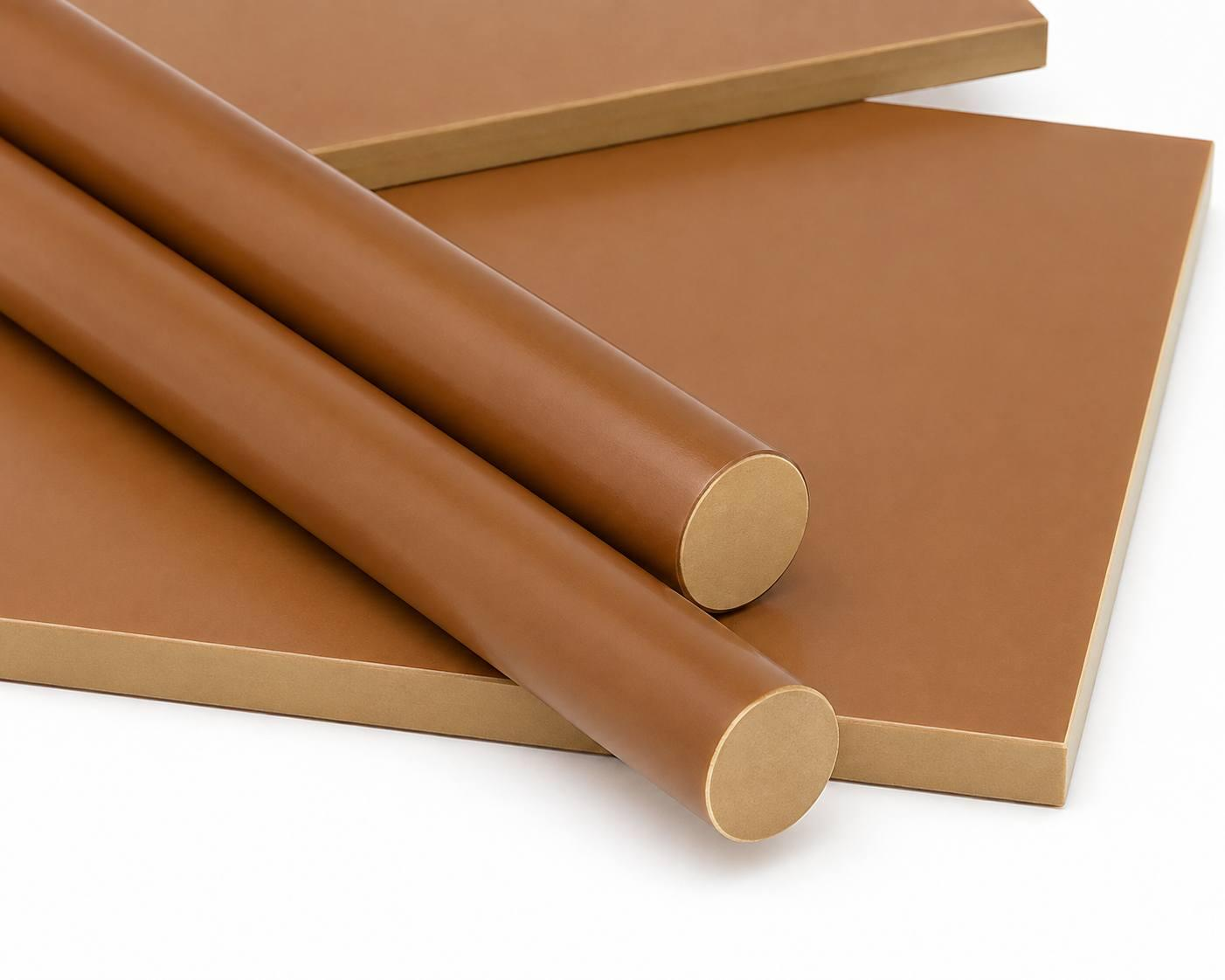
Depending on the grade, Torlon is commonly specified for
- Precision bearings and bearing cages
- Bushings and wear sleeves
- Valve seats and sealing components
- Electrical insulators and connector parts
- Semiconductor fixtures and sockets
- Pump and fluid handling components
- Aerospace structural and insulation parts
- High-temperature industrial machine components
Rather than relying on one material for every application, engineers often choose a specific Torlon grade according to wear conditions, operating temperature, electrical requirements, and structural loading. Selecting the appropriate grade at the beginning of the project also helps simplify machining and improves long-term part performance.
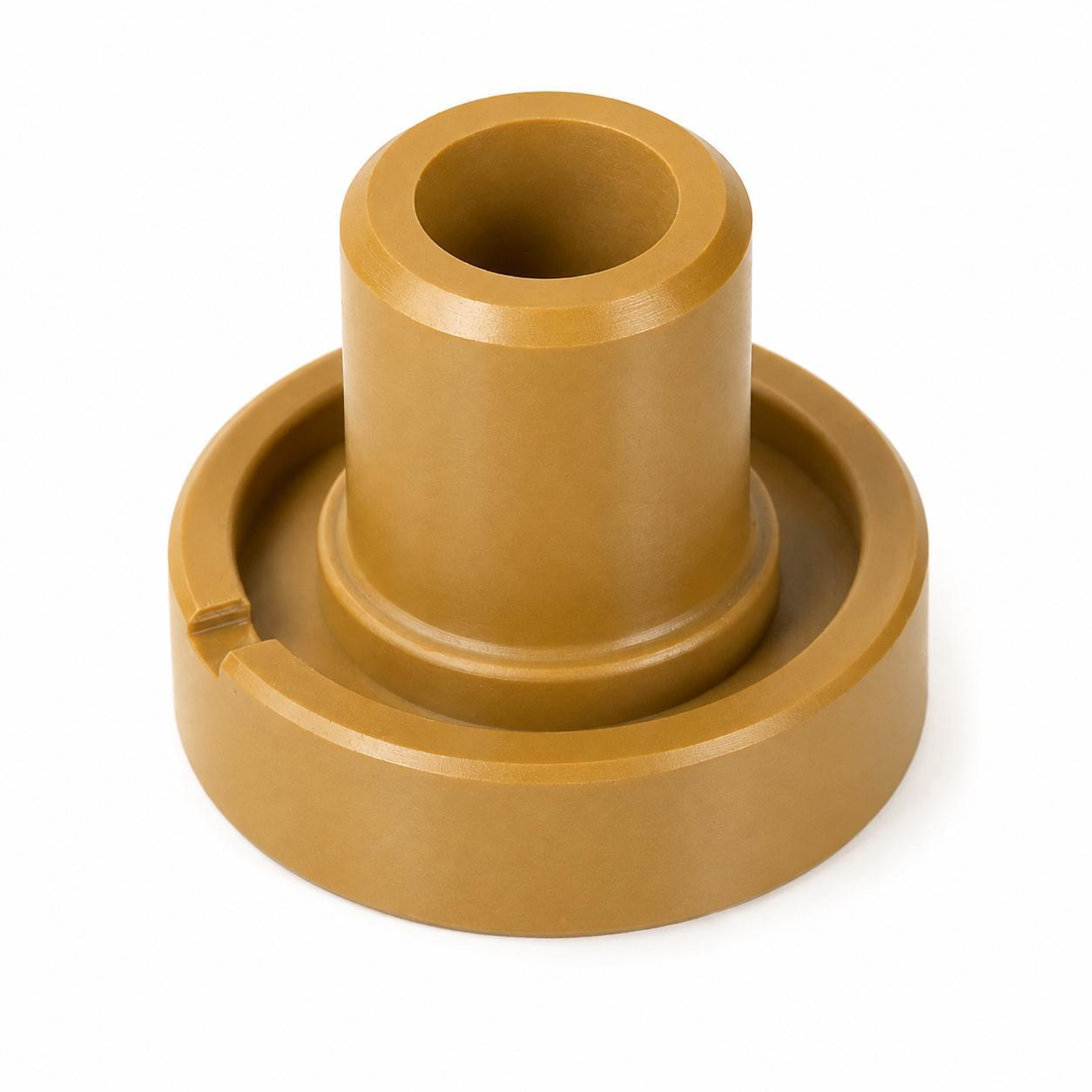
Torlon Material Properties
The exact values vary slightly between manufacturers and grades, but the following properties represent the performance that makes Torlon one of the highest-performing engineering plastics for CNC machining.
| Property | Typical Value |
| Material Type | Polyamide-Imide (PAI) |
| Continuous Service Temperature | Up to 260°C (500°F) |
| Heat Deflection Temperature | Up to 279°C (534°F) (grade dependent) |
| Tensile Strength | Up to 23,000 psi (158 MPa) |
| Flexural Strength | Up to 30,000 psi (207 MPa) |
| Compressive Strength | Up to 24,000 psi (165 MPa) |
| Rockwell Hardness | E80–E90 / M106–M125 |
| Water Absorption (24 hrs) | Approximately 0.3 to 0.4% |
| Thermal Expansion | Very Low |
| Wear Resistance | Excellent |
| Chemical Resistance | Excellent against fuels, oils, solvents and many industrial chemicals |
| Electrical Insulation | Excellent (particularly Grade 4203) |
Please Note: Material properties vary depending on the selected Torlon grade and raw material manufacturer. If your application requires specific mechanical, thermal, or electrical performance, our engineering team can recommend the most suitable grade.
Torlon Grades Available for CNC Machining
Grade | Main Characteristics | Typical Applications |
Torlon 4203 | Unfilled, excellent electrical insulation, high toughness | Electrical insulators, sockets, semiconductor fixtures, spacers |
Torlon 4301 | PTFE and graphite filled, low friction, excellent wear resistance | Bearings, bushings, valve seats, seal rings, wear pads |
Torlon 5030 | 30% glass fiber reinforced, high stiffness, low thermal expansion | Aerospace components, structural supports, tooling |
Other Grades | Carbon-filled and specialty grades available | High-temperature industrial applications |
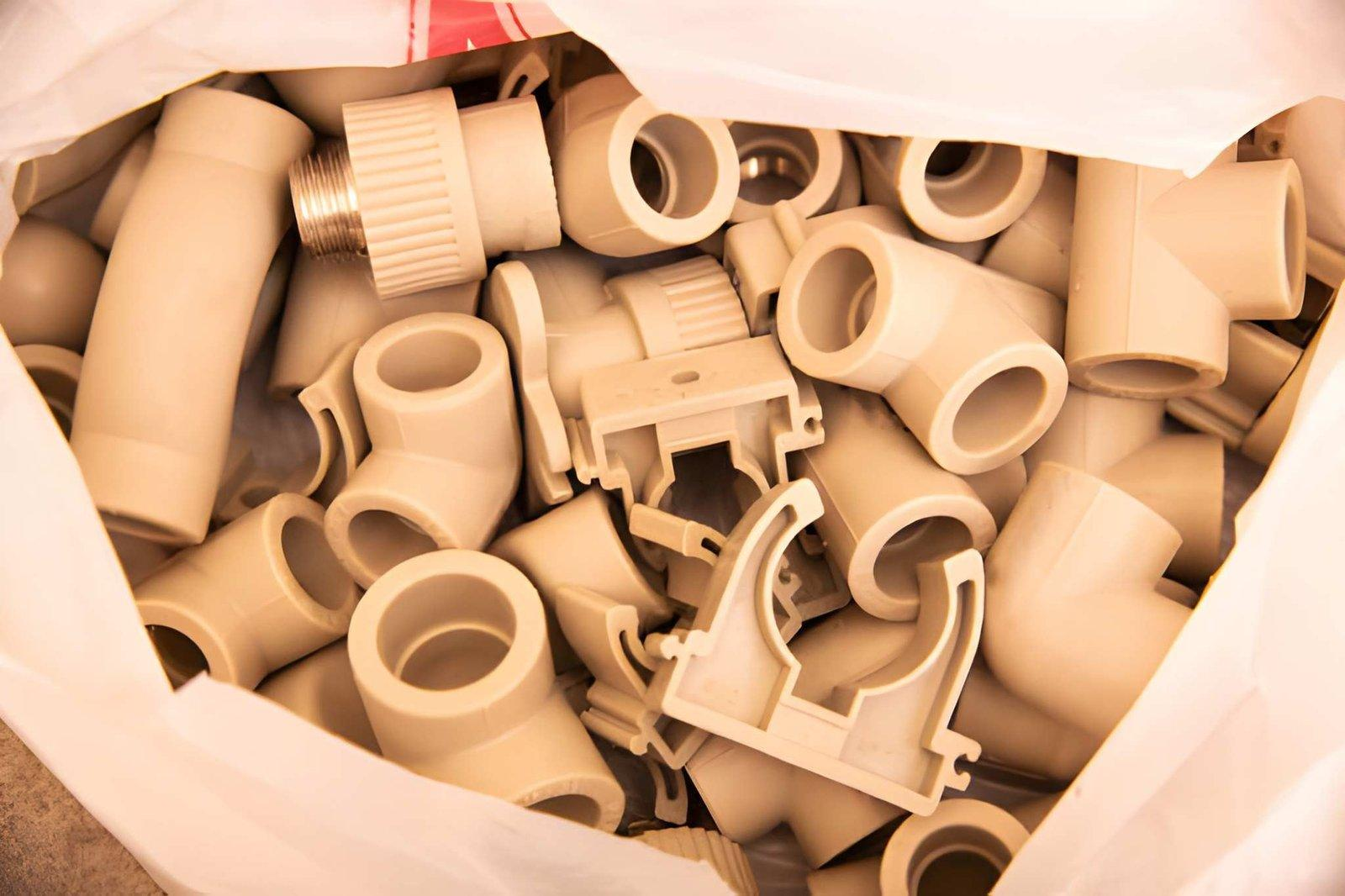
Typical Torlon Components We Machine
- Bearings
- Bushings
- Wear pads
- Rollers
- Guide rails
- Thrust washers
- Valve seats
- Valve seals
- Pump components
- Seal rings
- Backup rings
- Insulators
- Test sockets
- Semiconductor fixtures
- Connector components
- Support blocks
- High-temperature brackets
- Machine fixtures
- Precision spacers
Our Torlon CNC Machining Capabilities
Machining Torlon requires more than standard CNC programming. Material behavior changes depending on the grade, stock size, machining sequence, and amount of material removed during each operation. These factors influence dimensional stability, surface finish, and overall part consistency.
At Sochain Precision, each project is reviewed before production begins. Our engineering team evaluates part geometry, tolerance requirements, and functional features to determine an appropriate machining strategy rather than applying the same process to every component.
Our manufacturing capabilities include:
CNC Milling
We machine complex Torlon components with multiple faces, pockets, threaded features, slots, and precision profiles. Multi-sided machining reduces repeated setups, helping maintain positional accuracy across critical features.
CNC Turning
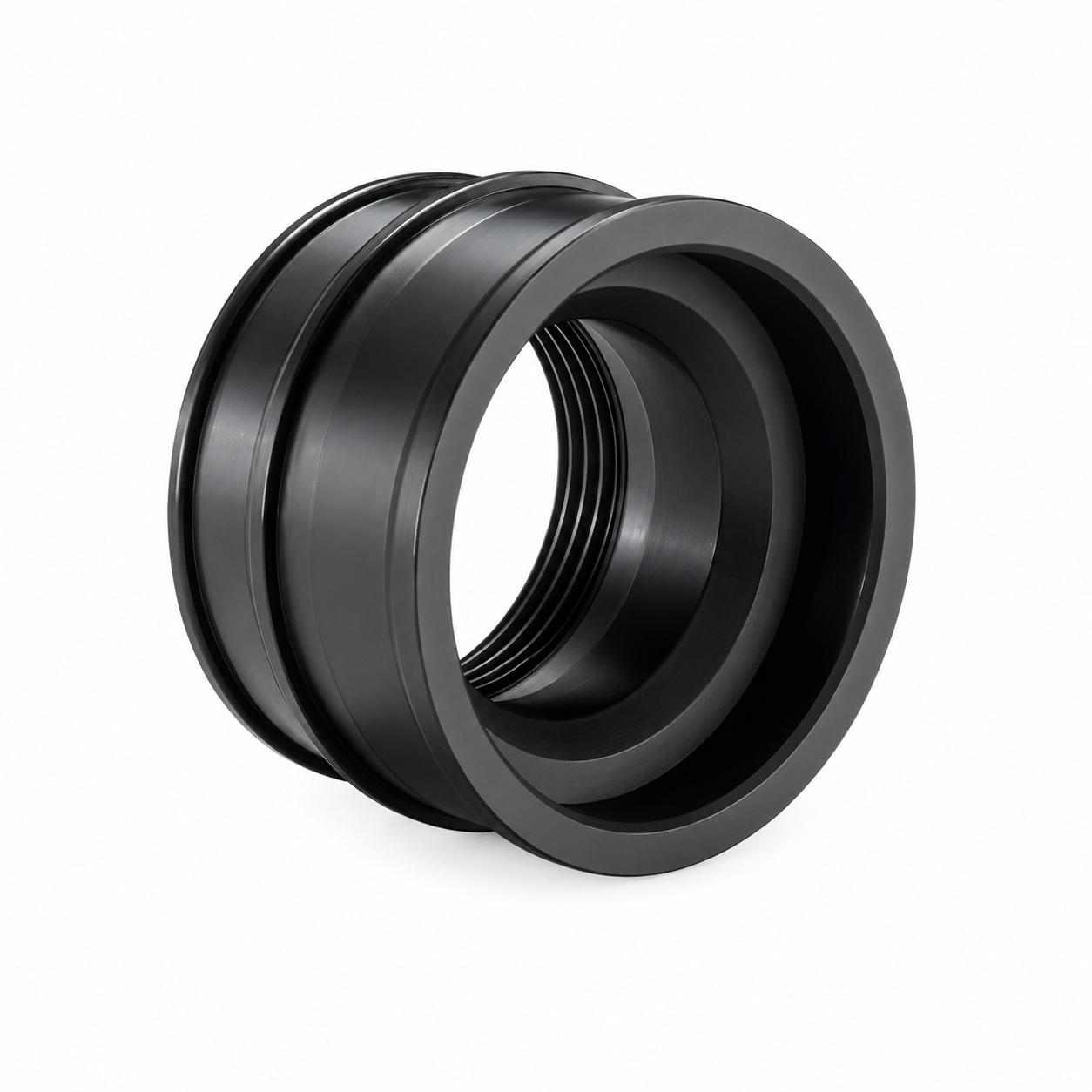
Our CNC turning services produce shafts, bushings, rollers, spacers, sleeves, valve components, and other cylindrical parts with consistent concentricity and dimensional control.
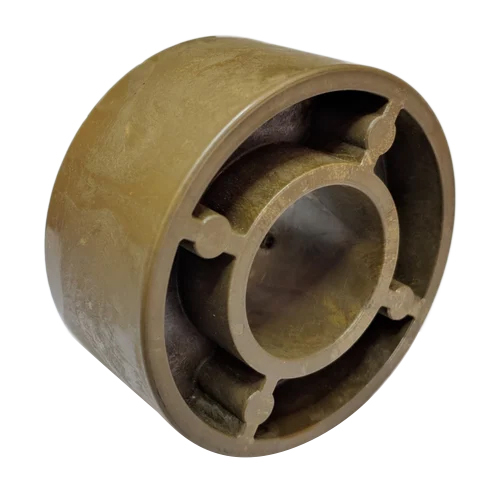
Prototype to Production Manufacturing
Whether you require a single prototype for design verification or repeat production for industrial equipment, we apply the same inspection standards and machining controls throughout every production stage.
Secondary Operations
When required, we also provide deburring, engraving, part marking, assembly preparation, and dimensional inspection to deliver components that are ready for installation.
Torlon Grades We Commonly Machine
Not every Torlon grade is designed for the same application. Choosing the correct material often has a greater impact on part performance than changing the design itself.
Torlon 4203
This unfilled grade is commonly selected when electrical insulation, toughness, and dimensional stability are the main priorities. It is frequently used for electrical components, semiconductor fixtures, precision spacers, sockets, and insulating parts that operate in elevated temperatures.
Torlon 4301
Torlon 4301 contains PTFE and graphite to improve wear resistance while reducing friction. It performs well in moving assemblies where components slide against each other repeatedly. Bearings, bushings, valve seats, wear pads, seal rings, and pump components are common applications.
Torlon 5030
Glass-filled Torlon offers greater stiffness and improved resistance to deformation under load. It is often specified for structural components that must maintain their shape while operating in high-temperature environments, including aerospace fixtures, machine supports, and industrial tooling.
If your drawing specifies another Torlon grade, we can review the material requirements and recommend the most suitable machining process before production begins.
Industries That Commonly Use Torlon Components
Torlon is rarely selected because it is inexpensive. It is chosen because standard plastics cannot deliver the required performance under demanding operating conditions. Its combination of thermal stability, mechanical strength, and wear resistance makes it suitable for applications where reliability is more important than material cost.
Aerospace
Aircraft and aerospace equipment often expose components to continuous heat, vibration, and mechanical loading. Torlon is used for structural supports, bearing components, insulation parts, and precision mechanisms that must remain stable throughout long service cycles.
Semiconductor Manufacturing
Semiconductor equipment demands materials that maintain tight tolerances while resisting heat, chemicals, and repeated production cycles. Torlon is commonly used for wafer handling components, test sockets, nests, guides, and other precision fixtures.
Oil & Gas
Equipment used in oil and gas processing operates under high pressure and in chemically aggressive environments. Torlon is frequently selected for seals, valve components, pump parts, and wear-resistant assemblies that require dependable long-term performance.
Electrical & Electronics
The unfilled grades of Torlon provide excellent electrical insulation while maintaining mechanical strength at elevated temperatures. These properties make the material suitable for electrical connectors, insulators, switchgear components, and high-temperature electrical assemblies.
Industrial Equipment
Production machinery relies on components that continue operating despite constant friction and repeated loading. Bearings, wear strips, guide components, rollers, and custom machine parts manufactured from Torlon help improve equipment reliability while reducing maintenance intervals.
Medical Equipment
Certain Torlon grades are used in medical devices and analytical equipment where dimensional stability, strength, and resistance to repeated sterilization or demanding operating conditions are required.
Surface Finish Options
The right surface finish depends on how the Torlon component will be used. Some applications prioritize precise dimensions, while others require smoother contact surfaces or clearly identifiable parts for assembly.
We offer several finishing options for machined Torlon components, including:
- As Machined: Suitable for most precision engineering parts where machining accuracy is the primary requirement.
- Deburring: Removes sharp edges and machining burrs to improve handling and assembly.
- Bead Blasting: Produces a clean, uniform matte appearance while reducing visible machining marks.
- Laser Marking: Adds permanent part numbers, serial numbers, or identification marks without affecting part dimensions.
- Custom Finishing: Additional finishing processes can be discussed based on application requirements and material compatibility.
Design Recommendations for Torlon Parts
Designing with Torlon is different from designing with standard plastics. Small design changes during the early stages can simplify machining, improve dimensional stability, and reduce manufacturing costs without affecting part performance.
When designing Torlon components, we generally recommend:
- Avoid unnecessarily thin walls on large parts to reduce the possibility of movement during machining.
- Use realistic tolerances and apply tight tolerances only where they are functionally required.
- Keep internal corner radii consistent whenever possible to improve machining efficiency.
- Design threaded features with sufficient engagement for reliable assembly.
- Where practical, maintain uniform wall thickness to improve stability during machining.
- Consider the operating temperature and mechanical loading when selecting the Torlon grade.
- For wear components, choose the material grade based on friction and service conditions rather than strength alone.
If needed, our engineering team can review your drawings before production and suggest practical improvements that simplify manufacturing while preserving the original design intent.
Quality Inspection and Dimensional Verification
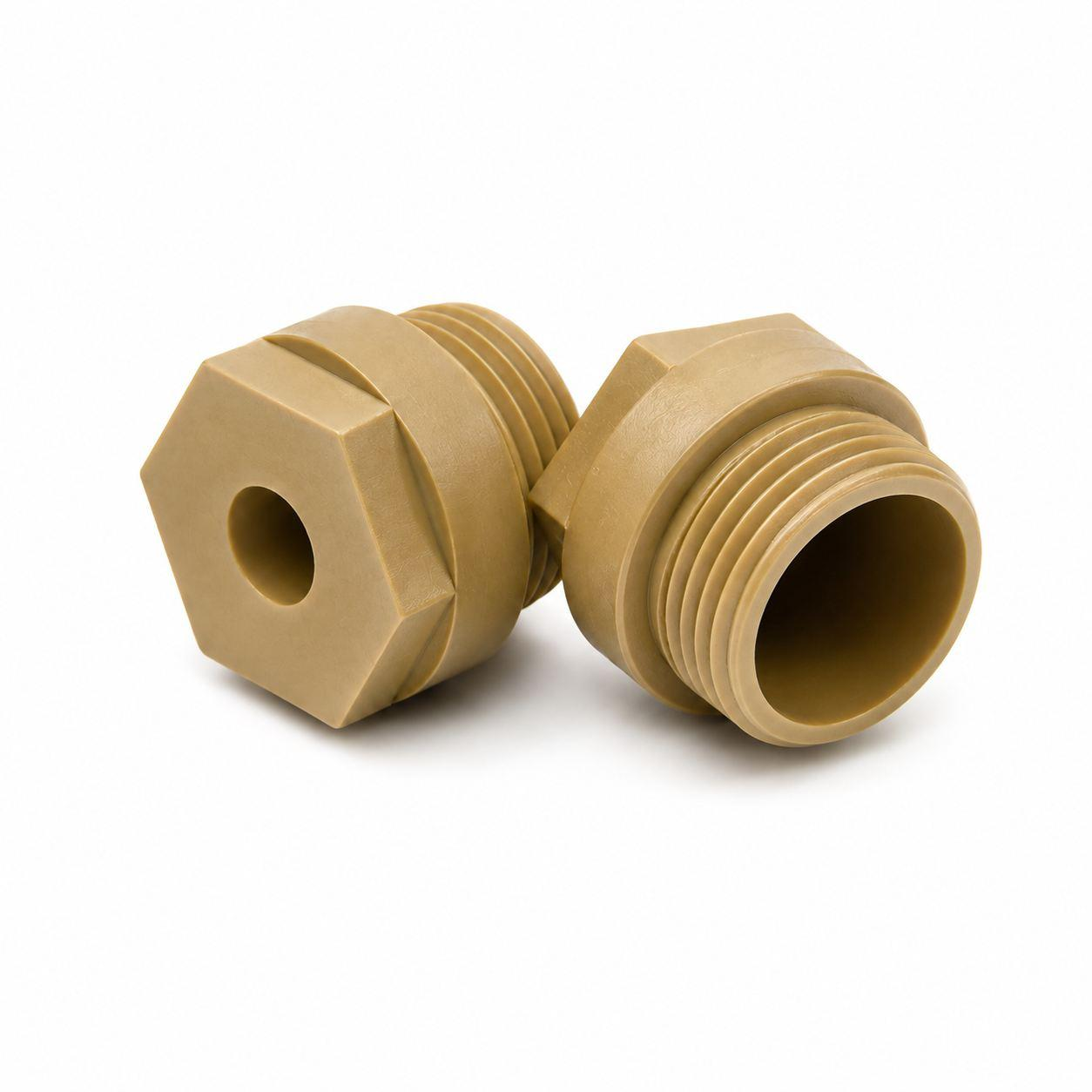
Every Torlon component is inspected in accordance with the drawing requirements before shipment. Depending on the project, inspections may include dimensional verification, visual inspection, thread inspection, and critical feature measurements.
For precision applications, we use calibrated inspection equipment to verify dimensions throughout production instead of waiting until the final machining operation. This helps identify any deviation early and supports consistent quality from prototype quantities through repeat production.
Whether the part is used in aerospace equipment, semiconductor systems, industrial machinery, or high-temperature assemblies, our goal is simple: deliver components that match the drawing and are ready for installation upon arrival.
Why Customers Choose Sochain Precision for Torlon Machining
High-performance materials deserve more than a standard machining process. Our approach focuses on understanding how the finished component will function before production begins. Material grade, machining sequence, tolerance requirements, and inspection methods are all considered before the first operation starts.
Customers work with us because we provide more than machining capacity. We help review manufacturability, identify potential production challenges early, and recommend practical solutions that simplify manufacturing without affecting part performance.
When you work with Sochain Precision, you can expect:
- CNC milling and turning for complex Torlon components
- Support from prototype development through production
- Tight tolerance machining for precision applications
- Material selection assistance when multiple Torlon grades are available
- Consistent dimensional inspection throughout production
- Clear communication and responsive engineering support
- Reliable lead times for both low-volume and production orders
Request a Quote for Custom Torlon Machined Parts
If your project requires a material that can withstand high temperatures, mechanical loading, or continuous wear, Torlon may be the right choice.
Send us your 2D drawings, 3D CAD files, or material specifications, and our engineering team will review your requirements before preparing a quotation. We'll assess the part geometry, recommend the most suitable Torlon grade when needed, and provide practical manufacturing feedback to help simplify production without compromising performance.
Whether you need a single prototype or production quantities, Sochain Precision is ready to manufacture precision Torlon components built to your specifications.
Ready to start your project? Contact our team today for a fast, no-obligation quote.
Frequently Asked Questions
Torlon®, also known as polyamide-imide (PAI), is a high-performance engineering thermoplastic designed for applications where standard plastics cannot provide sufficient strength, wear resistance, or thermal stability. It maintains excellent mechanical properties at elevated temperatures and is commonly used in aerospace, semiconductor, medical, oil and gas, and industrial equipment.
The right material depends on the application. Torlon generally offers higher strength, greater stiffness, and better wear resistance than many engineering plastics at elevated temperatures. It is often selected for heavily loaded components or parts exposed to continuous operating temperatures where materials such as PEEK, PTFE, or nylon may not provide the required performance.
We machine several Torlon grades, including unfilled, wear-resistant, and glass-filled materials such as Torlon 4203, Torlon 4301, and Torlon 5030. If your drawing specifies another PAI grade, our engineering team will review the material requirements and confirm the most suitable machining approach.
We manufacture a wide range of custom Torlon components, including bearings, bushings, valve seats, seal rings, pump components, rollers, spacers, washers, insulators, semiconductor fixtures, and other precision machined parts. Every component is produced according to the customer's drawing or CAD model.
Yes, we support everything from single prototypes and engineering samples to low-volume production and repeat manufacturing. Prototype parts allow customers to verify fit, function, and performance before moving into larger production quantities.
Yes, Torlon is suitable for precision machining, but achievable tolerances depend on the part geometry, material grade, wall thickness, and overall design. During the quotation stage, we review your drawing and discuss any critical dimensions or tolerance requirements before production begins.
Torlon is widely used in aerospace, semiconductor manufacturing, electronics, oil and gas, medical equipment, fluid handling systems, and industrial machinery. It is typically chosen for components that must maintain strength, dimensional stability, and wear resistance under demanding operating conditions.
You can send us 3D CAD files such as STEP, IGES, Parasolid, or X_T, along with PDF drawings if available. Providing dimensional tolerances, material grade, quantity, and any special inspection requirements helps us prepare a more accurate quotation.
Yes, if the material grade has not been finalized, our engineering team can recommend a suitable Torlon grade based on your operating temperature, wear conditions, mechanical loading, and application requirements.
Simply send us your CAD files, technical drawings, material specifications, quantities, and any special requirements. Our team will review the design, evaluate manufacturability, and provide a detailed quotation as quickly as possible.
Start Manufacturing Your Custom Parts Now!
Understanding Your Goals, Delivering Your Solutions – We’re Committed to Making CNC Machining Simple and Stress-Free!