 (+035) 527-1710-70
 NEWSLETTER
Zinc Machining Service
Whether you need a single prototype or high-volume production, we manufacture precision zinc components with consistent quality and reliable lead times. Our CNC machining capabilities support a wide range of Zamak alloys for parts that require excellent dimensional stability, smooth surface finishes, and cost-effective production.
Rapid prototyping and full-scale production
ISO accredited & QC checks
All in-house processes
Used in over 50 countries
FREE Instant quotations
Our Zinc Machining Capabilities
- Custom CNC machined zinc parts
- Zamak 3 and Zamak 5 machining
- 3-axis and 5-axis CNC milling
- High-precision CNC turning
- Rapid prototyping
- Low- and high-volume production
- Tolerances up to ±0.01 mm
- ISO 9001:2015 quality management
- Engineering review and DFM support
- Surface finishing and secondary operations
- Inspection reports available upon request
- Worldwide shipping
Why Choose Zinc for CNC Machining?
Zinc is a good choice for parts that need accurate machining at a reasonable cost. It cuts easily, produces a smooth surface finish, and holds tight dimensions with less machining effort than many other metals.
The most common materials are Zamak 3 and Zamak 5. Zamak 3 is used for general-purpose parts, while Zamak 5 provides slightly higher strength and wear resistance for more demanding applications.
Many customers choose zinc when plastic is not strong enough, but aluminum is more than the application requires. It is commonly used for brackets, housings, fittings, lock parts, electrical components, and other precision parts.
Zinc also works well with secondary finishes such as plating, powder coating, painting, and polishing, making it suitable for both functional and decorative components.
Zinc Grades We Machine
We machine the most commonly used zinc alloys for prototypes, replacement parts, and production components. If you're unsure which grade fits your application, our engineering team can recommend the most suitable material based on strength, wear requirements, and cost.
Zamak 3
Zamak 3 is the standard zinc alloy used for CNC machining. It offers good dimensional stability, machines easily, and provides a good balance of strength and cost. It is commonly used for brackets, housings, electrical components, and general engineering parts.
Zamak 5
Zamak 5 contains more copper than Zamak 3, giving it higher strength and improved wear resistance. It is a good choice for parts that experience higher mechanical loads, repeated movement, or frequent assembly and disassembly.
ZA Alloys
For applications requiring higher strength and improved bearing performance, ZA (Zinc-Aluminum) alloys are also available. These alloys are commonly selected for industrial components that need greater durability while remaining easy to machine.
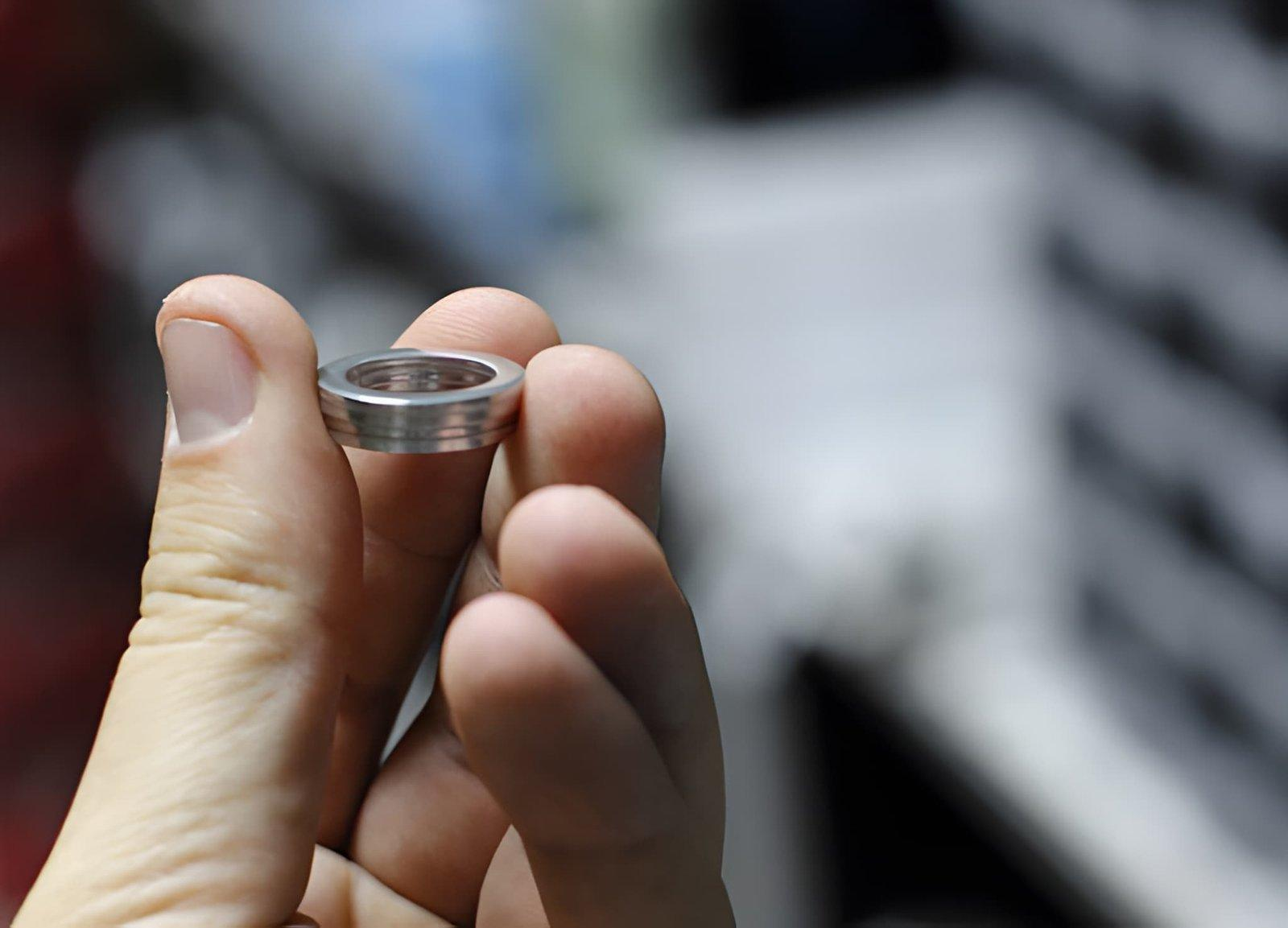
Typical Zinc Material Properties
The table below shows the typical properties of zinc alloys used for CNC machining. Actual values may vary depending on the alloy grade, manufacturing process, and material supplier.
| Property | Typical Value |
| Density | 6.6 to 6.8 g/cm³ |
| Tensile Strength | 260 to 330 MPa |
| Yield Strength | 200 to 280 MPa |
| Elongation at Break | 7 to 10% |
| Hardness | 80 to 95 HB |
| Melting Point | 380 to 390°C |
| Thermal Conductivity | 105 to 120 W/m·K |
| Electrical Conductivity | Approximately 27% IACS |
The values above are provided for general reference only. Material properties may vary depending on the zinc alloy grade (such as Zamak 3 or Zamak 5) and the material manufacturer.
CNC Machining Capabilities for Zinc
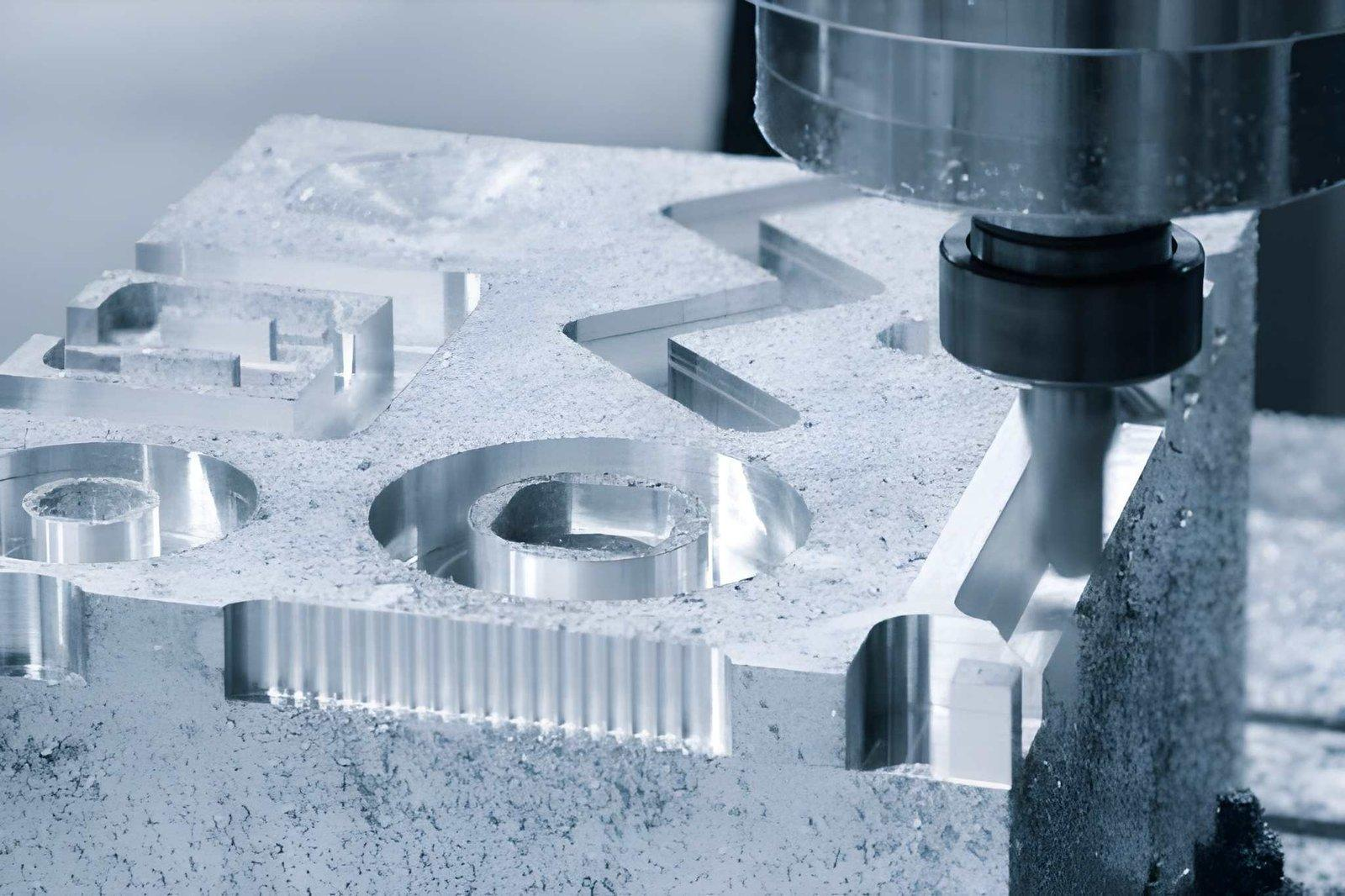
We provide precision CNC machining services for zinc alloys, supporting everything from prototype development to full production. Our team selects the most suitable machining process based on your part geometry, tolerance requirements, and production volume.
CNC Milling
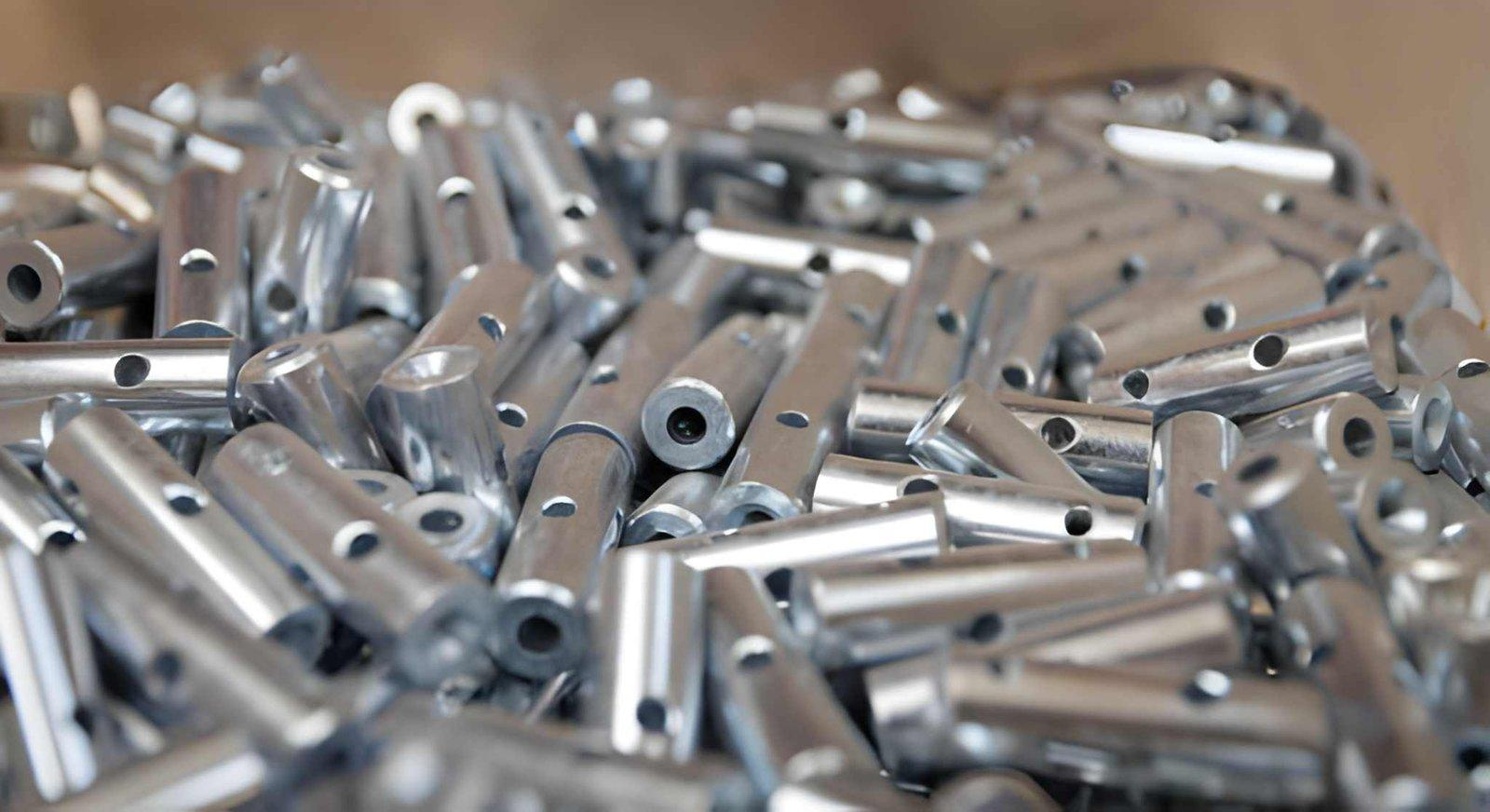
Our CNC milling services produce complex zinc parts with accurate dimensions and clean surface finishes. We machine pockets, slots, holes, threads, and other detailed features for components used in automotive, electronics, and industrial equipment.
CNC Turning
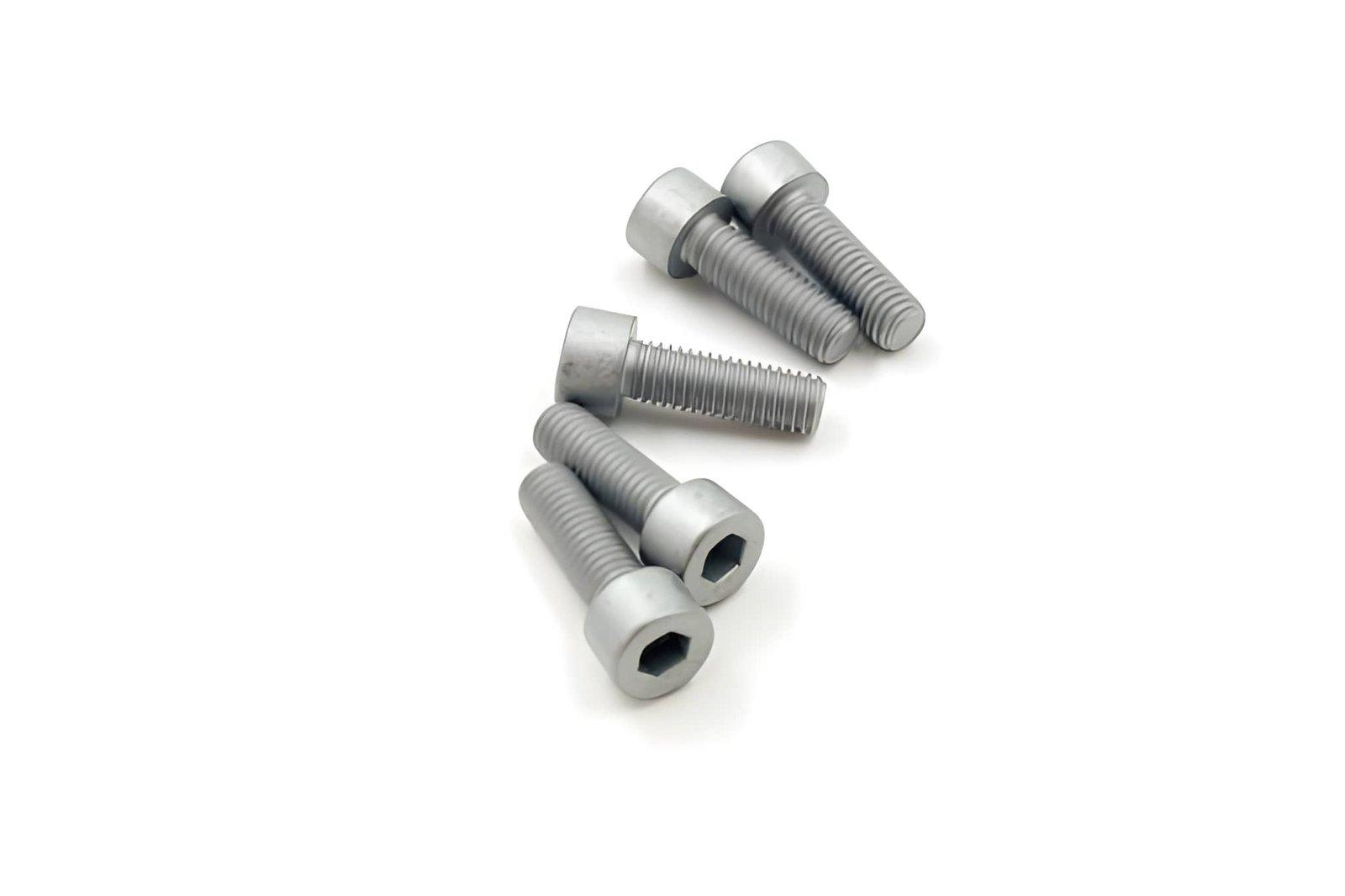
For round or cylindrical parts, our CNC turning services deliver consistent diameters, smooth finishes, and tight tolerances. Typical components include bushings, spacers, fittings, pins, and threaded parts.
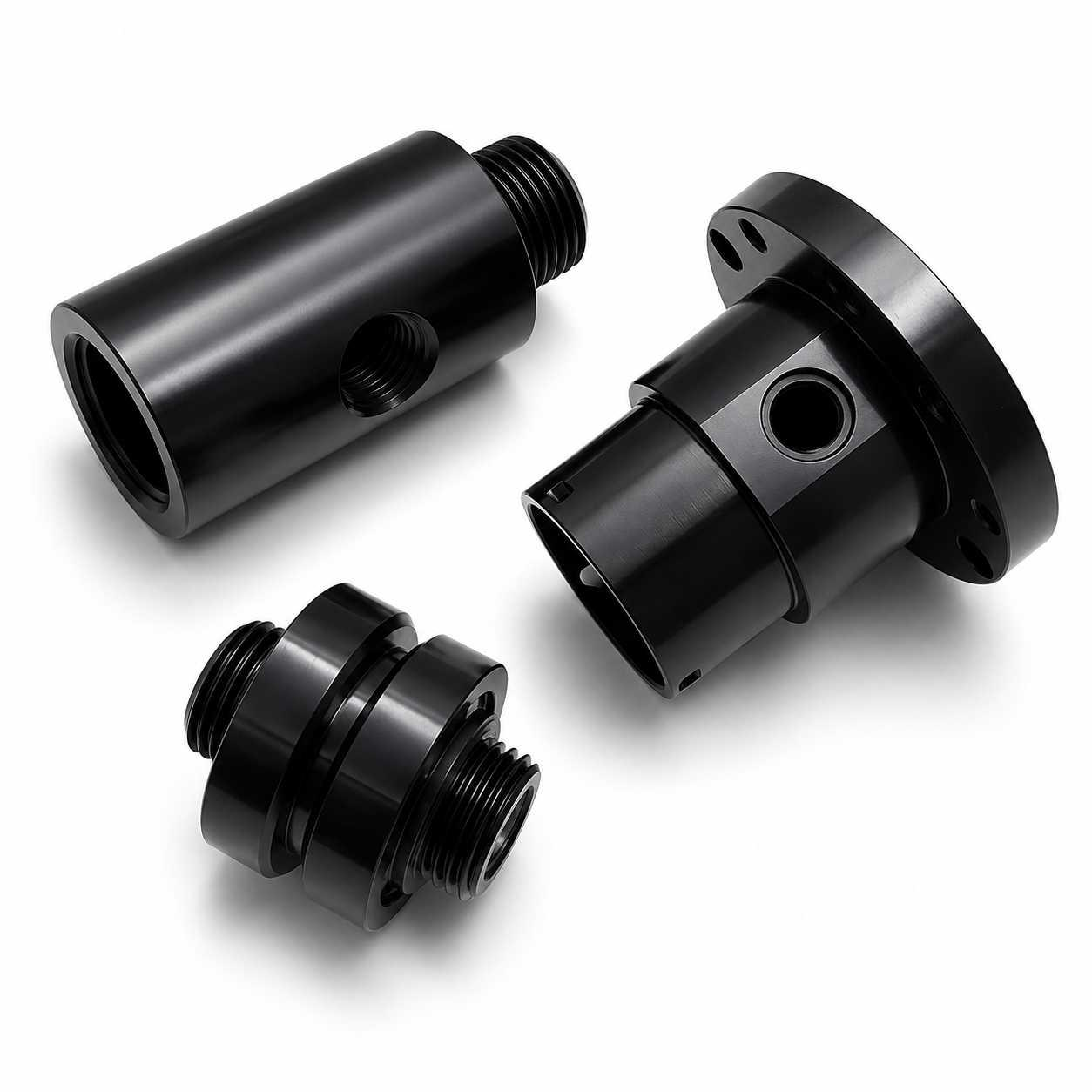
Prototype Machining
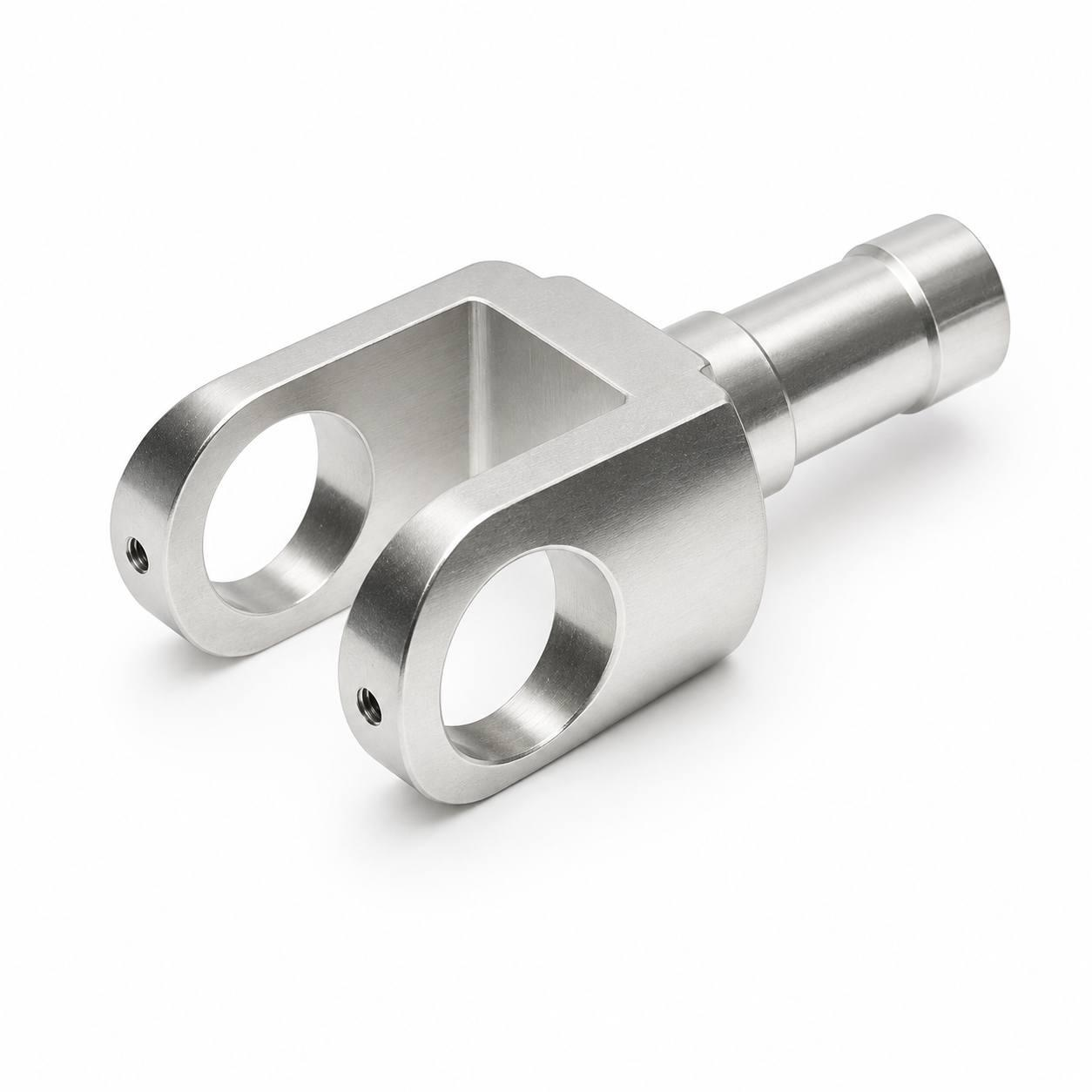
We manufacture zinc prototypes to help customers evaluate fit, function, and assembly before moving to production. Fast turnaround times allow design changes to be made early, helping reduce development costs.
Production Machining
Our production machining services support both low-volume and high-volume orders with consistent quality and repeatable results. Every project follows our ISO 9001:2015 quality management system, with inspections performed throughout production to ensure parts meet your specifications.
Common Zinc CNC Machined Parts
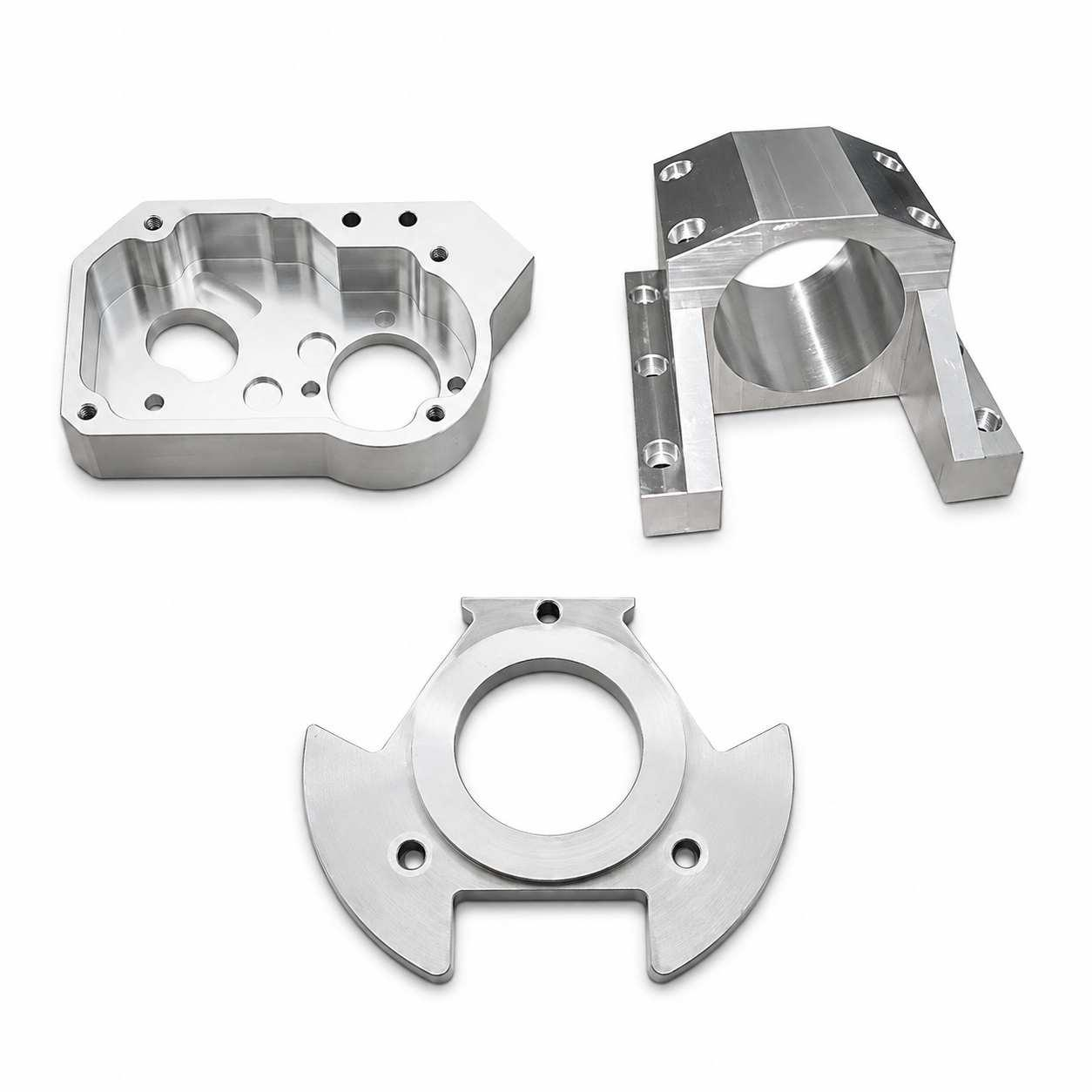
Zinc is widely used for precision components that require good dimensional stability, reliable strength, and cost-effective production. It is suitable for both simple and complex parts across many industrial applications.
We commonly machine zinc parts such as:
- Brackets and mounting plates
- Electronic housings and enclosures
- Valve bodies and fluid control components
- Electrical connectors and terminals
- Bushings and spacers
- Lock and security components
- Gear housings and transmission parts
- Automotive fittings and hardware
- Precision mechanical components
- Custom OEM zinc parts made to customer drawings
Whether you need a single prototype or production quantities, we machine zinc parts to your drawing specifications with consistent quality and tight tolerances.
Surface Finishing Options
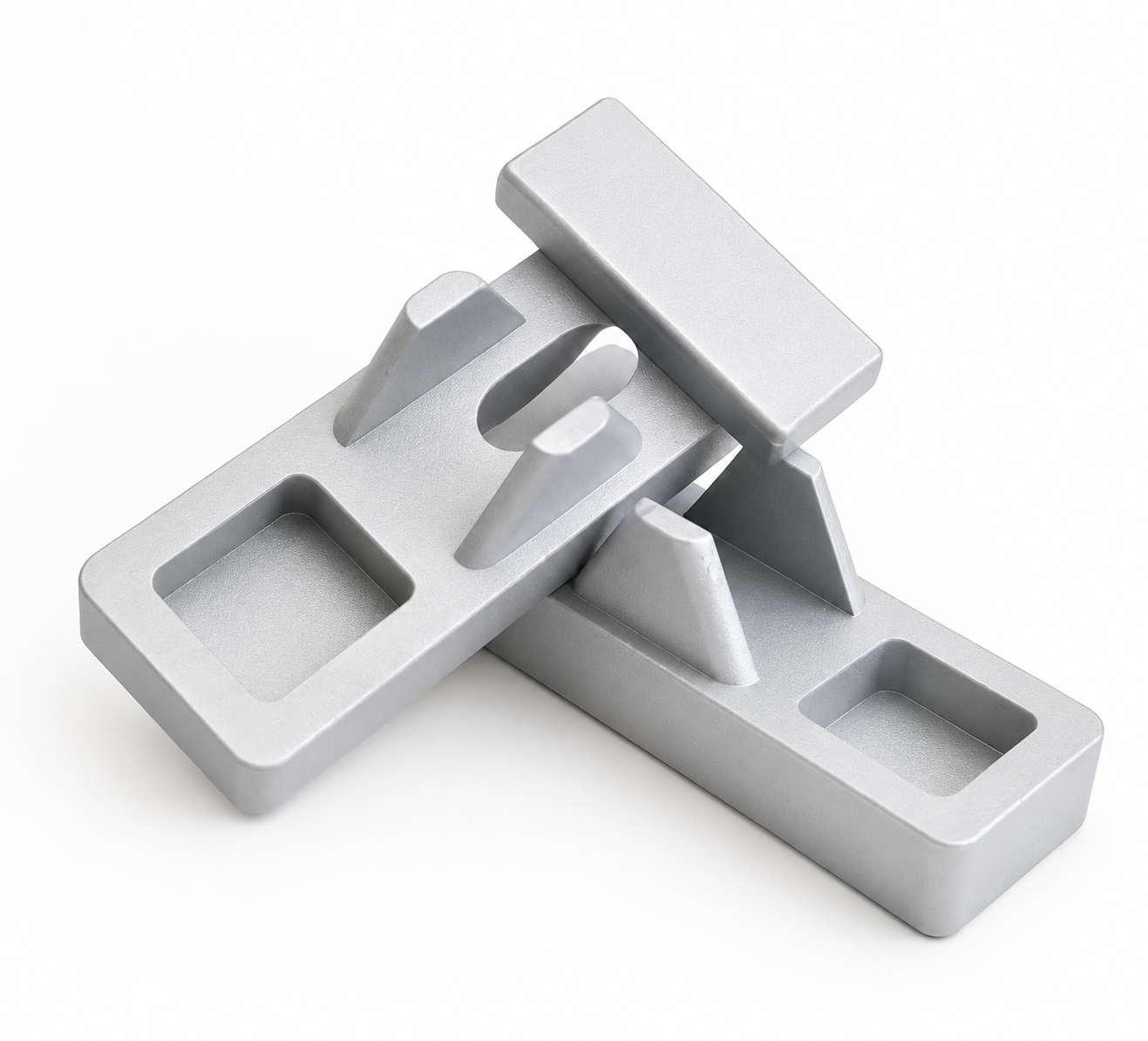
We offer a range of surface finishes to improve the appearance, corrosion resistance, and performance of zinc machined parts. If you're unsure which finish is best, we'll recommend one based on your application.
| Surface Finish | Best For |
| As Machined | Parts are supplied directly after machining with visible tool marks. Ideal for functional parts that do not require a cosmetic finish. |
| Bead Blasting | Produces a clean, uniform matte surface and removes light machining marks. |
| Polishing | Creates a smooth, bright finish for parts where appearance is important. |
| Powder Coating | Adds a durable protective coating in a wide range of colors with good wear resistance. |
| Painting | Provides color and additional surface protection for general industrial applications. |
| Chrome Plating | Improves corrosion resistance while giving parts a bright, decorative finish. |
| Zinc Plating | Adds an extra protective layer for improved corrosion resistance in service environments. |
| Laser Marking | Permanently marks part numbers, serial numbers, logos, or other identification without affecting the part. |
Available finishing options depend on the zinc alloy, part geometry, and application requirements.
Design Considerations for Zinc Parts
Keeping a few design guidelines in mind can help reduce machining time, improve part quality, and avoid unnecessary manufacturing costs.
Design Recommendation | Guideline |
Minimum Wall Thickness | 1.0 mm is recommended for better rigidity and easier machining. |
Internal Corner Radius | Use a radius of 0.5 mm or larger whenever possible to improve tool access and reduce machining time. |
Deep Pockets | Avoid deep, narrow pockets, as they require longer cutting tools and can increase machining time and cost. |
Standard Tolerances | ISO 2768-m is suitable for most general-purpose machined parts. |
Precision Tolerances | Critical features can be machined to ±0.01 mm when required. |
Cast & Machined Parts | For die-cast zinc components, machine only the critical dimensions to improve accuracy while keeping production costs lower. |
Chamfers & Edge Breaks | Add small chamfers or edge breaks to reduce sharp edges and make assembly easier. |
Why Work With Sochain Precision?
We machine zinc parts for customers who need consistent quality, reliable lead times, and responsive engineering support. Whether you're ordering a prototype or production parts, we focus on making the manufacturing process straightforward.
- ISO 9001:2015 certified manufacturing and inspection
- CNC milling and CNC turning for custom zinc components
- Prototype, low-volume, and production machining
- DFM review before production to help identify potential machining issues
- Material recommendations based on part function and budget
- In-process and final inspection to verify critical dimensions
- Worldwide shipping with secure packaging
If your part has tight tolerances, special finishes, or assembly requirements, we'll review the drawing before production and discuss any recommendations with you.
Need custom zinc CNC machined parts? Send us your 3D model or engineering drawing, and we'll review the design, recommend the most suitable zinc alloy if needed, and provide a quotation with lead time.
We support prototype, low-volume, and production machining for custom zinc components.
Frequently Asked Questions
Our standard machining materials include Zamak 3 and Zamak 5, which are the most widely used zinc alloys for CNC machining. Other zinc alloys can also be discussed based on your application.
General-purpose parts are typically manufactured to ISO 2768-m. For critical features, tolerances up to ±0.01 mm can be achieved depending on the part geometry and inspection requirements.
Zinc components are compatible with a range of secondary finishes, including chrome plating, zinc plating, powder coating, painting, and polishing, depending on the required appearance and corrosion resistance.
Zinc offers good corrosion resistance, but outdoor parts usually benefit from an additional protective finish to improve long-term durability in humid or harsh environments.
Critical features such as holes, threads, sealing faces, and locating surfaces are often machined after casting to improve dimensional accuracy and meet assembly requirements.
Zinc components are widely used in automotive, electronics, industrial equipment, consumer products, hardware, and electrical assemblies, where dimensional stability and cost-effective manufacturing are important.
Our engineering team accepts most standard CAD formats, including STEP, STP, IGES, IGS, X_T, SLDPRT, DWG, DXF, and PDF drawings.
Lead time depends on the part size, complexity, quantity, and finishing requirements. Prototype orders are generally completed more quickly than production runs, and a delivery schedule is provided with every quotation.
Start Manufacturing Your Custom Parts Now!
Understanding Your Goals, Delivering Your Solutions – We’re Committed to Making CNC Machining Simple and Stress-Free!