 (+035) 527-1710-70
 NEWSLETTER
Magnesium Machining Service
Sochain Precision provides custom magnesium CNC machining for lightweight prototypes and production components. Our team supports CNC milling and turning of suitable magnesium alloys, with engineering review for material condition, thin-wall geometry, critical tolerances, chip-control requirements, corrosion protection, and final inspection.
Send your 2D drawing and 3D CAD model with the alloy, product form, quantity, tolerances, finish, and inspection requirements for review.
Rapid prototyping and full-scale production
ISO accredited & QC checks
All in-house processes
Used in over 50 countries
FREE Instant quotations
Why Choose Us for Magnesium Machining
Alloy and Product-Form Review
We review the specified alloy, temper, governing standard, and product form before machining. Wrought plate, bar, extrusion, forging, and cast magnesium can differ substantially in strength, ductility, porosity, surface condition, and availability.
Controlled CNC Machining
Machining methods are planned around tool access, chip formation, heat control, workholding, wall thickness, part stability, and the safe collection and management of magnesium chips and fines.

Thin-Wall and Lightweight Geometry Support
Machining and Coating Coordination
Conversion coatings, primers, paint, powder coating, plasma electrolytic oxidation, electroless nickel, and other specified systems can add thickness or require masking. Critical dimensions and interfaces should be reviewed before machining.
Quality Management
Parts are manufactured under an ISO 9001:2015 quality management system, with dimensional and visual inspection based on the drawing and accepted order requirements.
About Magnesium for CNC Machining
Magnesium alloy selection requires more than choosing a familiar alloy name. The same alloy family may be supplied as rolled plate, extrusion, forging, or casting, and each product form can have different mechanical properties, defect risks, dimensional behavior, and finishing requirements.
When Magnesium Is a Practical Choice
When Another Material May Be Better
Use aluminum when wider stock availability, easier finishing, or lower corrosion-management complexity is more important than minimum weight.Use titanium when higher temperature capability, strength, or corrosion resistance justifies the added cost and machining difficulty.Use steel when compact dimensions, high stiffness, wear resistance, or low material cost outweigh mass reduction.Use a polymer or composite when electrical isolation, chemical resistance, or further weight reduction is the primary need.
Magnesium Alloys for CNC Machining
Alloy availability depends on region, product form, thickness, certification, and quantity. The drawing should identify the full alloy and temper designation, governing standard, and whether approved alternatives are permitted.
AZ31B
AZ31B is a common wrought magnesium alloy available in sheet, plate, and other wrought forms. It provides useful strength, ductility, and machinability for lightweight brackets, panels, housings, plates, fixtures, and structural components. The specified temper and product form affect its properties.
AZ61A or AZ61B
AZ61 is a wrought magnesium alloy with higher aluminum content than AZ31 and generally greater strength. It is commonly associated with extruded or forged products and may suit structural parts, frames, housings, and components requiring improved mechanical performance.
AZ80A
AZ80A is a higher-strength wrought magnesium alloy used in extrusions and forgings. It may be selected for highly loaded lightweight components, but stock form, heat-treatment condition, corrosion protection, and machining stability should be reviewed carefully.
ZK60A
ZK60A is a high-strength wrought magnesium alloy used for selected aerospace, motorsport, and structural applications. It can provide strong mechanical performance, but material availability, temper, certification, and corrosion control are important project requirements.
WE43
WE43 is a premium magnesium alloy containing rare-earth additions. It is selected for demanding applications that require improved high-temperature performance, strength, or corrosion behavior compared with common AZ-series alloys. Material cost, certification, stock availability, and finishing requirements should be confirmed early.
AZ91D
AZ91D is widely used as a magnesium casting alloy. It should not automatically be treated as the default wrought machining grade. CNC machining may be used to finish cast AZ91D components or machine suitable stock when available, but porosity, casting skin, datum strategy, wall thickness, and coating requirements require review.
General Properties of Magnesium Alloys
Low Density
Common magnesium alloys have a density of roughly 1.74 to 1.85 g/cm³, depending on composition. This is approximately one-third lower than common aluminum alloys and can produce meaningful mass savings in larger components.
Stiffness
Magnesium has an elastic modulus of approximately 45 GPa. It is less stiff than aluminum or steel, so simply replacing another metal with identical geometry may increase deflection. Ribbing, wall placement, and section depth should be designed around the lower modulus.
Machinability
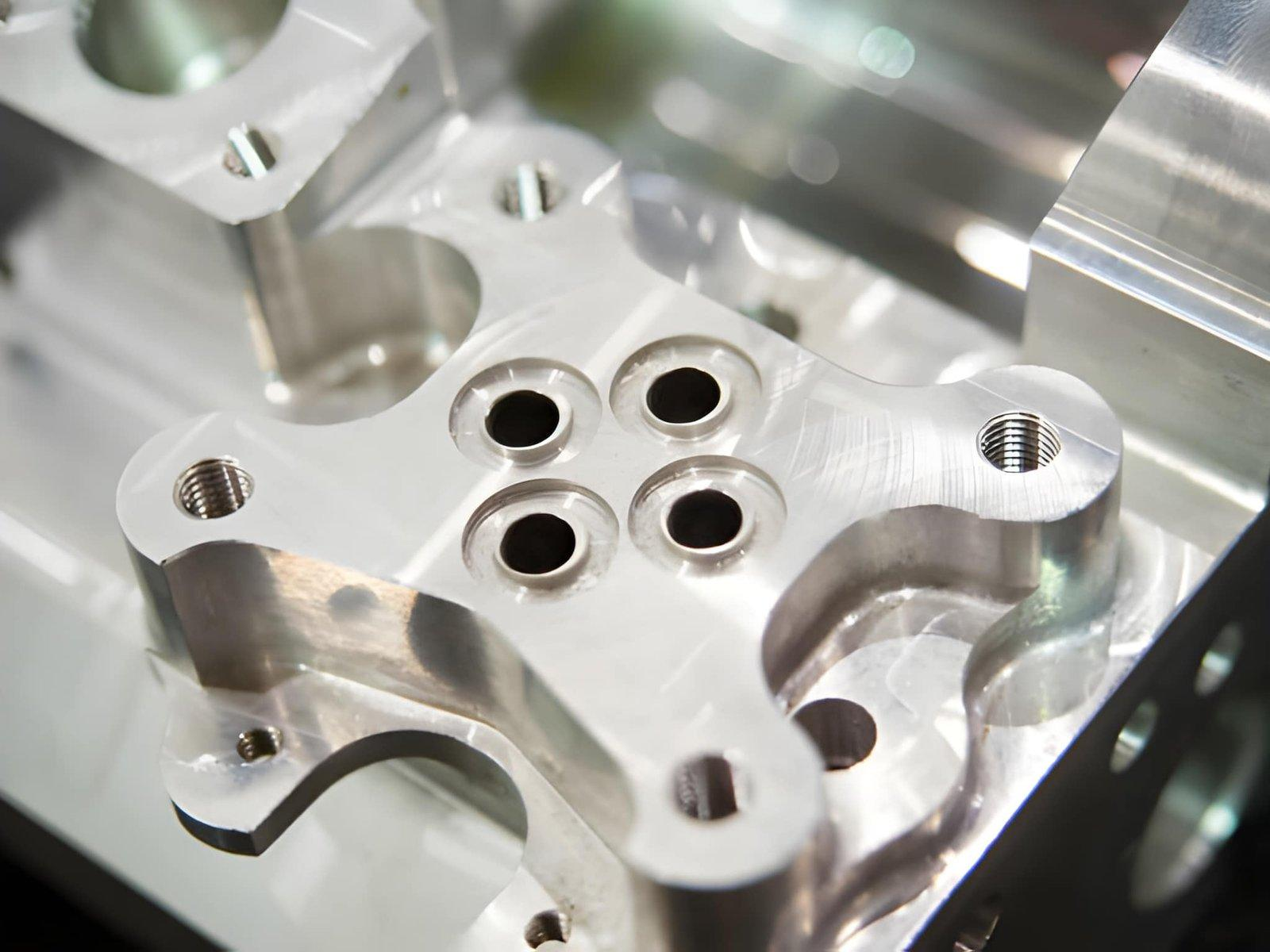
Magnesium alloys can generally be cut at high material-removal rates and can produce good machined surfaces. Tool geometry, sharpness, chip evacuation, cutting conditions, and safe chip-management procedures remain essential.
Corrosion Behavior
Bare magnesium requires careful protection in many service environments. Moisture, salts, dissimilar-metal contact, damaged coatings, and trapped contaminants can accelerate corrosion. The coating and assembly design should be treated as functional engineering requirements.

Thermal and Electrical Characteristics
Magnesium conducts heat and electricity and can provide electromagnetic shielding. Thermal expansion, operating temperature, grounding, and electrical-contact requirements should be considered in the drawing and finishing plan.
Our Magnesium Machining Capabilities
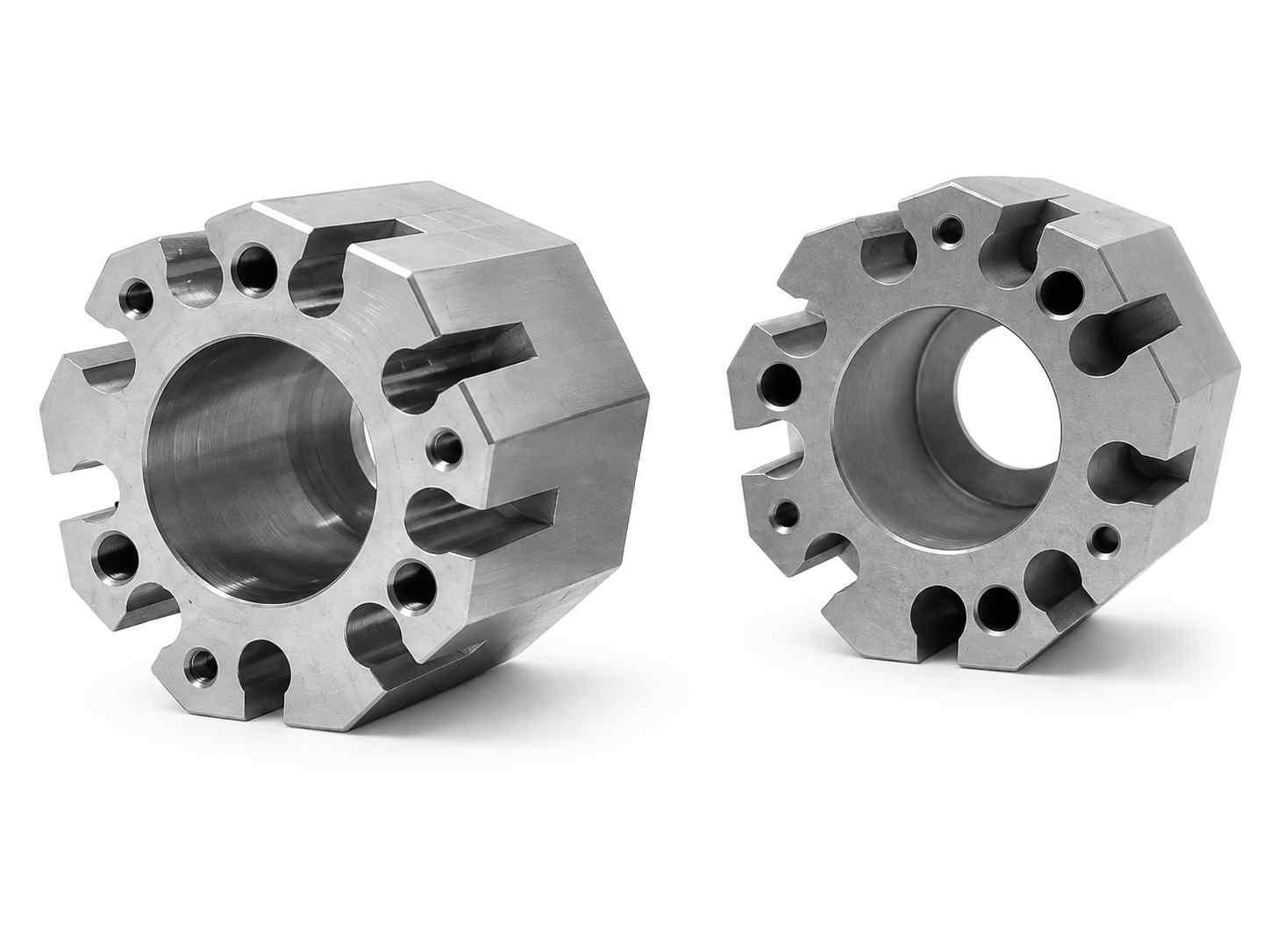
The following capabilities cover common magnesium part requirements. Final feasibility depends on alloy, temper, stock form, part size, geometry, feature access, tolerance, quantity, and finish.
Capability | Supported Work | Technical Considerations |
CNC Milling | Housings, brackets, frames, plates, pockets, ribs, bosses, hole patterns, and multi-face parts | Thin walls, large pockets, workholding, chip evacuation, internal radii, and setup strategy require review. |
CNC Turning | Shafts, sleeves, spacers, bushings, collars, hubs, and round housings | Wall thickness, length-to-diameter ratio, workholding pressure, runout, and concentricity affect feasibility. |
Drilling and Boring | Through holes, blind holes, counterbores, precision bores, and stepped bores | Hole depth, chip evacuation, bottom geometry, burr control, and inspection access should be defined. |
Reaming | Controlled-size holes for pins, bushings, shafts, and alignment features | Stock allowance, interrupted cuts, tool condition, and tolerance determine suitability. |
Threading | Internal and external metric, unified, and application-specific threads | Thread strength, insert requirements, engagement, coating allowance, and galvanic isolation require review. |
Thin-Wall Machining | Covers, housings, electronic structures, lightweight frames, ribs, and webs | Local stiffness, cutting sequence, vacuum or soft-jaw support, distortion, and handling need planning. |
Deburring and Edge Control | Standard deburring, specified chamfers, radii, and controlled edge breaks | Thin edges and delicate ribs require controlled handling; critical sharp edges must be identified. |
Surface-Finish Coordination | Conversion coating, primer, paint, powder coat, PEO, plating, and other approved systems | Pretreatment, buildup, masking, grounding areas, interfaces, and final dimensions must be coordinated. |
Technical Magnesium Machining Parameters
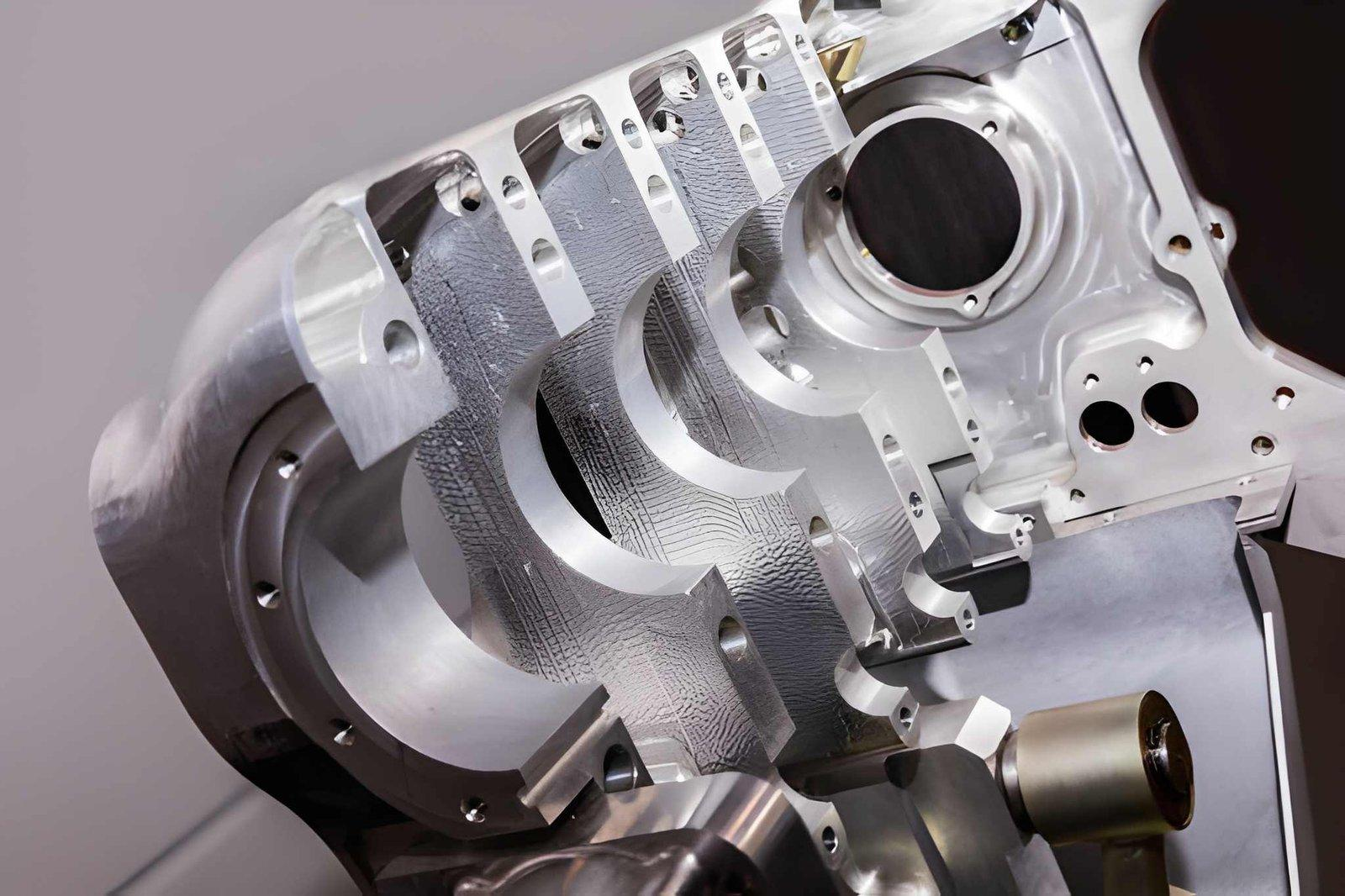
These parameters provide a quotation baseline rather than a universal guarantee. Critical requirements must be confirmed through the drawing and engineering review.
Technical Aspect | Typical Requirement | Important Notes |
Standard Tolerance | ±0.10 mm unless otherwise specified | Applies to general dimensions subject to alloy, stock form, geometry, and accepted quotation. |
Selected Tight Tolerances | Down to ±0.01 mm may be achievable after engineering review | Normally limited to critical features and may require additional operations, stable stock, and expanded inspection. |
Surface Roughness | Specified according to functional requirements | As-machined roughness depends on alloy, tooling, geometry, cutting conditions, and feature access. |
Wall Thickness | Reviewed by part size, alloy, and local support | Thin sections may deflect during machining, resulting in distortion after unclamping, coating, or handling. |
Deep Pockets and Ribs | Reviewed by tool diameter, reach, chip evacuation, and local stiffness | Deep lightweighting features can increase vibration, tool deflection, cycle time, and inspection difficulty. |
Internal Corners | Use the largest practical radius | Larger radii allow more rigid tools and improve material removal, tool life, and surface consistency. |
Threads | Specify standard, class, depth, engagement, and insert needs | State final dimensions after finishing and identify dissimilar-metal isolation requirements. |
Flatness and Parallelism | Defined on critical mounting and sealing faces | Large thin plates may require staged machining, balanced stock removal, and specialized support. |
Concentricity and Runout | Specified for rotating or mating turned features | Datum strategy, workholding, wall thickness, and inspection method affect achievability. |
Material Condition | State alloy, temper, product form, and governing standard | Wrought, forged, extruded, and cast stock can differ in properties and machining behavior. |
Fire-Safety Controls | Managed through controlled machining, chip collection, storage, and trained procedures | Magnesium chips and fines are combustible; feasibility includes safe process and housekeeping review. |
Inspection | Dimensional and visual inspection based on the drawing | Request material certificates, first-article reports, coating records, or additional documentation during quotation. |
Safe Magnesium Machining and Chip Control
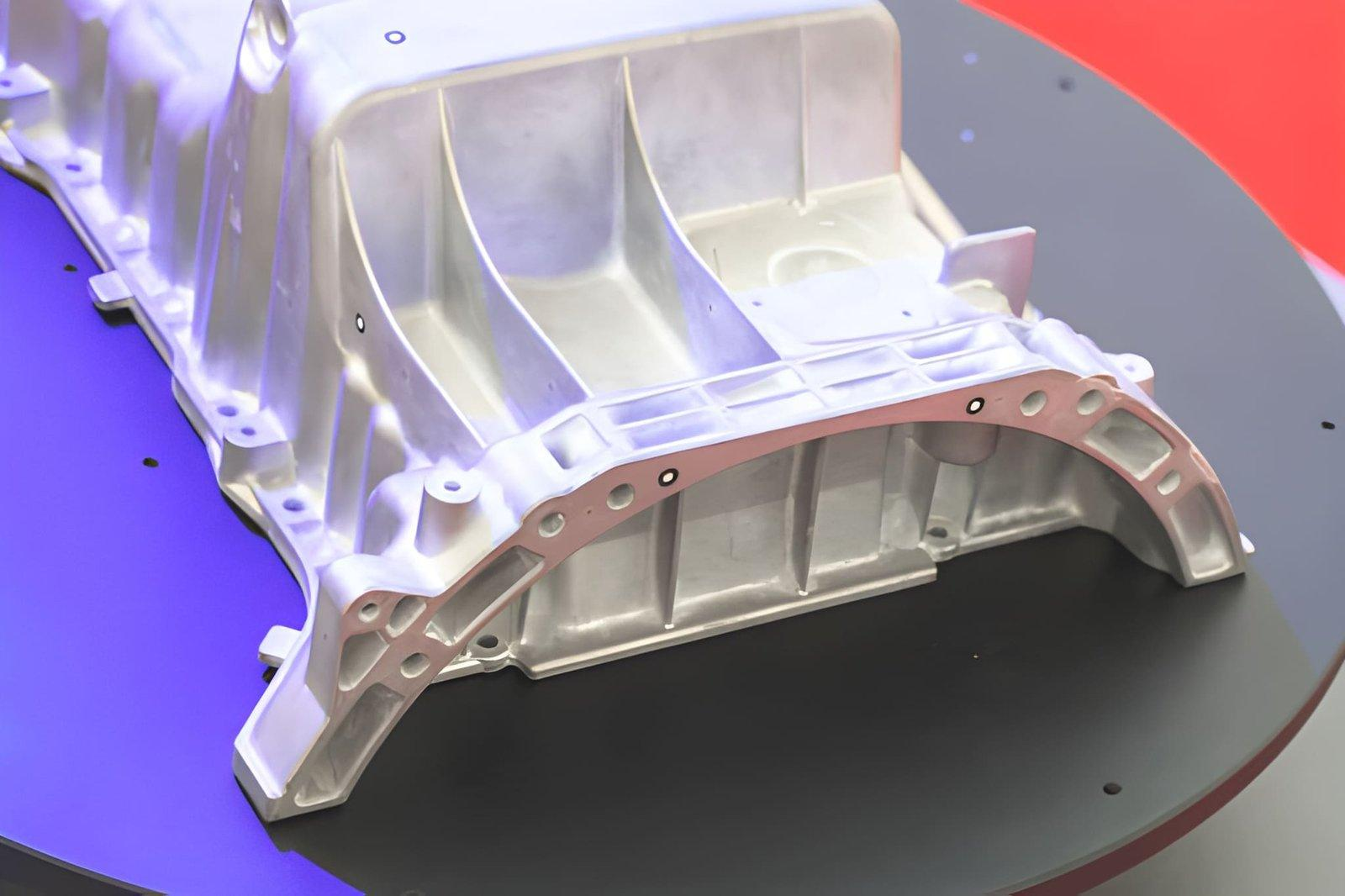
Magnesium components are stable in normal service when correctly designed and used, but chips, fines, and dust created during machining are combustible. The manufacturing process therefore requires dedicated controls for tool condition, heat generation, chip evacuation, collection, housekeeping, storage, and emergency response.
Process details should be established by trained personnel using applicable facility procedures and fire codes. Magnesium fires require appropriate Class D controls; ordinary water-based response methods may be unsuitable. Customers should communicate unusual alloy conditions, contaminated incoming parts, coatings, or mixed-material assemblies before work begins.
Tolerances and Dimensional Control
The standard machining tolerance is ±0.10 mm unless otherwise specified in the accepted drawing or quotation. Tolerances down to ±0.01 mm may be achievable on selected dimensions after engineering review.
Tolerance capability depends on part size, alloy, temper, stock form, wall thickness, feature depth, setup strategy, coating, and inspection method. Tight tolerances should be concentrated on functional interfaces rather than applied to every dimension.
Features That Commonly Require Specific Tolerances
Bearing, bushing, and seal diametersPrecision bores, reamed holes, and insert locationsDowel-hole positions and mating hole patternsDatum faces, flatness, parallelism, and perpendicularityConcentric diameters, runout, and coaxial featuresThread engagement and dimensions after coating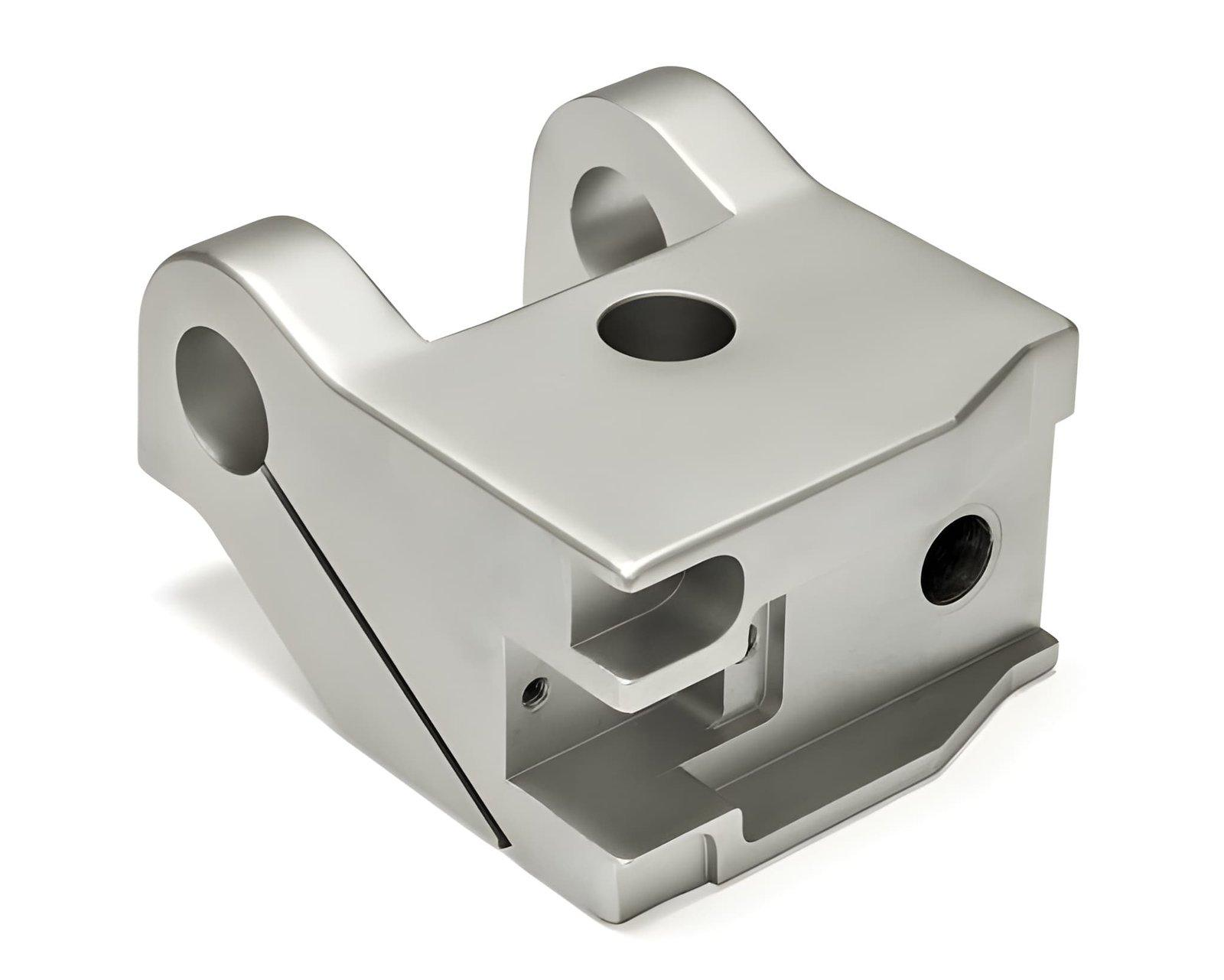
Part Stability and Workholding
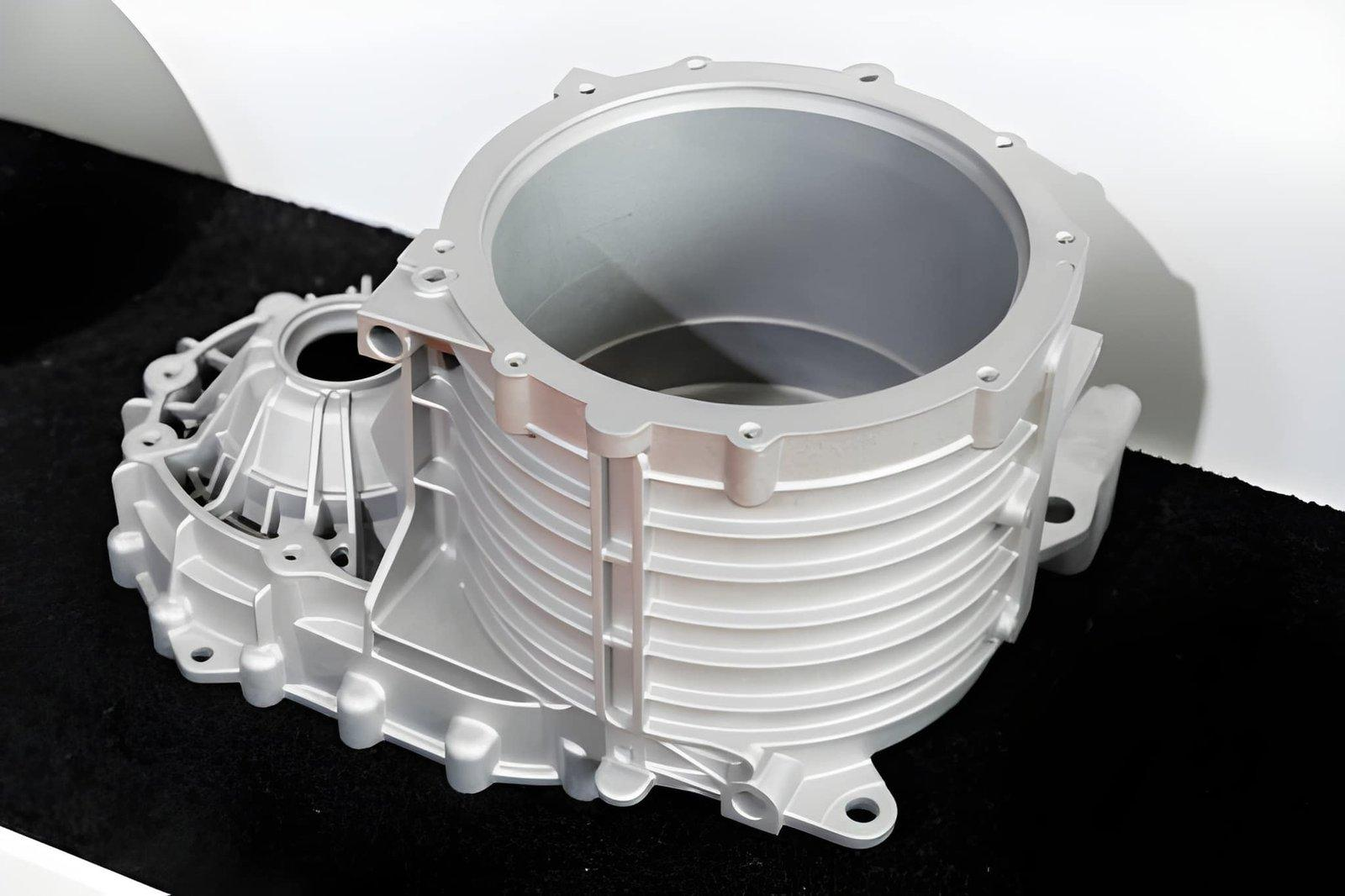
Large pockets, thin ribs, open frames, and low-stiffness sections can move during machining or after unclamping. Workholding pressure, machining sequence, support strategy, balanced material removal, and intermediate inspection may be used to control distortion.
Design Guidelines for Magnesium Machining
Cost-Saving Design Recommendations
Surface Finishes for Magnesium Parts
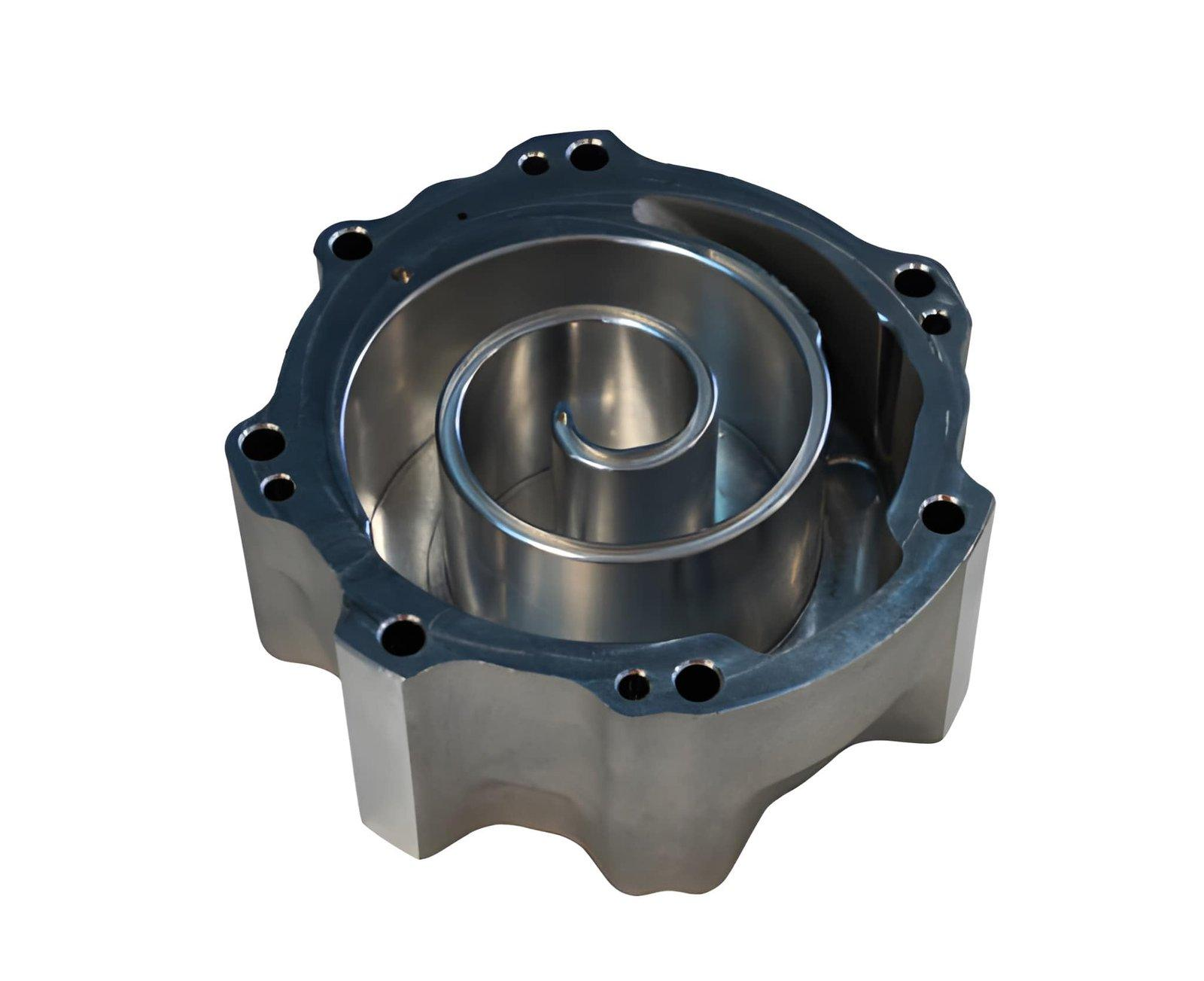
Magnesium finish selection is primarily a corrosion and interface decision. The complete system may include pretreatment, conversion coating, primer, topcoat, sealant, and assembly isolation rather than one decorative layer.
As Machined
Bare as-machined magnesium is generally best limited to controlled prototypes or applications with a validated environmental plan. Clean handling, packaging, storage, and time before finishing matter because unprotected surfaces can oxidize or corrode.
Conversion Coating
A magnesium-compatible conversion coating can improve corrosion protection, paint adhesion, and electrical performance. The selected chemistry, governing specification, coating class, electrical-contact requirements, and environmental compliance should be defined.
Primer and Paint
A qualified primer and paint system can provide corrosion protection and color for housings, brackets, covers, frames, and exposed components. Surface preparation, conversion coating, primer, topcoat, dry-film thickness, and repair procedures should be specified as a complete system.
Powder Coating
Powder coating can provide a durable colored surface when used with suitable magnesium pretreatment. Coating buildup affects threads, fits, sealing faces, grounding areas, and mating interfaces, which may require masking.
Plasma Electrolytic Oxidation
Plasma electrolytic oxidation, also called micro-arc oxidation, can create a hard ceramic-like surface on suitable magnesium alloys. The process can improve wear and corrosion performance but requires application-specific review of alloy, thickness, sealing, dimensional change, and finishing specification.
Electroless Nickel and Other Plating Systems
Electroless nickel or other plated systems may be used on magnesium with specialized pretreatment. Adhesion, porosity, galvanic effects, coating thickness, masking, and service environment must be reviewed with a qualified finishing process.
Machining and Coating Allowances
The drawing should identify whether dimensions apply before or after finishing. Threads, insert bores, bearing seats, sealing surfaces, electrical contacts, grounding points, and assembly interfaces should be clearly marked.
Galvanic Corrosion and Assembly Design
Magnesium is electrochemically active and can corrode rapidly when electrically connected to a more noble metal in the presence of an electrolyte. Fasteners, inserts, bearings, washers, connectors, and adjacent structures therefore require careful material and isolation choices.
- Use approved coatings, sealants, insulating washers, sleeves, gaskets, or barriers where required.
- Prevent water and contaminants from collecting at joints and crevices.
- Specify masked electrical contacts only where conductivity is functionally required.
- Review coating damage risk during fastening, press fitting, or repeated maintenance.
- Define compatible fastener materials and assembly compounds in the engineering specification.
Common Magnesium Machined Parts
Industries Using Machined Magnesium Parts
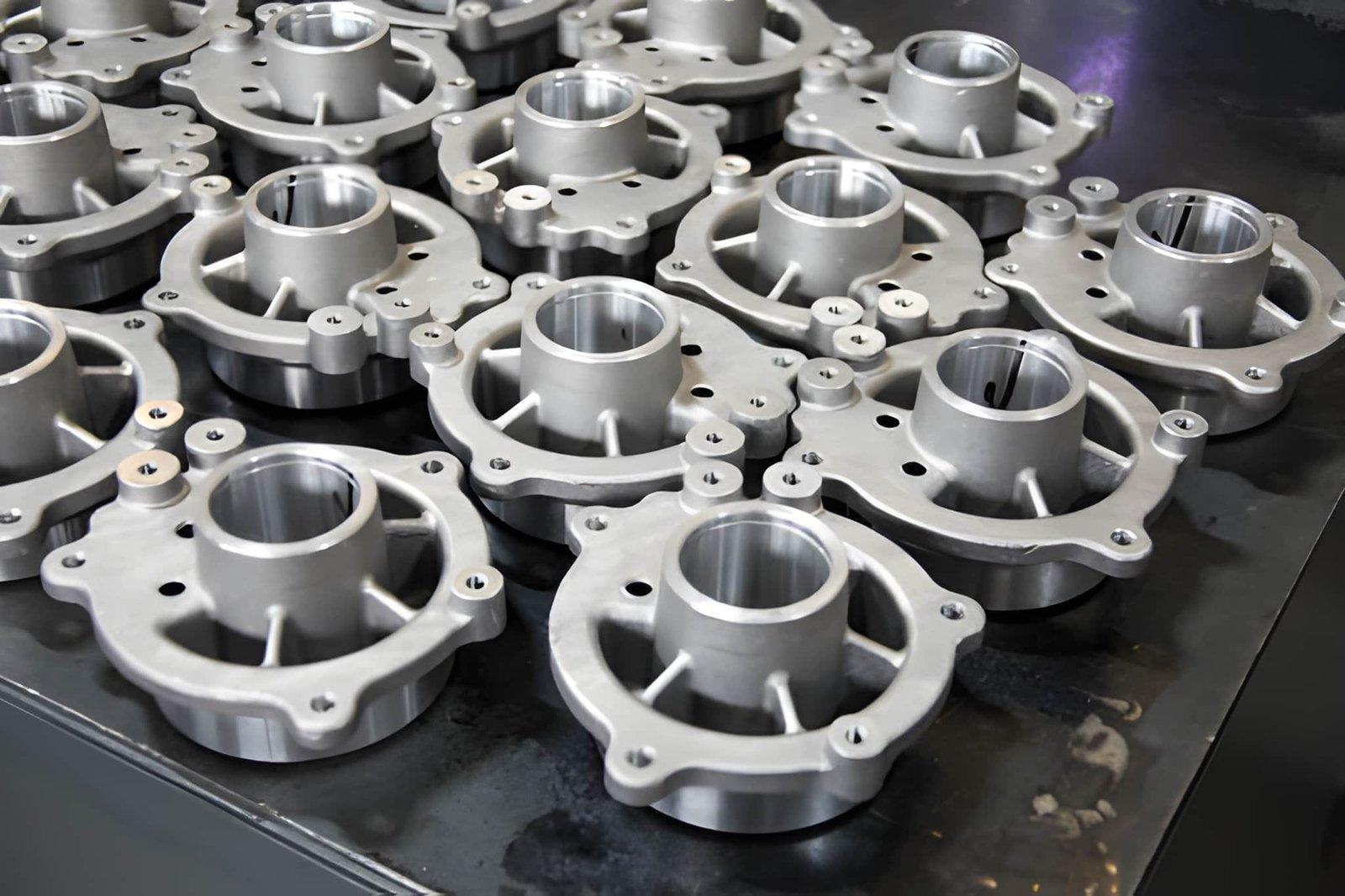
Quality Control and Inspection
Inspection is planned according to the drawing, material specification, part function, tolerance requirements, coating, and required documentation. Material certification, first-article inspection, coating records, or other reports should be requested during quotation.
Material Verification
The alloy, temper, product form, governing standard, and requested certification can be checked against the order. Equivalent substitutions should be approved before production.
In-Process Inspection
Critical dimensions, wall condition, setup datums, tool condition, and machining sequence can be monitored during production according to the manufacturing plan.
Final Inspection
Final dimensional and visual inspection can cover drawing dimensions, threads, inserts, burr control, coating coverage, masked areas, and other order-specific requirements. Measurement methods should match the feature geometry and tolerance.
Information Required for a Magnesium Machining Quote
- 2D drawing and 3D CAD model, when available
- Magnesium alloy, temper, product form, and governing standard
- Quantity and expected repeat-order volume
- Critical dimensions, datums, GD&T, and surface roughness
- Thread inserts, fasteners, and dissimilar-metal interfaces
- Conversion coating, primer, paint, powder coat, PEO, plating, or other finish
- Final dimensions after finishing and all masked areas
- Material certification, inspection reports, coating records, and traceability requirements
- Packaging, storage, assembly, and delivery requirements
Start Your Magnesium Machining Project
Send your drawing and alloy requirements to Sochain Precision. Our engineering team can review stock availability, product form, thin-wall geometry, critical tolerances, machining access, finishing allowances, galvanic-isolation requirements, inspection, quantity, and delivery needs before quotation.
FAQs
There is no universal best alloy. AZ31B is a practical wrought option for many machined plates, brackets, and housings. AZ61, AZ80, ZK60, and WE43 may suit higher-performance requirements when the correct stock form is available. AZ91D is primarily a casting alloy and should be selected with its product form and casting condition in mind.
Magnesium often permits efficient cutting and high material-removal rates, but the overall process is not automatically simpler. Combustible chips and fines require dedicated safety controls, and finished parts often need more careful corrosion and galvanic-protection planning.
Solid magnesium components are widely used in normal service, but machining creates combustible chips, fines, and dust. Work should be performed only with appropriate equipment, trained personnel, chip management, housekeeping, storage, and emergency procedures.
Yes, on suitable features and geometry. Achievable tolerances depend on alloy, temper, stock form, wall thickness, stiffness, setup, coating, and inspection method. Tighter dimensions should be limited to functional features and confirmed during engineering review.
Usually, unless the part is a controlled prototype or the service environment has been specifically validated. Conversion coatings, primers, paint, powder coating, PEO, plating, sealants, and galvanic isolation may form part of the protection system.
They can, but dissimilar-metal contact can create galvanic-corrosion risk in the presence of moisture or other electrolytes. Fastener material, coatings, inserts, insulating barriers, sealants, joint drainage, and maintenance conditions should be reviewed together.
Some magnesium alloys and product forms can be welded using qualified procedures. Alloy, temper, joint design, cleanliness, filler selection, distortion, corrosion protection, and post-weld inspection must be reviewed for the specific application.
Send a 3D CAD model and a controlled 2D drawing when possible. Include the full alloy and temper, quantity, critical tolerances, finish, coating thickness, masked areas, inserts, galvanic-isolation requirements, inspection documents, and certification needs.
Start Manufacturing Your Custom Parts Now!
Understanding Your Goals, Delivering Your Solutions – We’re Committed to Making CNC Machining Simple and Stress-Free!