 (+035) 527-1710-70
 NEWSLETTER

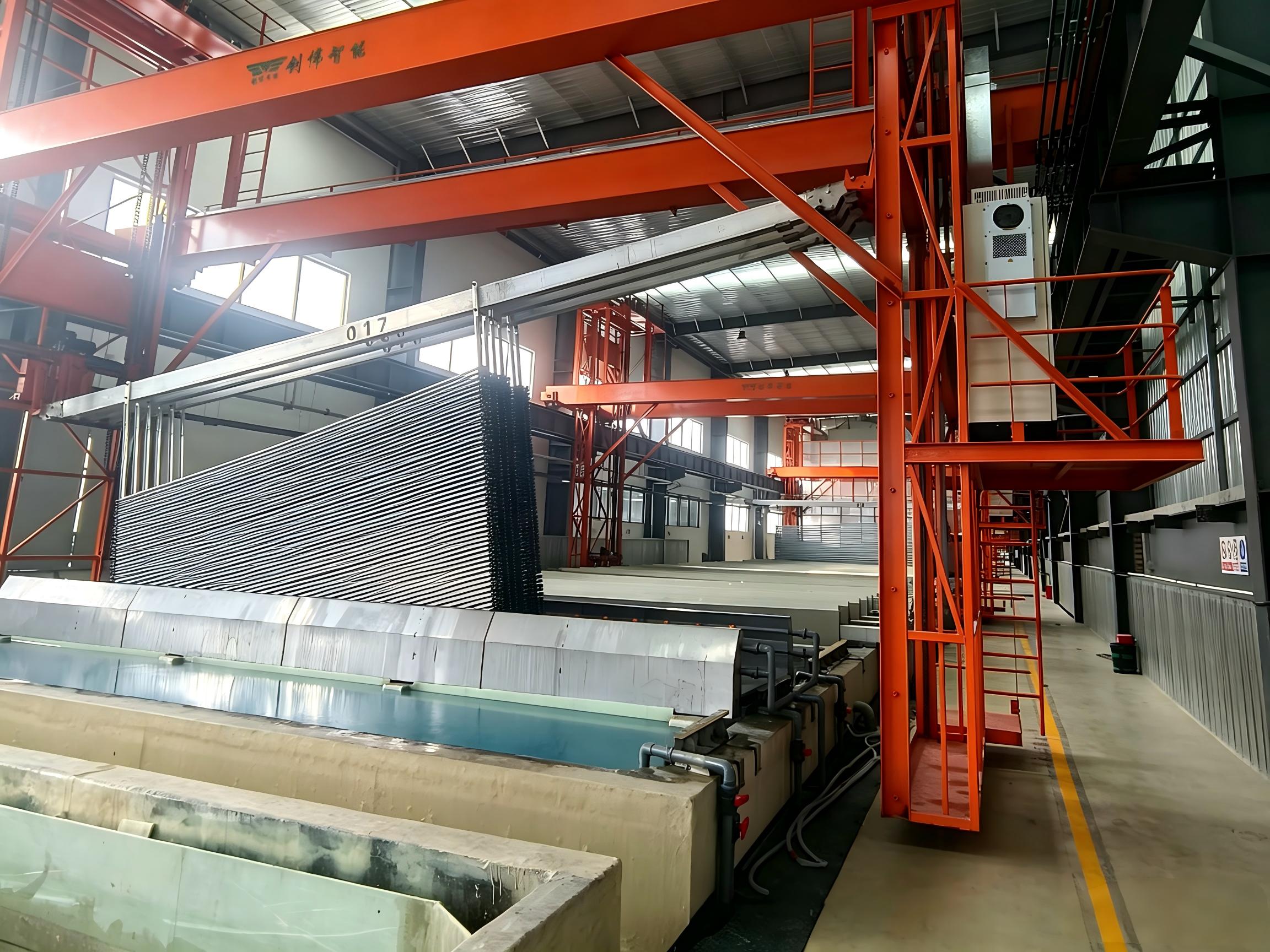
Anodizing aluminum is the most common way to protect and finish CNC-machined aluminum parts. It changes the surface, not the metal underneath. These eight facts tell you what anodizing can do, what it cannot do, and how to specify it correctly.
1. Anodizing Is an Electrochemical Process, Not a Coating
Anodizing is not paint, plating, or powder coating. It is an electrochemical process. The part is placed in an acid bath, and an electric current drives oxygen into the aluminum surface.
The result is a controlled aluminum oxide layer. That layer is part of the metal itself. It does not sit on top of the part like a coating, so it does not peel or flake in normal service.
This distinction matters when you buy. A coating is applied. An anodized layer is grown. That is why anodizing behaves differently under wear, heat, and handling.
2. The Coating Grows From the Aluminum Itself
During anodizing, the oxide layer grows both outward and inward from the original surface. Part of the coating sits above the original dimension, and part replaces base metal below it.
Two practical consequences follow:
- The part grows slightly.You must account for the added thickness on tight-fitting features.
- There is no substrate under the coating.The oxide is chemically bonded to the aluminum, which gives it excellent adhesion.
For most parts the dimensional change is small. For press fits, threads, and precision bores, you need to plan for it. Masking protects those features when the fit matters more than the finish.
3. Anodizing Boosts Corrosion Resistance and Surface Hardness
The oxide layer is hard and inert. It resists corrosion far better than bare aluminum, and it raises surface hardness.
Type II anodizing gives good corrosion protection and a stable, matte finish. Type III hard anodizing produces a much thicker, denser layer with high wear resistance. Hard anodized surfaces are used on sliding parts, bearing areas, and components that face abrasion.
The protection level depends on coating thickness, sealing quality, and the alloy. It also depends on the environment the part will see. Anodizing helps in outdoor, marine, and chemical exposures, but no finish is a guarantee against every condition.
4. Type II and Type III Serve Different Jobs
There are two anodizing types you will specify most often. Each solves a different problem.
| Factor | Type II Anodizing | Type III Hard Anodizing |
| Typical thickness | 1.8 to 25 µm | About 12 to 100 µm (up to ~0.004 inch) |
| Hardness | Moderate | High |
| Wear resistance | Moderate | High |
| Corrosion protection | Good | Excellent |
| Color options | Clear and dyed colors | Clear (grey), black, limited colors |
| Best for | Cosmetic parts and general protection | Wear, sliding, and heavy-duty parts |
| Effect on tolerances | Minimal | Can affect tight fits |
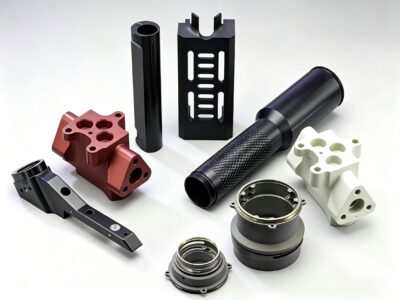
Sochain Precision offers Type II, Type III, and PTFE-sealed hard anodizing on our anodized CNC machined parts service. Choose Type II for appearance and general corrosion protection. Choose Type III when the surface will slide, wear, or take abuse. For low-friction sliding parts, a PTFE-sealed hard anodize adds dry lubrication. Our types of anodizing guide explains each type in detail.
5. Anodizing Changes Part Dimensions
Anodizing adds a controlled oxide layer, so it changes dimensions slightly. The change depends on coating thickness and the ratio of growth to penetration, which varies with the process and alloy.
For Type II, the effect on tolerances is usually minimal. For Type III hardcoat, the thicker layer can affect tight fits. Threads, precision bores, and sealing faces often need masking so they keep their machined size.
The rule for designers: decide critical dimensions, then tell your supplier which features must stay unmasked or which need allowance for the coating. On drawings, call out the anodizing spec and the features that must be protected. This avoids expensive rework after finishing.
6. Alloy Choice Affects Color and Finish Consistency
Not all aluminum alloys anodize the same way. Alloy composition changes how the oxide layer forms and how it accepts dye.
- 6061 and 6063produce uniform coatings and consistent color. They are the most common choices for anodized parts.
- High-silicon alloyssuch as castings can produce darker, uneven finishes.
- High-copper alloyssuch as 2024 anodize with a different tint and may be less uniform.
If color consistency matters, choose a machinable alloy like 6061-T6 or 6063-T6. For more on aluminum alloys, read our guide to aluminum. If the part must use a specific alloy for strength, confirm the expected anodized appearance with your supplier before production.
7. Anodized Aluminum Is Electrically Insulating
The anodized layer is an electrical insulator. That is an advantage in some applications and a problem in others.
For heatsinks, bus bars, connectors, and electronic housings, anodizing can add unwanted resistance at contact points. When conductivity is required, mask the contact areas so they stay bare, or skip anodizing on those surfaces.
For enclosures and components where electrical insulation is a feature, the oxide layer is a benefit. It also provides a stable surface for electronics and control equipment. Specify which surfaces must stay conductive, and your supplier will mask them.
8. Anodizing Cost Depends on Part and Batch Factors
There is no single price for anodizing. Cost depends on the part and the job. The main factors are:
- Type— Type III hard anodizing costs more than Type II
- Part size and surface area— larger parts use more bath capacity
- Color and dye— colored parts add process steps
- Masking— protecting threads and bores takes labor
- Preparation— blasting or tumbling before anodizing adds a step
- Batch size— larger batches spread the tank and handling cost
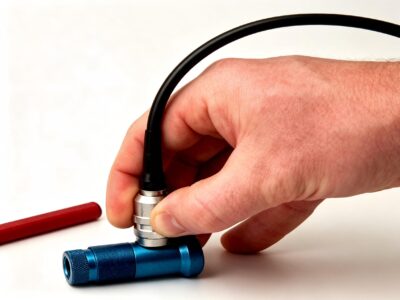
- Inspection and documentation— coating thickness checks add effort
Typical anodizing lead time is 5 to 10 days, depending on type, quantity, and current load. The fastest way to get a real price and timeline is to send the drawing with your anodizing requirement. At Sochain Precision, we handle machining and finishing together, so you source both from one supplier.
When Not to Use Anodizing
Anodizing is a great finish, but it has limits. Use these points to decide when it is not the right choice:
- Bare conductivity is required.Anodized surfaces are insulating. Use masking or another finish for contact areas.
- Tight fits on many features.Thick hardcoat layers change dimensions. If you cannot allow for the coating, consider another finish.
- The alloy will not anodize well.High-silicon or high-copper alloys give uneven results.
- The part is not aluminum.Anodizing only works on aluminum and a few other metals. Steel and brass need plating or other finishes.
- Wear is the only goal and the layer is too thin.For extreme abrasion, hard anodize or a different surface treatment may be needed.
When a finish does not fit the part, a good supplier will say so. Honest advice saves you from a part that fails in service.
The Anodizing Process Step by Step
The process follows controlled steps.
- Cleaning — the part is degreased and rinsed.
- Etching or desmutting — prepares the surface.
- Anodizing — current builds the oxide layer in the bath.
- Rinsing — removes the acid.
- Coloring — dye fills the porous coating, if required.
- Sealing — closes the pores for corrosion resistance.
Each step affects the final coating. Sealing quality is especially important, because unsealed anodize absorbs stains and corrodes faster.
Anodizing vs Powder Coating
Anodizing and powder coating protect aluminum differently.
- Anodizing grows from the metal and does not peel. It suits precision parts and tight tolerances.
- Powder coating adds a thick polymer layer. It offers more color and impact resistance but adds dimension.
- Anodizing is thinner and keeps part geometry.
- Powder coating is better for heavy exterior abuse.
Choose by tolerance, wear, and appearance. Confirm the finish with the supplier.
Why Choose Sochain Precision for Anodized Aluminum?
We machine aluminum and anodize in Type II, Type III, and PTFE-sealed hardcoat, with masking for critical features.
Quality: ISO 9001:2015 quality system, coating checks, calibrated inspection, material traceability, and inspection reports on request.
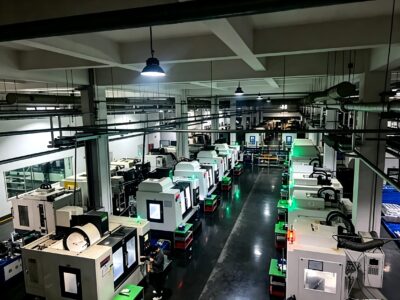
Capabilities: 3/4/5-axis machining plus anodizing and finishing in one workflow.
Track record: 25+ years of CNC expertise, 500+ global clients, and 1M+ parts delivered.
Send your drawing and anodizing requirement for a free review. Contact us.
FAQs
- What does anodizing do to aluminum?
It grows a hard, corrosion-resistant oxide layer on the surface. The layer is part of the metal and does not peel.
- Does anodizing change part dimensions?
Yes, slightly. The oxide adds thickness. The effect is small for Type II and larger for Type III hard anodizing.
- Which aluminum alloys anodize best?
6061 and 6063 give uniform coatings and consistent color. High-silicon and high-copper alloys can be uneven.
- Can anodized parts be any color?
Type II can be dyed in colors such as black, red, blue, and gold. Type III is usually clear, grey, or black.
- Is anodizing scratch-resistant?
The layer is hard, especially Type III hardcoat. Resistance depends on thickness, alloy, and the force applied.
- How long does anodizing take?
Typical lead time is 5 to 10 days, depending on type, quantity, and current shop load.
- Will anodizing hide machining marks?
No. Type II does not hide machine marks. Blasting or tumbling before anodizing can create a uniform texture.
- Is anodized aluminum electrically conductive?
No. The oxide layer is an insulator. Mask contact areas if conductivity is required.
- What is the difference between Type II and Type III?
Type II is thinner and used for corrosion protection and color. Type III is thicker, harder, and used for wear resistance.
- Can you anodize and machine in one place?
Yes. Sochain Precision machines aluminum parts and applies Type II, Type III, and PTFE-sealed hard anodizing in one workflow.
Get an Anodizing Quote for Your Aluminum Parts
Anodizing makes aluminum parts last longer and look better, when it is specified correctly. Send your drawing and anodizing requirement to Sochain Precision for a free engineering review and a real quote. Contact us to discuss your part.