 (+035) 527-1710-70
 NEWSLETTER

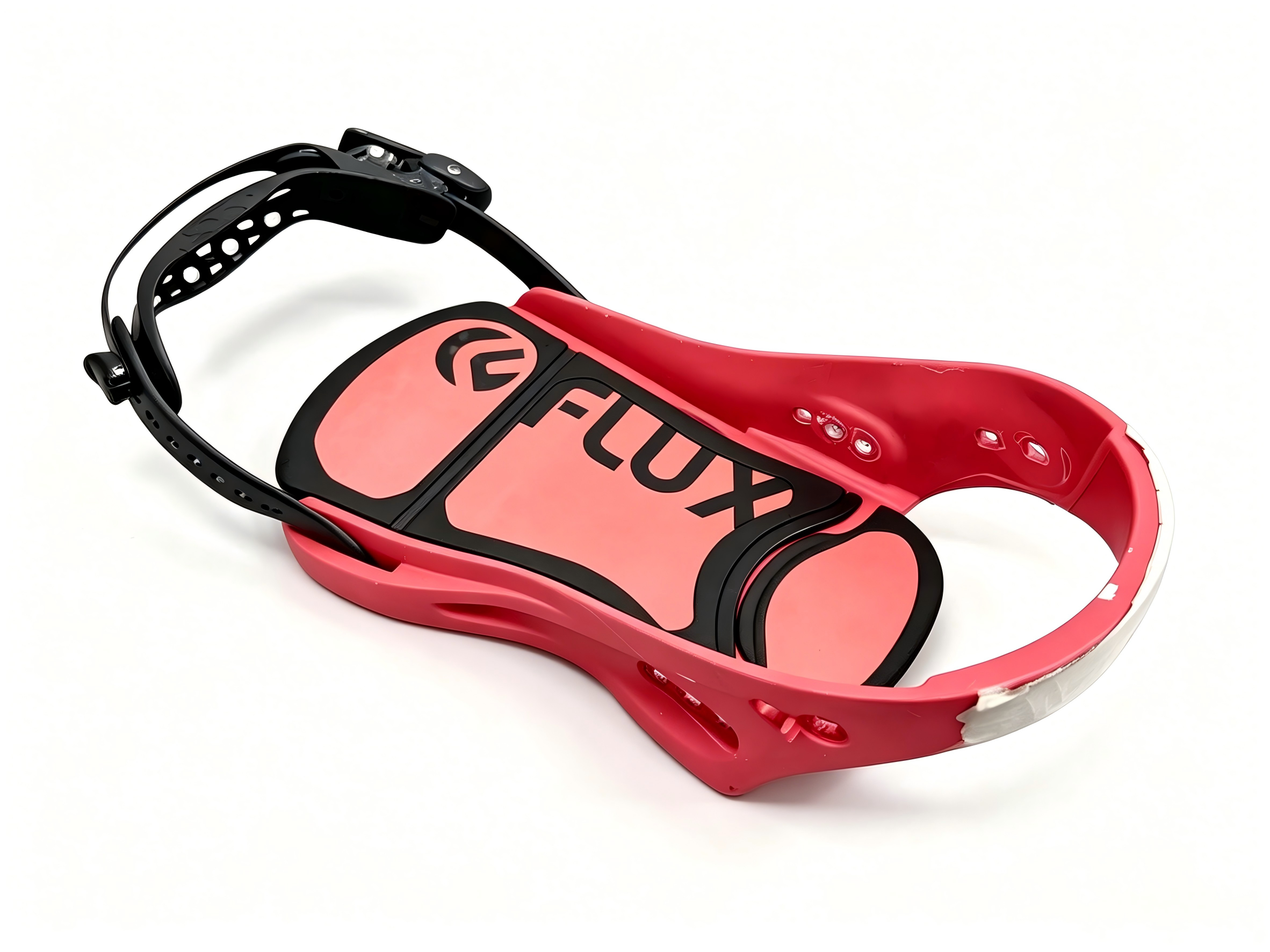
Snowboard bindings are among the most critical components of any snowboard setup. They serve as the mechanical connection between the rider’s boots and the snowboard, directly influencing comfort, responsiveness, safety, and overall riding performance.
While snowboarders often focus on the board itself, experienced riders and equipment manufacturers understand that the quality of individual binding components plays a major role in product reliability and user experience. Components such as teeth racks, ratchet buckles, baseplates, heel cups, ladder straps, and mounting discs must withstand repeated impacts, extreme temperatures, moisture, UV exposure, and mechanical stress throughout their service life.
As the winter sports industry continues to evolve, snowboard brands increasingly rely on specialized manufacturers for precision CNC machining, plastic injection molding, rapid prototyping, and mass production of binding components.
This guide explains the major snowboard binding components, their functions, materials, manufacturing methods, and how OEM brands can select the right manufacturing partner for custom snowboard binding parts.
What Are Snowboard Binding Components?
Snowboard bindings consist of multiple interconnected components designed to securely hold a rider’s boots while allowing precise control of the snowboard.
The most common snowboard binding components include:
| Component | Primary Function |
| Baseplate | Connects the binding to the snowboard |
| Heel Cup | Supports the rear portion of the boot |
| Teeth Rack | Enables strap adjustment and locking |
| Ratchet Buckle | Tightens and secures straps |
| Ladder Strap | Provides adjustable engagement with ratchet |
| Mounting Disc | Attaches the binding to the snowboard |
| Highback | Provides rear support and control |
| Adjustment Hardware | Fine-tunes fit and performance |
Each component must be carefully engineered to balance durability, weight, comfort, and manufacturing cost.
How Does a Snowboard Binding System Work?
A snowboard binding system functions by securely attaching the rider’s boots to the snowboard while allowing efficient transfer of energy and movement.
The process typically works as follows:
- The rider places their boot into the binding.
- The ankle and toe straps are positioned over the boot.
- The ratchet buckle engages the teeth rack or ladder strap.
- The ratchet mechanism tightens the straps incrementally.
- The baseplate transfers rider movements directly to the snowboard.
This mechanical system allows riders to maintain maximum board control while remaining securely attached during aggressive maneuvers, jumps, and high-speed descents.
What Is a Binding Teeth Rack?
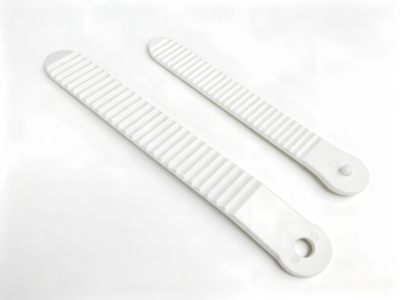
The teeth rack is one of the most important adjustment components within a snowboard binding system.
It consists of a series of precisely engineered teeth that engage with the ratchet buckle, allowing riders to tighten or loosen the straps according to their boot size and personal preference.
Primary Functions of a Teeth Rack
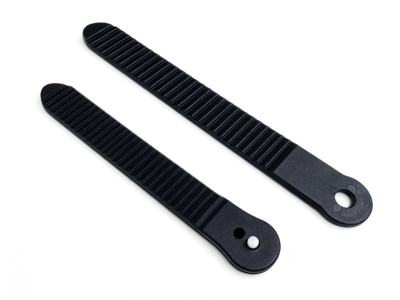
- Adjustable strap positioning
- Secure engagement with ratchet buckles
- Even force distribution
- Quick release functionality
- Long-term wear resistance
Without a properly designed teeth rack, bindings can become loose, uncomfortable, or unsafe during riding.
Common Teeth Rack Designs
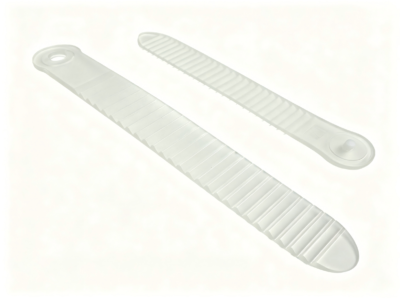
Straight-Tooth Rack
The most common design used in entry-level and mid-range bindings.
Advantages:
- Lower manufacturing cost
- Easy mold design
- Reliable performance
Angled-Tooth Rack
Provides smoother engagement and improved locking performance.
Advantages:
- Better load distribution
- Reduced wear
- Improved adjustment feel
Reinforced Teeth Rack
Uses thicker geometry and higher-strength materials.
Advantages:
- Increased durability
- Better impact resistance
- Longer service life
Composite Teeth Rack
Manufactured using glass-filled engineering plastics.
Advantages:
- Lightweight
- High strength-to-weight ratio
- Excellent cold-weather performance
Common Failure Modes
Manufacturers must carefully evaluate:
- Tooth wear
- Stress cracking
- Impact damage
- UV degradation
- Low-temperature brittleness
Proper material selection significantly reduces these risks.
Materials Used in Snowboard Binding Components
Material selection directly affects durability, weight, rider comfort, and manufacturing costs.
Common Material Comparison
| Component | Material | Manufacturing Process |
| Baseplate | Aluminum 6061 | CNC Machining |
| Heel Cup | Aluminum Alloy | CNC Machining |
| Teeth Rack | Glass-Filled Nylon | Injection Molding |
| Ratchet Buckle | Zinc Alloy | Die Casting |
| Mounting Disc | Nylon | Injection Molding |
| Hardware | Stainless Steel | CNC Machining |
| Structural Components | Aluminum 7075 | CNC Machining |
Aluminum 6061
Aluminum 6061 is widely used in premium snowboard bindings.
Benefits include:
- Excellent corrosion resistance
- Lightweight properties
- Good machinability
- High strength
Applications:
- Baseplates
- Heel cups
- Structural brackets
Aluminum 7075
For high-performance bindings, Aluminum 7075 offers:
- Superior strength
- Enhanced fatigue resistance
- Lower weight
Commonly used in professional-grade products.
Glass-Filled Nylon
Glass-filled nylon is frequently selected for teeth racks and ladder straps.
Advantages include:
- High wear resistance
- Low weight
- Excellent impact performance
- Good cold-weather stability
Polycarbonate
Polycarbonate offers:
- Excellent impact resistance
- UV stability
- Dimensional consistency
Often used in accessory components and protective housings.
CNC Machined Snowboard Binding Components
CNC machining plays a critical role in the production of premium snowboard binding parts.
Compared with cast or molded alternatives, CNC-machined components provide superior precision, consistency, and mechanical performance.
Common CNC Machined Components
- Baseplates
- Heel cups
- Mounting hardware
- Adjustment brackets
- Structural supports
- Performance upgrade components
Advantages of CNC Machining
Exceptional Precision
Modern CNC machining centers can achieve tolerances as tight as ±0.01 mm.
This precision improves:
- Component fit
- Mechanical performance
- Product consistency
Improved Strength
Machined aluminum components often outperform molded alternatives in demanding applications.
Better Surface Quality
CNC machining enables:
- Smooth finishes
- Precise contours
- Enhanced aesthetics
Faster Product Development
Rapid CNC prototyping allows brands to test designs before investing in production tooling.
Injection Molded Snowboard Binding Parts
Plastic injection molding is essential for producing high-volume snowboard binding components.
Common Injection Molded Components
- Teeth racks
- Ladder straps
- Buckle housings
- Covers
- Adjustment mechanisms
- Structural plastic parts
Benefits of Injection Molding
Cost Efficiency
Once tooling is complete, per-part production costs become extremely competitive.
High Production Speed
Thousands of identical components can be produced daily.
Design Flexibility
Complex geometries can be molded efficiently.
Material Options
Manufacturers can choose from:
- Nylon
- Glass-filled nylon
- Polycarbonate
- TPU
- ABS
depending on performance requirements.
Common Manufacturing Challenges
Producing snowboard binding components requires overcoming several engineering challenges.
Cold Temperature Performance
Bindings may operate below -20°C.
Materials must resist:
- Cracking
- Brittleness
- Loss of flexibility
Impact Resistance
Components must withstand:
- Jumps
- Landings
- Sudden impacts
without structural failure.
UV Resistance
Outdoor exposure can accelerate material degradation.
UV-stabilized materials improve product lifespan.
Wear Resistance
Teeth racks and ratchet systems experience repeated friction.
Material selection and surface design are critical.
Weight Reduction
Consumers increasingly demand lightweight equipment.
Manufacturers must balance:
- Strength
- Durability
- Weight
- Cost
CNC Machining vs Injection Molding for Binding Components
| Factor | CNC Machining | Injection Molding |
| Initial Tooling Cost | Low | High |
| Prototype Speed | Fast | Moderate |
| Part Precision | Very High | High |
| Production Volume | Low to Medium | Medium to High |
| Material Waste | Higher | Lower |
| Unit Cost at High Volume | Higher | Lower |
Most premium snowboard bindings combine both processes to optimize performance and cost.
How to Choose a Snowboard Binding Component Manufacturer
Selecting the right supplier is essential for product quality and long-term success.
Key factors include:
Engineering Support
The manufacturer should provide Design for Manufacturability (DFM) feedback.
Material Expertise
Experience with aluminum alloys and engineering plastics is critical.
CNC Machining Capability
Advanced 3-axis, 4-axis, and 5-axis machining improves quality and efficiency.
Injection Molding Experience
Tool design expertise directly impacts part quality.
Quality Control
Look for:
- First Article Inspection
- Dimensional Reports
- Material Certification
- Process Control Systems
Prototyping Capability
Rapid prototype services accelerate product development.
Why OEM Brands Source Binding Components from China
Many leading sporting goods brands source components from China due to:
- Competitive manufacturing costs
- Advanced CNC machining capabilities
- Mature supply chains
- Fast tooling development
- Flexible production volumes
- Strong engineering support
China remains one of the world’s leading centers for precision manufacturing and plastic injection molding.
How Sochain Precision Manufactures Custom Snowboard Binding Components
At Sochain Precision, we support OEM and ODM customers with complete manufacturing solutions for snowboard binding components.
Our capabilities include:
Precision CNC Machining
- 3-axis machining
- 4-axis machining
- 5-axis machining
- Aluminum component manufacturing
- Stainless steel hardware production
Plastic Injection Molding
- Mold design and development
- Engineering plastics processing
- Glass-filled nylon molding
- High-volume production
Rapid Prototyping
Fast prototype production helps customers validate designs before mass manufacturing.
Quality Assurance
Our inspection processes include:
- Dimensional verification
- Material certification
- Functional testing
- Production monitoring
Whether you require custom teeth racks, baseplates, heel cups, ratchet components, or complete binding assemblies, our engineering team can support your project from concept to production.
FAQs
1.What is a snowboard binding teeth rack?
A snowboard binding teeth rack is an adjustable component that engages with the ratchet buckle, allowing riders to tighten and secure binding straps.
2.What material is best for snowboard binding components?
Aluminum 6061, Aluminum 7075, glass-filled nylon, and polycarbonate are among the most commonly used materials.
3.Are snowboard binding baseplates CNC machined?
Many premium baseplates are CNC machined from aluminum alloys to maximize strength and precision.
4.Can snowboard binding components be custom manufactured?
Yes. OEM manufacturers frequently develop custom binding components using CNC machining and injection molding.
5.What is the difference between a ratchet buckle and a teeth rack?
The ratchet buckle provides the tightening mechanism, while the teeth rack serves as the adjustable engagement surface.
6.What plastics are commonly used in snowboard bindings?
Glass-filled nylon, TPU, polycarbonate, and ABS are widely used depending on performance requirements.
7.Can one supplier provide both CNC machining and injection molding?
Yes. Integrated manufacturers can streamline development, reduce lead times, and improve quality consistency.
Conclusion
Snowboard binding performance depends on the quality of every individual component, from teeth racks and ratchet buckles to baseplates and heel cups. Proper material selection, engineering design, CNC machining precision, and injection molding expertise all contribute to product durability, rider safety, and overall performance.
For brands developing custom snowboard binding systems, partnering with an experienced manufacturing supplier can significantly reduce development time and improve product quality.
Looking for a reliable manufacturer for custom snowboard binding components? Sochain Precision provides precision CNC machining, plastic injection molding, rapid prototyping, and mass production services for OEM winter sports equipment brands worldwide.