 (+035) 527-1710-70
 NEWSLETTER

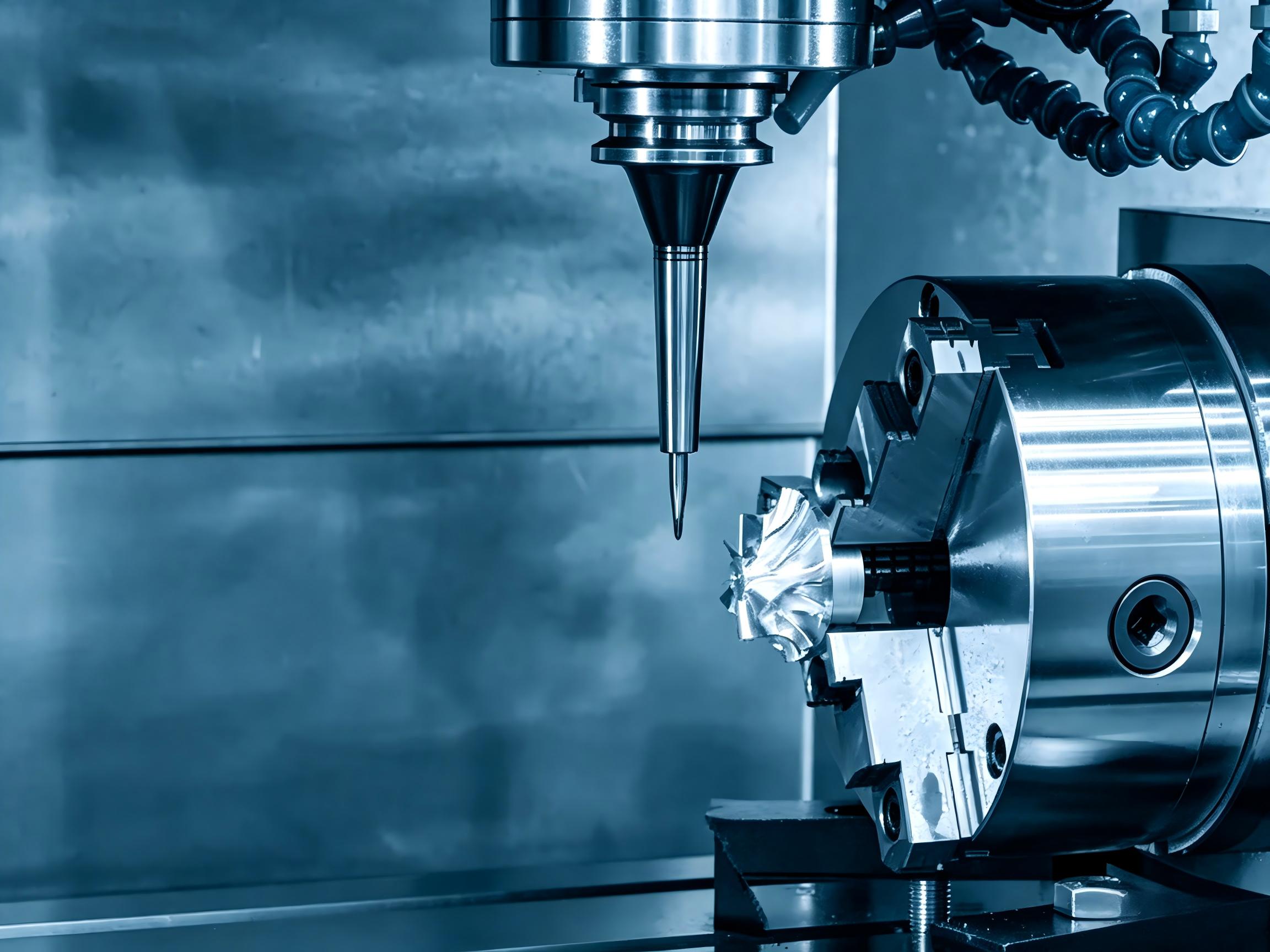
CNC machines are described by the number of axes they move. More axes usually means more complex parts, fewer setups, and higher cost. This guide explains what each axis count can do, so you can match the machine to your part.
What Do CNC Axes Mean?
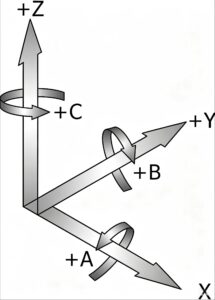
An axis is a direction of motion controlled by the machine. The three linear axes are X, Y, and Z. Rotary axes add rotation of the part or the tool, usually labeled A, B, and C.
Axis counts apply across CNC machine architectures, not only milling centers. Lathes, mill-turn centers, Swiss-type machines, and multi-spindle machines all use axis terminology. The right axis count depends on your geometry, material, and volume.
More axes let the tool reach more surfaces without moving the part. The trade-off is machine cost, programming complexity, and setup skill.
At Sochain Precision, we run 3-axis, 4-axis, and 5-axis machines, covered on our 4-axis and 5-axis service pages. We also support turned and milled components with multi-axis lathes. We select the axis count based on what the part actually needs.
3-Axis CNC Milling
A 3-axis machine moves the tool in X, Y, and Z. It machines one face of a part at a time.
3-axis machining is the workhorse of CNC work. It handles plates, brackets, pockets, holes, and simple housings. The part is repositioned manually or with fixtures to machine other faces.
Best for: flat parts, simple 2.5D features, low to medium complexity, and cost-sensitive work. Most parts do not need more than 3 axes.
4-Axis CNC Machining
A 4-axis CNC machine adds one rotary axis—A, B, or C, depending on the machine configuration. The rotary axis lets the machine index or continuously rotate the workpiece.
This lets the machine cut around cylindrical features and machine multiple sides in one setup. That improves alignment between features and reduces handling.
Best for: parts with radial features, flanges, bosses, and holes around a cylinder, such as housings and rotary components.
5-Axis CNC Machining
A 5-axis machine combines three linear axes with two rotary axes. The cutting tool can approach multiple faces and complex surfaces without repeatedly re-fixturing the workpiece.
5-axis machining is widely used for complex parts that require multiple tool orientations, curved surfaces, or access to several faces in one setup. It machines deep cavities, angled holes, and undercuts without re-clamping.
Best for: aerospace, medical, automotive, and complex 3D geometry. Sochain Precision uses 5-axis machines for high-accuracy parts and complex shapes.
What Is the Difference Between 3+2 and Simultaneous 5-Axis Machining?
There are two ways to use a 5-axis machine, and the difference matters.
- 3+2 machining— the rotary axes position the workpiece or tool, then the machine performs a 3-axis cutting operation. It is also called positional or indexed 5-axis machining. It is fast, rigid, and ideal for machining angled faces and holes.
- Simultaneous 5-axis machining— all five axes move at the same time during cutting. The tool follows a continuous 3D path. It suits sculpted surfaces, impellers, and complex contours.
3+2 is often the better choice for most parts because it is stiffer and faster. Simultaneous 5-axis is needed when the surface geometry cannot be cut with fixed orientations.
This distinction is one of the first questions an engineer should ask a supplier. The answer shows real process knowledge.
6-Axis and Higher
6-axis and higher-axis-count machines use additional rotary, linear, spindle, turret, or synchronized axes depending on the machine architecture. These systems are more commonly found in mill-turn, Swiss-type, multi-spindle, and other specialized CNC platforms rather than conventional milling centers.
Common high-axis platforms:
- Mill-turn machines combine milling and turning in one setup.
- Swiss-type lathes with multiple axes produce tiny, complex parts from bar stock.
- Multi-spindle machines run several operations at once for high-volume work.
More axes do not automatically mean a better part. They mean the machine can do more in one setup, which is valuable only when the part needs it.
Axis Comparison Table
| Machine Type | Linear Axes | Rotary Axes | Typical Capability | Best For |
| 3-axis | X, Y, Z | None | One-face milling, drilling, pocketing | Plates, brackets, simple parts |
| 4-axis | X, Y, Z | 1 | Radial features, multi-side machining | Housings, flanges, cylinders |
| 5-axis | X, Y, Z | 2 | Complex 3D shapes, angled features, one-setup work | Aerospace, medical, molds |
| Multi-axis / mill-turn | X, Y, Z | Varies | Mill-turn, Swiss, multi-spindle operations | Complex and high-volume parts |
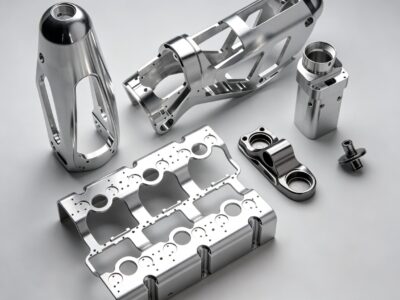
Axis configurations vary by machine architecture and may combine linear axes, rotary axes, multiple spindles, and turrets.
The useful measure is not the axis count. It is whether the part can be made accurately and economically with the setups available.
How Many Axes Do You Need?
Match the machine to the geometry:
- Simple flat parts— 3-axis is enough and cheapest.
- Parts with features on several faces— 4-axis reduces setups and improves alignment.
- Complex surfaces and angled features— 5-axis is the right choice.
- Small, precise, bar-fed parts— Swiss-type multi-axis lathes shine.
- High-volume turned and milled parts— mill-turn or multi-spindle machines.
If you are unsure, send the drawing. A good supplier recommends the machine after reviewing the geometry, not before. For a deeper look, read our multi-axis machining article and guide to milling machines.
Cost and Trade-Offs
Each additional axis adds cost. Machine purchase price, tooling, programming, and operator skill all increase.
- 3-axis— lowest cost, easiest to program.
- 4-axis— moderate cost, fewer setups.
- 5-axis— higher cost, but fewer setups and better accuracy on complex parts.
- Multi-axis turn-mill— high cost, justified by combining operations.
The cost decision is about total project cost. A 5-axis machine may cost more per hour, but if it removes setups and rework, the part can end up cheaper.
When More Axes Are Not Needed
More axes are not always better:
- Simple flat parts waste 5-axis capability.
- High-volume, simple geometry is often cheaper on dedicated 3-axis work.
- Very large parts may not fit a 5-axis work envelope.
- Programming complexity can slow a simple job.
The honest answer is often “3-axis is enough.” Good suppliers say so, and only move to more axes when the geometry earns it.
Machine Configurations Explained
Vertical machining centers are the most common. The spindle is vertical, and the table moves in X and Y. They suit most milling work.
Horizontal machining centers have a horizontal spindle. Chips fall away naturally, and the design suits heavy cuts and high-volume work.
Gantry and bridge machines carry the spindle on a frame above the table. They handle large parts.
5-axis machines come in two main styles. Trunnion machines tilt the table. Head-mounted machines tilt the spindle. Each has different work envelope and stiffness.
The configuration matters as much as the axis count. It affects part size, chip control, and how the part is fixtured.
Machine Accuracy vs Part Accuracy
More axes reduce setups. Fewer setups mean fewer chances to introduce error.
Each time a part is re-clamped, datums can shift. A 5-axis machine machines several faces in one setup, so alignment stays tight. That is why complex parts hold position better on multi-axis machines.
But part accuracy is not the same as machine axis count. Final part accuracy depends on:
- Machine positioning accuracy and thermal stability.
- Spindle condition.
- Tooling and its wear.
- Fixturing and workholding.
- CAM strategy and cutting parameters.
- Inspection methodology.
- Operator and programmer skill.
More axes do not guarantee tighter tolerance. The whole system must be controlled, and the achievable tolerance must be confirmed against the drawing.
Programming and Setup Considerations
Multi-axis programming is more complex than 3-axis work. CAM software generates the toolpaths, and the programmer defines safe tool orientations.
Setup matters more on multi-axis machines. Fixtures must clear the rotary motion. Tools must reach the part without collision. Simulation is used to check the program before cutting.
These skills add setup time and cost. For a simple part, that cost is wasted. For a complex part, it is the reason the part can be made at all.
Why Choose Sochain Precision for Multi-Axis Machining?
We run 3-axis, 4-axis, and 5-axis CNC machines, plus CNC turning and EDM. We select the axis count for your geometry, not by habit.
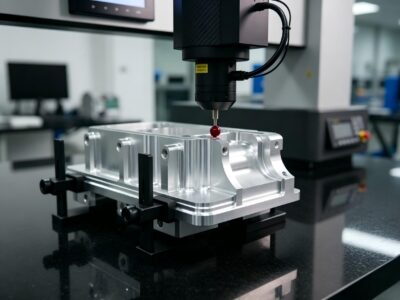
Quality: ISO 9001:2015 quality system, CMM and calibrated inspection, material traceability, and inspection reports on request.
Materials: more than 100 metal and plastic options, with 20+ surface finishes.
Track record: 25+ years of CNC expertise, 500+ global clients, and 1M+ parts delivered, with worldwide shipping.
Send your drawing for a free review and a machine recommendation. Contact us.
FAQs
- What is the difference between 3-axis and 5-axis machining?
5-axis adds two rotary axes, so the tool reaches complex shapes in one setup. 3-axis machines one face at a time.
- What is the difference between 3+2 and simultaneous 5-axis machining?
3+2 positions the workpiece with the rotary axes, then cuts with 3 axes. Simultaneous 5-axis moves all five axes at once, which is needed for sculpted surfaces.
- Does more CNC axes mean better accuracy?
Not by itself. Part accuracy depends on machine positioning, thermal stability, tooling, fixturing, cutting parameters, inspection, and skill. More axes mainly reduce setups.
- Is 5-axis always better than 3-axis?
No. 5-axis is better for complex parts. Simple parts are cheaper on 3-axis.
- What is a 12-axis CNC machine?
A 12-axis machine is not a standard milling machine. Counts above 5 usually describe mill-turn, Swiss-type, or multi-spindle machines that combine turning, milling, and multiple spindles or turrets. The meaning depends on the manufacturer.
- How do I know which axis count my part needs?
Review the geometry. Angled features, curved surfaces, and multi-face work point to 4 or 5 axes. Simple flat parts stay on 3-axis.
- Are 4-axis machines good for cylindrical parts?
Yes. The rotary axis cuts radial features and keeps them aligned.
- Can Swiss machines make small complex parts?
Yes. Swiss-type lathes with multiple axes make tiny, precise parts from bar stock.
- How much does 5-axis machining cost?
It depends on the part. Machine time and programming are higher, but fewer setups can lower total cost.
- What tolerances can multi-axis machines hold?
Typical functional features run ±0.01 to ±0.02 mm, with critical features to ±0.005 mm, depending on geometry, material, and inspection.
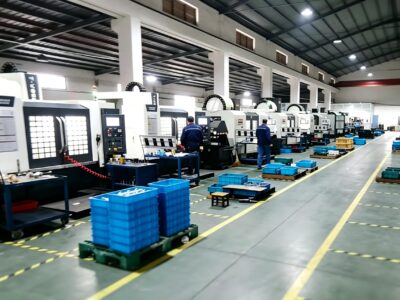
Match the Machine to Your Part
The right axis count makes complex parts accurate and simple parts affordable. Send your drawing to Sochain Precision for a free review, and we will recommend the best machine. Contact us today.