 (+035) 527-1710-70
 NEWSLETTER
ABS CNC Machining
At Sochain Precision, we machine ABS plastic for prototype development and functional components that require stable dimensions and smooth surfaces.
Rapid prototyping and full-scale production
ISO accredited & QC checks
All in-house processes
Used in over 50 countries
FREE Instant quotations
ABS is primarily used across various sectors. For example, we produce custom ABS parts for aerospace, automotive, and industrial applications. The material is relatively easy to machine, durable, and suitable for many mechanical and enclosure applications.
With our advanced CNC machining, we can shape detailed features such as pockets, mounting holes, and thin walls to be produced directly from your CAD design.
Our ABS Machining Capabilities
- CNC machining for custom ABS plastic parts and prototypes
- Suitable for functional prototypes, housings, and mechanical components
- Supports single prototype orders and production batches
- CNC milling and drilling for precise ABS geometries
- Stable machining with low material deformation during cutting
- Capable of producing thin walls, internal pockets, and detailed features
- Smooth surface finish suitable for testing or visual prototypes
- Dimensional accuracy maintained through controlled machining setups
- Engineering review and DFM feedback before machining begins
- Fast turnaround for prototype development and small production runs
- Post-machining operations, including tapping, threading, and finishing
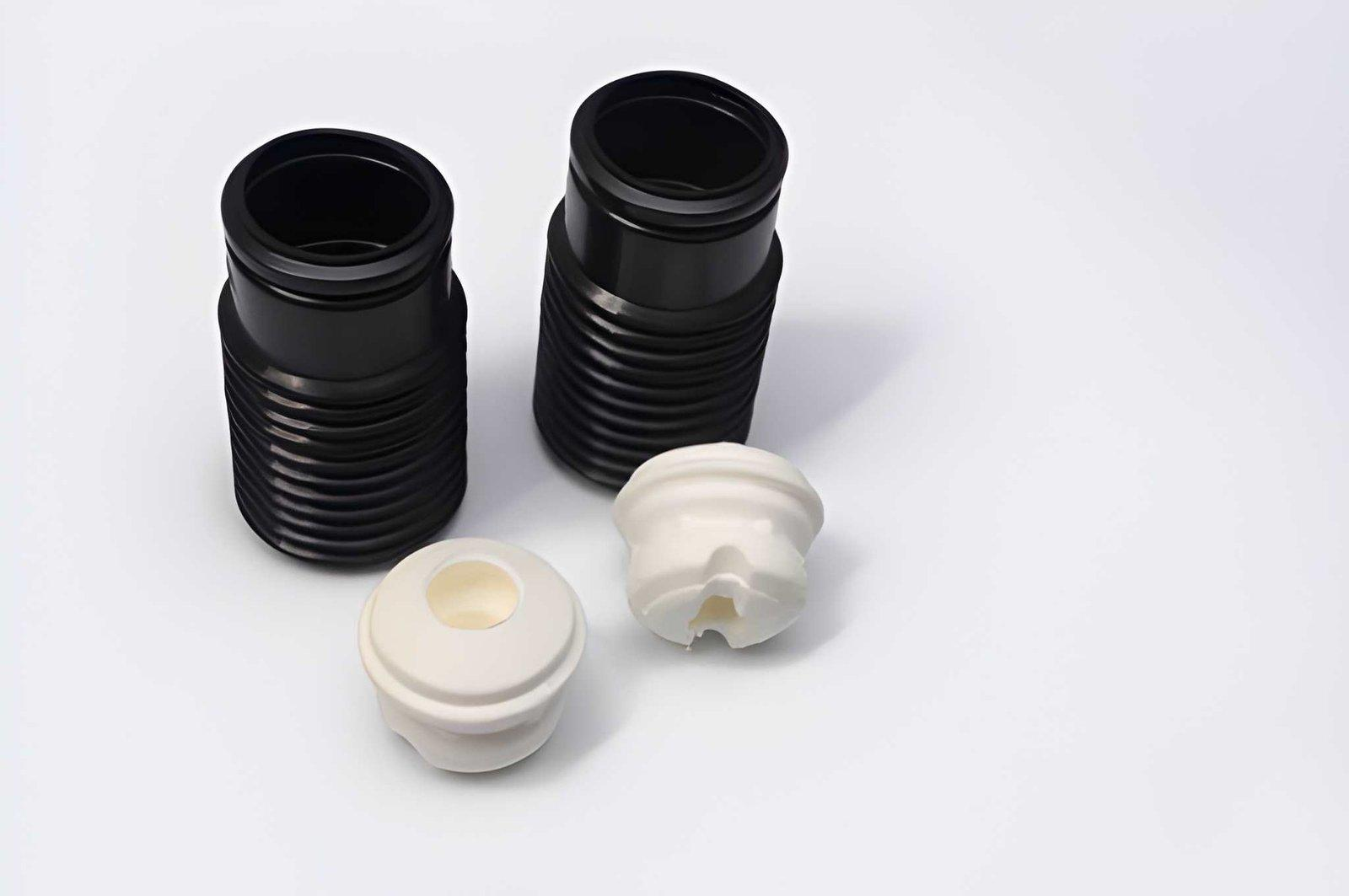
What Is ABS CNC Machining
At Sochain Precision, we employ CNC machining to make accurate parts out of ABS plastic blocks. The process is meticulously controlled, and we take a thorough look at your CAD file.
If the design is well optimized for manufacturability, we commence machining. Our precision machines follow digital instructions and cut away material by following a step-by-step basis until the final shape is formed. This enables us to make components that demand accurate dimensions, uniform edges, and fine internal features.
ABS plastic is easy to machine, and it remains dimensionally coherent. This makes it ideal for rapid prototyping and functional components. Our engineers can precisely produce mounting holes, pockets, slots, and structural features that are utilized to test or assemble.
At first glance, we go through your CAD file and decide on the most appropriate machining process. This involves the:
Selection of appropriate cutting tools.Optimizing toolpaths.Use firm clamping techniques to ensure that the ABS material does not move during machining.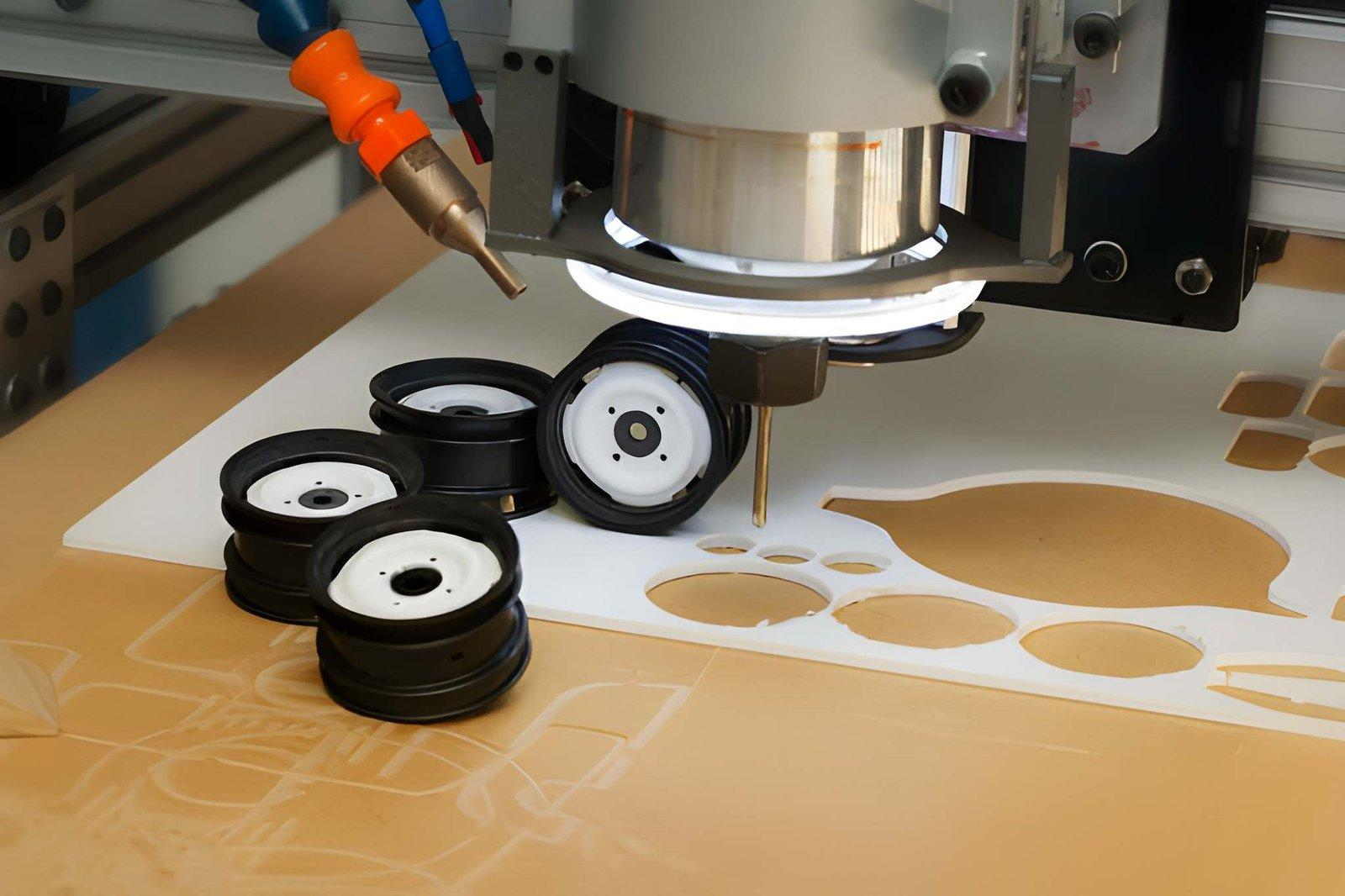
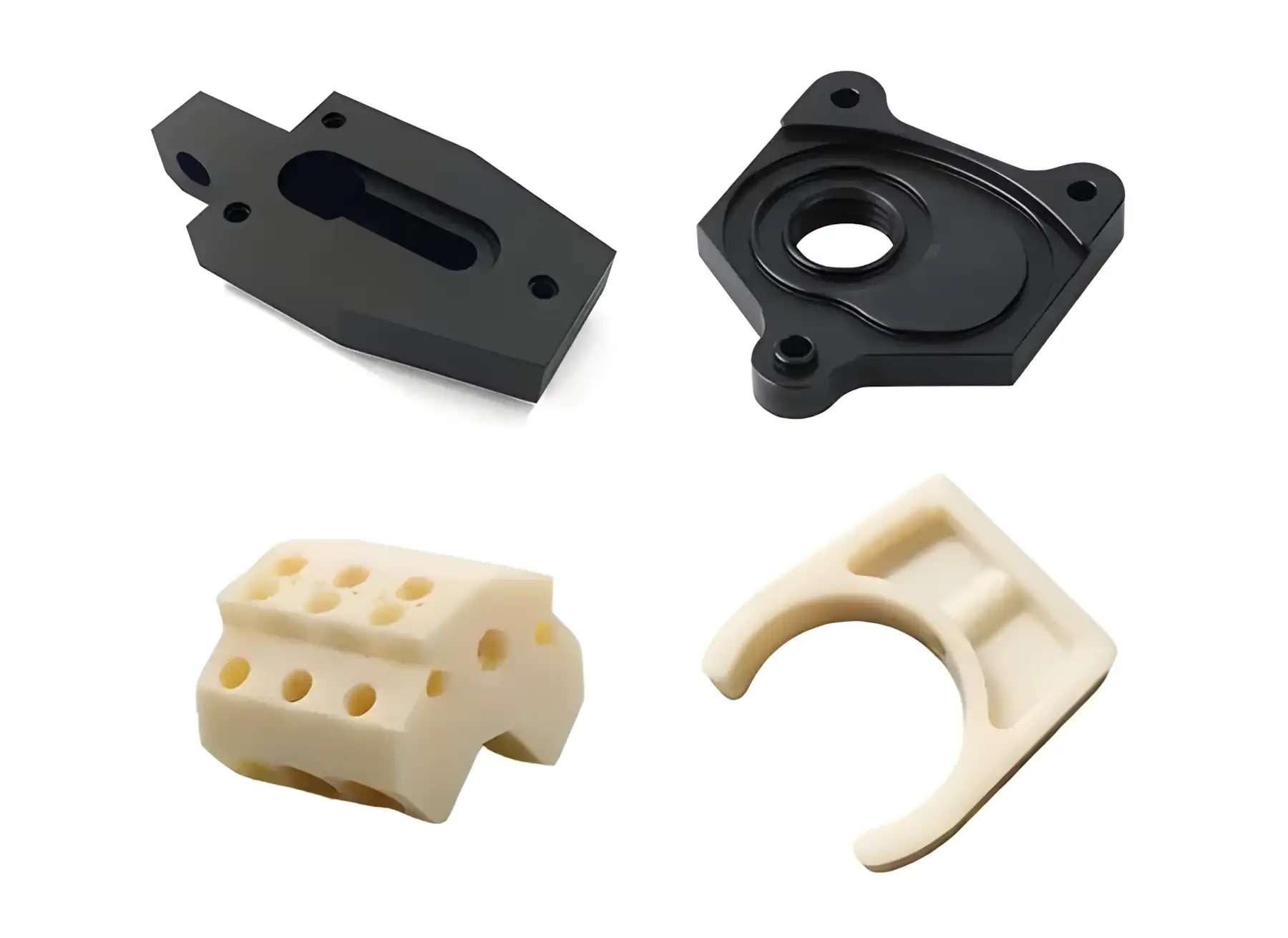
Why ABS Is Ideal for Custom CNC-Machined Components/Parts
ABS plastic is an engineered-grade thermoplastic. It is commonly used due to its excellent strength, durability, and machinability. It is hard enough to perform functional testing, and yet simple to work with conventional CNC equipment.
At Sochain Precision, most of our customers resort to the use of ABS in cases where individuals require quick manufacturing in order to develop a product or carry out mechanical tests.
As the material is relatively easy to machine, it helps produce uniform finished products. Moreover, you can precisely produce features like thin walls, internal cavities, and mounting points without unnecessary tool wear or deformation.
ABS is also notable for applications where high impact resistance is required. It is not prone to cracking under moderate mechanical stress as compared with some rigid plastics. Due to such machinability and durability, it is usually utilized in low-stage product parts, housings, and mechanical prototypes.
Another advantage of ABS is that it is quite easy to post-finish after machining. Finishing (sanding, painting, or other finishing can be added) can be done where an aesthetic look or smoother surface is needed.
CNC Machining Operations for ABS Parts
At Sochain Precision, our engineers carefully determin machining technique after reviewing your design specifications. It usually depends on your intended part geometry and the required degree of detail. Here are the common techniques we employ in general.
CNC Milling
Milling is the most common technique for crafting ABS parts. It uses rotary cutting tools to take away the material from the plastic block to give it flat, pocket, and external profiles. It is often utilized for making custom housings, panels, and structural plastic parts.
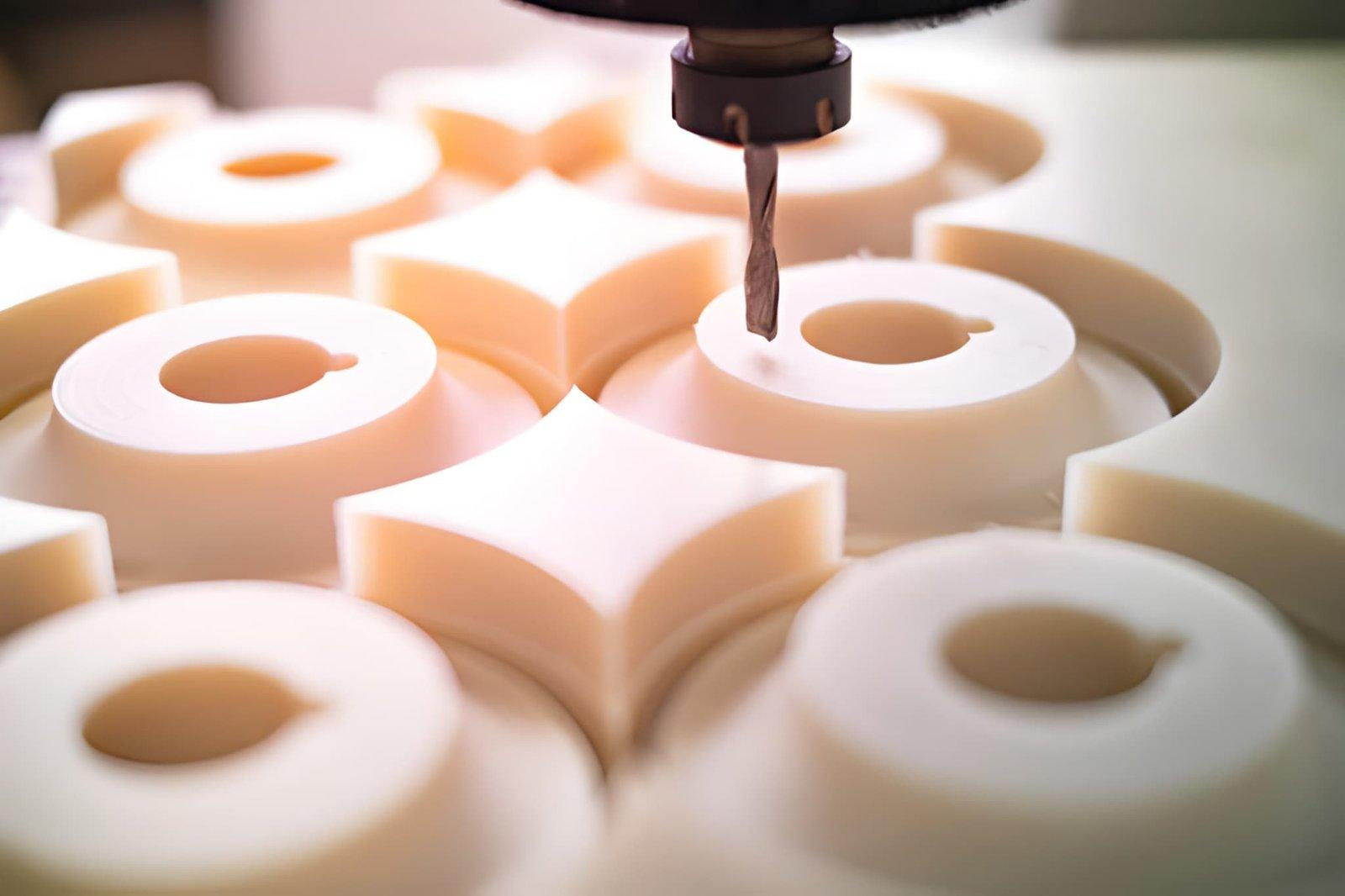
CNC Drilling
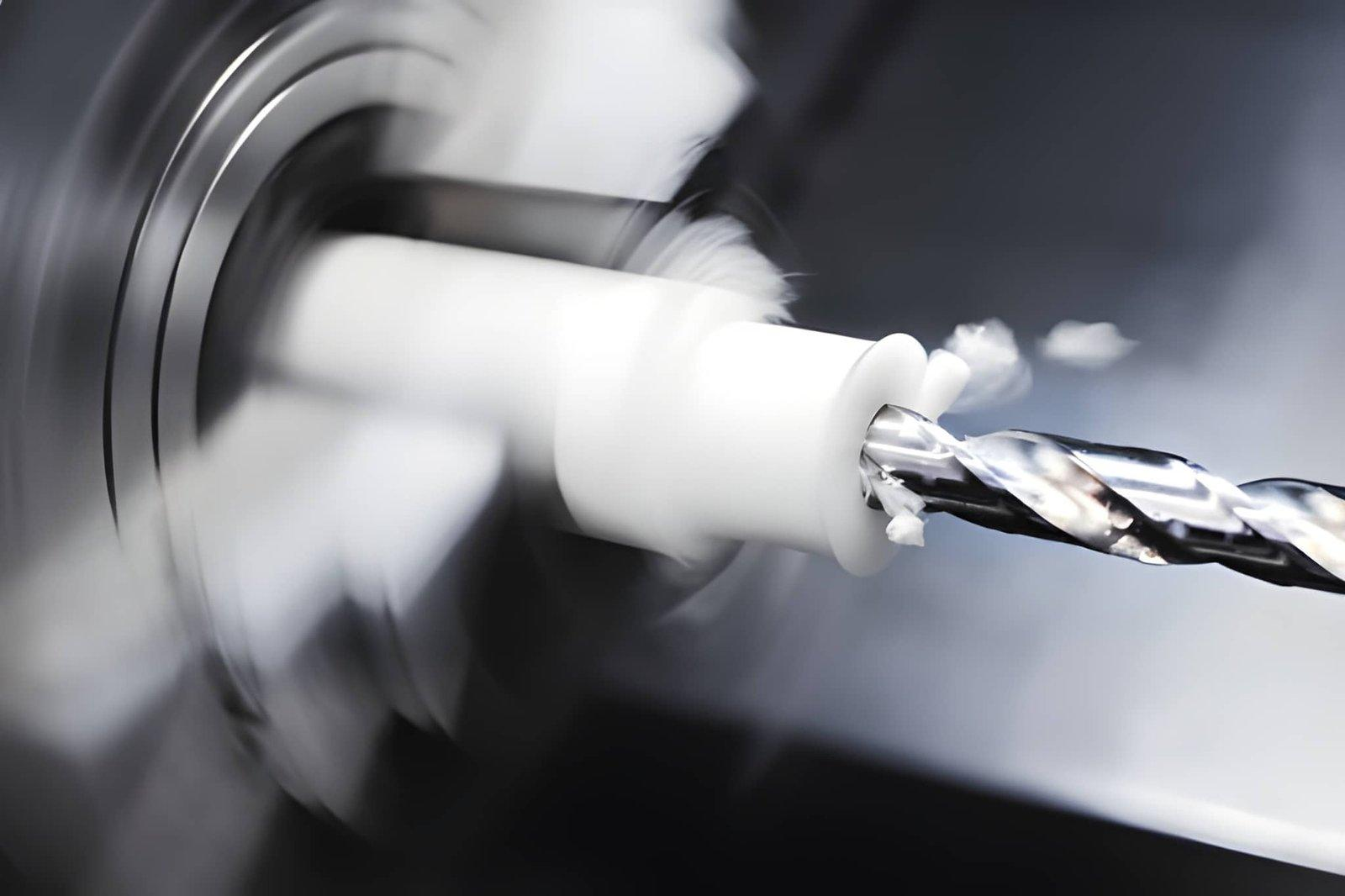
CNC drilling is ideally used when ABS components require tiny internal holes for accurate fastening, alignment pins, or other assembly characteristics.
The holes are drilled precisely according to your CAD design with our CNC machines, giving the spacing and diameter what is required in the final assembly.
Pocketing and Slot Cutting
Electronic housings and mechanical components frequently need deep internal pockets and slots. Through pocketing and slot cutting, our team easily removes material from the parts to develop these critical features with a uniform wall thickness.
Threading and Tapping
ABS parts can include threaded holes where screws or fasteners are installed. Our team performs tapping directly on the CNC machine to produce clean internal threads that allow reliable and secure assembly.
Applications of CNC-Machined ABS Parts
We machine ABS parts mostly for product development and light-duty functional components. As discussed earlier, ABS is easy to cut, stable during machining, and strong enough for many prototype assemblies. Because of this, customers often choose ABS when they need parts quickly for testing or early production.
Our team commonly machines ABS components that include mounting holes, internal pockets, thin ribs, and structural supports. These features are often required in housings, panels, and mechanical assemblies.
Here are the common ABS CNC machining applications:
· Product development prototypes: functional models used for design validation and assembly testing
· Electronic housings and enclosures: Panels, covers, and internal frames used in electronic devices
· Mechanical components: Brackets, spacers, mounts, and light structural parts
· Testing fixtures and jigs: Custom fixtures used during assembly or inspection processes
· Consumer product components: Prototype parts for appliances, tools, and plastic products
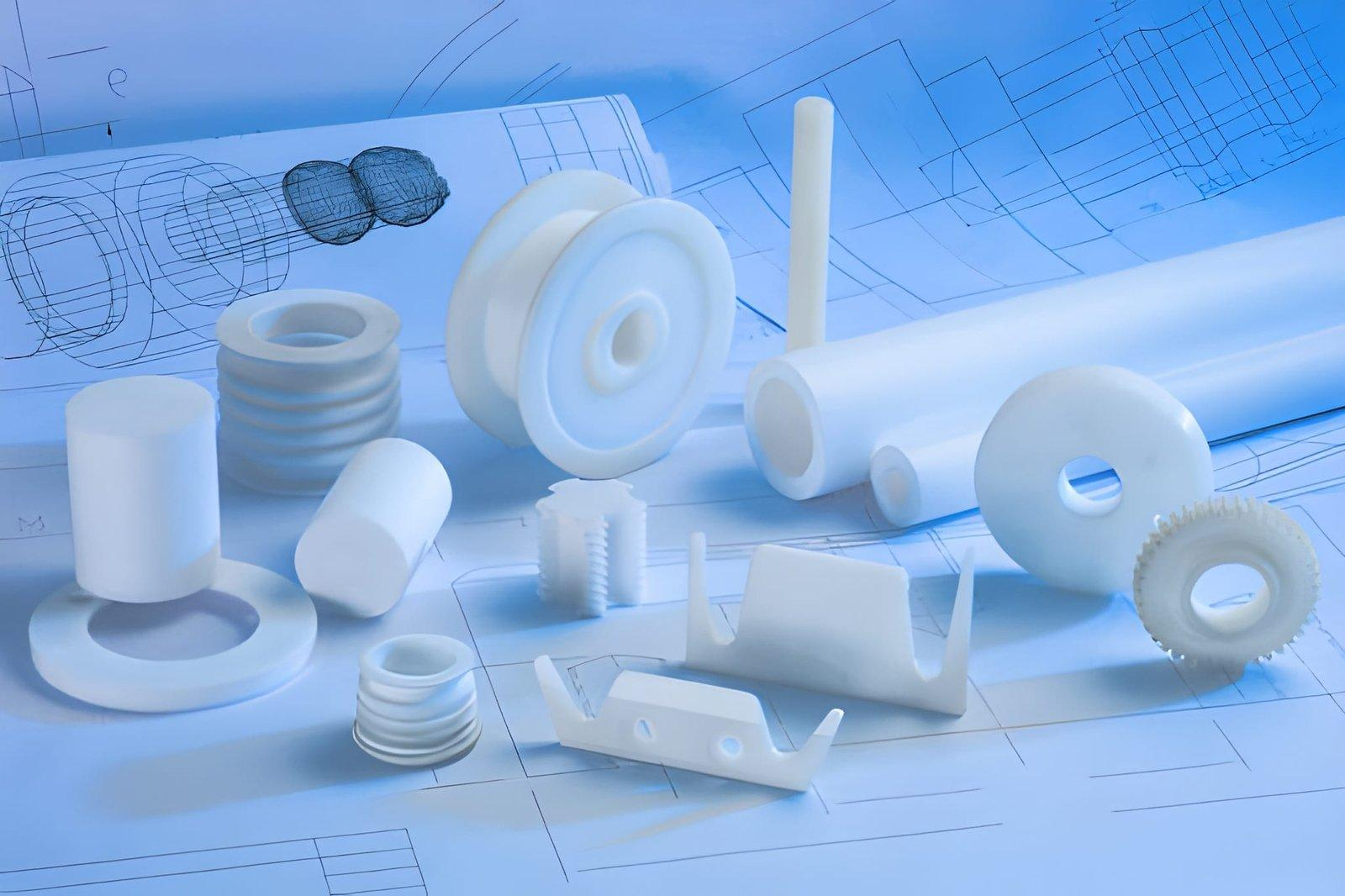
Because CNC machining works directly from CAD files, design revisions can be produced quickly. Many customers machine several ABS prototypes before finalizing a design for injection molding.
Achievable Tolerances for ABS CNC Machining
ABS plastic machines cleanly and produces stable features when proper cutting parameters are used. At Sochain Precision, we maintain consistent dimensional accuracy through controlled machining setups and proper workholding.
However, achievable tolerances still depend on your part size, wall thickness, and feature geometry. Thin walls and long unsupported features usually require slightly wider tolerances to avoid deformation during machining.
Typical tolerance ranges for CNC-machined ABS parts are shown below.
Feature | Typical Range |
Linear dimensions | ±0.05 mm – ±0.10 mm |
Hole diameter | ±0.03 mm – ±0.08 mm |
Flatness | 0.03 mm – 0.08 mm |
Parallelism | 0.03 mm – 0.08 mm |
Surface finish (machined) | Ra 1.6 - 3.2 µm |
If tighter tolerances are required, our engineering team reviews the design and determines whether additional finishing operations or design adjustments are needed.
Surface Finishing Options for ABS Parts
ABS parts are usually finished after machining to enhance their surface texture, appearance, or assembly fit. The ideal finishing methods depend on whether the part needs to be tested, displayed visually, or for the final part functioning.
These are the common finishing methods available at our facility.
Edge Deburring
The sharp edges formed during machining are removed to enhance handling and assembly safety.
Manual Sanding
Light sanding eliminates the machining marks from ABS parts and levels flat surfaces. It is normally used on prototype panels and housings.
Bead Blasting
Bead blasting creates a smooth, dull finish and also conceals small tool marks on exposed surfaces.
Vapor Smoothing
Vapor smoothing is used for ABS surfaces, where the material is chemically softened to minimize the machining marks and provide a more natural finish.
Primer and Painting
When product prototypes need to be painted or finished to match the final product, ABS components may be primed and painted.
Thread Inserts Installation
In assemblies that have higher threaded connection requirements, metal threaded inserts are usually attached to machined ABS components.
Polishing
Polishing is typically used to enhance the surface smoothness on visible surfaces or on contact surfaces.
Material Options Other than ABS Available at Our Factory
At Sochain Precision, ABS is only one of many plastics we machine for prototypes and functional components. Depending on the strength, temperature resistance, chemical stability, or surface requirements of the part, our team can machine a wide range of thermoplastics.
Each material offers different mechanical and machining characteristics, so the material is usually selected based on how the part will be used.
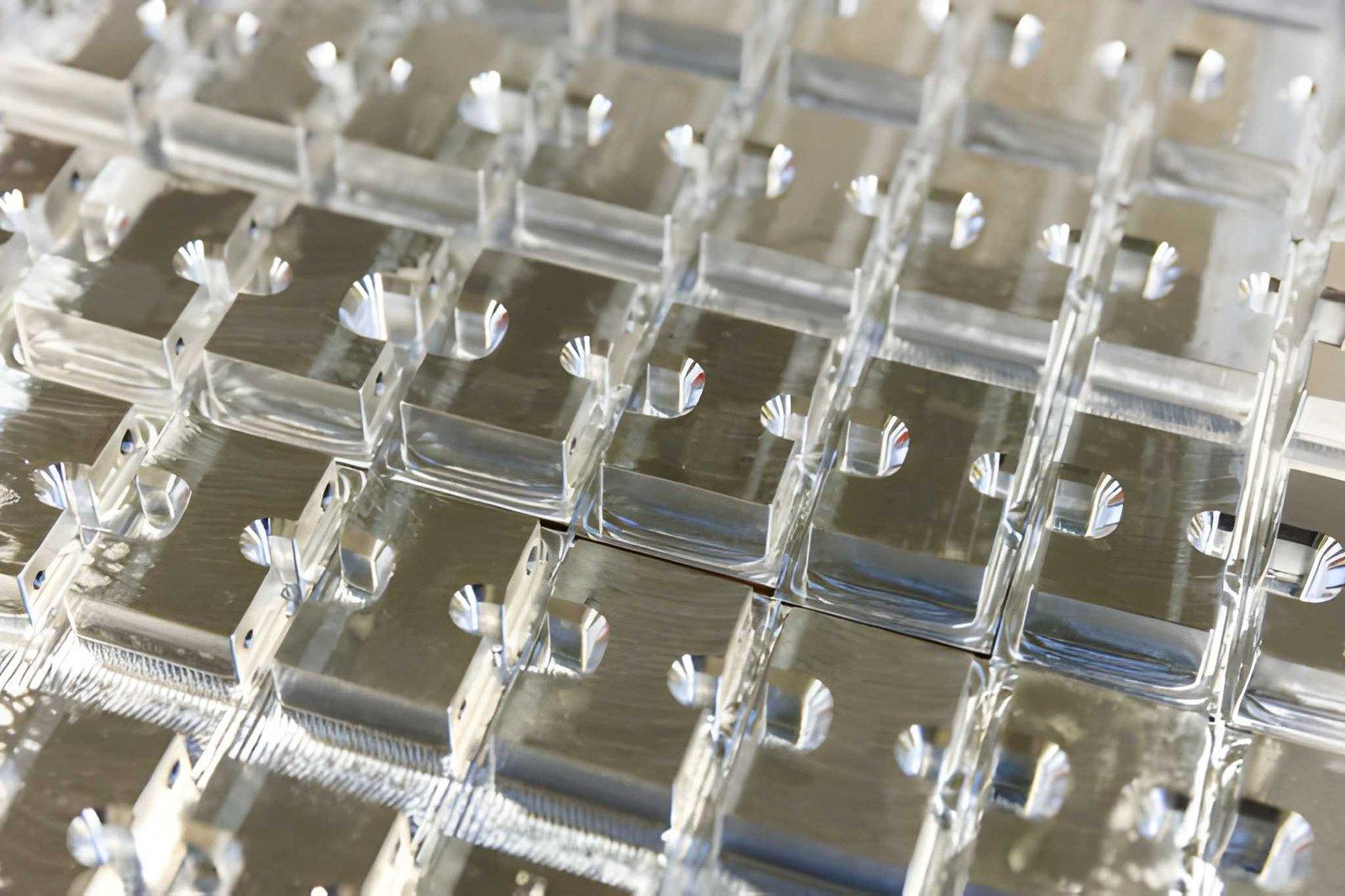
Below are some of the common thermoplastics available for CNC machining.
If a specific plastic material is required for your project, our engineering team can review the design and recommend the most suitable option based on the mechanical and environmental requirements of the part.
Get Custom ABS Machined Parts From Us
If you need custom ABS plastic components, our team at Sochain Precision can machine them directly from your CAD design. ABS is commonly used for functional prototypes, housings, and mechanical parts where stable dimensions and good impact resistance are required. Using CNC milling and drilling processes, we produce parts with precise features such as mounting holes, pockets, slots, and threaded connections.
Before machining begins, our engineers review your design and provide free DFM (Design for Manufacturability) feedback. This review helps identify features that may affect machining stability, wall strength, or assembly fit. If necessary, we suggest small design adjustments that help improve manufacturability and reduce production risks.
Whether you need a single prototype or a batch of production parts, our team focuses on producing ABS components that are ready for testing, assembly, or product evaluation.
What you can expect from our ABS CNC machining service:
- Free DFM review before production
- Support for prototypes and small production runs
- Accurate machining for functional ABS components
- Multiple machining operations, including milling, drilling, and tapping
- Optional surface finishing and assembly preparation
- Careful inspection before shipment
FAQs
We commonly accept STEP, IGES, and DXF files. These formats allow our team to review the geometry and generate accurate CNC toolpaths.
Yes, ABS offers good impact resistance and stable machining characteristics, which make it suitable for many functional prototypes, housings, and mechanical components used during product development.
Yes, our CNC machines can produce tapped holes directly in ABS parts. For applications that require stronger threads, metal threaded inserts can also be installed after machining.
Start Manufacturing Your Custom Parts Now!
Understanding Your Goals, Delivering Your Solutions – We’re Committed to Making CNC Machining Simple and Stress-Free!