 (+035) 527-1710-70
 NEWSLETTER
Stainless Steel CNC Machining Service
At Sochain Precision, our engineers machine stainless steel for parts that require strength, corrosion resistance, and long service life. Using advanced CNC machines, we precisely produce features such as holes, threads, slots, and complex profiles directly from your CAD model.
Rapid prototyping and full-scale production
ISO accredited & QC checks
All in-house processes
Used in over 50 countries
FREE Instant quotations
Stainless steel components are typically used in industrial equipment, mechanical assemblies, and environments where parts need to withstand stress and chemical exposure.
During the initial project phases, our team reviews each design before production and selects suitable cutting tools and machining parameters to ensure stable cutting and accurate dimensions.
Our Capabilities at a Glance
- CNC machining for custom stainless steel components
- Supports prototypes, low-volume, and production batches
- Multi-axis CNC milling for complex part geometries
- Machining of common grades such as 304, 316, 303, and 17-4 PH
- Precise operations, including milling, drilling, threading, and tapping
- Suitable for structural, mechanical, and corrosion-resistant parts
- Controlled machining setups to maintain stable dimensional accuracy
- Surface finishing options such as bead blasting, polishing, and passivation
- Engineering review and free DFM feedback before machining
What Is Stainless Steel CNC Machining
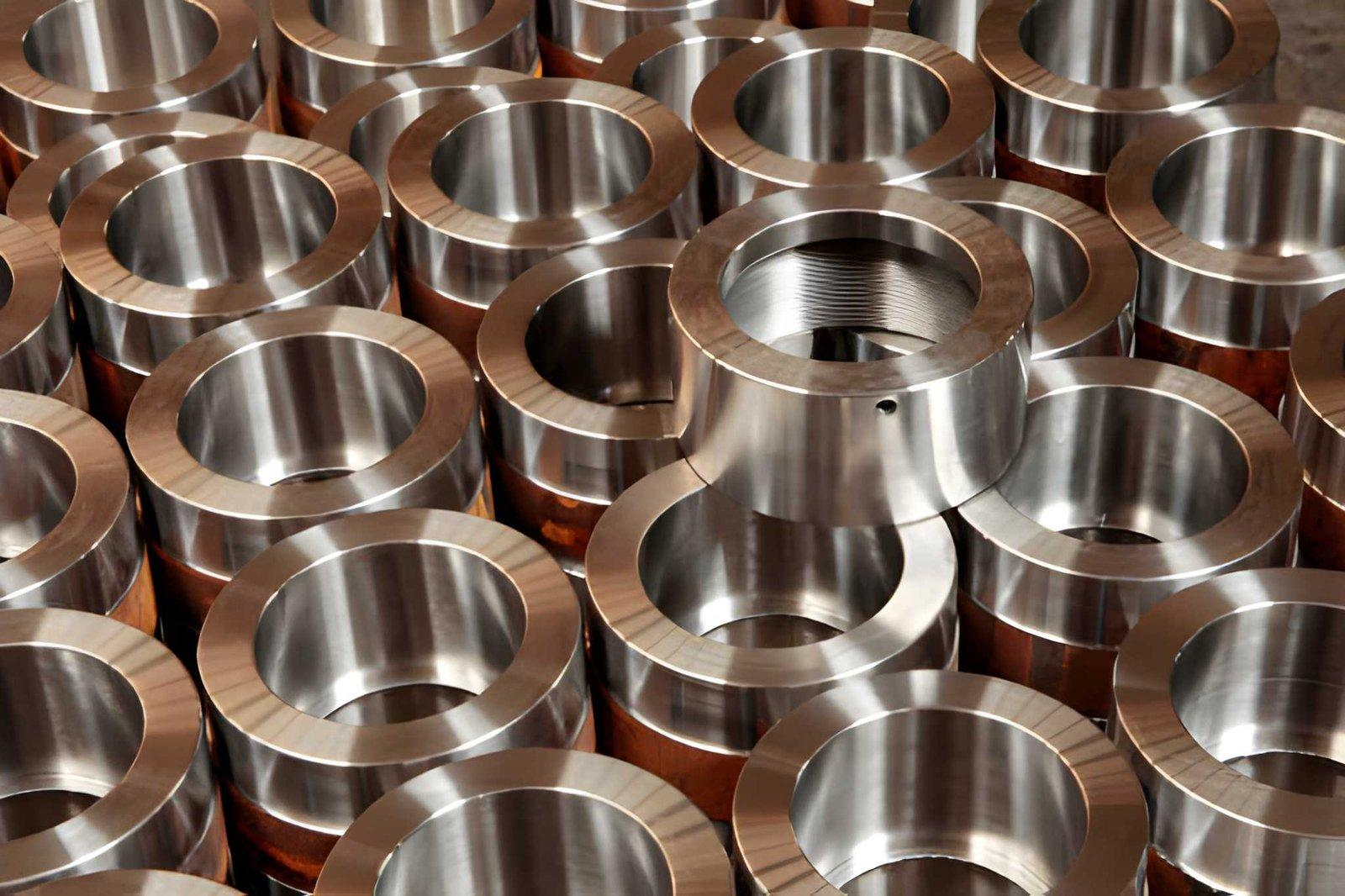
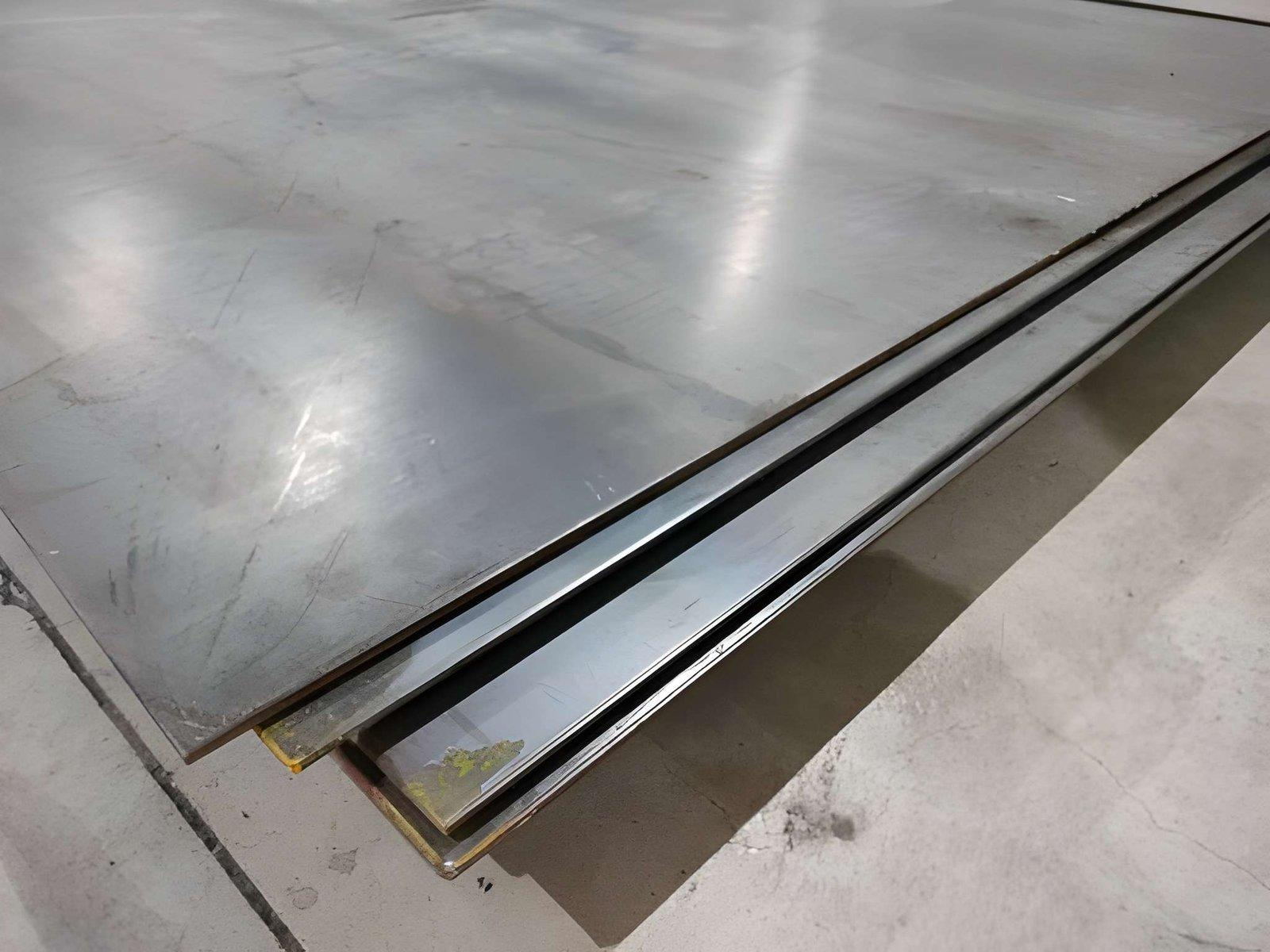
Stainless steel CNC machining involves parts made using solid stainless steel sheet or plate stock. Our CNC machines follow geometry as specified in your CAD model and cut away material one step at a time until the shape is needed. It allows us to manufacture complex features and narrow dimensions.
Stainless steel is hard and difficult to cut compared to most other metals. Due to this, machining implies constant arrangements, changeover of cutting tools, and optimized feed and speeds.
Here are some of the common techniques we employ for machining stainless steel parts.
Stainless Steel CNC Milling
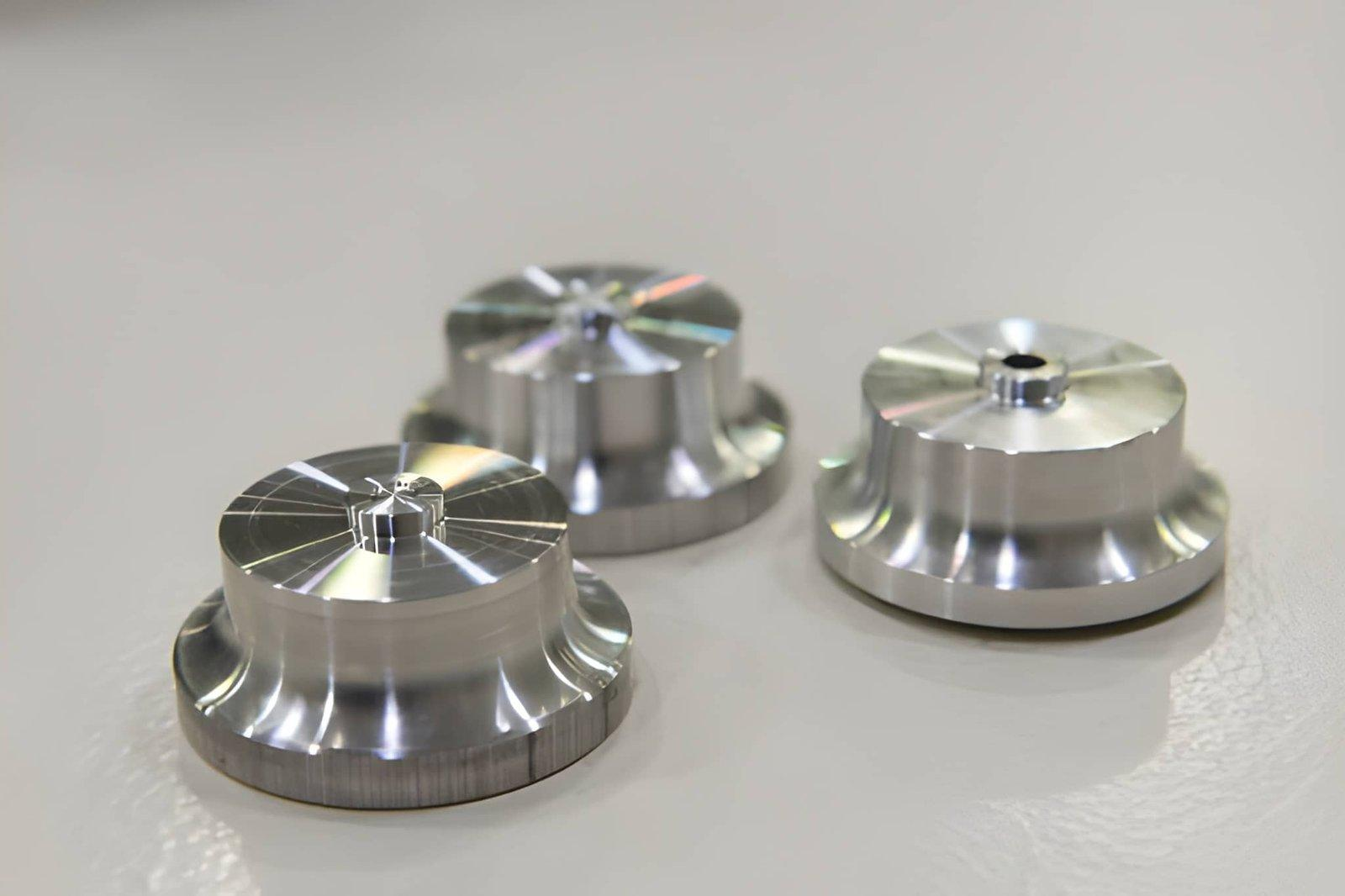
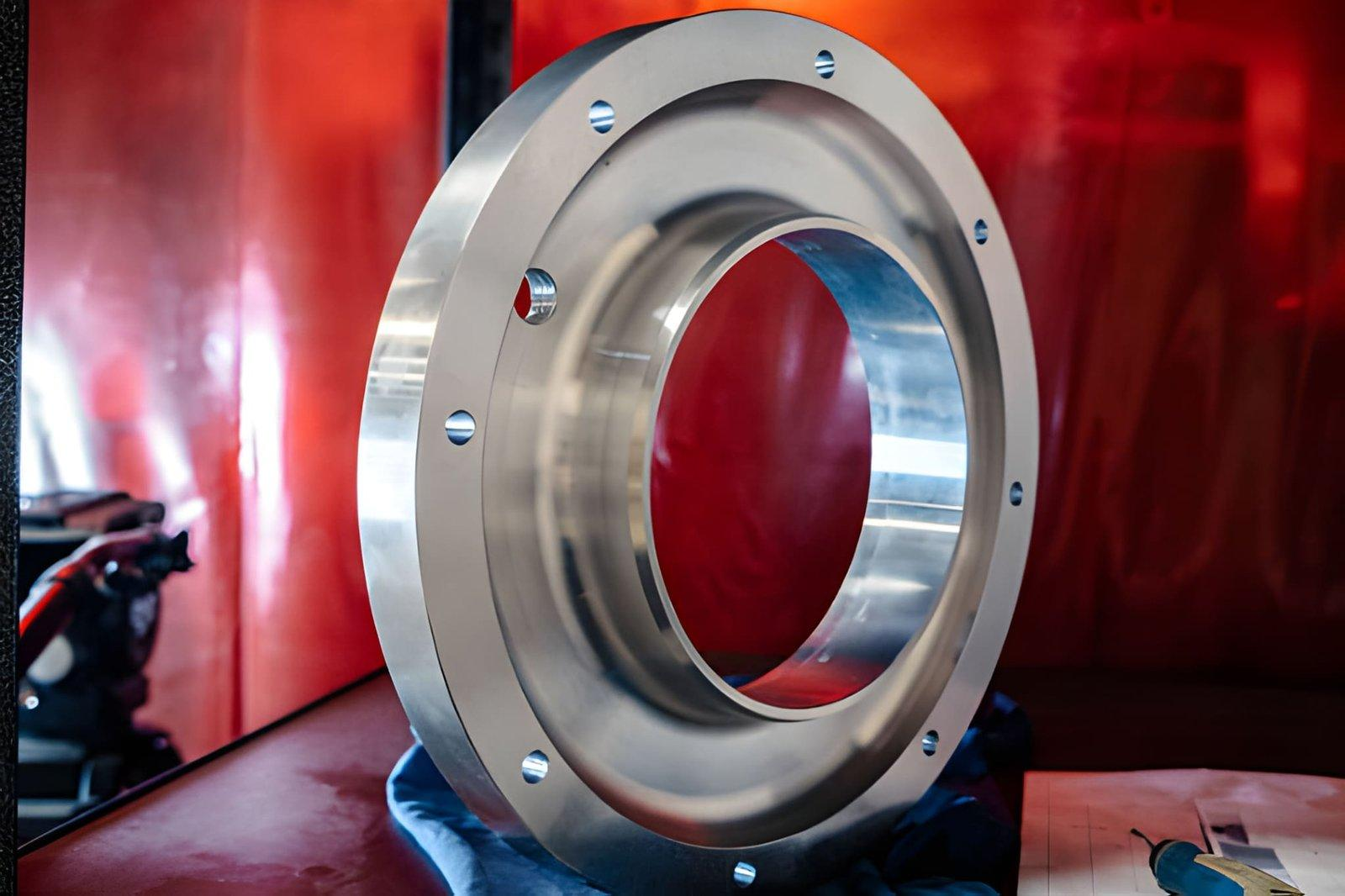
CNC milling is the primary process using rotary cutting tools to cut away material on the workpiece to form flat, pocket, slot, and complicated external profiles. It is mostly applied for manufacturing custom brackets, machine parts, and structural components.
Drilling and Hole Machining
Drilling is used for producing precise holes to hold bolts, pins, or alignment markers. The holes are drilled as specified in the CAD design without affecting the diameter and spacing. Regulated feed rates are employed to avoid overheating and clean hole geometry.
Threading and Tapping
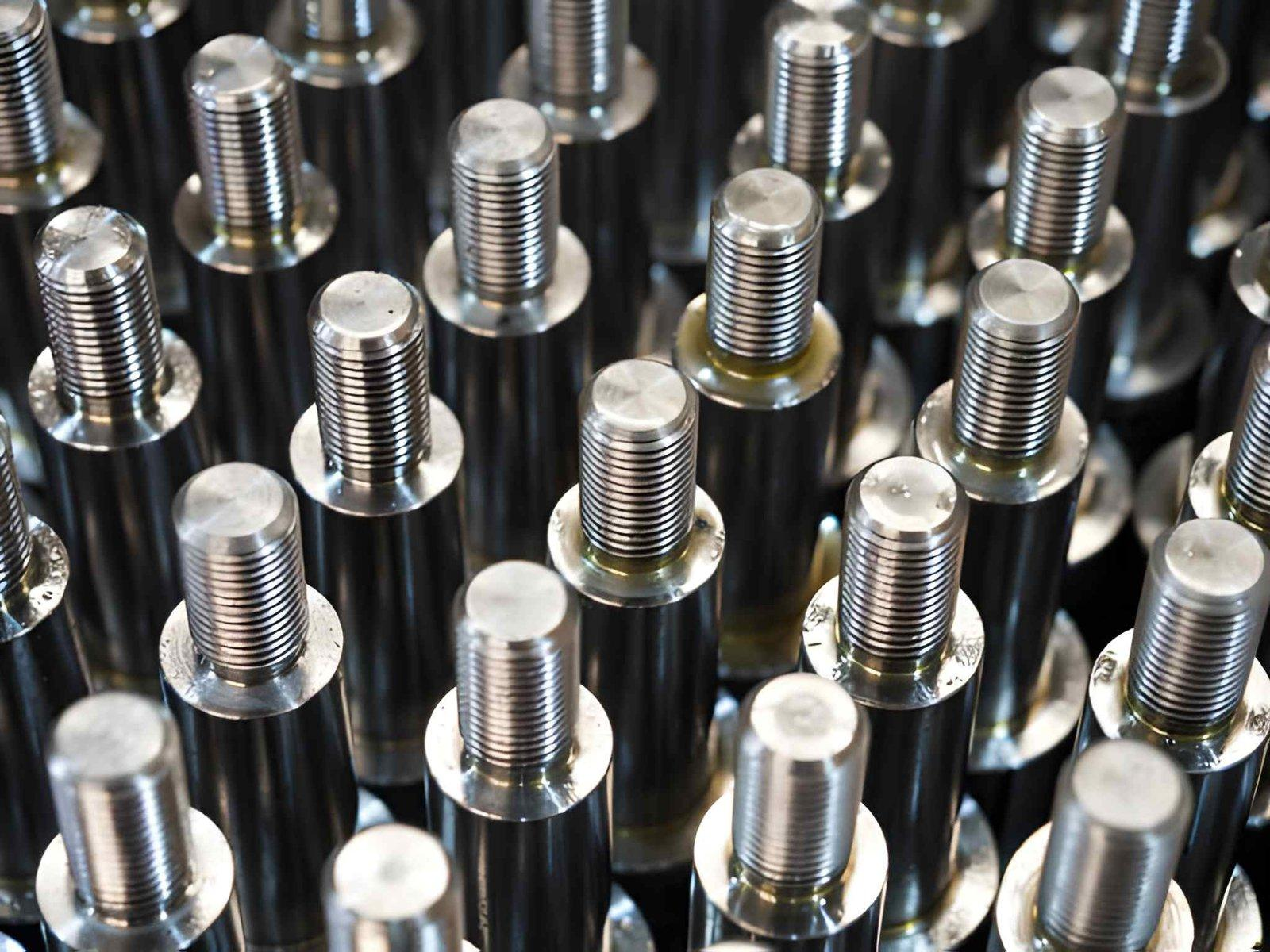
Mechanical assemblies may also need threaded holes. Our team performs tapping directly on the CNC machine to produce precise internal threads for fasteners and mounting features.
Rough Machining
Rough machining removes extra material from the stainless steel block. At this stage, larger cutting tools remove bulk material to form the basic shape before finishing begins.
Finishing Passes
Finishing passes are done with smaller tools and fewer cutting parameters after rough machining. This step enhances dimensional accuracy and produces fewer sharp edges on essential features.
Common Stainless Steel Grades We Machine at Sochain Precision
The choice of stainless steel grade type usually comes down to part size, its application, corrosion resistance, and strength requirements. These are the common machine grades available at Sochain Precision that are used for industrial and mechanical purposes.
304 Stainless Steel
It is among the most prevalent stainless steel grades. It features excellent corrosion resistance and strength and is therefore applicable in a variety of industrial and consumer goods. We machine 304 frequently for brackets, housings, and general mechanical parts/components.
316 Stainless Steel
316 stainless steel provides better resistance to corrosion, particularly in moist, chemical, or salty environments. This grade is useful for marine equipment and intricate/robust medical parts that are susceptible to severe environments.
303 Stainless Steel
When machinability is a factor of concern, 303 stainless steel is a go-to option. It has sulfur additives, which enhance its cutting characteristics as opposed to other stainless grades. This facilitates its use in parts that require extensive machining, such as fasteners, shafts, bushings, and fittings.
17- 4 PH Stainless Steel
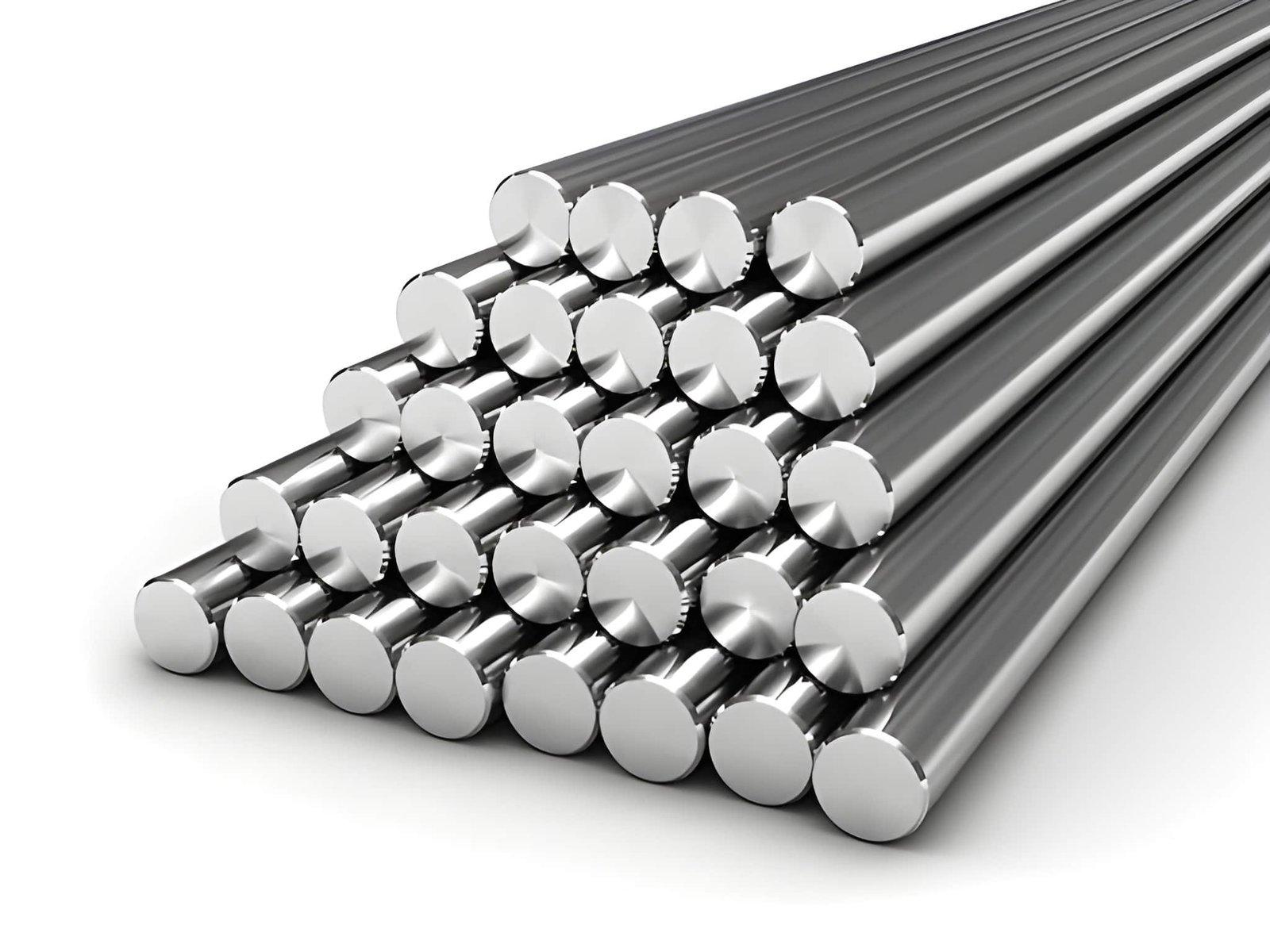
PH 17-4 is a hardened stainless steel type. It is explicitly strong and corrosion-resistant. It is typically applied on high load mechanical parts, such as shafts, and precision parts.
Applications of Stainless Steel CNC Machining
- Threaded shaft with keyway
- Valve body housing
- Flanged bearing housing
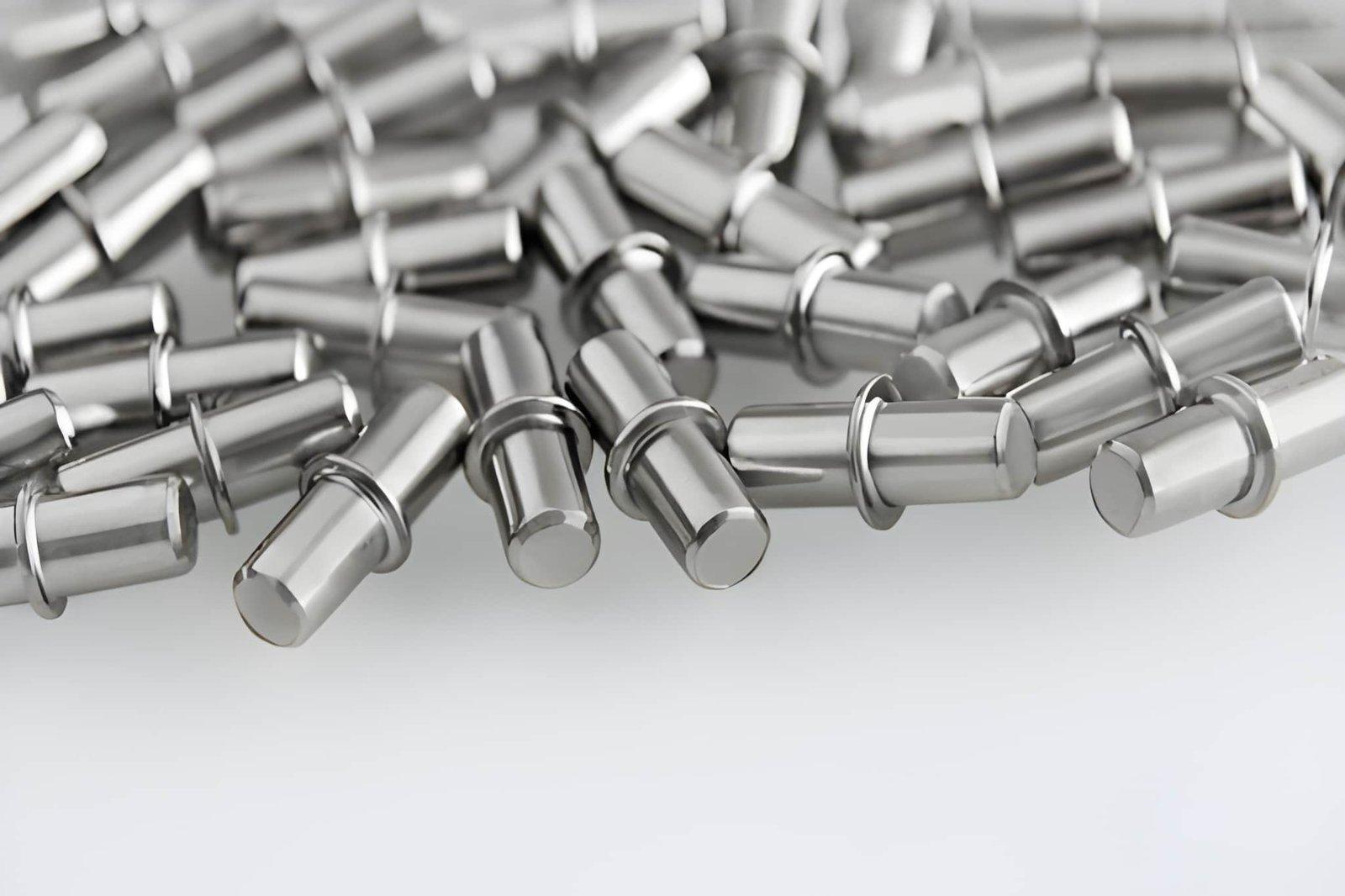
- Dowel pin with chamfered ends
- Hex coupling adapter
- Spacer ring with precision bore
- Pump impeller
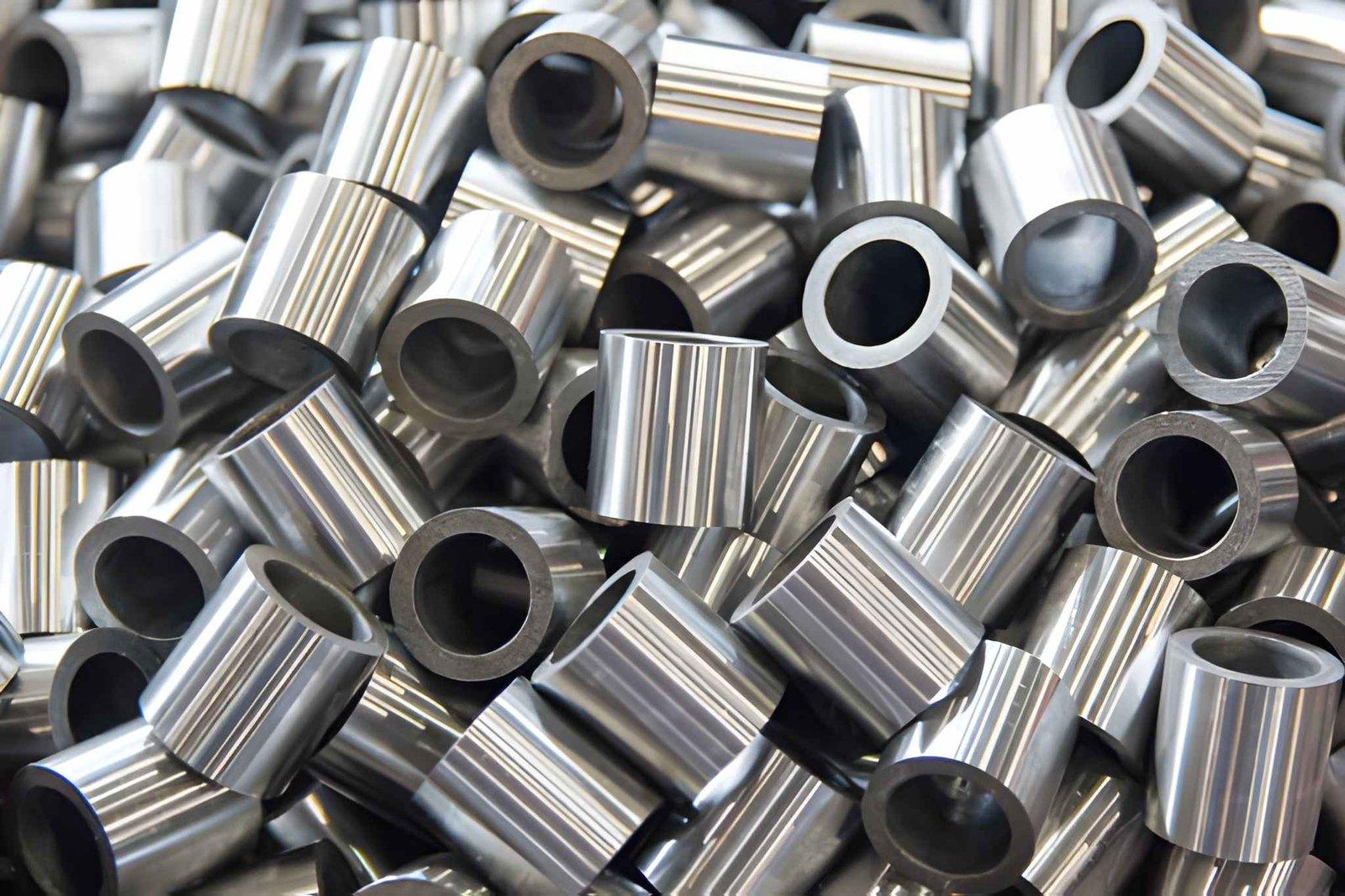
- Threaded bushing
- Mounting bracket with countersunk holes
- Splined shaft
- Micro nozzle with calibrated orifice
- Alignment jig plate
- Calibration block
- Tool holder with internal channels
- Precision gear
- Linear guide support block
- Fuel injector sleeve
- Exhaust flange
- Sensor housing
- Brake piston
Achievable Tolerances for Stainless Steel Machining
Stainless steel is tougher than aluminum. Therefore, it generally requires controlled machining parameters. Cutting speeds are usually lower, and proper cooling is used to maintain tool life and surface quality.
At Sochain Precision, dimensional accuracy is maintained through stable workholding, proper tool selection, and controlled finishing passes.
| Feature | Typical Tolerance |
| Linear dimensions | ±0.02 mm – ±0.05 mm |
| Hole diameter | ±0.02 mm – ±0.04 mm |
| Flatness | 0.01 mm – 0.03 mm |
| Parallelism | 0.02 mm – 0.04 mm |
| Surface finish (machined) | Ra 0.8 – 1.6 µm |
For precision applications, additional finishing operations such as grinding or honing may be used to refine critical surfaces.
Surface Finishing Options for Stainless Steel Parts
Stainless steel parts are commonly finished after machining to enhance corrosion resistance, appearance, or functional surface characteristics. In Sochain Precision, there are several finishing processes that can be availed based on the use.
Deburring and Edge Conditioning
When machining, little burrs could be left on edges or holes. Deburring of the part cleanses these edges, and the part is ready to be assembled.
Bead Blasting
Glass bead blasting produces an even matte surface. This is employed, typically, to eliminate light machining marks and give a smooth look.
Brushed Finish
Brushing imparts a directional pattern to stainless steel. This finish is commonly applied to visible panels or equipment housings.
Mechanical Polishing
Polishing eliminates the ruggedness of the surface and enhances aesthetics. It is also commonly applied to decorative elements or surfaces that are in need of a smoother contact.
Electropolishing
Electropolishing is the removal of a thin film of a material through an electrochemical process. This enhances corrosion resistance and forms a smoother and cleaner finish.
Passivation
Passivation eliminates the loose iron of the stainless steel surface and also increases the corrosion resistance. The treatment is mostly applied to parts that are used in a wet environment or a chemical environment.
Precision Grinding
The surfaces are ground when dimensional control or smoother finishes cannot be obtained by standard machining. This is commonly used on the sealing of faces and bearing surfaces.
Quality Management in our Facility
At Sochain Precision, all the machined parts are inspected before delivery. Stainless steel components usually have threads, sealing faces, and precision holes. These features should correspond to the design for accurate assembly. Our company entails a well-organized inspection process to ensure that every part is of the required dimensions and surface condition.
Material Inspection
Raw stainless steel stock is inspected before machining to ensure that it is of the right grade and in optimal condition. Upon demand, our team provides material certificates to the customer. This measure aids in ensuring that the material employed to produce the part is according to the specifications of the customer's design.
In-Process Dimensional Checks
During machining, our operators conduct dimensional inspections of important features. This allows us to eliminate issues early on and make necessary adjustments.
Final Part Inspection
Once the machining and finishing activities are completed, the part is subjected to final inspection. Our engineers use digital calipers and perform CMM quality inspection for checking critical dimensions, hole positions, and thread features. We ensure that the parts made closely match your drawing or CAD model.
Visual Examination
Surface inspection is carried out to examine the presence of burrs, machining marks, or surface defects. After applying finishing treatments like bead blasting or polishing, we checked the part surface to make sure the parts are of consistent quality.
Packaging and Pre-Shipment Inspection
Parts are cleaned, packed,d and labeled before shipment. Protective packaging is used when needed to avoid being scratched or damaged in the course of transportation. This guarantees the ready parts of the machinery in the form of assembly or subsequent work.
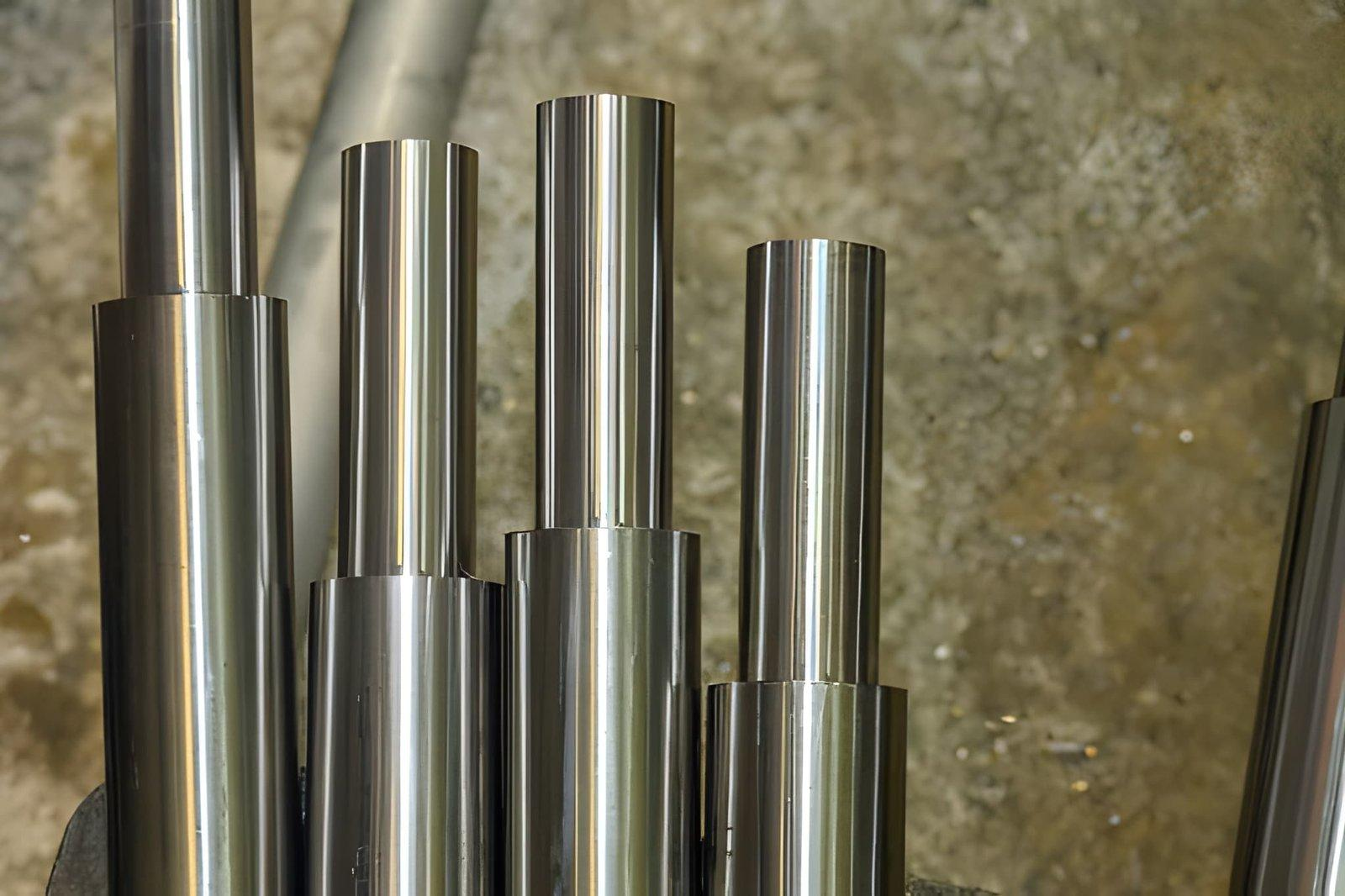
Get Custom Stainless Steel Machined Parts From Us
If you need custom stainless steel components, our team at Sochain Precision can machine them directly from your CAD design. Stainless steel parts are often used where strength, durability, and corrosion resistance are required. Using CNC milling and drilling, we produce parts with features such as mounting holes, threads, slots, and precision surfaces.
Before production begins, we review your design and provide free DFM (Design for Manufacturability) feedback. This helps identify features that may affect machining stability, tool access, or material removal. If needed, our engineers suggest small adjustments that improve machining efficiency and help maintain dimensional accuracy.
Whether you require a single prototype or production batches, we focus on producing stainless steel parts that are ready for assembly and intended use.
What you can expect from our service:
- Free DFM review before machining
- CNC milling and drilling for complex stainless steel parts
- Support for prototypes and production quantities
- Machining of common grades such as 304, 316, 303, and 17-4 PH
- Optional surface finishing and post-processing
- Careful inspection before shipment
Upload your CAD file and our team will review the design and provide a clear quotation for your project.
FAQs
We commonly accept STEP, IGES, and DXF files. These formats allow accurate toolpath preparation for CNC machining.
Yes, our machines can produce internal and external threads using tapping or thread milling, depending on the part design.
It depends on the application. 304 is commonly used for general parts, while 316 is preferred when higher corrosion resistance is required. Our team can help review your design and recommend a suitable grade.
Start Manufacturing Your Custom Parts Now!
Understanding Your Goals, Delivering Your Solutions – We’re Committed to Making CNC Machining Simple and Stress-Free!