 (+035) 527-1710-70
 NEWSLETTER

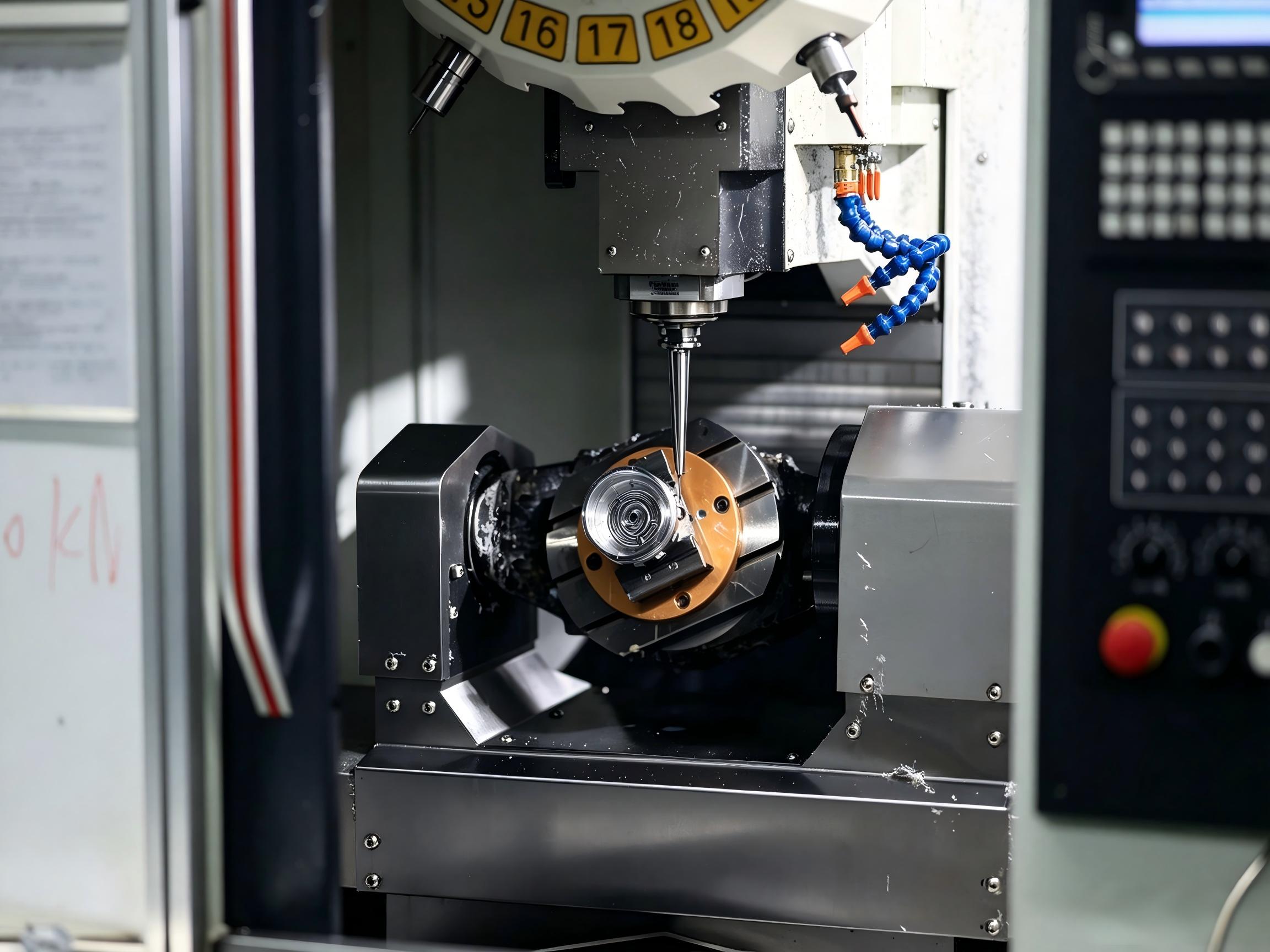
CNC lathe parts are the shafts, bushings, pins, and fittings that keep machines rotating and assemblies aligned. This guide covers what CNC lathe parts are, how they are made, and how to design them well.
What Are CNC Lathe Parts?
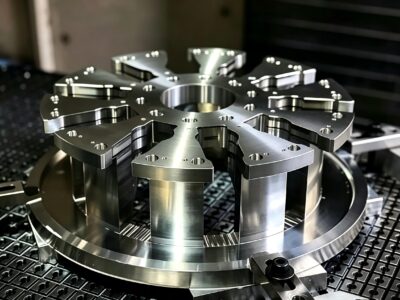
CNC lathe parts are components produced on a CNC lathe or turning center. The workpiece rotates while a cutting tool removes material to create a cylindrical shape.
Typical CNC lathe parts include shafts, bushings, sleeves, spacers, pins, threaded fittings, and housings. They are everywhere in automotive, industrial, medical, and electronic assemblies.
At Sochain Precision, we manufacture CNC lathe components with standard turning, turn-mill, and Swiss-type machines. Swiss machining is covered in our Swiss screw machining benefits article.
How CNC Turning Works
CNC turning follows a clear process:
- The bar stock or workpiece is held in a chuck or collet.
- The part rotates at a controlled speed.
- Cutting tools move along the length and diameter.
- Features such as grooves, threads, and tapers are cut.
- The part is inspected and finished.
Turning is efficient for cylindrical parts. Roundness, concentricity, and surface finish are controlled directly in the process. See our CNC turning service page.
Common CNC Lathe Operations
A CNC lathe can perform many operations:
- Facing— cutting a flat end surface.
- Straight turning— reducing the diameter along the length.
- Taper turning— cutting angled diameters.
- Grooving— cutting recesses and channels.
- Threading— cutting external or internal threads.
- Boring— enlarging or finishing internal holes.
- Parting off— cutting the finished part from the bar.
Turn-mill machines add milling, drilling, and slotting with live tools, so complex parts are made in one setup.
CNC Lathe Parts We Make
Common CNC lathe parts include:
- Shafts and rotational components— controlled diameters and runout.
- Bushings, sleeves, and spacers— accurate internal and external diameters.
- Threaded components— precision threads that assemble smoothly.
- Pins and studs— press-fit and alignment parts.
- Housings and connectors— turned and milled in one setup.
Each part type has its own tolerance and finish requirements. Browse examples on our CNC lathe components page.
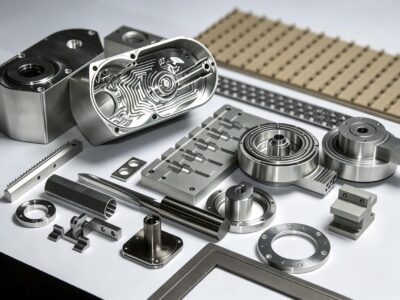
Materials for CNC Lathe Parts
CNC lathes machine a wide range of materials:
- Aluminum— 6061, 7075 for lightweight parts.
- Stainless steel— 303, 304, 316 for corrosion resistance.
- Carbon steel— 1018, 1045 for strength and cost.
- Brass and copper— C360, C260 for fittings and electrical parts.
- Titanium— Grade 2, Grade 5 for medical and aerospace.
- Plastics— POM, nylon, PEEK, PTFE for seals and insulators.
The material choice drives tooling, speeds, and achievable tolerances.
Tolerances for CNC Lathe Parts
Turning holds tight roundness and concentricity. Achievable tolerance depends on geometry, material, machine, and inspection.
Typical reference ranges:
- General diameters— ±0.02 mm.
- Bearing seats and mating features— ±0.01 mm.
- Critical press-fit features— ±0.005 mm, where the design allows.
Keep tolerances on the features that matter. Over-tolerancing a shaft raises cost without adding function. See our CNC machining tolerances guide.
Design Tips for Turned Parts
Good design makes turned parts easier and cheaper to machine:
- Avoid long unsupported sections.Long thin shafts deflect. Swiss turning supports them.
- Add fillets at shoulders.Sharp corners concentrate stress.
- Use standard thread sizes.Standard tools and gauges are faster.
- Keep features reachable.Internal features need tool access.
- Specify runout and concentricity.These matter for rotating parts.
- Plan for deburring.Small edges and cross holes need cleanup.
A drawing with these details machines faster and fits better.
When CNC Turning Is Not the Answer
Turning is not always the right process:
- Flat, boxy parts— milling is better.
- Very large parts— may exceed the lathe capacity.
- Complex 3D surfaces— 5-axis milling may be needed.
- Extreme volumes of simple parts— other processes may win on cost.
Match the process to the shape and volume.
FAQs
- What is the difference between a lathe and a mill?
A lathe rotates the part while the tool cuts. A mill rotates the tool while the part stays fixed.
- What are CNC lathe parts used for?
Shafts, bushings, pins, threaded fittings, spacers, and housings in many industries.
- What tolerance can CNC turning hold?
General diameters are typically ±0.02 mm, with critical features to ±0.005 mm, depending on the part.
- Can a lathe make non-cylindrical features?
Yes. Turn-mill machines with live tools add flats, cross holes, and slots.
- What is Swiss turning?
A turning method that supports long, thin parts with a guide bushing, ideal for small precision parts.
- What materials are best for turned parts?
Aluminum, stainless steel, carbon steel, brass, copper, titanium, and engineering plastics.
- How fast are CNC turned parts produced?
Simple parts can be produced in days. Lead time depends on complexity, material, and quantity.
- Do turned parts need finishing?
Many are used as-machined. Others are polished, anodized, plated, or passivated.
- Can you make threaded parts on a lathe?
Yes. Threading is a standard lathe operation.
- Where can I get CNC lathe parts?
Sochain Precision manufactures CNC lathe components. Contact us with your drawing.
Master Your Turned Parts
CNC lathe parts keep assemblies rotating and aligned. Send your drawing to Sochain Precision for a free review and quote. Contact us today.