 (+035) 527-1710-70
 NEWSLETTER
Metal Machining Service
Get instant online quotes from Sochain Precision for metal CNC-machined parts, from rapid prototyping to full-scale production.
We operate from established manufacturing hubs and support global delivery with lead times starting from 1 to 3 days.
Rapid prototyping and full-scale production
ISO accredited & QC checks
All in-house processes
Used in over 50 countries
FREE Instant quotations
Capability | Details |
Lead Time | As fast as 1 to 3 weeks |
Production Type | Prototype to mass production |
MOQ | No minimum order |
Materials | Aluminum, Steel, Stainless Steel, Copper, Brass |
Tolerance | Up to ±0.005 mm |
Machines | 3-axis, 4-axis, 5-axis CNC |
Finishes | Anodizing, plating, polishing, coating |
Quality System | ISO 9001:2015 compliant |
File Support | STEP, IGES, Parasolid |
Engineering Support | Free DFM review |
CNC Machining Services for Custom Parts
At Sochain precision we machine custom parts according to your application and drawings. Before machining, our team determines the appropriate machining strategy, tooling, and setup.
Regardless of whether you need a single prototype or mass production, we always meet the desired output and maintains regulated machining environment.
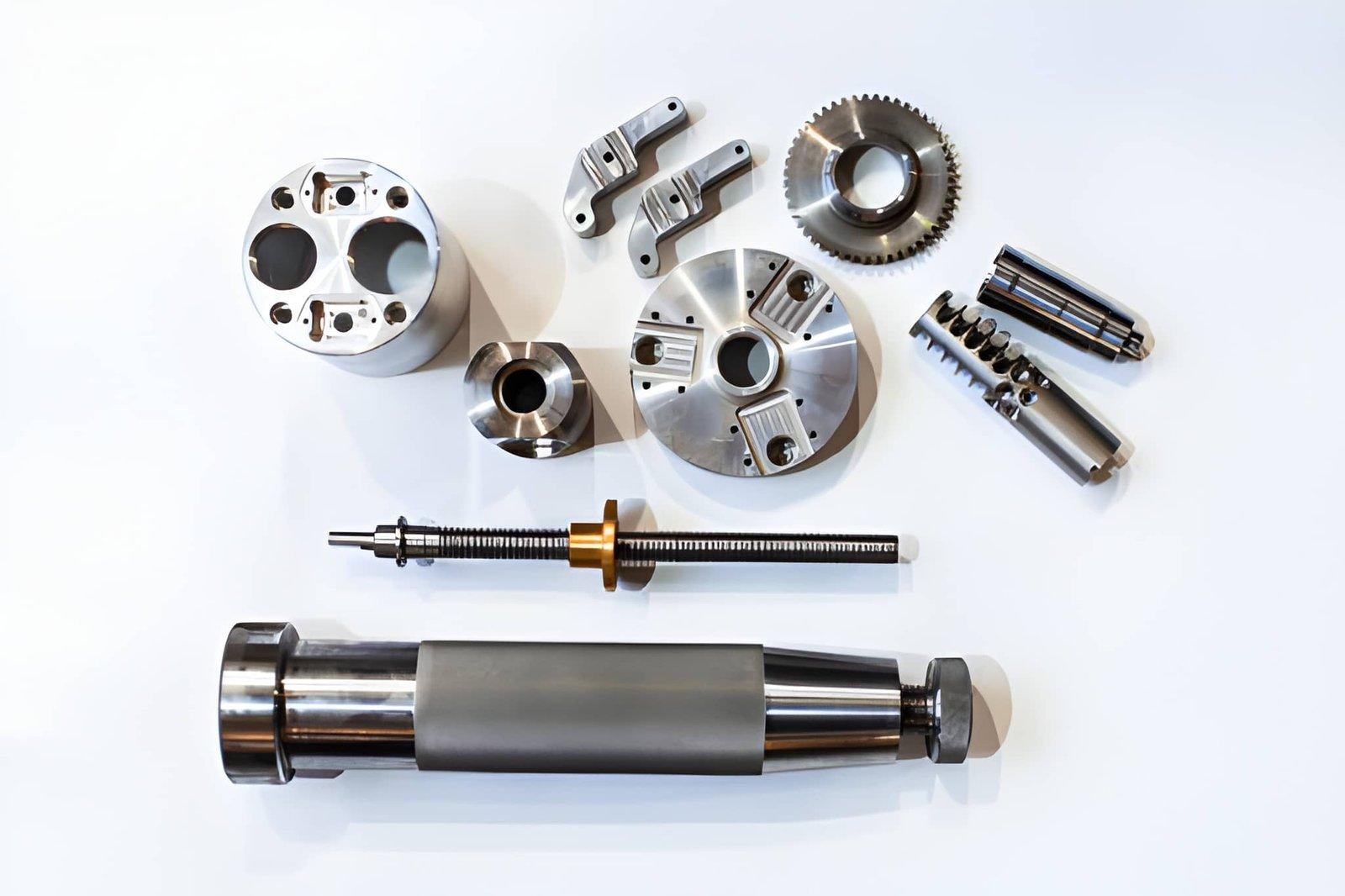
Custom CNC Milling Services
CNC milling is usually used for shaping flat surfaces, pockets, slots, and multi-face features. The machining strategy is partly geometrical.
Simple design parts are machined on 3-axis machines. While multi-sided parts are indexed on 4-axis machines to minimize repositioning.
If your parts entail complicated shapes, 5-axis machining provides the ability to reach various angles with one setup. Applications of CNC Milling are typically housings, brackets, plates, and structural components.
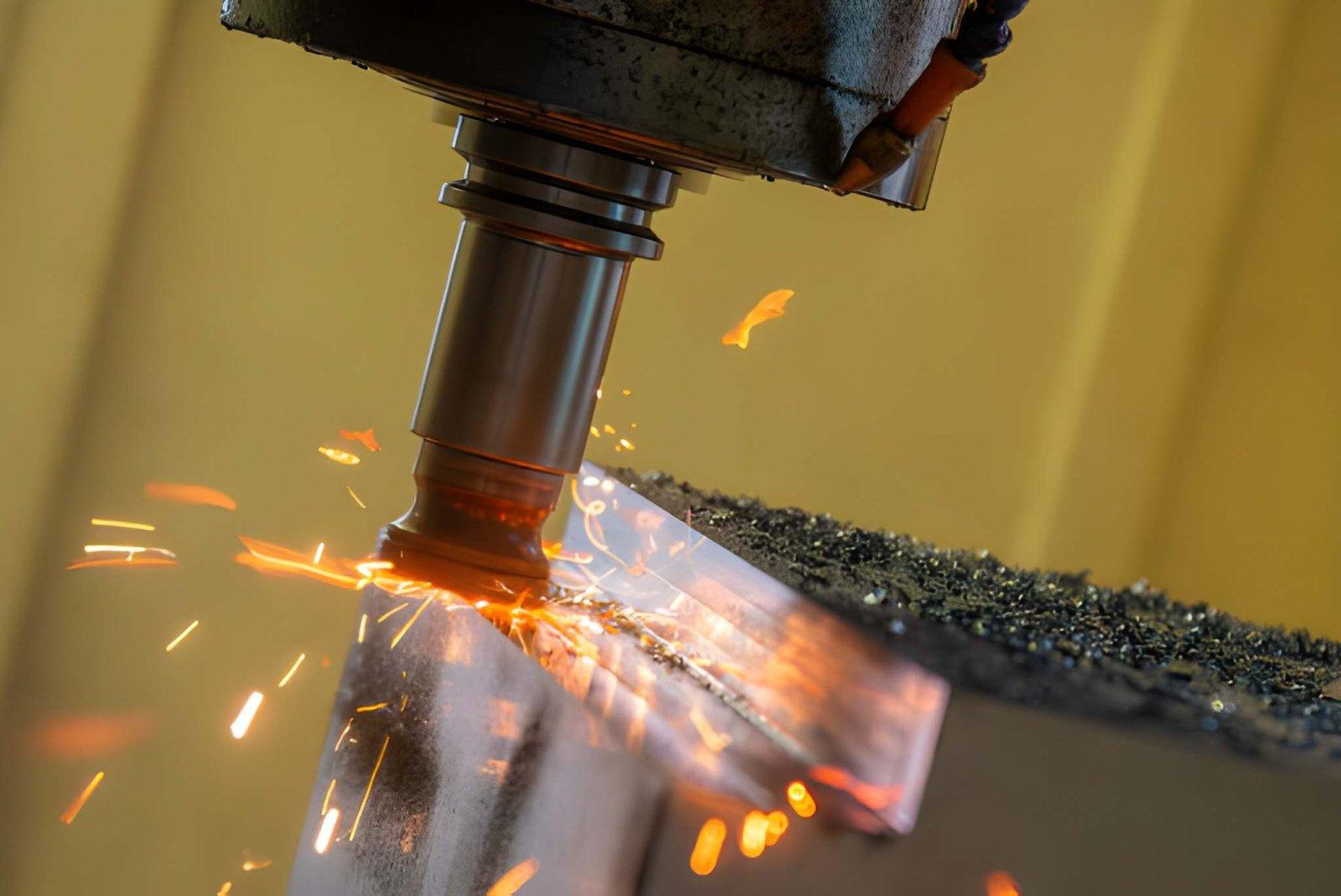
Custom CNC Turning Services
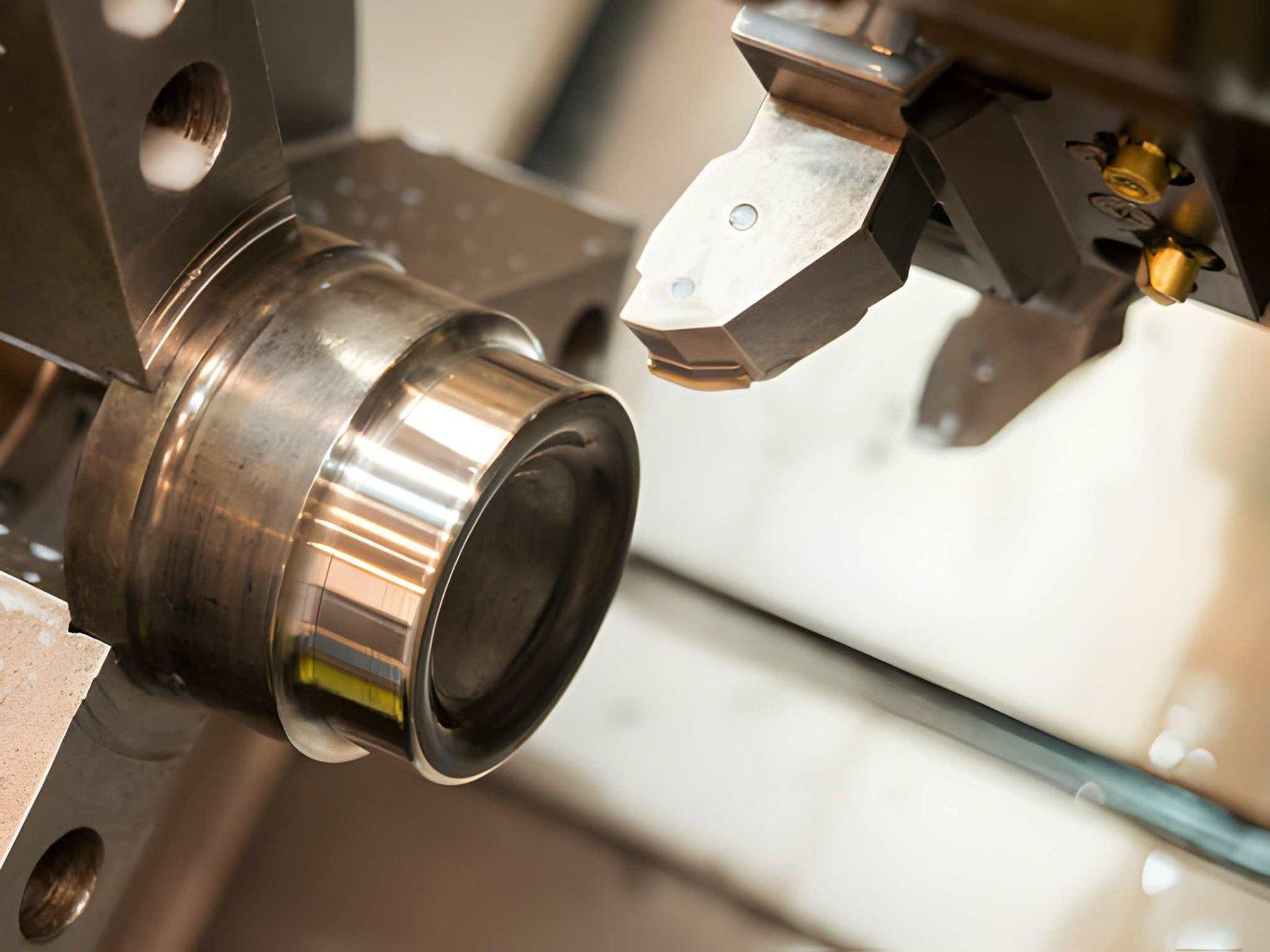
CNC turning is used for round or cylindrical parts. It helps maintain precise cutting, diameter, concentricity, and surface finish, which are regulated. It is often employed for shafts, pins, bushings, and threaded pieces.
Our multi-axis Swiss lathes support various operations to be carried out in one setup. This enhances consistency and minimizes the handling between operations.
Machining from Prototype to Production
Our engineers first test prototypes before commencing to mass scale production. We carefully check sizes, fit, and manufacturability.
After the design is approved, the same production process is scaled through the same machining process. This eliminates process variation and assists in keeping the consistency of initial samples and final batches.
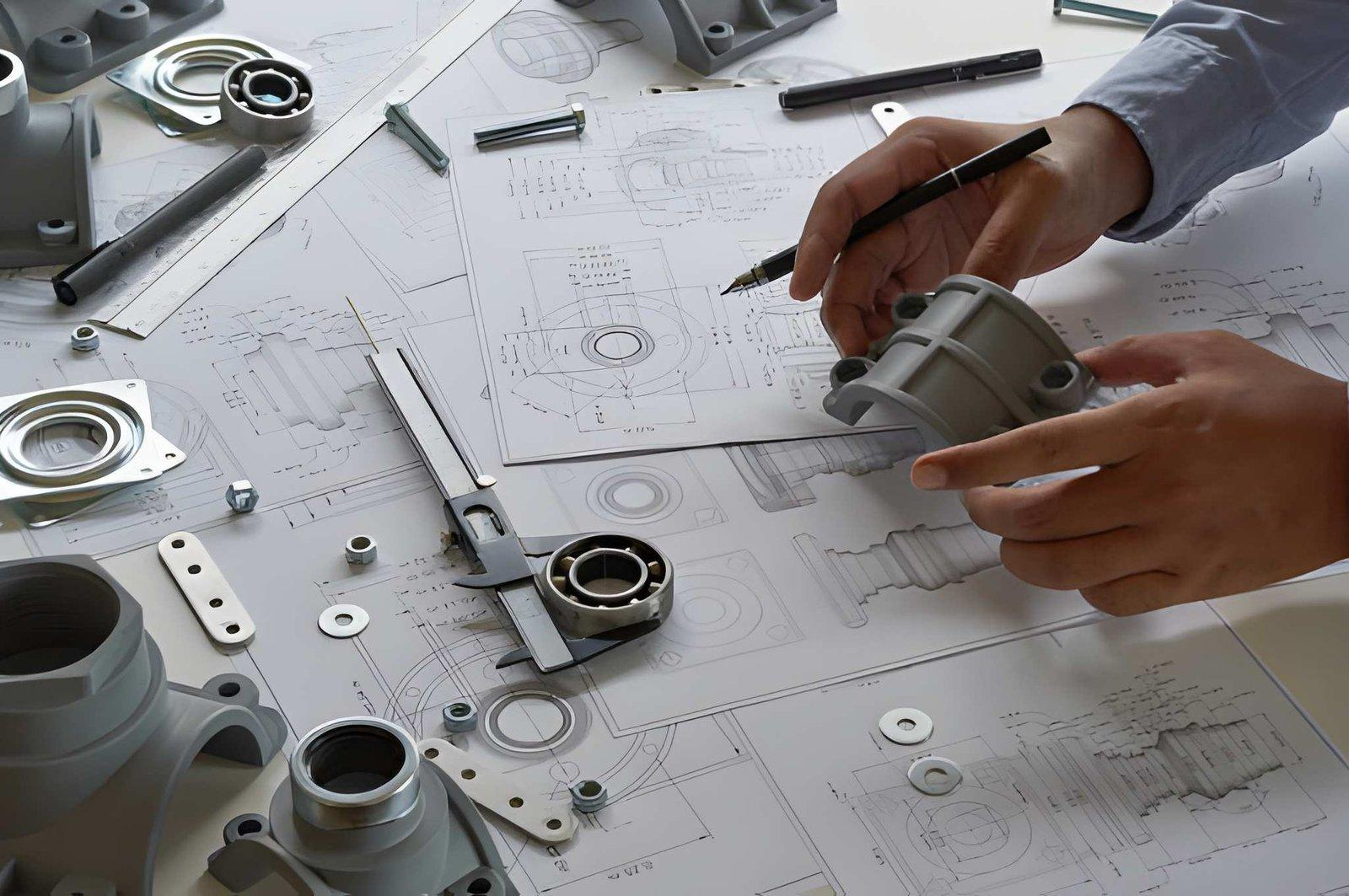
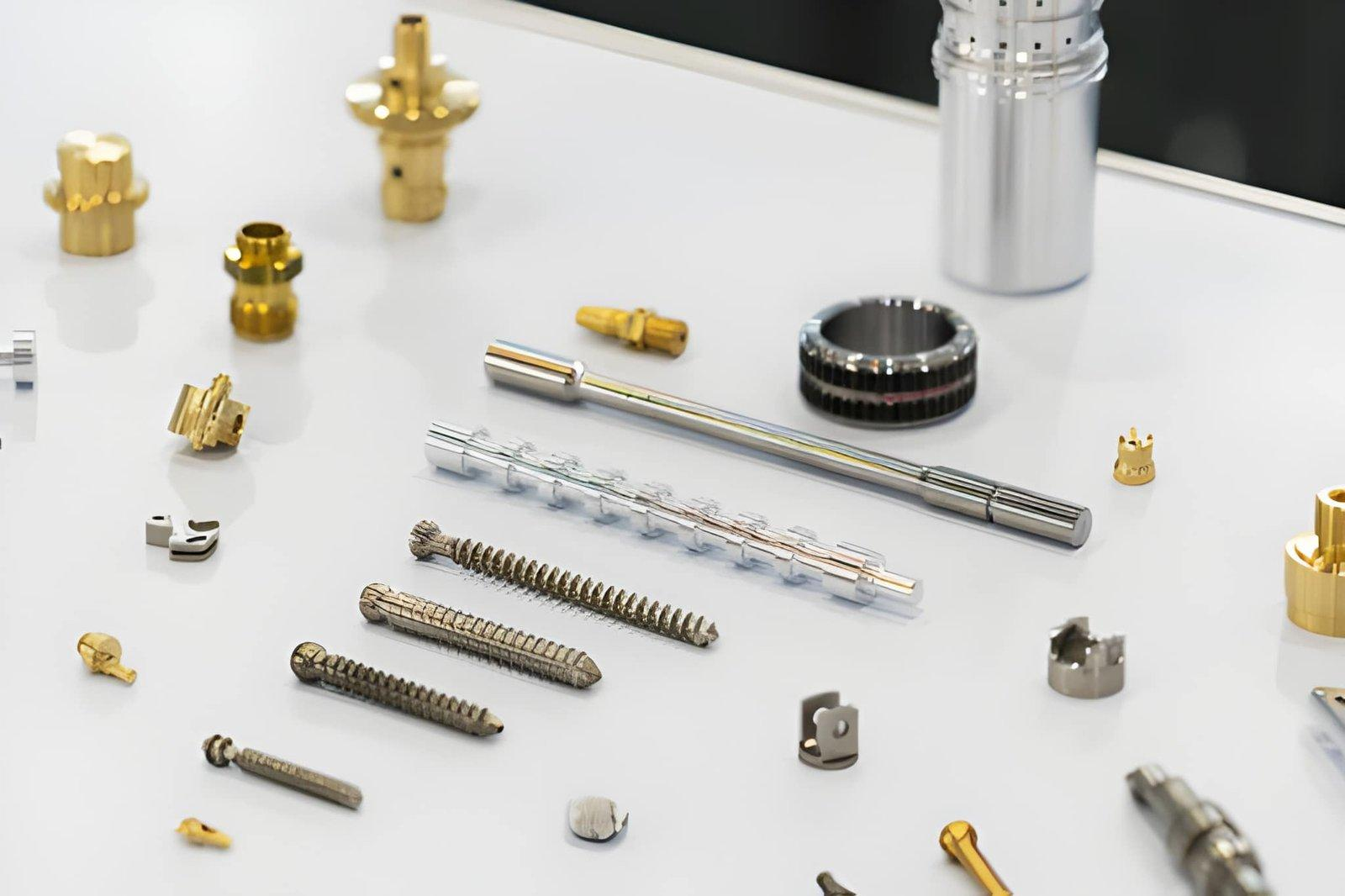
Common Metal Materials We Machine at Sochain Precision
We machine a range of metals at our facility. The optimal material choice is based on strength, weight, corrosion resistance, and part function. Here are the common metals we machine at Sochain Precision.
| Material | Common Grades | Application | Finish Options | Lead Time | Cost Level |
| Aluminum | 6061, 6063, 7075, 2024 | Lightweight parts, housings, brackets | Anodizing, polishing, powder coating | 5 to 10 days | $$ |
| Copper | C101, C110 | Electrical parts, busbars, heat sinks | Polishing, plating, and anti-tarnish | 7 to 12 days | $$$ |
| Brass | C360, C260 | Fittings, valves, connectors | Polishing, plating | 5 to 10 days | $$ |
| Bronze | C932, C954 | Bushings, bearings, wear parts | As machined, polishing | 7 to 12 days | $$$ |
| Steel | 1018, 1045, 4140, A36 | Structural parts, shafts, tools | Plating, black oxide, powder coating | ~7 days | $$$ |
| Stainless Steel | 303, 304, 316, 420 | Corrosion-resistant parts, medical, and food | Passivation, polishing | 7 to 12 days | $$$ |
| Magnesium | AZ31B, AZ91D | Lightweight structural parts | Conversion coating, painting | 5 to 10 days | $$$ |
| Titanium | Grade 2, Grade 5 | Aerospace, medical, high-strength parts | Polishing, anodizing | 10 to 15 days | $$$$ |
Note: In practice, the material choice impacts machining time, cost, and part performance. Some grades machine faster, while others require tighter control during cutting.
Therefore, contact us if you need help selecting the right metal. We can recommend suitable grades based on your design and application.
Industries We Serve
CNC machining provides excellent dimensional control and production repeatability. Each sector criterion is specific, and typically, the core concern is on fit, alignment, and performance in intended use.
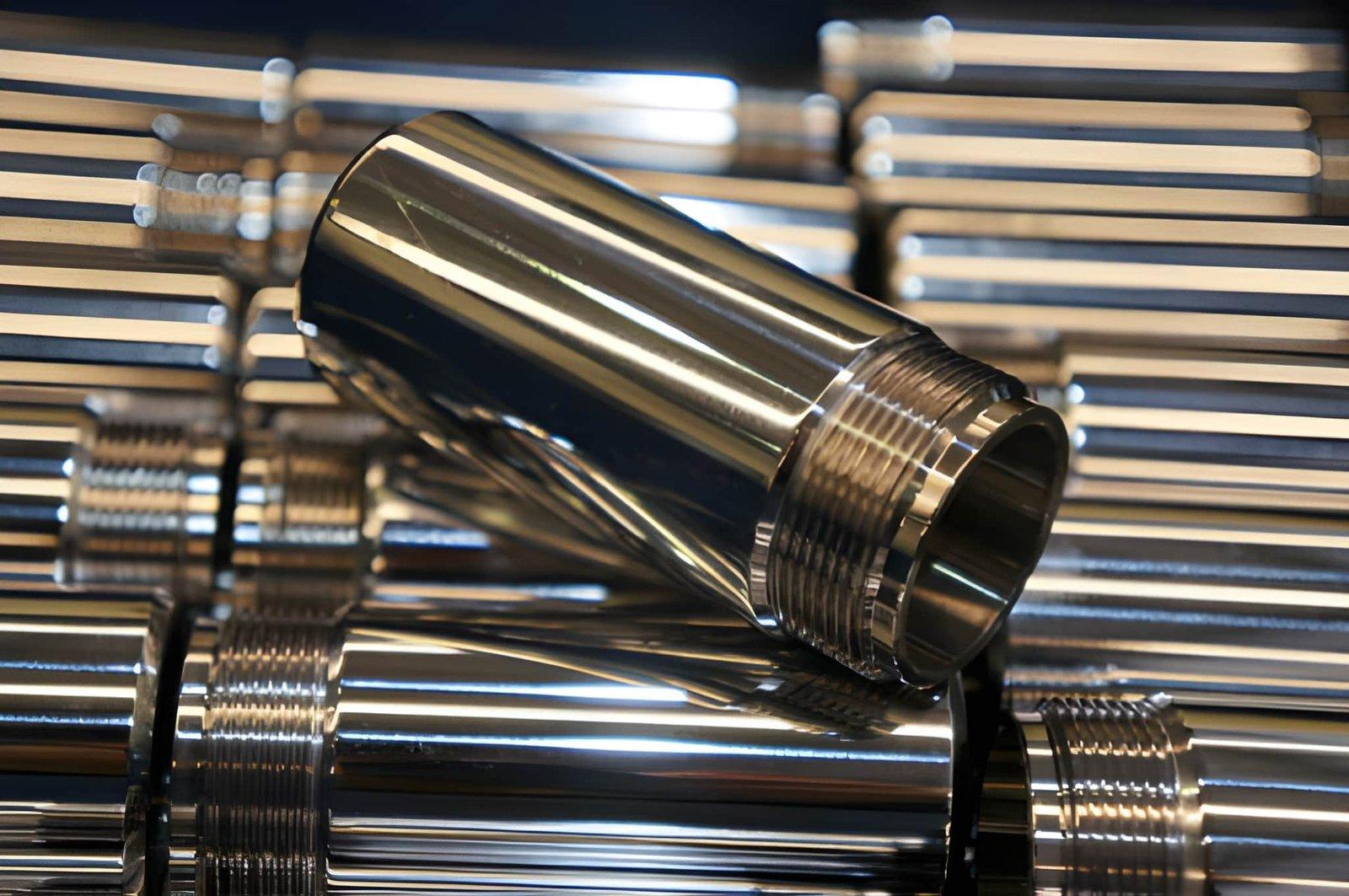
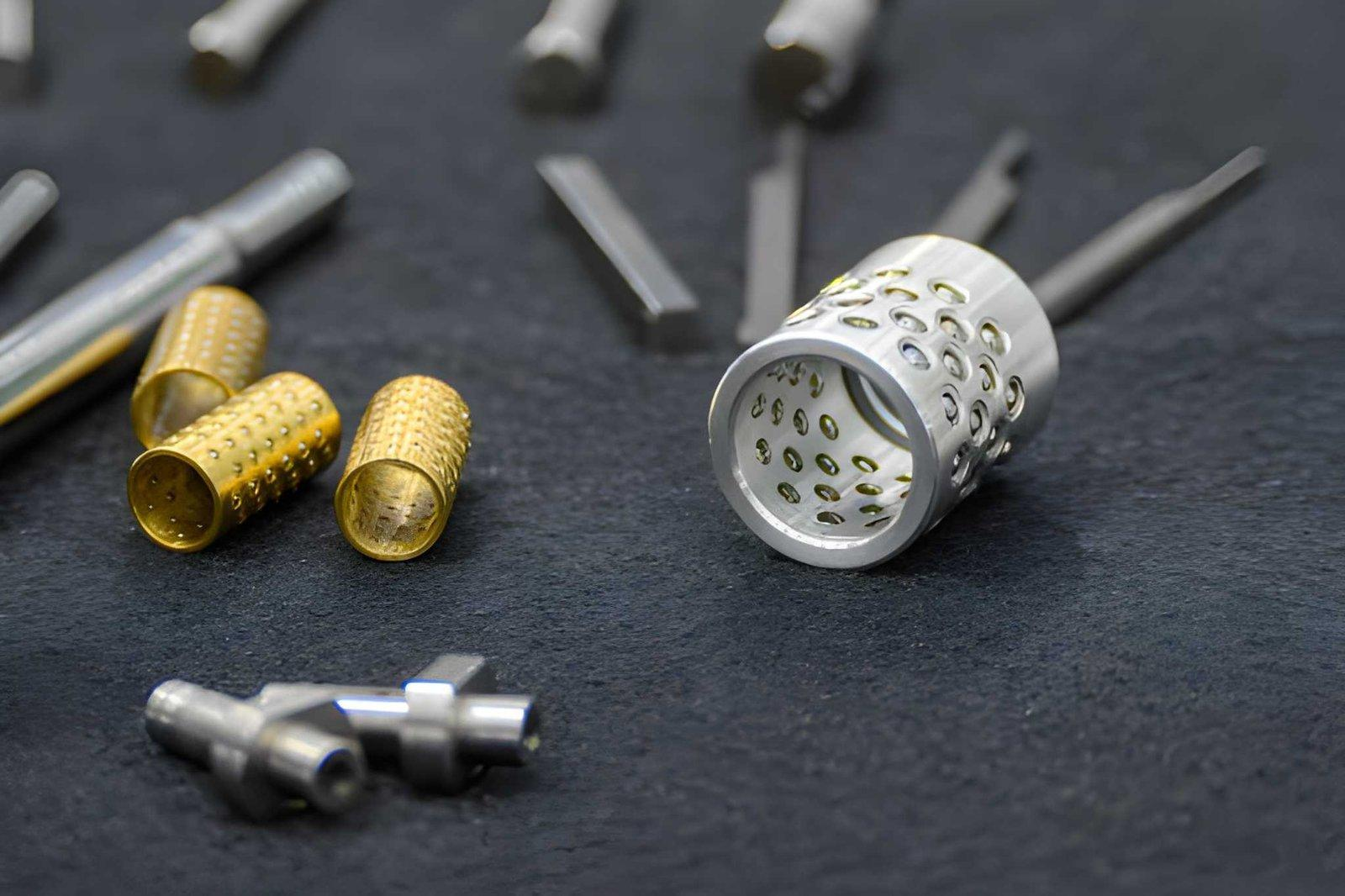
Aerospace
Aerospace components are usually sensitive to weight and require a steady geometry. Some parts, like mounting points needs mating surfaces. They must be positioned properly in the assembly process, and hence, these areas are normally controlled more carefully.
Automotive
Automotive components are often subjected to load, vibration, and heat. Machined components like brackets, housings, and shafts must be stable in dimensions so as not to cause any problems in the course of installation and operation.
Automation
Fixtures and machine components rely on accurate positioning. Even minor deviations can affect movement and alignment. So, machining is used to keep these features consistent across parts.
Medical Devices
Medical devices are usually tiny and demand neat faces and tight tolerances. Therefore, our engineers focus on stable fit and simple assembly as opposed to sophisticated geometry.
Robotics
Assemblies require appropriate fit and alignment between joints and connecting parts. Precision machining provides consistent dimensions, particularly where two or more parts are involved.
Consumer Products
For external and internal parts, fit and appearance are of primary concern. Machining is used where molded parts are not suitable or where tighter control is needed.
CNC Machining Tolerance and Quality Control
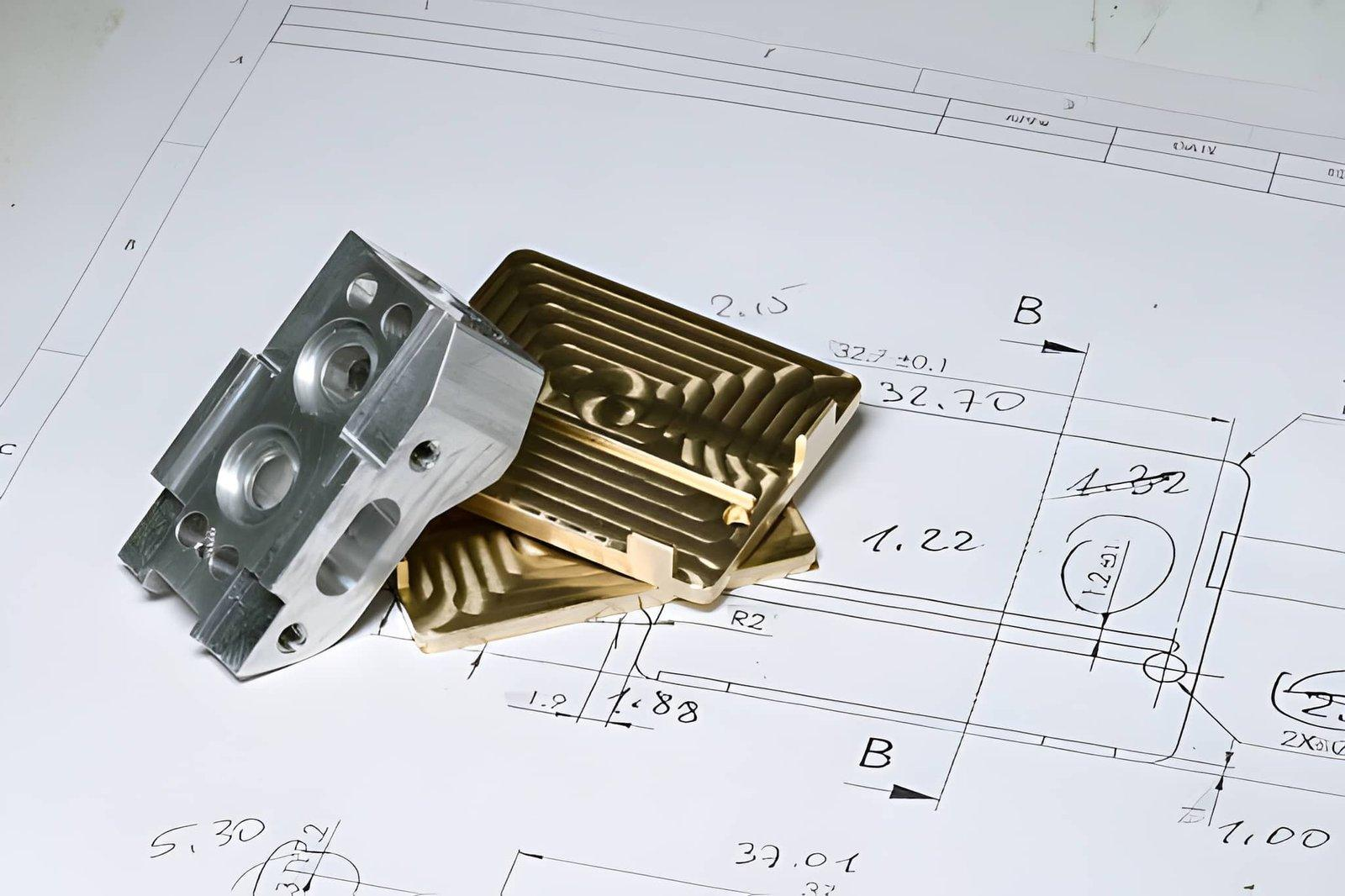
Not all parts' features require tight control, so we focus on only critical areas and keep other dimensions within standard limits.
Parameter | Typical Range/Standard |
General tolerance (metals) | ISO 2768-m |
General tolerance (plastics) | ISO 2768-c |
Precision tolerance | Up to ±0.005 mm |
Surface finish | Ra 0.8 – 3.2 µm |
Minimum wall thickness | ≥ 0.5 mm |
Hole accuracy | Standard drill tolerance |
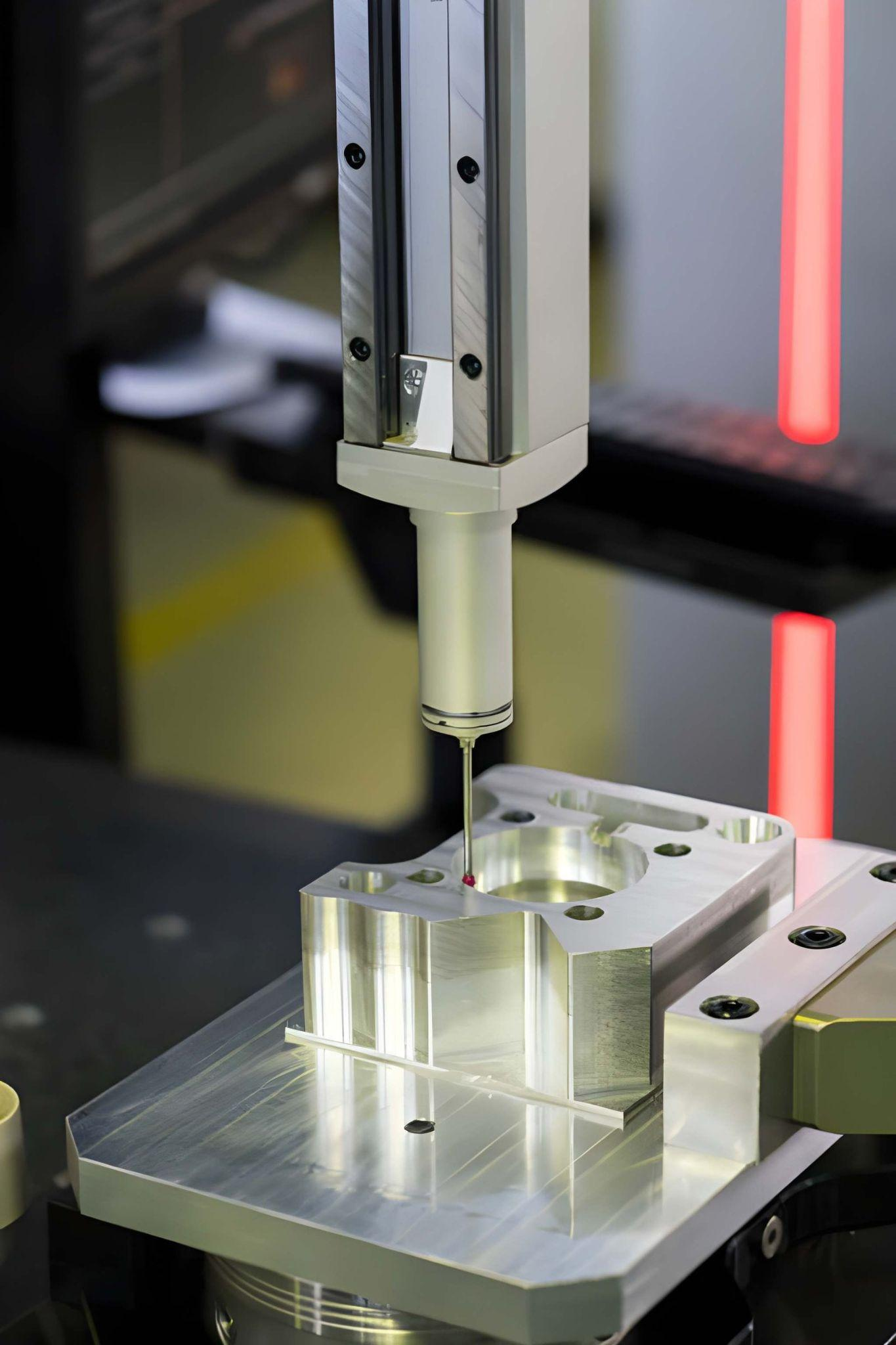
Inspection | CMM / manual gauges |
Process control | In-process checks, FAI, CMM, etc. |
Design Guidelines for CNC Machining
To avoid unnecessary machining time, we made small design alterations that do not alter functionality and allow us to achieve accurate design outputs in a short lead time.
Use Internal Radii
Angular internal edges require more cuts and specialized tools. However, a radius can be added to facilitate stable cutting and improve the surface quality of metal parts.
Manage Hole Depth
Deep holes are usually challenging to manage and can impact straightness and concentricity. Maintaining hole depth within 10 - 12× the diameter improves machining stability.
Apply Tolerances Where Needed
Close tolerances always add up to machining time and extra cost, alongside stringent inspection. Therefore, it is more effective when tolerances are applied only to features that can influence assembly and part functioning.
Reduce Setup Changes
Components entailing many design orientations add complexity to the handling and variability. It is desirable to design features that can be machined in a controlled setup to ensure consistency.
Keep Wall Thickness Stable
During machining, thin or uneven areas can shift. The part stability can be achieved by maintaining a consistent thickness, which minimizes the chances of deformation.
Why Partner with Sochain Precision
Choosing a machining supplier is not only about price. It depends on how well the parts come out, how consistent they are, and how smoothly the process runs from drawing to final delivery.
Stable Machining Approach
At Sochain Precision, our engineers review each part before production and plan the machining method based on geometry and tolerance. This helps avoid unnecessary setups and reduces variation during machining.
Focus on Critical Features
All dimensions are not treated equally. Where necessary, we exercise a more stringent control, e.g., mating surfaces and fits, to achieve a compromise between accuracy and cost.
Consistent Output Across Batches
When a process is established, we document the tooling and setup for repeat orders. This assists in ensuring uniformity between prototypes and production parts.
Practical Engineering Support
Our team always gives feedback on design where machining problems might arise, e.g., deep cavities, thin walls, or unnecessary tolerance. This helps you avoid later rework and delays.
FAQs
A 3D CAD file (STEP or IGES) is preferred. If there are specific tolerances, finishes, or material requirements, they should be included in the drawing.
We identify critical features and apply controlled machining and inspection techniques. Secondary processes like reaming or finishing cuts are used where needed.
Yes, we carefully look at your design and indicate issues early on where it is likely to add to the cost or make it difficult to machine, like deep pockets, sharp edges, or unduly tight tolerances.
Aluminum and steel are the most commonly used metals since they provide good machinability. The right choice of material is based on the required strength, application environment, and functionality.
In case of a non-conformance of a part as per drawing or functioning, it is checked and reworked. We identify the cause, be it design, tooling, or set-up, and correct the process before remaking the part.
Start Manufacturing Your Custom Parts Now!
Understanding Your Goals, Delivering Your Solutions – We’re Committed to Making CNC Machining Simple and Stress-Free!